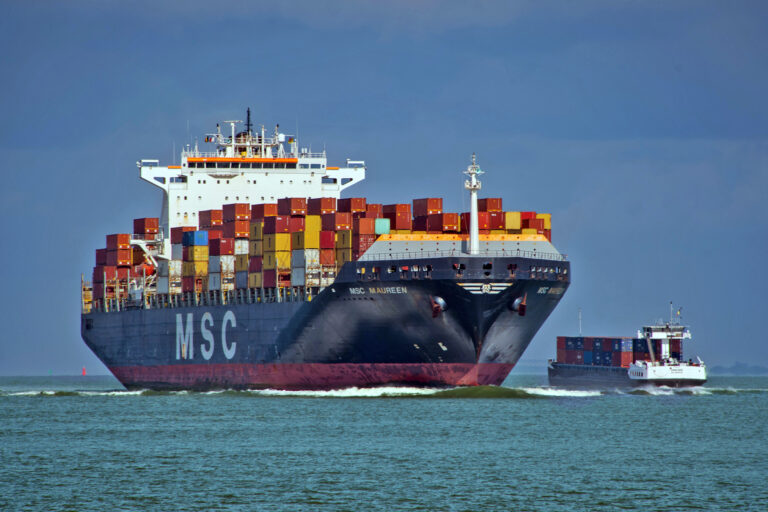
- Using crops as fuel to cut emissions from the shipping sector could cause more harm than good, the authors of a new op-ed argue.
- Next month, leaders will gather at the UN’s International Maritime Organization meeting to lay down the rules for decarbonizing shipping, and African governments must ensure that crop-based biofuels are not a part of the solution, they say.
- “African states should demand that food-based biofuels are excluded from shipping’s decarbonization targets, and insist on robust sustainability criteria to prevent the conversion of forests, peatlands, and other high-biodiversity or community-managed areas into fuel plantations,” the authors say.
- This article is a commentary. The views expressed are those of the authors, not necessarily of Mongabay.
Africa’s future prosperity depends on how fast we can reduce emissions, especially from large polluting sectors like shipping. But using crops as fuel to cut emissions risks causing more harm than good.
As countries gather at the UN’s International Maritime Organization (IMO) meeting in April to lay down the rules for future clean energy to power shipping, African governments must ensure that crop-based biofuels are not part of the solution. If that does happen, Africa might once again find itself paying the price for a transition from which it may not benefit.
Shipping, as with other heavily polluting sectors, must decarbonize. But not all climate solutions are equal. The expansion of biofuels, often portrayed as ‘green’ in international shipping dialogues, could intensify pressures on land and food systems that are already stretched to the limit.
As our work has shown, competition for land has reached a breaking point across Africa. Since 2000, hundreds of large-scale land deals have been recorded for industrial farming, carbon credits, mining, and biofuels. What is often presented as ‘unused’ or ‘marginal’ land is, in reality, the basis of livelihoods for small-scale farmers and Indigenous communities who are being displaced or stripped of control over their territories, which drives land inequality, rural poverty, and food insecurity.
Biofuels for shipping risks accelerating this trajectory.
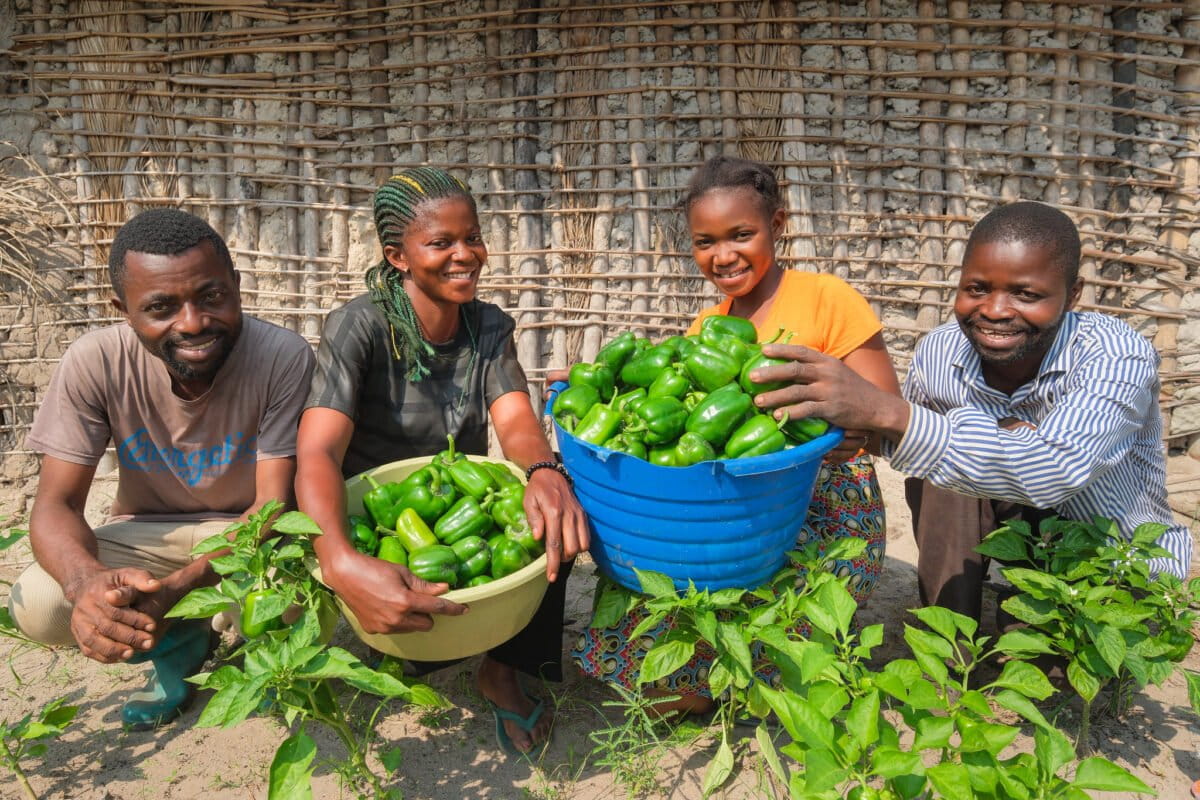
Shipping consumes roughly 300 million tons of fuel each year, and is responsible for 3% of global emissions – as much as a country like Germany or Japan. Even replacing a fraction of this with crop-based biofuels would require vast areas of land. Experience from earlier biofuel mandates shows what happens next: vegetable oils and grains are redirected into fuel markets, global prices rise, and investors move into regions where governance is weak and land is cheap.
So-called marginal lands are not empty spaces waiting to be developed. They sustain pastoralists, Indigenous communities and smallholder farmers, and also act as safety nets in times of drought and increasingly harsh climate conditions. They are carbon sinks and biodiversity refuges. Converting them into monocrop plantations for biofuels would erode both ecological resilience and community autonomy.
If the IMO stimulates a large market for biofuels, a rush for African land dressed up with promises of jobs and development may justify new export-oriented plantations that divert land use away from feeding Africa’s fast-growing population. At a time when productivity is stagnant or declining in most African countries due to degraded soil health, extracting more of Africa’s soil nutrients to feed the shipping industry, rather than its own people, is unjustifiable.
Meanwhile, in countries where food security is already under threat and import dependency is the norm, rising global prices for vegetable oils and grains mean higher import bills and greater exposure to price volatility. With climate extremes, conflicts, and debt already tightening the screws on households and national budgets, expanding fuel production at the expense of food is a dangerous gamble.
As African governments gather in London for the next IMO meeting in April, they must not act as passive observers. They must claim their power to shape the rules of shipping’s transition and uphold their responsibility to protect Africa’s land, food systems, and communities.
African states should demand that food-based biofuels are excluded from shipping’s decarbonization targets, and insist on robust sustainability criteria to prevent the conversion of forests, peatlands, and other high-biodiversity or community-managed areas into fuel plantations. Transparency and full respect for land and peoples’ rights must be non-negotiable.
Decarbonizing shipping is essential but climate action cannot become a new frontier of extraction. Burning crops for shipping would compound existing injustices and deepen food insecurity at a time when resilience is urgently needed.
Susan Chomba directs Vital Landscapes for Africa at the World Resources Institute (WRI) and Million Belay is co-founder and general coordinator of the Alliance for Food Sovereignty in Africa (AFSA). Both are IPES-Food panel experts.
Banner image by dendoktoor via Pixabay (Public domain).
See related coverage:
In Malawi, farmers rebuild soil and livelihoods through agroecology
Nations delay vote on shipping decarbonization rules after fierce US resistance
‘Weather whiplash’ cycles of floods & droughts imperil Nigerian farming
Credits