- As Belém’s COP30 ended in compromise, political forces moved swiftly to accelerate destruction far from the global spotlight.
- New infrastructure projects, critical minerals, fires and novel threats to the Amazon remain looming for 2026 after a year in the spotlight preparing for COP30.
- In 2025, the rainforest saw illegal miners finding new smuggling routes and an increasing backlog of families waiting for settlement in Brazil.
- As carbon credit schemes and violence against environmental defenders continue to loom, products made from Amazon raw materials renew hope for the value of a standing forest.
The Amazon enters 2026 carrying the bitter taste of compromise. The world’s attention was fixed on Belém for the COP30 summit in November, transforming the Brazilian city into a brief, intense stage for climate diplomacy, where ambitious calls for a fossil fuel phaseout ultimately died on the negotiating floor.
Yet, in 2025, the true battle for the rainforest was fought far from the Blue Zone. In the quiet shadows, powerful political forces moved to roll back environmental protections in Brazil (which holds 64% of the rainforest), successfully passing the anti-conservation bills and green-lighting critical infrastructure projects.
This dual reality — grand promises versus accelerated development on the frontier — set the defining tension for the year, even as a more hopeful, grassroots movement gained momentum, finding new, valuable purpose for biodiversity in innovations, proving the rainforest is worth far more standing than cut.
COP30 was wrapped in global expectations. Brazilian President Luiz Inácio Lula da Silva opened the summit by proposing a road map to enable humankind to overcome its dependence on fossil fuels in a fair and planned manner and to halt deforestation. However, the ambitious calls for a fossil fuel phaseout were excluded from the official COP outcomes.
In response, Brazil, alongside the Colombian and Dutch delegations, agreed to develop road maps outside the formal U.N. process. This effort will culminate in the First International Conference on the Just Transition Away from Fossil Fuels, scheduled for April 2026, in Santa Marta, Colombia, to negotiate an equitable Fossil Fuel Treaty.

New threats loom
With COP30 behind, the Amazon enters 2026 with new and old problems to handle — now away from the spotlight. While the Brazilian administration saw deforestation rates plunge in 2023 and 2024, an alarming upward trend emerged in 2025. Deforestation surged 92% in May and was up 27% through the first half of the year, reaching the highest level since 2023. However, the official annual outlook, which closes mid-year, showed an 11% decrease.
Mongabay coverage highlighted a new and concerning trend: More than half (51%) of the recently detected deforestation occurred in areas that were recently burned, a record-breaking level. Experts suggested that the biome’s increased susceptibility to fire, worsened by climate change, made fires a less risky and more attractive method for criminals seeking illegal deforestation. The Amazon registered the largest burned area since monitoring began in 1985 during the 2024 fire season.
New infrastructure reshapes the Amazon Basin: In addition to the crisis of forest loss, the year saw Brazil advance major infrastructure projects aimed at linking commodity production hubs to the Pacific coast via new logistics corridors to streamline exports to China, a central strategy.
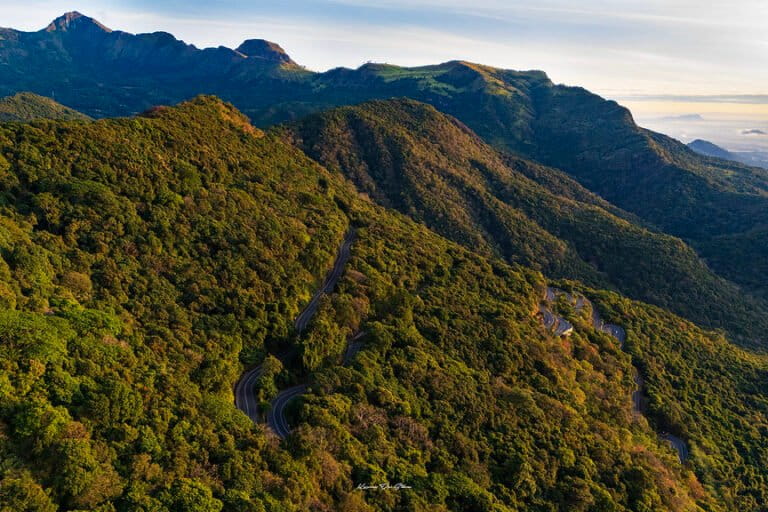
The controversial BR-319 highway, linking Manaus and Porto Velho, gained significant momentum in 2025, driven by the new licensing reform that could fast-track “strategic” projects like it. President Lula personally cemented his support for repaving the road, which cuts through one of the most preserved regions of the Amazon. Environmentalists warn that rebuilding the highway will ignite a destructive “fishbone pattern” of illegal side roads, accelerating deforestation in a critical region and potentially pushing the Amazon toward its tipping point. Environment Minister Marina Silva, faced with immense political pressure, shifted her position to focus on “damage control,” promoting a strategic environmental assessment to ensure safeguards are implemented for the renovation.
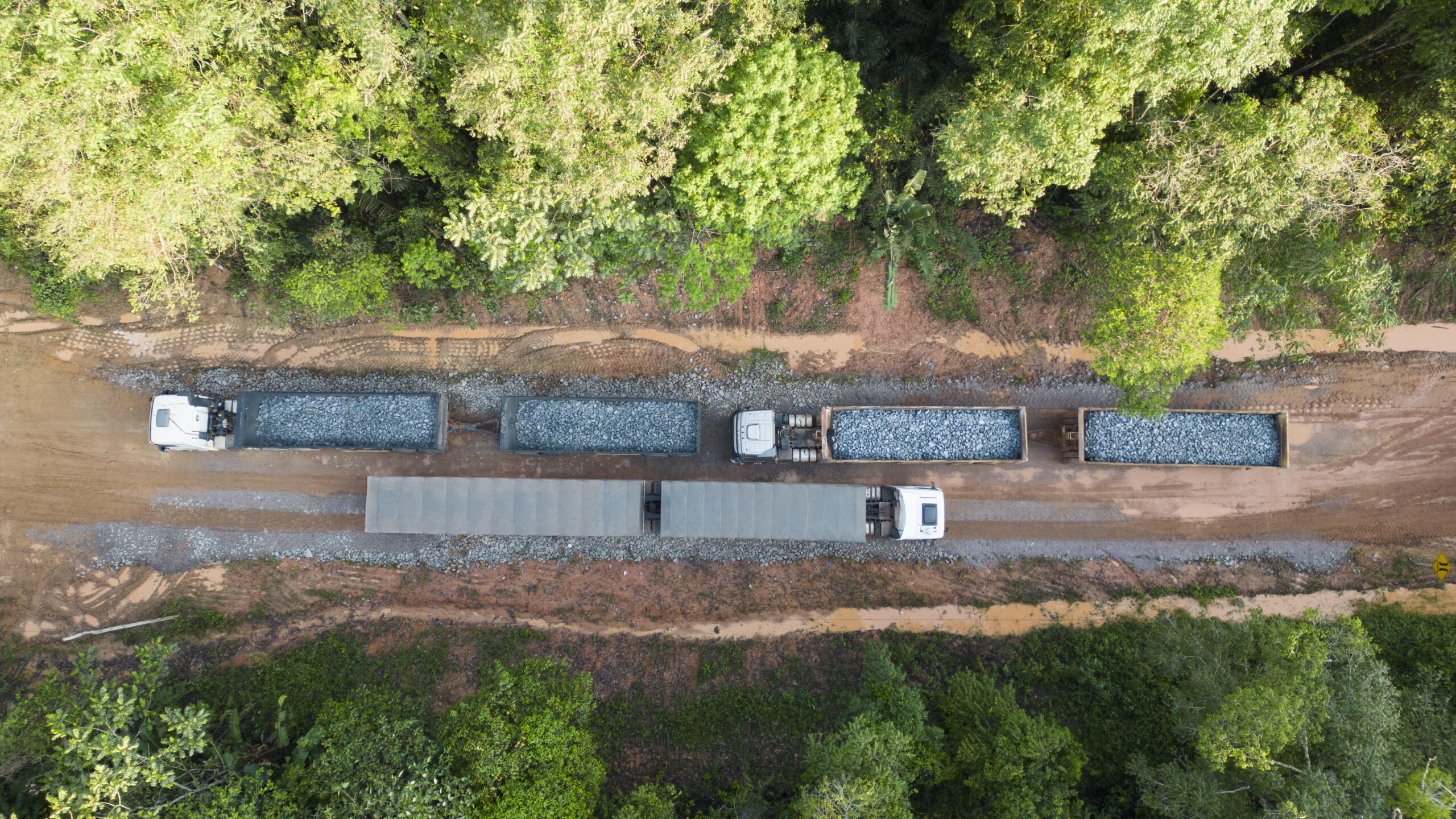
Meanwhile, Brazil advanced plans for massive projects, including discussions on the Bioceanic Corridor railway, which would link the Brazilian Amazon to Peru’s new Pacific-facing Chancay Port, a key hub of China’s Belt and Road Initiative, inaugurated in November 2025. Critics warn that this new network, which includes roads and riverways, will accelerate deforestation and degradation along proposed routes.
As part of this push for riverways, Brazil’s environmental agency, IBAMA, approved a license in May to blast a 35-kilometer (21.7-mile) natural rock formation known as Pedral do Lourenço on the Tocantins River. This intervention, part of the wider Tocantins-Araguaia waterway project, is intended to enable year-round shipping for commodities. Federal prosecutors requested the suspension of the license due to missing impact studies and the threat posed to endangered fish, Amazon turtles and the critically endangered Araguaian river dolphin (Inia araguaiaensis), which feeds on fish that spawn in the area. A federal court blocked the planned expansions in July.

The rush for critical minerals: The global shift toward renewable energy introduced a new front of conflict: the demand for critical minerals (such as nickel, lithium and rare earths) essential for electric vehicles and batteries. This demand fueled political pressure to legalize mining on Indigenous lands, despite constitutional bans and widespread concern around the hazardous effects on traditional communities.
Lawmakers advanced controversial bills to allow mining and other large-scale economic activities within Indigenous territories. This expansion threatens to intensify deforestation and mercury pollution, bringing threats to Indigenous communities. Companies have filed thousands of mining requests across the Amazon, with many applications overlapping or near Indigenous territories. Brazil aims to position itself as a key mineral supplier, backed by political and financial support from the Lula administration.
One critical move in the Brazilian Congress to support the new mining frontier came in the form of the new, sweeping environmental licensing reform bill, widely labeled by critics as the “devastation bill,” which fundamentally weakened protection mechanisms. This new legislation allows projects, such as critical minerals operations and the renewal of the BR-319 road, to be approved under simplified licensing.
The reform also creates an “auto” license, under which a proponent could obtain an environmental license by completing an online form, potentially reaching up to 80% of ventures. The new framework also delegates authority to local politicians to determine a project’s impact, which critics warned reduces transparency and increases corruption risks.

Persistent Threats
Old problems continue to endanger the rainforest, often adapting to government crackdowns.
Illegal gold routes: Following increased enforcement against illegal gold mining and new rules like electronic invoicing to fight laundering in Brazil, criminal operations adapted rapidly in 2025. Illegal gold traders developed sophisticated strategies to smuggle gold across borders into Venezuela (and possibly Guyana and Suriname), where it would likely be laundered and exported overseas. This strategy marks an inversion of the flow, as Brazil, which was once a gold “laundering machine,” now sees its illegal gold exported to neighboring countries with more lenient legislation. The need to cross borders has brought gold trading groups closer to organized crime, which often supplies mercury or exchanges gold for weapons and cocaine base paste.
Peru struggled to overcome the pervasive effects of illegal mining, drug trafficking and organized crime. Meanwhile, Bolivia’s newly sworn-in conservative administration of President Rodrigo Paz Pereira eliminated its Ministry of Environment and faced a worrying expansion of illegal mining, deforestation and wildfires at ground-breaking levels.
The year also marked Ecuador’s decision to reopen mining concession registrations after a seven-year hiatus, ignoring the alert of defenders and Indigenous leaders.

Land reform pressure: The delay in Brazil’s land reform under the Lula administration led to a backlog of more than 100,000 families waiting for settlement nationwide. This delay fueled a new wave of land occupations and violence in 2025, increasing land conflicts in regions like Pará state. The demand for land is a decades-long drama in the rainforest, with damaging results for conservation. The stalling agenda pushes landless people deeper into the forest and, while waiting for land, many of them work for illegal activities such as deforestation and illegal mining. This cycle favors a surplus of the workforce for illegal activities. Advocacy groups like MST are pressuring the Lula administration to finalize administrative processes against land invaders and resume the agrarian reform agenda in 2026.
Carbon finance schemes: Reporter Glòria Pallarès won the Anti-Corruption Excellence (ACE) Award for her investigation into corrupt forest finance schemes published in collaboration with Mongabay. Also, Pallarès received an honorable mention in the 2025 Trace Prize for Investigative Reporting for her investigation into fraudulent forest finance schemes. Her work uncovered how a network of companies misled Indigenous communities in Peru, Bolivia and Panama into handing over rights to millions of hectares of forest based on unclear promises of returns from carbon credits and green bonds. The investigation highlighted how unverified market-based models are proliferating amid a lack of regulation.
Violence against environmental defenders: In countries like Colombia and Peru, violence against those fighting for territorial and environmental rights remained alarming, with brutal episodes being reported until late December. Official data showed that Colombia remains among the most lethal countries in the world for environmental defenders during 2025, battling deforestation and the presence of armed groups funded by illegal economies.
The award season also recognized Mongabay reporter Karla Mendes, who won the 2025 John B. Oakes Award for Distinguished Environmental Journalism. Her investigation in the Brazilian Amazon uncovered a direct connection between the expansion of the cattle industry and an increase in violent crime against the Arariboia Indigenous Territory defenders.
Mendes’s win marks a first for both Mongabay and a Brazilian journalist. The Oakes Award is considered one of the top prizes in journalism, recognizing exceptional contributions to the public’s understanding of environmental issues.
Oil exploration: Ecuador experienced a wide range of environmental problems in 2025, including an environmental emergency declared in March after massive oil spills on its crucial Esmeraldas River. In the country’s Amazon portion, oil-related crises plaguing Indigenous communities and wildlife have been setting the pace throughout the century, combining leaks, unfulfilled land promises and ancestral groups’ necessity to fight the extractivism harassment.
In Brazil, IBAMA has approved an environmental license for state-owned oil company Petrobras to drill for oil near the Amazon shore. The license allows the company to start drilling the offshore well about 500 kilometers (311 miles) from the Amazon River’s mouth and 2.8 km (1.7 mi) below the seafloor. Environmental groups have vehemently condemned the decision, saying it will create conditions for a new wave of oil drilling in the region.

Glimmers of hope and the path ahead
Amid rising challenges, Mongabay reported on significant scientific advancements supporting a sustainable bioeconomy model that aims to generate wealth while ensuring standing forests.
Researchers successfully leveraged the traditional knowledge about the native jambu plant (Acmella oleracea), known for its numbing compound spilanthol, to develop high-value bio-innovations. These applications include anti-aging facial creams, stimulating intimate gels, alcohol-free mouthwash and fast-dissolving oral films for cancer patients. Research is also exploring the plant’s potential anti-arrhythmic properties.

The oil extracted from the larvae of the tucumã stone beetle (Speciomerus ruficornis), traditionally used for its anti-inflammatory and healing properties, gained scientific validation in 2025, strengthening its potential application in cosmetics and therapeutic products. Additionally, new technologies were tested to support forest extractivists, such as the use of zip lines to haul heavy sacks of Brazil nuts over difficult terrain and the development of an “Amazon Waze” style smartphone app to optimize harvest routes. These solutions help reduce the arduous nature of the work, potentially encouraging Indigenous youth to continue the sustainable trade, particularly crucial after the Brazil nut tree (Bertholletia excelsa) harvest experienced severe cuts due to the extreme droughts of 2023 and 2024.
The political and environmental pressures of 2025 set the stage for several critical developments expected in 2026. The upcoming annual deforestation data update (August 2025 to July 2026) will reveal the full extent of forest loss and the impact of the new fire-as-deforestation tactic, keeping officials under continued pressure. The tension between Brazil’s commitment to achieving zero deforestation by 2030 and the expansion of mineral extraction and infrastructure projects will remain the defining challenge for the Amazon in 2026.

Elections await
Crucially, much of the future of the rainforest relies on the outcome of elections in 2026. In Brazil, while a new reelection for Lula is generally seen as better for the Amazon than a far-right alternative, current polls indicate a rough journey ahead, and the election could result in a Congress even more aggressive against the environment.
The same can be said about Colombia, which will also choose a president. Whoever wins will receive the sash from Gustavo Petro, the country’s first left-wing head of state, who took office amid a decade-long environmental crisis. Despite Petro’s positive efforts to sharply reduce deforestation during his years in office, challenges persist — and may remain even further from the spotlight if a new ruler does not place the environmental agenda as a priority, as was the case in Bolivia.
In 2026, Peru will elect a president in April. Among many tasks, the one responsible for commanding the nation until 2031 will have to fight an explosion of illegal mining: official government data show that 44% of the illegal gold in South America comes from Peru. In addition to bringing mining-linked massacres, the country’s conversion into an illegal mining regional hostpost has been posing particular challenges to Peruvian Amazon Indigenous communities, which have been assembling monitoring groups in the state’s absence.
Banner image: A jaguar swims in the Colombian Amazon. Image by Thomas Fuhrmann via Wikimedia Commons (CC BY-SA 4.0).
FEEDBACK: Use this form to send a message to the author of this post. If you want to post a public comment, you can do that at the bottom of the page.
Credits