- Authorities in France and Spain have arrested eight suspects tied to a cross-border syndicate, accused of trafficking critically endangered European eels.
- Investigators say more than 7 million juvenile glass eels, worth nearly 600,000 euros (690,000 dollars), were smuggled over two years’ time.
- The arrests follow a year-long joint probe by investigators from the two countries into illegal fishing and laundering of eel catches.
- The case highlights the scale of an illicit trade that persists despite bans and trade protections for the species.
Authorities in France and Spain have arrested six French nationals and two Spaniards who were allegedly part of a transnational syndicate that were trafficking critically endangered European eels. The suspects are accused of smuggling more than 7 million eels worth 600,000 euros ($693,000) over two years.
The joint investigation began a year ago. In March 2025, the public prosecutor’s office in Bayonne, a city in southwestern France bordering Spain, opened a judicial investigation into suspected smuggling of juvenile European eels — known as glass eels at this stage of their development — from the Adour River Basin and the Bay of Biscay.
Authorities uncovered an international trafficking ring operated by a collector from the Landes region, according to the prosecutor’s office. He worked for a French fish wholesaler, authorities say, and was laundering glass eels that were caught illegally amid those caught legally, circumventing rules in place to trace the origins of the fish.
Over the past two years, officials believe he poached and trafficked more than two tons of glass eels to his employer and, clandestinely, to a Spanish wholesaler.
On March 12, 2026, each of the alleged smugglers arrested in France was charged with participating in a criminal activity, unauthorized possession, transport and export of animal products, and forgery. They’ve also been banned from engaging in any fishing activities, and one individual was required to pay bail of 100,000 euros ($115,500).
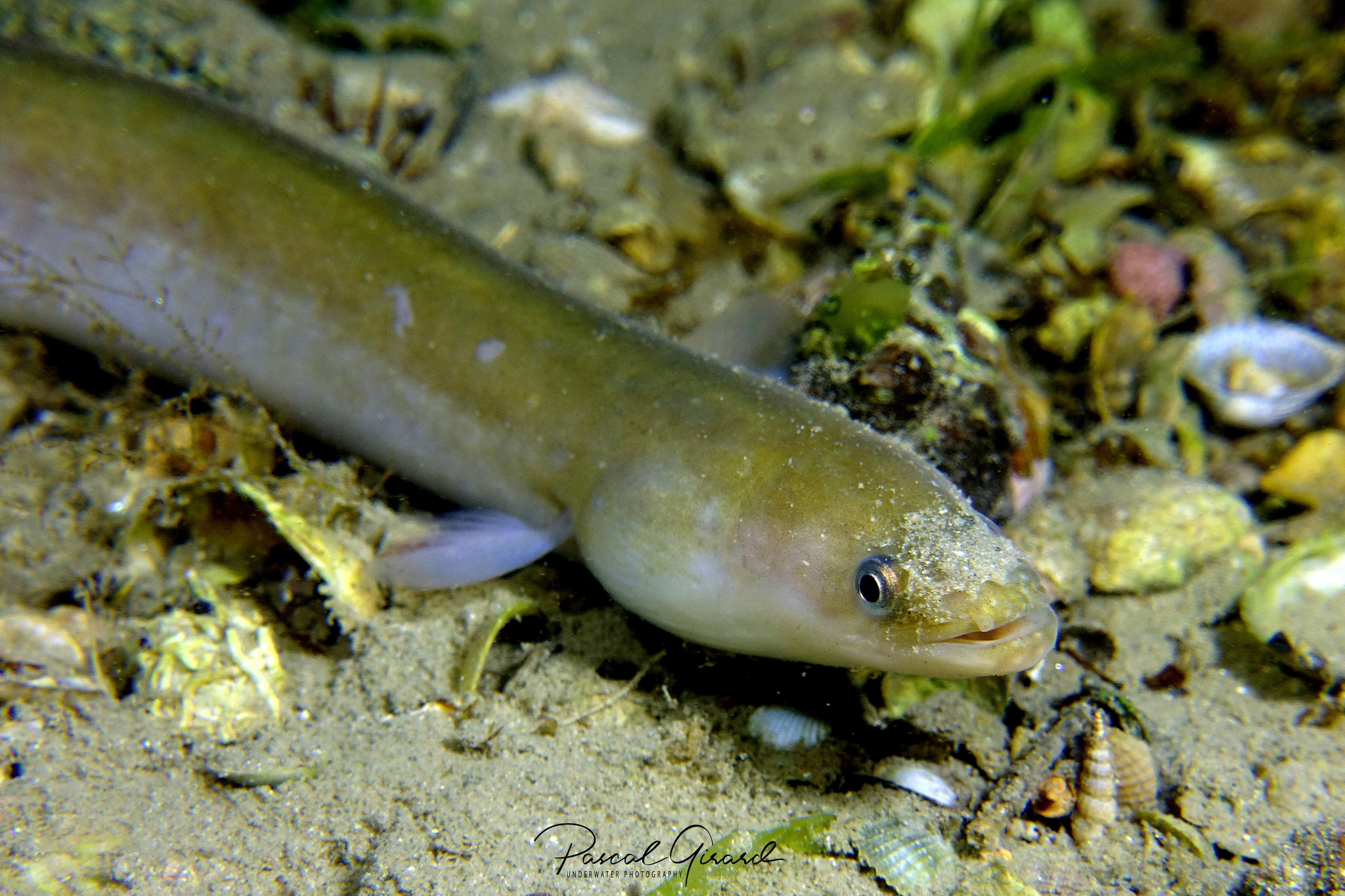
European eels (Anguilla anguilla) are coveted as a delicacy in East Asian cuisine. They’re caught in their finger-sized, transparent, juvenile stage both legally and illegally, and shipped live to aquaculture facilities in China, where they’re reared for a year or two before being sold. The eels are eaten grilled or smoked, as sushi or with rice. The unrelenting demand has meant European eels are now critically endangered: Their numbers plummeted by 98% since 1980.

In 2009, European eels were given protection under CITES, the international wildlife trade treaty signed by 184 nations and the European Union. Since then, commerce has been regulated with permits and quotas. In France, fishers can catch 55 metric tons of eels under the 2025-2026 fishing quota.
A year after the CITES listing, in 2010, the EU banned all trade of European eels outside its borders. Despite this, trafficking continues: It’s hugely profitable, and in general, wildlife trafficking is considered to be relatively low risk compared to other commodities commonly smuggled by organized criminal networks: drugs, guns and humans. Each year, up to 100 metric tons of glass eels, worth 2.5 billion to 3 billion euros (2.9 billion to 3.5 billion U.S. dollars) are smuggled out of Europe, according to Europol.
This is the first case of this magnitude handled by France’s Regional Environment Division, which was established in 2021 within the Bayonne judicial court. It investigates organized environmental crime. This case involved other French agencies, including the Central Office for the Fight against Environmental and Public Health Offenses (OCLAESP), the French Biodiversity Office (OFB), the specialized PAU Research Section of the Gendarmerie, as well as Spain’s Guardia Civil.
“This case illustrates the mobilization of the judicial authorities and the investigation services in the face of serious attacks on biodiversity,” the Bayonne prosecutor’s office said in a social media post.
Charlotte Nithart from the French environmental NGO Robin des Bois said these arrests are part of broader efforts to dismantle international glass eel smuggling in France and Spain. “Each time, it is a blow to the finances of the criminal networks, which is very positive … Without these operations, looting would be on a freewheel.”
While arrests are a start, wildlife traffickers often avoid prosecution because convicting perpetrators involved in transnational crimes requires the cooperation of numerous agencies. In the case of eel trafficking, Nithart said, there’s “a lack of cooperation” from other countries.
For instance, in 2023, French authorities seized about 900,000 glass eels, weighing 302 kilograms (666 pounds), and investigations led to the arrest of eight people belonging to a Chinese-run international smuggling network that trafficked eels through Senegal. While those arrested in Senegal and France faced prison time, the kingpins in China remained free.
“The big boss and his management team … can easily recruit new hands,” Nithart said.
Further investigations into the criminal trafficking network are ongoing with the current case, the prosecutor’s office said.
Those arrested remain unnamed and under judicial supervision.
Banner image: Every year, up to 100 tonnes of glass eels, worth €2.5-3 billion ($2.9-3.5 billion), are smuggled out of Europe. Image by Inês Morais Vilaça via iNaturalist (CC BY-NC 4.0).
Spoorthy Raman is a staff writer at Mongabay, covering all things wild with a special focus on lesser-known wildlife, the wildlife trade, and environmental crime.
Citation:
Sonne, C., Peng, W., Alstrup, A. K., & Lam, S. S. (2021). European eel population at risk of collapse. Science, 372(6548), 1271-1271. doi:10.1126/science.abj3359
FEEDBACK: Use this form to send a message to the author of this post. If you want to post a public comment, you can do that at the bottom of the page.
Credits