- Anticoagulant rodenticides — used to control rodent populations — pose a little-recognized threat to a host of wildlife species, including wild cats.
- Many small cat species hunt rodents and live in areas where rat poison is commonly used, including agricultural lands. These anticoagulant poisons accumulate in the liver and can prove lethal: It takes days for animals to die from internal bleeding.
- Widespread exposure in bobcats and caracals is well-documented, however research on other small cat species is limited — but concerning.
- Wildlife biologists say that greater controls limiting the use and availability of rodenticides are needed to protect wildlife.
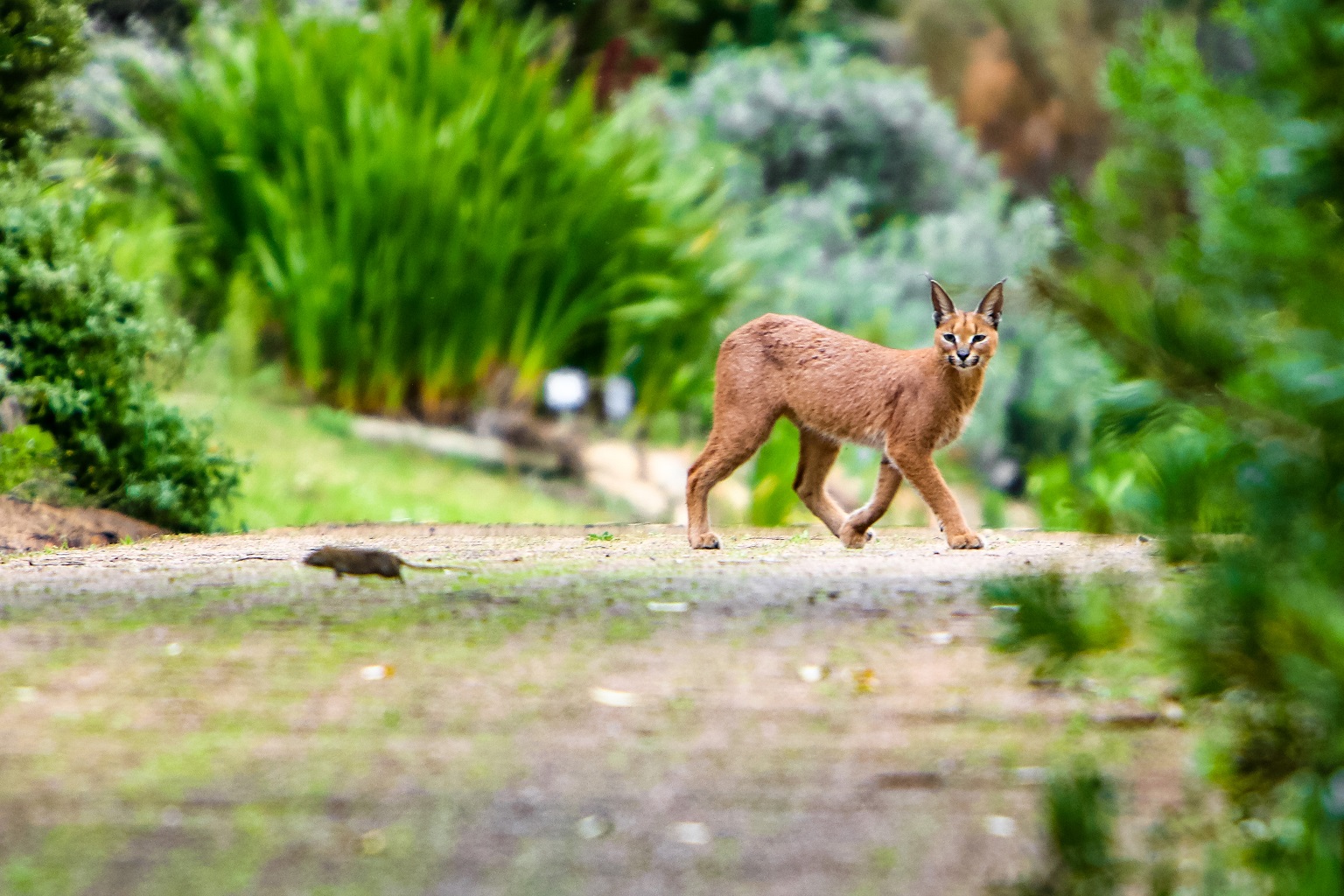
Cat kills rodent. Cat eats rodent. Cat is exposed to potentially lethal rodenticides.
That scenario is increasingly likely for many small wild cat species across the globe, and yet, only a handful of researchers are investigating this underrecognized conservation issue.
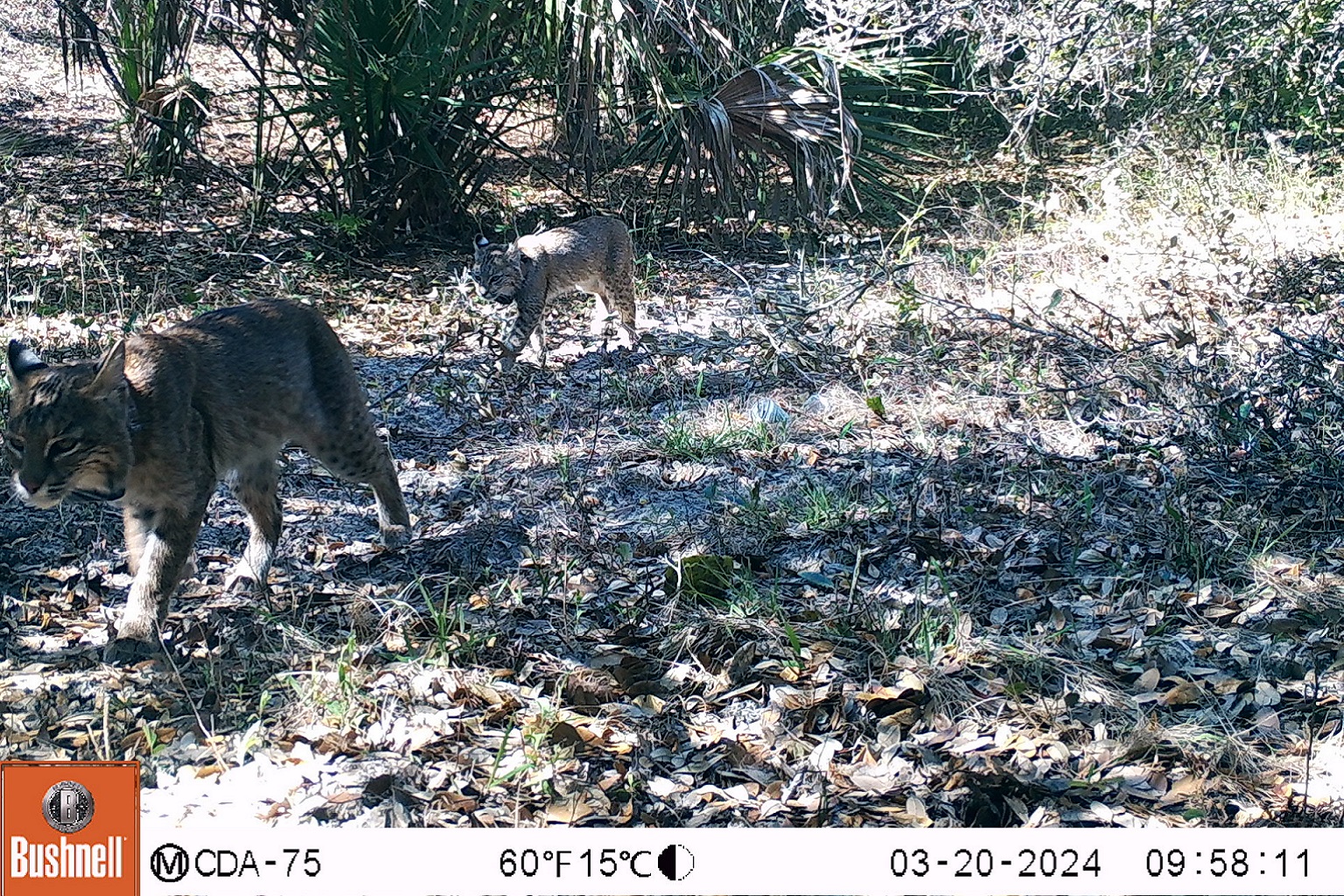
Thus far, researchers confirmed that one wild cat population has declined from exposure to these poisons. That’s a small bobcat (Lynx rufus) living on Kiawah Island off the South Carolina coast in the U.S., which faces imminent local extinction due to rodenticides.
Up until 2019, there was a stable population of these beloved cats, which are considered celebrities there, but that year, three cats died. Among them was a female that bled to death while giving birth. Postmortems revealed concoctions of rodenticides in each of the bobcats’ blood and livers.
Over the next four years, there were 12 more victims and the bobcats’ overall survival rate fell to 39%. All tested positive for concentrations of anticoagulant rodenticides; some had been acutely poisoned, said Meghan Keating, a doctoral candidate at South Carolina’s Clemson University.
That was a troubling sign for a population that now numbers less than 20 individuals.
They are regularly exposed to rodenticides, as rodents (including rats) are a major part of their diet, Keating said. Also troubling is that her team found exposure to not just one, but a cocktail of rodenticides. “We haven’t had a bobcat test positive for less than two rodenticides,” she told Mongabay.
Kiawah Island’s rodenticide-driven bobcat decline may be an outlier, given its already small population and high consumption of rodents. But it’s also a warning, Keating said, that these poisons could be harming small cat populations and other wildlife elsewhere. That’s led to calls for regulation of the most potent, long-lasting chemicals as well as alternative methods to deal with rodents.
Problematic poisons
Anticoagulant rodenticides are deployed in baited food, often housed in plastic boxes. When they’re ingested, they disrupt the vitamin K cycle, inhibiting blood clotting and causing deadly internal hemorrhaging.
Rodenticides come in two forms: first generation (FGARs) and second generation (SGARs). FGARs, including warfarin and others, were first developed in the 1940s and warfarin is also used as a blood thinner in humans. These are “multiple-feed” poisons: Rodents must consume bait multiple times for FGARs to kill them.
SGARs, developed in the 1970s, are often lethal after just a single dose, but it can take days for a rodent to die. Wild cats and other predators absorb these poisons from eating many types of prey animals.
Wildlife are exposed by directly eating poisoned bait, or in the case of wild cats and other predators, by ingesting prey animals that ate it. Their organs can’t easily filter these toxins, which accumulate in the body, particularly in the liver, and can bioaccumulate in higher concentrations in animals at the top of the food chain.
SGARs persist far longer than FGARs, remaining toxic for up to four weeks, so they’re of far more concern to conservationists.
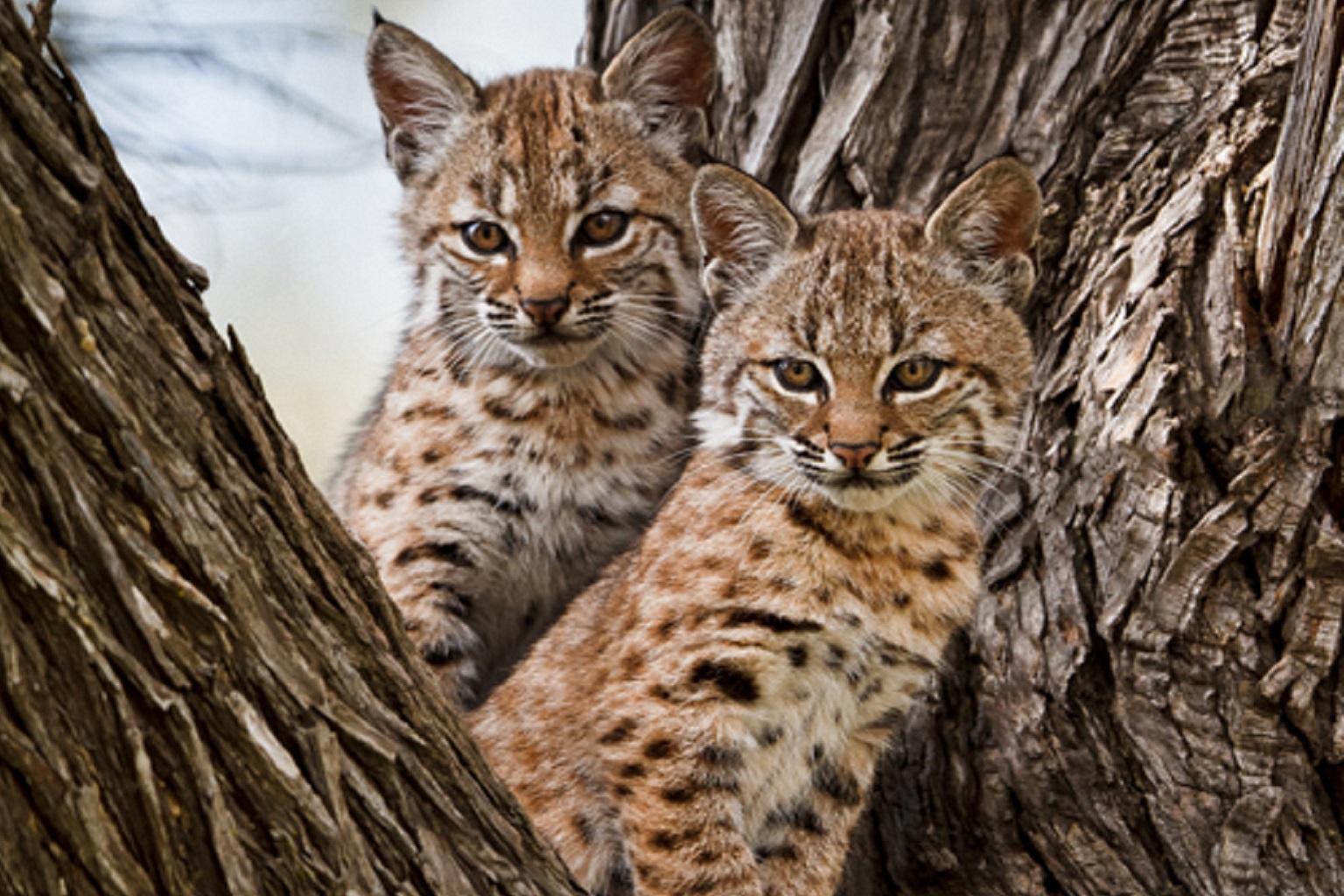
Though few cat species have been studied for rodenticide poisoning, researchers in South Africa tracked widespread exposure in caracals (Caracal caracal) living in and around Cape Town, a study they published in the journal Science of the Total Environment.
“There is very high exposure to a lot of these kinds of compounds in caracals, but also in other predators around Cape Town as well,” said Gabrielle Leighton, coordinator of the Urban Caracal Project and a post-doctoral fellow at the University of Cape Town. She noted that it’s an ongoing threat. “We have data from 2015 to 2025, and it doesn’t seem like the concentrations have really gone down.”
Like Kiawah’s bobcats, Cape Town’s caracals are exposed to different poisons, with up to six different rodenticides found in a single cat’s liver.
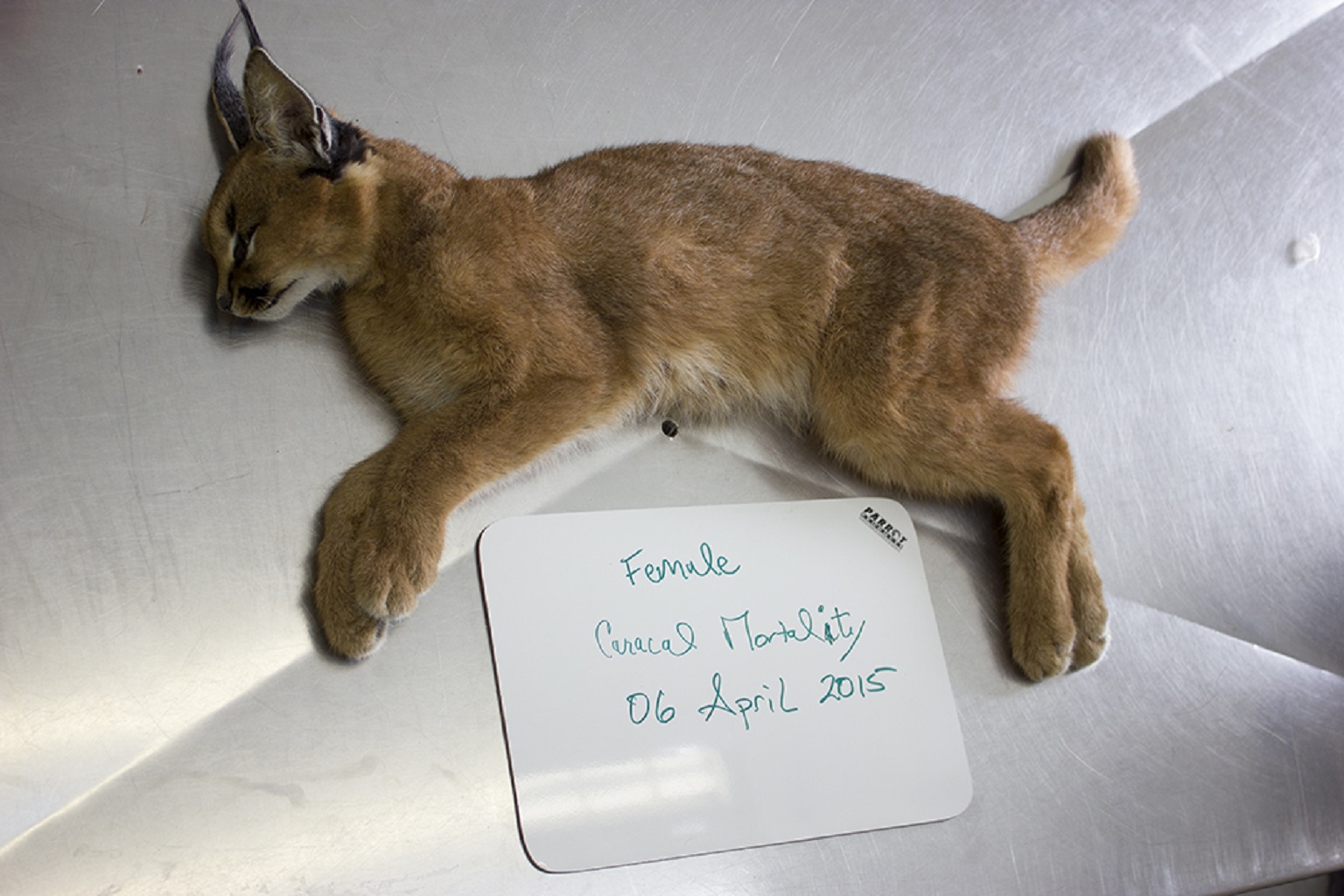
Compared to other species, wild cats are considered more resilient to the effects of these toxins, but they still can prove fatal, and they may suffer for a week before succumbing to internal bleeding. Leighton’s team found internal bleeding in cats brought in for autopsy.
“We don’t really know exactly what the population impacts [of rodenticides] are,” Leighton said. However, they pose an additional threat to a population already facing threats from roadkill; fragmented, shrinking habitat; and genetic isolation. “It’s just one of many threats in this urban area that needs to be addressed.”
Uncertain effects
Other evidence is troubling: Researchers have found rodenticides in fetal caracals.
“Exposure is happening before they’re born, and it’s probably happening for the entirety of their life,” said Laurel Serieys, founder of the Urban Caracal Project and a professor at Ohio State University in the U.S.
Roads remain the greatest cause of death among Cape Town’s urban caracal population. But Leighton suspects poisons could be having an effect there, too.
“Maybe those [chemicals] interact to make the animal a little bit slower or more disoriented and then more likely to get hit by a car,” she said.
Yet the long-term and low-dosel effects of consuming multiple different chemical compounds remains poorly understood in cats and other species.
“We don’t actually know at what level a poison becomes a problem in terms of sub-lethal effects or lethal effects,” Leighton said.
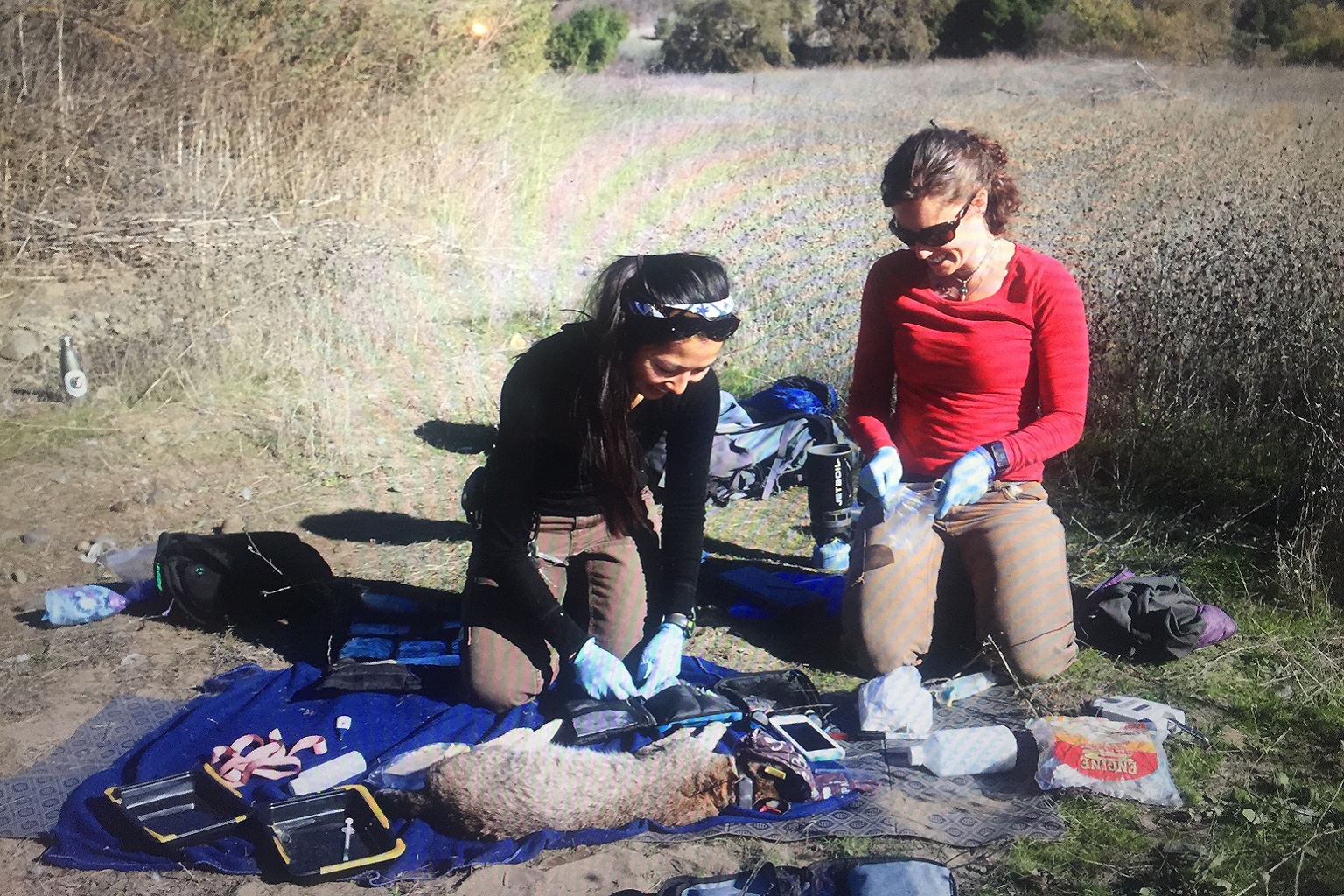
For more than a decade, Serieys has investigated the effects of rodenticides in bobcats. She discovered widespread exposure and revealed a concerning link between notoedric mange — and rodenticides. Mange is a relatively common condition caused by a parasitic mite that in the past, rarely killed bobcats, as their immune systems were able to suppress infection. But low-level, chronic exposure to rodenticide poisons seems to impair immune function, according to Serieys.
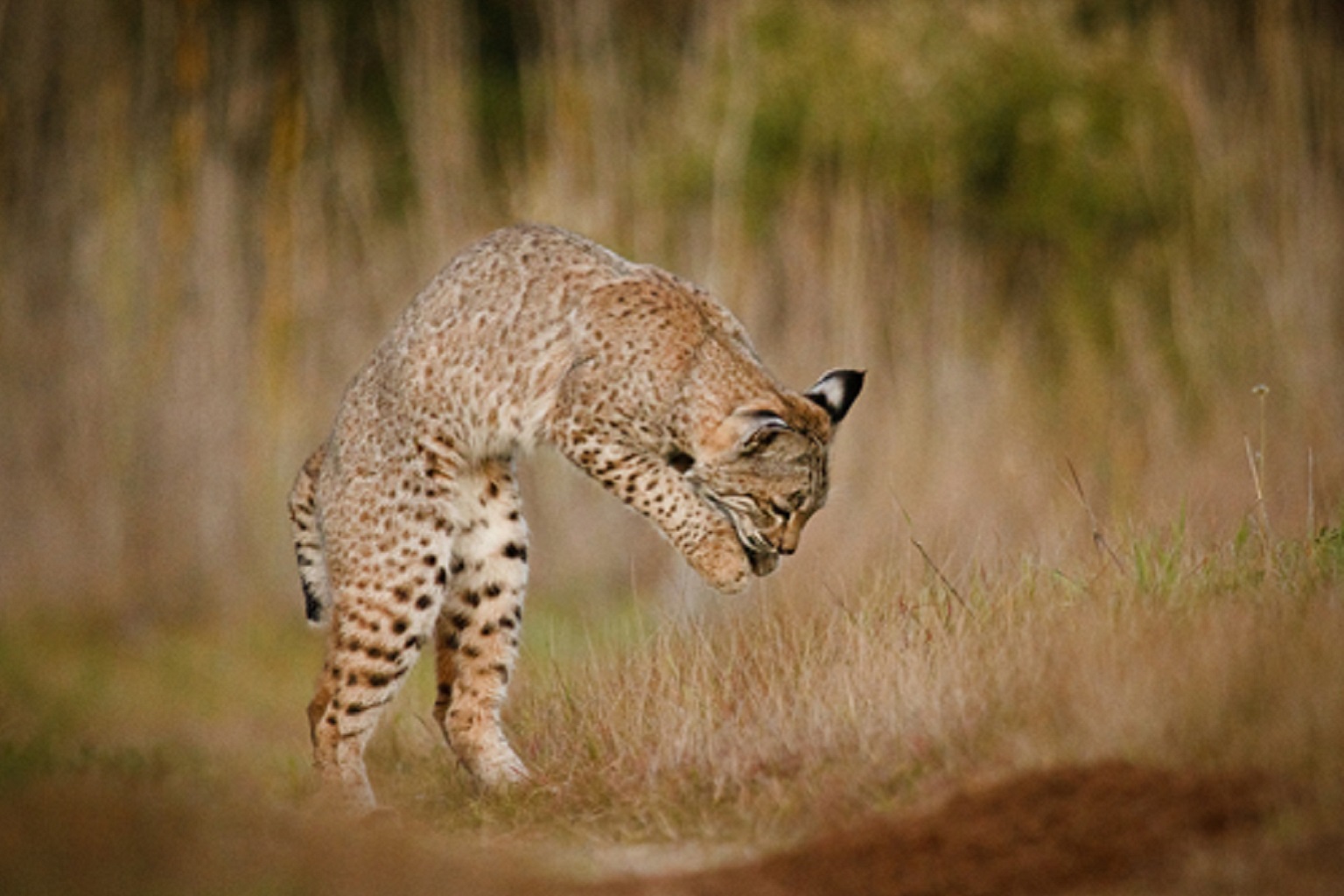
Her research found that bobcats exposed to at least two compounds were more than seven times more likely to die of mange than any other cause, she said.
“Not only did we find effects on the immune system, but we also found that it impacted the ability of wound healing in bobcats that were exposed to anticoagulants,” she said. “If it is causing altered immune function in other species, that could have some downstream consequences for them if they’re exposed to other pathogens.”
Even with many open questions, what is clear is that wildlife species are encountering these toxins, even in remote areas. A study in Washington state’s Olympic Peninsula in the U.S., for example, found low but widespread rodenticide exposure in liver samples taken from dead mountain lions (Puma concolor) and bobcats.
“Even in areas where you wouldn’t expect exposure, you can find it,” Serieys said.
The long reach of rodenticides
It’s not only wild cats that are imperiled: A host of other species are exposed to these potentially lethal rodenticides.
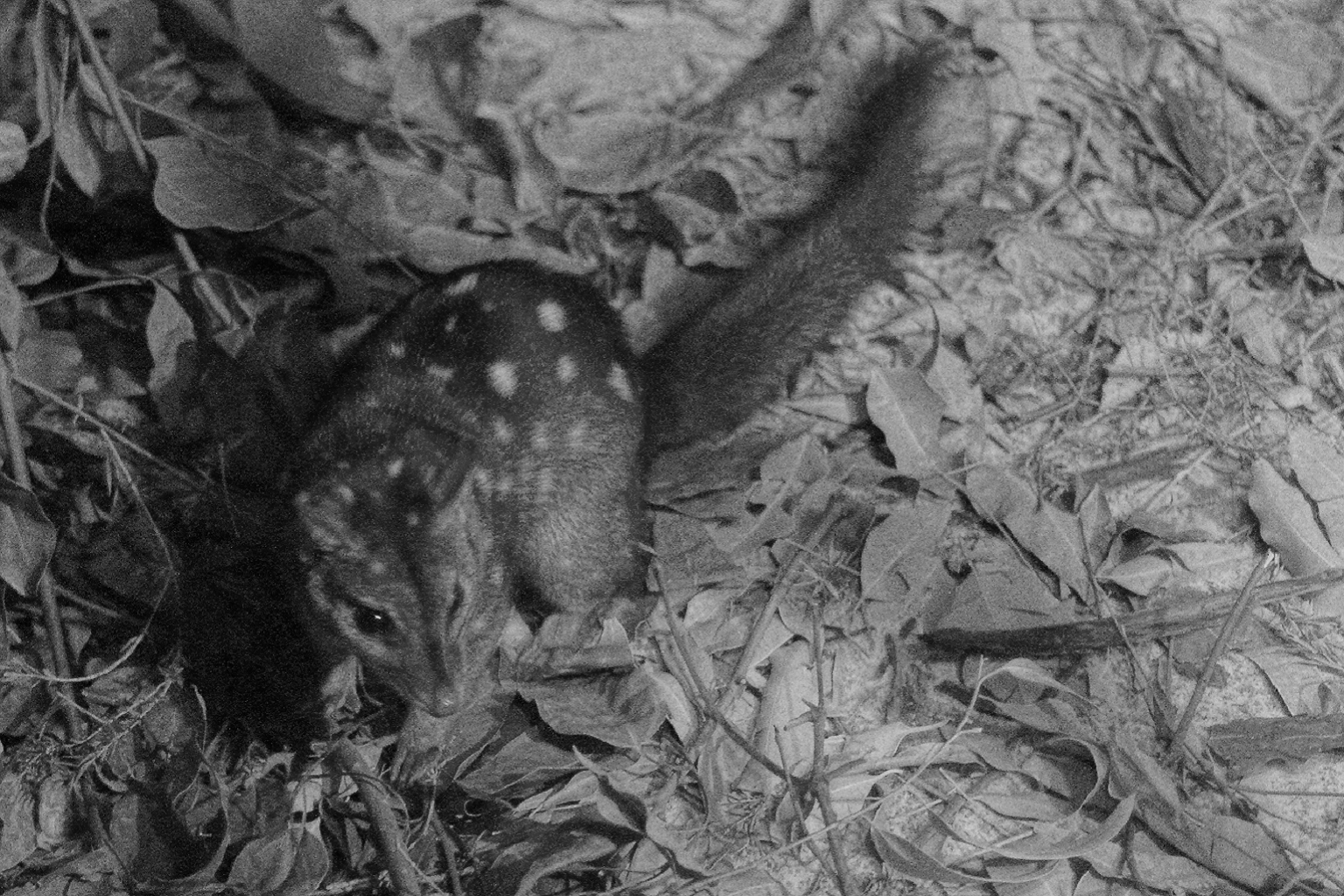
Last year, Rob Davis, an associate professor of conservation biology at Australia’s Edith Cowan University, and his team published what he describes as a world-first finding. They showed widespread rodenticide exposure in native marsupial carnivores in Australia, including endangered species such as the western quoll (Dasyurus geoffroii), which alarmed him.
“These products have now been detected in most parts of the food web from slugs, snails and cockroaches through to frogs, raptors, reptiles and mammalian carnivores,” he wrote in an email to Mongabay. “The more we have looked in our research, the more we have found.”
Though cats appear to be more resilient than some species to rodenticides’ effects, others, such as canids, are particularly vulnerable, including wolves in Europe. Birds of prey are at high risk, too, as they hunt mice, voles and other small rodents, with ongoing, frequent exposure. In a 2021 study, researchers described rodenticides as an “ongoing global conservation concern” for raptor species.
A 2024 review paper, led by Clemson University’s Keating, highlighted the dearth of research on rodenticide poisoning and limited geographic scope of those studies. It noted that most of that work focused on North America and Europe, with little work in Latin America, Africa and Asia.
Amid a host of threats facing wild cats and other species, Keating said that rodenticide exposure is important to address. “One of the things we are trying to get at is these [rodenticides] are widely available,” she said. “Even if it just seems like a small part of conservation, it can potentially lead to local extinctions, extirpating species from areas where they would normally exist.”
Beyond poisons
In a move announced In March 2026, Australia restricted sales of second-generation rodenticides, following the lead of countries including Canada, the U.S. and the U.K.
That’s a positive move, according to Davis whose research was pivotal in this recent decision. However, it’s unlikely to fully resolve the issue, he said. “Commercial use is still likely to be widespread, though, and until we move away from this class of products entirely, we will continue to see problems. Strong regulation remains key,” he said.
There’s also been action on Kiawah Island. Local communities mobilized in response to published research on the bobcats’ plight. They launched a Bobcat Guardian program, which includes a pledge to avoid using anticoagulant rodenticides. In 2025, South Carolina restricted access to second-generation rodenticides.
“That doesn’t remove them from the landscape, and it also doesn’t remove those first-generation compounds,” Keating said. “But I think it’s a step in the right direction in trying to make sure these are only getting used when they need to be used.”
Serieys emphasized that legislation and education are vital, as well as alternative solutions such as “integrative pest management.” That can include steps to address the underlying cause of rodent infestation as well as using non-chemical methods to deal with pests, such as mechanical or electrical traps.
She also highlighted the need for more research on rodenticide exposure in small cat species across the globe. They can serve as indicator species.
“There could be other species in the ecosystem that are super vulnerable to the effects of anticoagulants, and it could be causing population declines in those other species,” Serieys said.
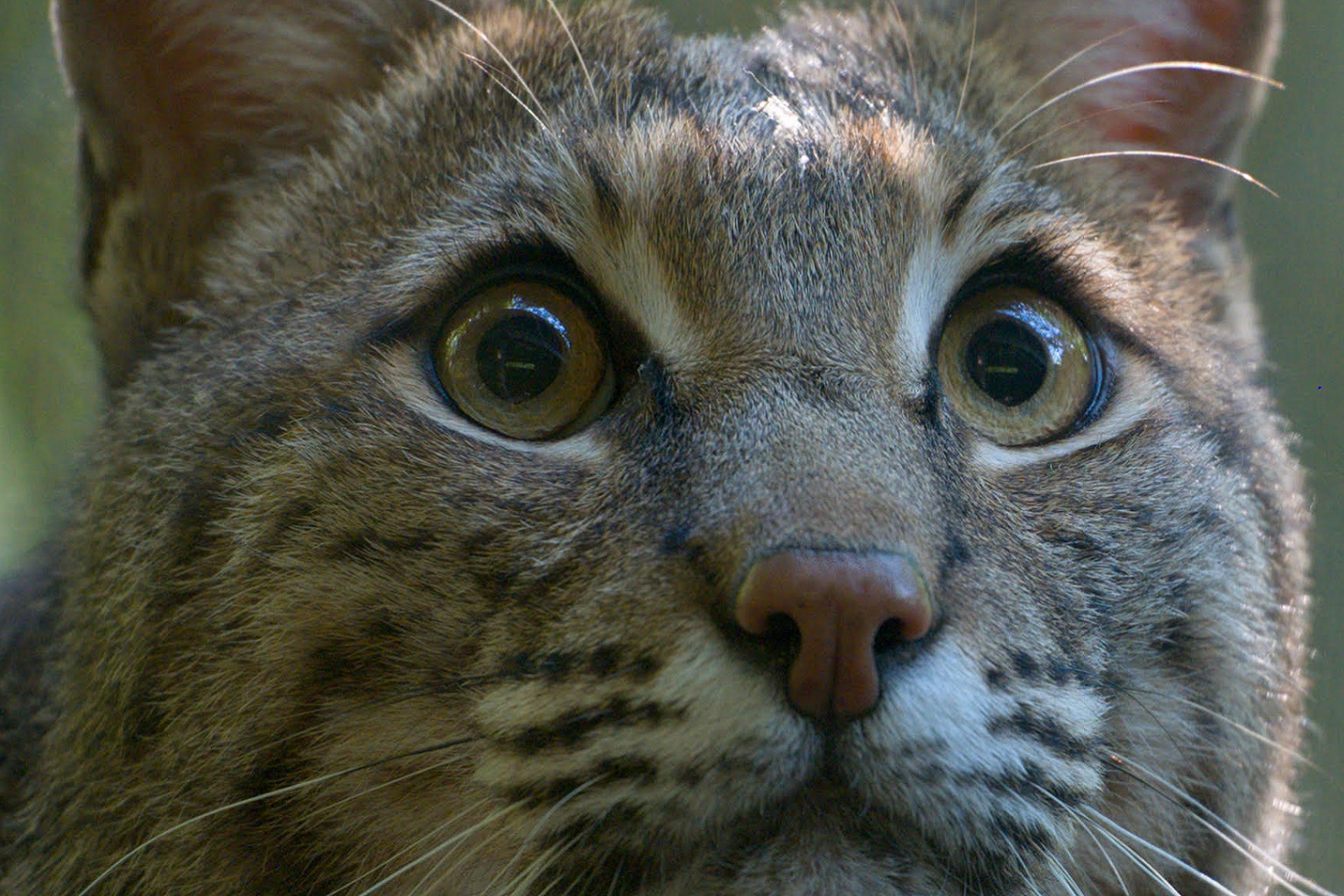
Banner image: While caracals are classified as species of least concern overall, some populations are shrinking rapidly, with some local extinctions. Rodenticides have joined habitat loss, hunting, conflict with humans as a threat to their survival. Image by Anya Adendorff.
More to explore:
Study assesses wildlife exposure to rat poison on oil palm plantations
Citations:
Keating, M. P., Bodinof Jachowski, C. M., Diefenbach, D. R., Jordan, J. D., Nemeth, N. M., Rainwater, T. R., … Jachowski, D. S. (2026). Anticoagulant rodenticides contribute to a decline in an urban carnivore. Animal Conservation. doi:10.1111/acv.70061
Serieys, L. E., Bishop, J., Okes, N., Broadfield, J., Winterton, D. J., Poppenga, R. H., … O’Riain, M. J. (2019). Widespread anticoagulant poison exposure in predators in a rapidly growing South African city. Science of The Total Environment, 666, 581-590. doi:10.1016/j.scitotenv.2019.02.122
Serieys, L. E., Armenta, T. C., Moriarty, J. G., Boydston, E. E., Lyren, L. M., Poppenga, R. H., … Riley, S. P. (2015). Anticoagulant rodenticides in urban bobcats: Exposure, risk factors and potential effects based on a 16-year study. Ecotoxicology, 24(4), 844-862. doi:10.1007/s10646-015-1429-5
Serieys, L., Lea, A., Epeldegui, M., Foley, J., Moriarty, J., Riley, S., … Wayne, R. K. (2018). Widespread anticoagulant poison exposure is linked with immune dysregulation and severe Notoedric mange in urban bobcats. Proceedings of the Vertebrate Pest Conference, 28. doi:10.5070/v42811047
Keating, M. P., Saldo, E. A., Frair, J. L., Cunningham, S. A., Mateo, R., & Jachowski, D. S. (2024). Global review of anticoagulant rodenticide exposure in wild mammalian carnivores. Animal Conservation, 27(5), 585-599. doi:10.1111/acv.12947
Lohr, M. T., Lohr, C. A., Dunlop, J., Snape, M., Pulsford, S., Webb, E., & Davis, R. A. (2025). Widespread detection of second-generation anticoagulant rodenticides in Australian native marsupial carnivores. Science of The Total Environment, 967, 178832. doi:10.1016/j.scitotenv.2025.178832
FEEDBACK: Use this form to send a message to the author or editor of this post. If you’d like to post a public comment, you can do so at the bottom of the page.
Credits