- A new study analyzed thousands of shoreline litter surveys and other data from more than 100 countries to produce the first global index of macroplastic pollution by type.
- The study found food and beverage plastics were the most common litter type for 93% of countries surveyed, followed by plastic bags and cigarettes; the pattern was consistent across countries, regardless of waste management infrastructure.
- Plastic pollution harms marine life and disrupts ecological services provided by coastal ecosystems like mangroves, coral reefs and seagrass.
- Researchers call for reducing production, warning that waste management alone will not solve the global plastic pollution problem.
Food packaging ranks among the top plastic pollutants littering the world’s coastlines, a new study confirms.
The study, published May 20 in the journal One Earth, analyzed data from 112 nations, including 5,300 shoreline litter surveys, to produce the first global index of macroplastic pollution by usage type. Based on 355 peer-reviewed studies, it found that food and beverage plastics were the most common litter type for 93% of the countries surveyed.
Within that category, food packaging, caps and lids, and plastic bottles were the most consistently found items, appearing as the top three across more than half of surveyed countries. This included the world’s five most populous countries: China, India, the United States, Indonesia and Pakistan. Plastic bags and cigarettes followed as the next most prevalent categories.
The study’s lead author, Max Richard Kelly of the University of Plymouth in the U.K, said he was not surprised by the volume of food and beverage plastics on beaches but was struck by similarities in the surveyed countries. “Seeing the exact pattern replicated across the vast majority of nations was a stark reminder of the true scale of crisis we are facing,” he told Mongabay in an email.
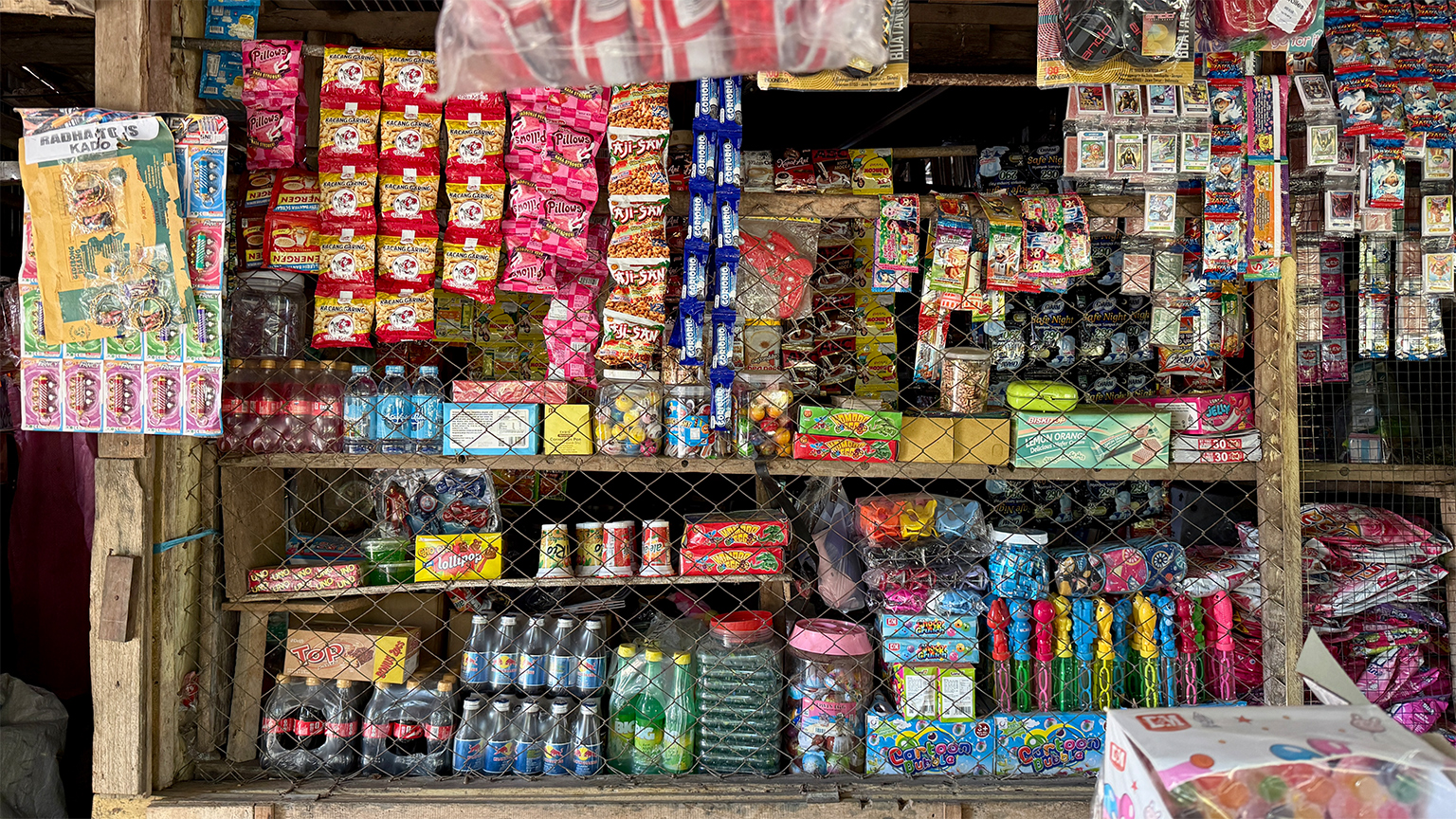
Putting a lid on plastic pollution
The study comes during an uncertain time for global plastics governance. The United Nations global plastics treaty talks have stalled repeatedly over whether the agreement should focus more on waste management and consumption habits, or on reducing plastic production. The new research provides evidence that can guide the industry on where focus is needed to curb plastic pollution, according to Kelly.
“Our data reveals remarkably consistent pollution patterns globally, even across nations with vastly different recycling infrastructures,” Kelly said. “It demonstrates that waste management technologies alone cannot keep pace with sheer production volume. We must cap and reduce the production of avoidable plastics and mandate that essential plastics are designed with end of life from the very beginning.”
Carmen Morales-Caselles, an associate professor at the University of Cádiz in Spain who led a similar global assessment in 2021, agreed. Her team analyzed more than 12 million pieces of marine litter and found take-away consumer products, especially food and beverage plastics, dominated marine litter worldwide.
“What is particularly valuable about this new study is that it demonstrates the same pattern at the national scale,” Morales-Caselles told Mongabay in an email. The study provides “strong independent confirmation that food and beverage plastics are a globally pervasive pollution category,” she added.
While actions like clean-ups, waste management and recycling are important, she said they are not enough to keep up with the growing volume of plastic entering the market. “Reducing unnecessary production, redesigning products and preventing leakage at source are likely to deliver far greater and more lasting benefits for marine ecosystems than relying solely on end-of-pipe solutions,” she said.
Plastic can take hundreds of years to decompose, yet only 9% of the world’s plastic is ever recycled, according to the Organisation for Economic Co-operation and Development’s 2022 report, Global Plastics Outlook. The rest is sent to landfills or leaks into the environment.

How plastics impact marine ecosystems
The effects of plastic pollution extend far beyond dirtying the shorelines. Coastal ecosystems like mangroves, seagrass meadows and coral reefs are particularly vulnerable to accumulating plastics. Plastics disrupt the ecological services these habitats provide and reduce their capacity to serve as major carbon sinks.
Co-author of the new study Muhammad Reza Cordova, a marine scientist at Indonesia’s National Research and Innovation Agency (BRIN), described the effects on some of the ocean’s most important habitats. “When plastic waste accumulates in these habitats, it can physically smother roots, sediments and seagrass leaves, reduce light penetration and alter habitat quality,” he told Mongabay in an email. “In the long term, degraded ecosystems and conditions may reduce the capacity of these habitats to store carbon efficiently and provide shelter and feeding grounds for young marine organisms.”
Mangroves and seagrass meadows are critical nursery grounds for juvenile fish and crustaceans crucial for coastal food security. Reza said plastic pollution is another layer of stress to habitats already strained by coastal development and climate change.
Marine animals pay a more immediate price. Seabirds, sea turtles and marine mammals ingest plastic debris, mistaking it for food. This can lead to internal blockages, choking, starvation and death.
As larger macroplastics break down into microplastics, smaller marine life and fish further down the food chain are also affected. The impacts of the toxic chemicals carried by these particles are still poorly understood when it comes to wildlife, as most research on long-term effects has focused on human health impacts. In 2024, researchers found microplastic fibers in the exhaled breath of wild bottlenose dolphins (Tursiops truncatus), showing that plastic has worked its way into the most basic biological systems of marine mammals.

Finding accessible solutions
Reza said low-income communities around the world are the most reliant on single-use plastics like sachets for reasons of affordability. Instead of banning such items, Reza said a better approach must involve refill and reuse systems, bulk purchasing options and extended producer responsibility frameworks that make manufacturers accountable for the waste they generate.
“The goal should be to create alternatives that remain affordable and accessible,” he said. “Otherwise, policies risk shifting costs to consumers without solving the underlying problem.”
Banner image: Plastic bottles and debris blanket the shoreline in Cap-Haitien, Haiti, on March 10, 2022. Image by AP Photo/Odelyn Joseph.
Plastic household waste burned as fuel on rise in Global South, risking health
Citations:
Kelly, M. R., Cordova, M. R., Jobling, S., Somerfield, P., & Thompson, R. C. (2026). Food and beverage plastics dominate global shorelines: A harmonized rank-based assessment of usage types to guide interventions. One Earth, 101712. doi:10.1016/j.oneear.2026.101712
Morales-Caselles, C., Viejo, J., Martí, E., González-Fernández, D., Pragnell-Raasch, H., González-Gordillo, J. I., … Cózar, A. (2021). An inshore–offshore sorting system revealed from global classification of ocean litter. Nature Sustainability, 4(6), 484-493. doi:10.1038/s41893-021-00720-8
Feedback: Use this form to send a message to the editor of this post. If you want to post a public comment, you can do that at the bottom of the page.
Credits