World Oceans Day is celebrated every June 8 to raise awareness about the conservation of Earth’s oceans. In honor of World Oceans Day 2026, the United Nations is focused on marine protected areas (MPA), and the goal of protecting 30% of the world’s oceans by 2030.
The world collectively reached a third of the goal in April 2026, MPAs now cover 10% of oceans. Another 20% will need to be protected over the next four years to reach the 30% goal.
New Marine Protected Areas
The latest additions of MPAs included 284 marine or coastal protected areas in Indonesia and Thailand. This year, Ghana also declared its first MPA, the Greater Cape Three Points MPA, after more than 15 years of efforts. And in September 2025, Pakistan protected the key biodiversity hotspot of Miani Hor Lagoon, home to dalmatian pelicans (Pelecanus crispus) and great black-headed gulls (Ichthyaetus ichthyaetus).
French Polynesia, a Pacific territory controlled by France, declared the world’s largest MPA in June 2025. It covers the archipelagos’ entire exclusive economic zone; 4.8 million square kilometers (roughly 1.9 million square miles) of ocean gained official protection with overwhelming local support.
Some MPAs allow bottom trawling
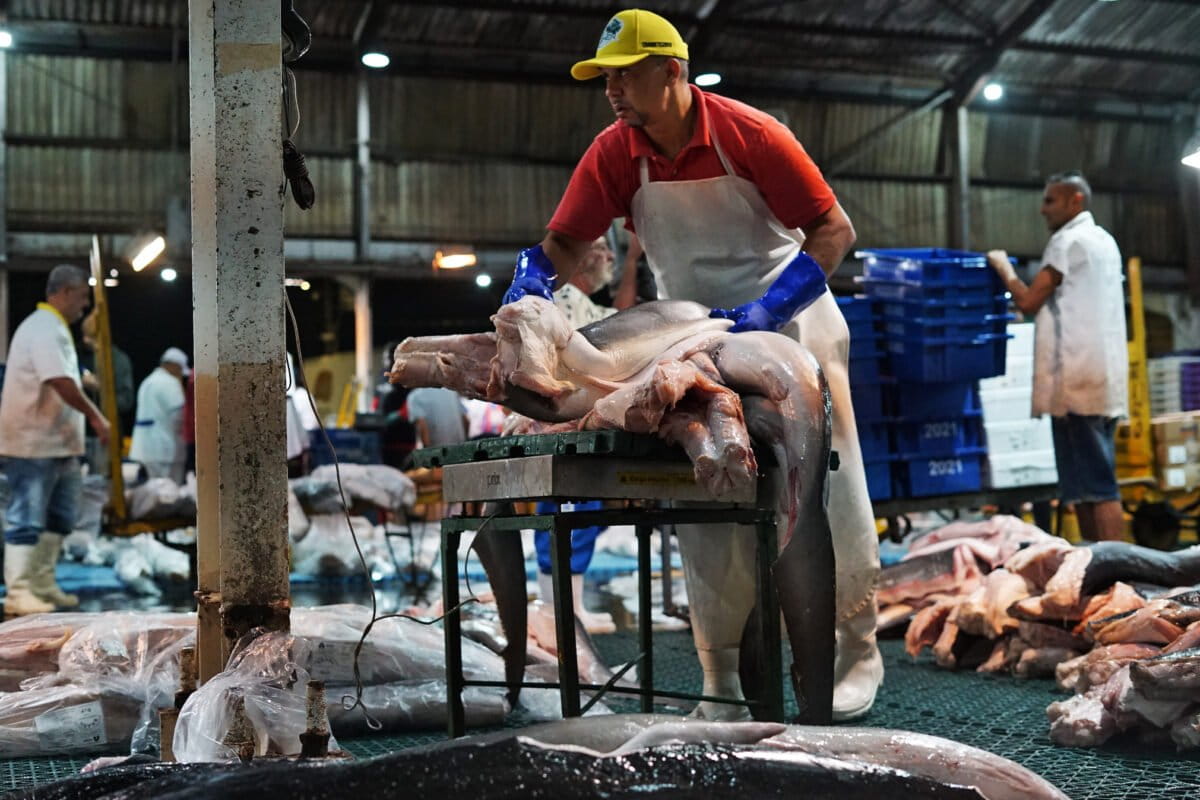
While there has been progress, experts have also highlighted that some MPAs do not have enough protection. Throughout Europe, many MPAs still allow bottom trawling, a damaging fishing practice that drags weighted nets across the seafloor. Though bottom trawling targets just a few commercially viable species, a recent study found such nets collect roughly 3,000 distinct marine organisms, including threatened ones.
A recent win in a Dutch court may curb the practice in the Netherlands. Meanwhile, public pressure is gaining traction in the U.K., where “paper parks,” or MPAs with minimal actual protection, have garnered infamy.
Campaigns for new MPAs
One of the world’s largest new protected areas was put on hold in Chile following an administrative change. On March 10, the outgoing president of Chile expanded two MPAs to include 337,000 square kilometers (130,000 square miles) of mega-biodiverse ocean habitats. They received the highest levels of environmental protection for one day. Then the new president suspended the MPA on his first day in office. The administration says that it’s a routine suspension, but local artisanal fishers have expressed frustration with the delay.
In South Africa, a campaign to protect the Great African Seaforest, the world’s only expanding kelp forests, is taking shape. The underwater forest stretches for around 1,300 kilometers (800 miles) along South Africa’s Atlantic coast but is only partially protected. Campaigners and scientists are now pushing to expand these protections.
Banner image: Jannes Landschoff diving in the Great African Seaforest. Image courtesy of Jannes Landschoff.
Credits