- The Polylepis forests of Peru are some of the highest high-altitude forests in the world, playing an essential role in the water cycle.
- Over the past few decades, various restoration projects have worked to restore Polylepis forests across their former range.
- In 2022, researchers revisited a restoration project in Aquia, Peru, to understand what factors contributed to its success. The study concludes that stakeholder participation and formal conservation agreements helped the project succeed.
- Over the past four years, initiatives by ECOAN and Accion Andina have built on previous success.
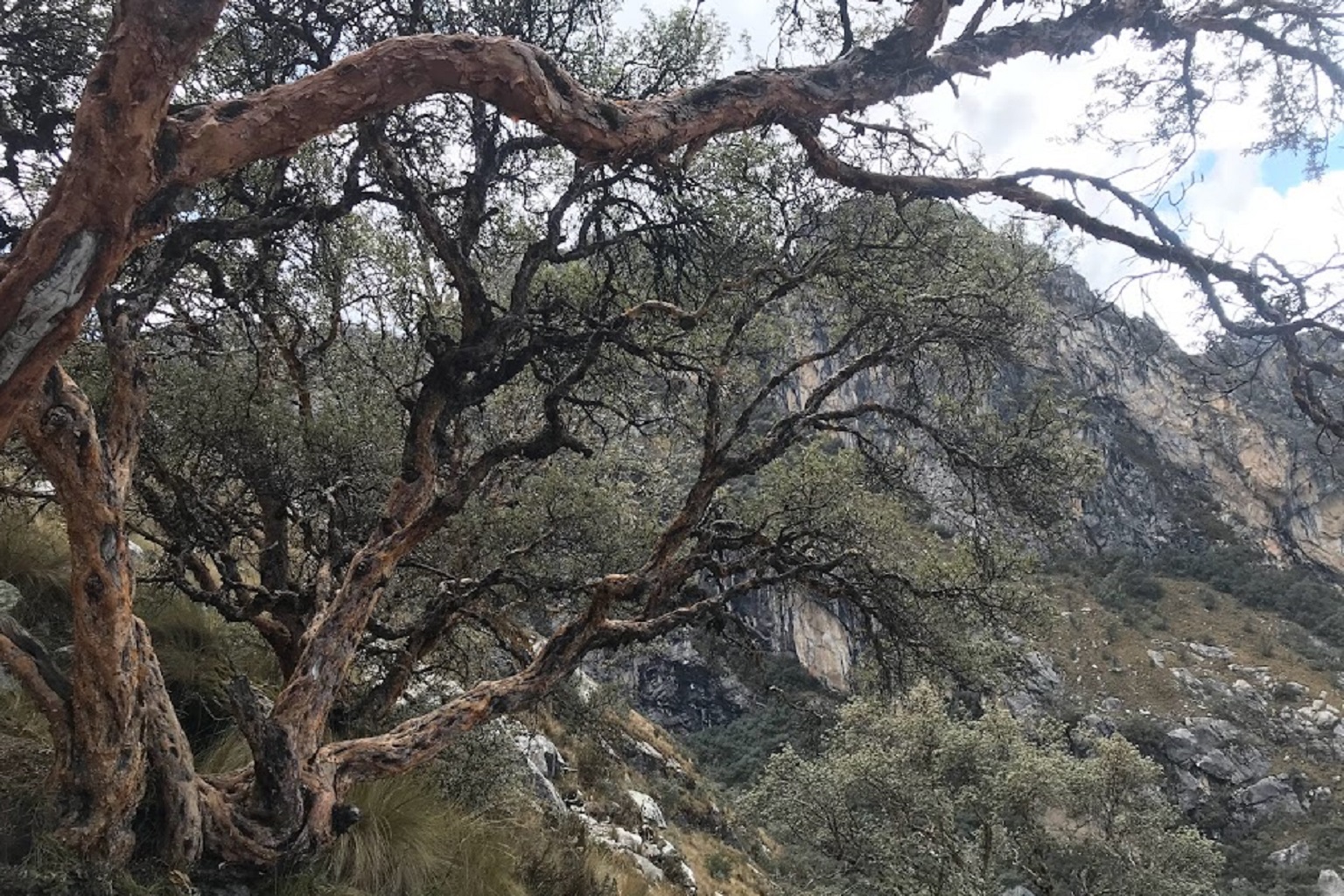
High in the Andes, Polylepis trees, with their stunted gnarled trunks and twisted limbs, cling to steep mountain slopes, boulder fields and sheltered ravines. Growing at altitudes of up to 5,000 meters (about 16,400 feet), they must withstand intense sun, biting wind, nighttime frost and seasonal drought.
“They’re just crazy resilient trees,” says Tina Christmann, lecturer in environmental science at Southampton University in the U.K.
Over centuries, grazing of the high mountain pastures has pushed Polylepis woodlands, called queñual in the local dialect, into only the most inaccessible locations. Researchers estimate they now cover a tiny sliver of their historic range across the Andes, about 2% of historic distribution in Peru and 10% in Bolivia. Yet the woodlands continue to play vital ecological roles. Polylepis trees have a remarkable ability to capture fog on their tiny leaves and channel water into the soil, feeding streams and rivers that travel all the way to the coast. The trees also weaken floods and stabilize mountain soils. Communities use the woodlands for firewood and medicinal herbs.
For decades, various groups have worked to restore Andean forest ecosystems, including the Polylepis woodlands. As part of her Ph.D. research, Christmann wanted to find out why some projects were more successful than others in driving long-term changes, so in 2022, she traveled to Peru and visited numerous reforestation sites.
One project in the mountain community of Acquia stood out, she says. Through speaking with project staff and communities and combing through project reports, she identified factors that made the project so successful, which she described in a recent study in Mountain Research and Development.
“I think Acquia has a lot of lessons,” Christmann says. “De facto, they only restored a fairly small area, 16 hectares [39.5 acres]. … But it just created so much more. It went beyond, because it created a much more general, sustainable mode of managing the mountain landscape.”
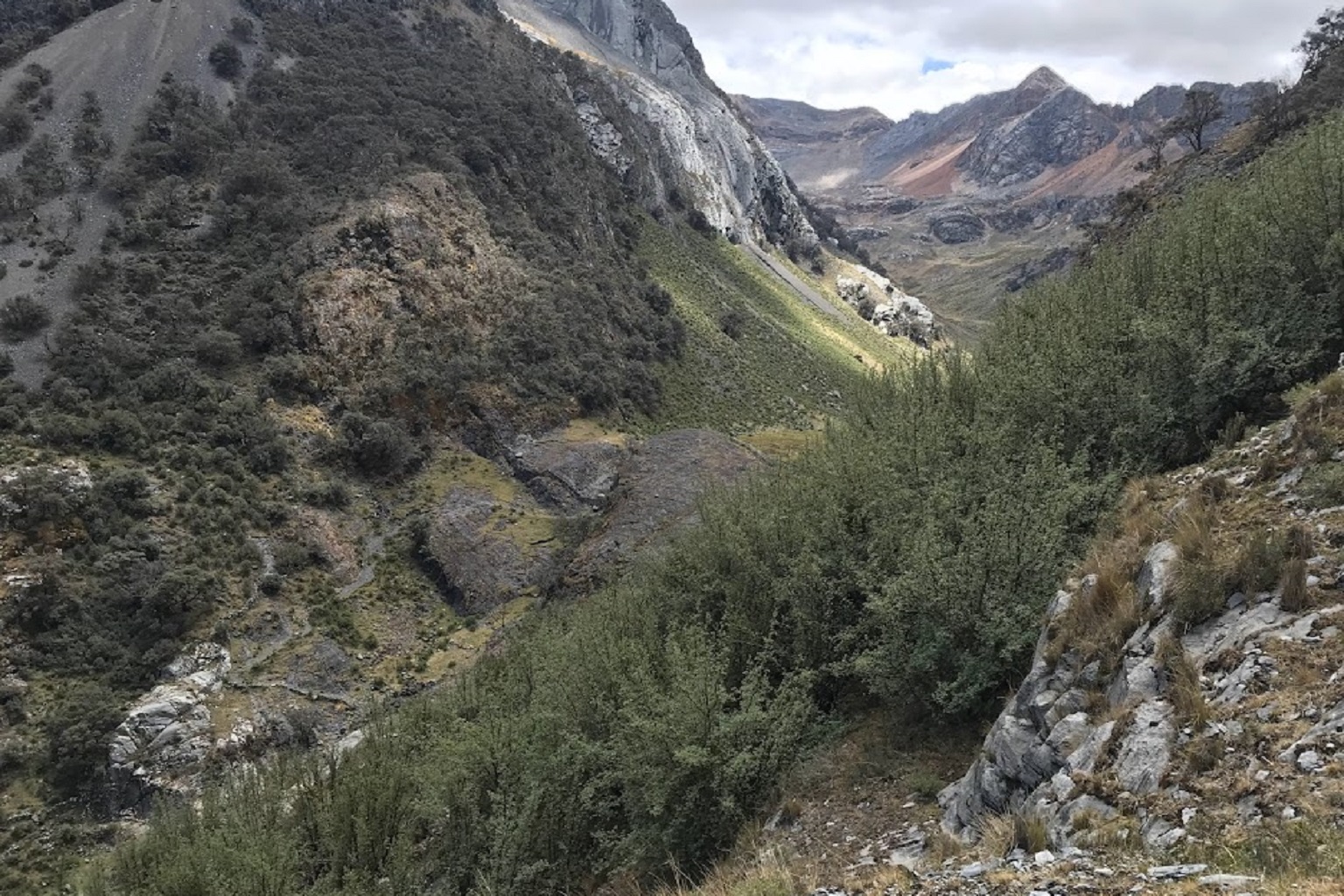
Acquia lies on the southern edge of Huascarán National Park and Biosphere Reserve, along the Cordillera Blanca. The district covers about 50,000 hectares (about 123,500 acres) and includes some of the most extensive Polylepis forests in Peru. About 2,000 people, predominantly Indigenous Quechua, live within the district, while another 3,000 live in the surrounding areas. Many people keep cattle or sheep and grow potatoes and other subsistence crops.

Christmann’s research focused on a five-year reforestation project, led by the Peruvian nonprofit Instituto de Montaña (the Mountain Institute) based in Lima, Peru, which ran from 2005-09. For Jorge Recharte, executive director at the Mountain Institute, Christmann’s research offered a rare chance to look back on the project nearly 15 years later and reflect.
“To go back to a project that was over so many years ago and then see what happened, for us, it was also quite an interesting experience,” says Recharte, who is a co-author on the 2025 paper.
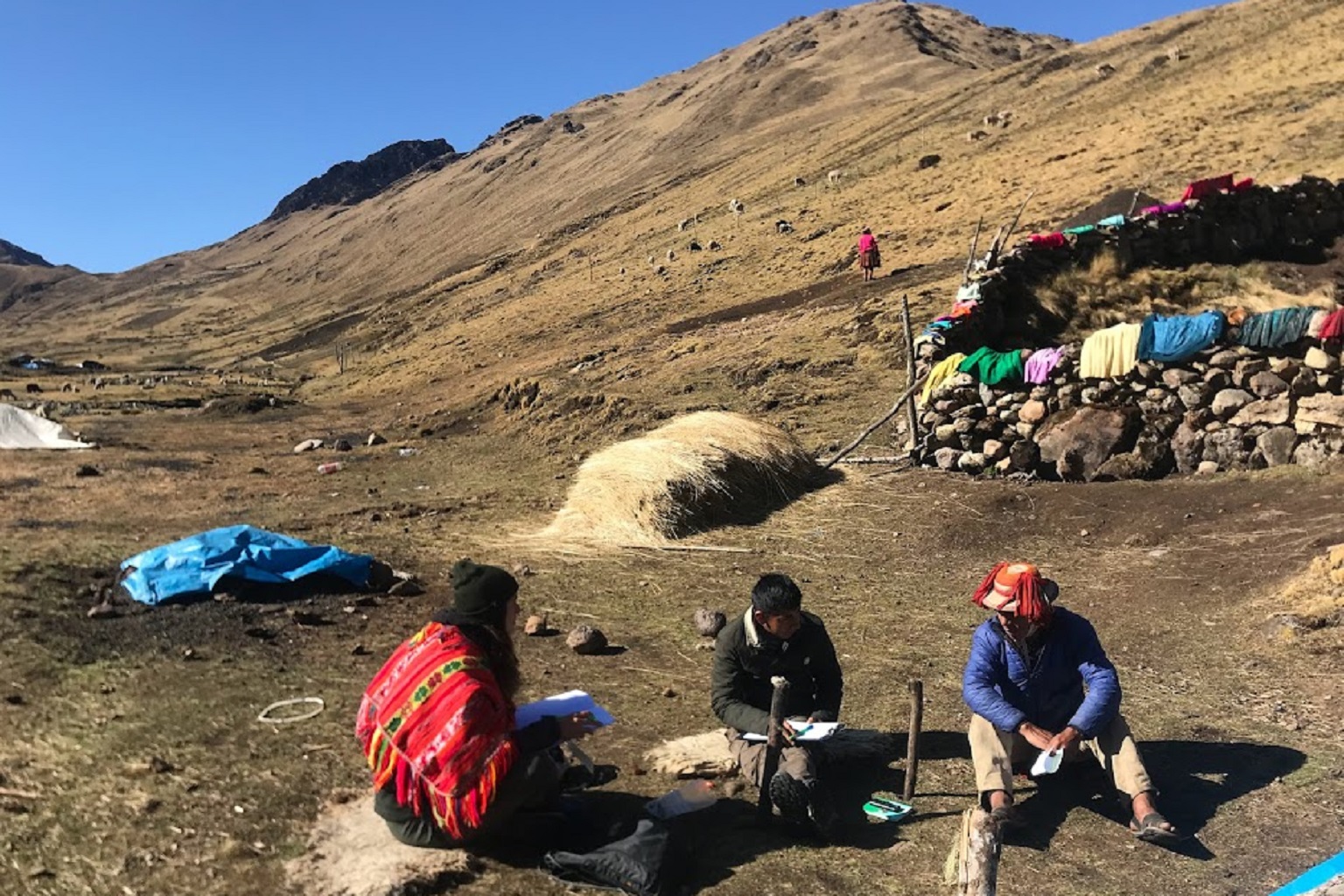
Christmann says one aspect of the project that really stood out was the amount of time the Mountain Institute invested in really listening to the community.
“The NGOs and project managers didn’t go there with a preconceived idea of what they wanted to do. They went to try and figure out what was happening,” Christmann says.
When working in remote communities like Acquia, the Mountain Institute likes to look at what Recharte calls “hidden assets” to see how these can be used to support conservation and address communities’ existing concerns.
The Polylepis woodlands are vital for biodiversity, especially birds, such as the near threatened giant conebill (Conirostrum binghami). The woodlands also have an important function in regional water catchment.
But there was also a more local connection. People in the Andes already understood that small streams and springs originate in the existing patches of forest, Recharte says. Now, with climate change, “the springs that people used to tap for water, for drinking or for whatever, are drying up. … So, there is this concern,” Recharte says.
That concern spurred interest in restoring the Polylepis forests, with the idea that it would help water security.
“It’s called siembra y cosecha de agua,” Christmann says, “and it essentially means, ‘By sowing a tree, you’re harvesting water later on.’”
Through consultation, the Mountain Institute also realized that grazing was inhibiting forest regeneration. They began working with a group of farmers, who held traditional grazing rights adjacent to the existing patches of Polylepis woodlands, to try to come up with some concrete solutions.
“In talking to them, because [the project] was co design, they said, ‘We can retire the animals and do the reforestation, but we need to do something with these animals,” Recharte says.
Together, the farmers and the Mountain Institute staff came up with a plan. The farmers would stop their livestock from grazing near the Polylepis woodlands, refrain from burning and reforest degraded areas. In exchange, the Mountain Institute would invest funds to boost livestock production.
The first step was to improve degraded pastures in alternative areas, away from the Polylepis forests, by planting native grasses and legumes to fix nitrogen in the soil. With improved pastures, the farmers decided to bring in improved breeds. That helped boost milk production, allowing the farmers to earn extra money by selling cheese, a product the Acquia district was already known for.
These responsibilities and obligations were formally laid out through signed conservation agreements between the farmers and the Mountain Institute.
These types of conservation agreements, where communities receive benefits for making commitments to conservation, are becoming increasingly common. They are most effective when benefits address both conservation and community needs, Recharte says.
In the case of Acquia, the problems (lack of forest regeneration due to overgrazing and unproductive livestock) and the solutions (moving livestock to alternative, more productive pastures) went hand in hand, improving people’s lives while solving the ecological problem.
“You double, triple [production], and then people make the connection immediately,” Recharte says.
The farmers were also interested in maintaining the restored forests because they were proud of the trees they planted, Recharte says.
To plant the trees, the farmers and the nonprofit had to overcome technical challenges. With the restoration sites at altitudes ranging from 4,000-4,500 m (13,000-16,400 ft) above sea level, cultivating saplings in village nurseries wasn’t practical, Christmann says.
“It’s pretty hard to walk up 1,000 m (3,280 ft), even with horses, with a lot of seedlings in your backpack,” Christmann says.
Instead, the communities propagated P. weberbaueri, a locally endangered species, using a technique called aerial layering. First, incisions were made on the branches of healthy P. weberbaueri trees, within existing woodlands. Next, bags of soil were packed around the cuts to promote root development. When the roots were sufficiently developed, the branch was cut and transplanted in the restoration site.
They also planted P. incana, a more common species, but one that can’t be propagated using aerial layering. Instead, the farmers cut stakes from living trees and propagated them inside nurseries. Once mature, the seedlings were planted as bare root saplings, which were easier to transport than potted plants.
The Mountain Institute also carried out an extensive education program that included everything from drawing contests to field trips, and when Christmann spoke to young adults years later, the impact was evident.
“They could still remember all those interventions. … It instilled a desire to maintain the mountain landscape,” Christmann says.
Years later, as the Polylepis forests came back, people also saw the connection with water.
“Looking back, that’s the one thing that people sort of highlight when they say, ‘Well, this is wonderful that we did it. We’re taking care of the forest that we planted, because we realized that there is a connection to water,’” Recharte says.
Building on the success of the Mountain Institute project, in 2021, ECOAN, a Peruvian nonprofit, began working with communities to catalyze a new round of tree planting. ECOAN, through their Accion Andina initiative, hopes to restore 1 million hectares (2.5 million acres) of native Andean forests by 2045.

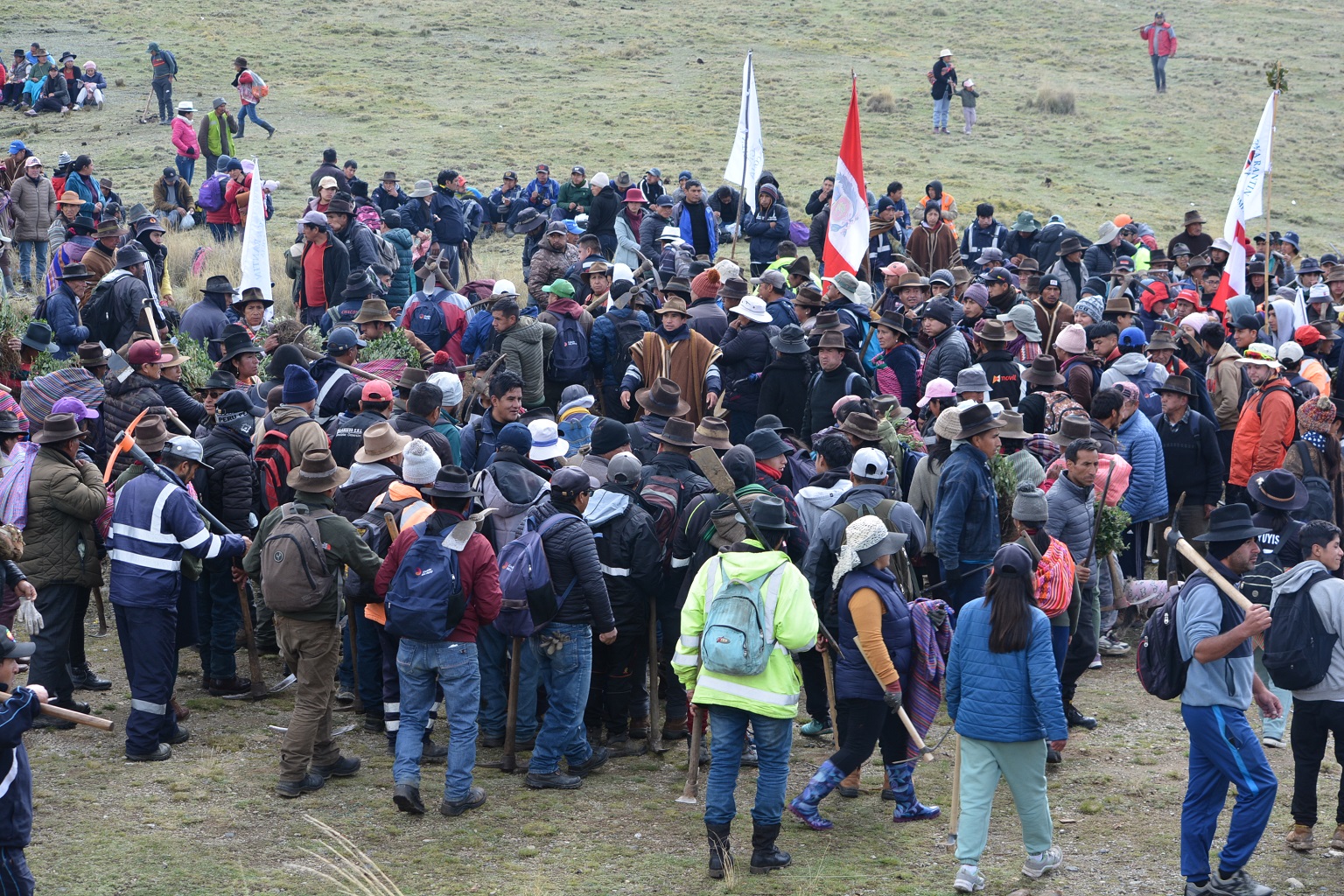
As of 2024, they have restored 275 hectares (about 680 acres) of Polylepis woodlands in Acquia district alone, with more than 650,000 trees planted, according to the Accion Andina website. That includes 150,000 trees planted by communities in a single day in 2024, says Accion Andina co-founder Constantino Aucca Chutas. Chutas says the community-led approach taps into the Inca custom of mink’a, or communal work, and builds upon a sense of pride among the Quechua communities across the Andes.
“They want to be part of the solution,” Aucca says, adding that ongoing success is going to need medium- and long-term commitment from donors.
Banner image: The giant conebird in Peru is found in Polylepis forests. Image by Thibaud Aronson via iNaturalist (CC BY-SA 4.0).
Citation:
Christmann, T., Aranda, M. L., & Recharte, J. (2025). Restoration of andean forests using a Socioecological approach: Case study from the Aquia mountain community in Peru. Mountain Research and Development, 45(1). doi:10.1659/mrd.2024.00017
Credits