- The death of Craig, a widely known super tusker from Amboseli, drew attention not just because of his fame, but because he lived long enough to die of natural causes in a period when elephants with tusks like his are rarely spared.
- Craig’s life reflected decades of sustained protection in Kenya, where anti-poaching efforts and community stewardship have allowed some elephant populations to stabilize or grow after catastrophic losses in the late 20th century.
- His passing is also a reminder of what has been lost: Africa’s elephant population fell from about 1.3 million in 1979 to roughly 400,000 today, with forest elephants in particular still in steep decline.
- There are signs of cautious progress, including slowing demand for ivory and stronger legal protections, but continued habitat loss means that survival, even for the most protected elephants, remains uncertain.
The death of a well-known wild animal is an odd kind of news. It is intimate, because so many people feel they have met the creature through photographs and video. It is also impersonal, because the animal has no public life beyond what humans project onto it. For elephants, that tension is sharpened by history. Their bodies have been turned into luxury goods, their habitats into development sites, and their survival into a test of whether conservation can work at scale.
That is why today’s news from Kenya traveled quickly. Craig, the Amboseli bull famous for tusks that nearly brushed the ground, died at the age of 54. Conservation groups and wildlife authorities said he died of natural causes after showing signs of distress overnight, with rangers staying close by. His final hours seemed to reflect age, not violence: intermittent collapsing, short attempts to stand and move, and evidence that he was no longer chewing properly as his last molars wore down. For an elephant, teeth often write the closing chapter.
Craig was not obscure. He was, by most accounts, one of the most photographed elephants in Africa, and perhaps the best-known “super tusker” alive—one of the rare bulls whose tusks weigh more than 45 kilograms each. He was also known for temperament: calm around vehicles, patient in the presence of cameras, and unusually tolerant of the attention that followed him. That quality, as much as the ivory he carried, helped make him a symbol of what protection can look like when it is consistent enough to last decades.
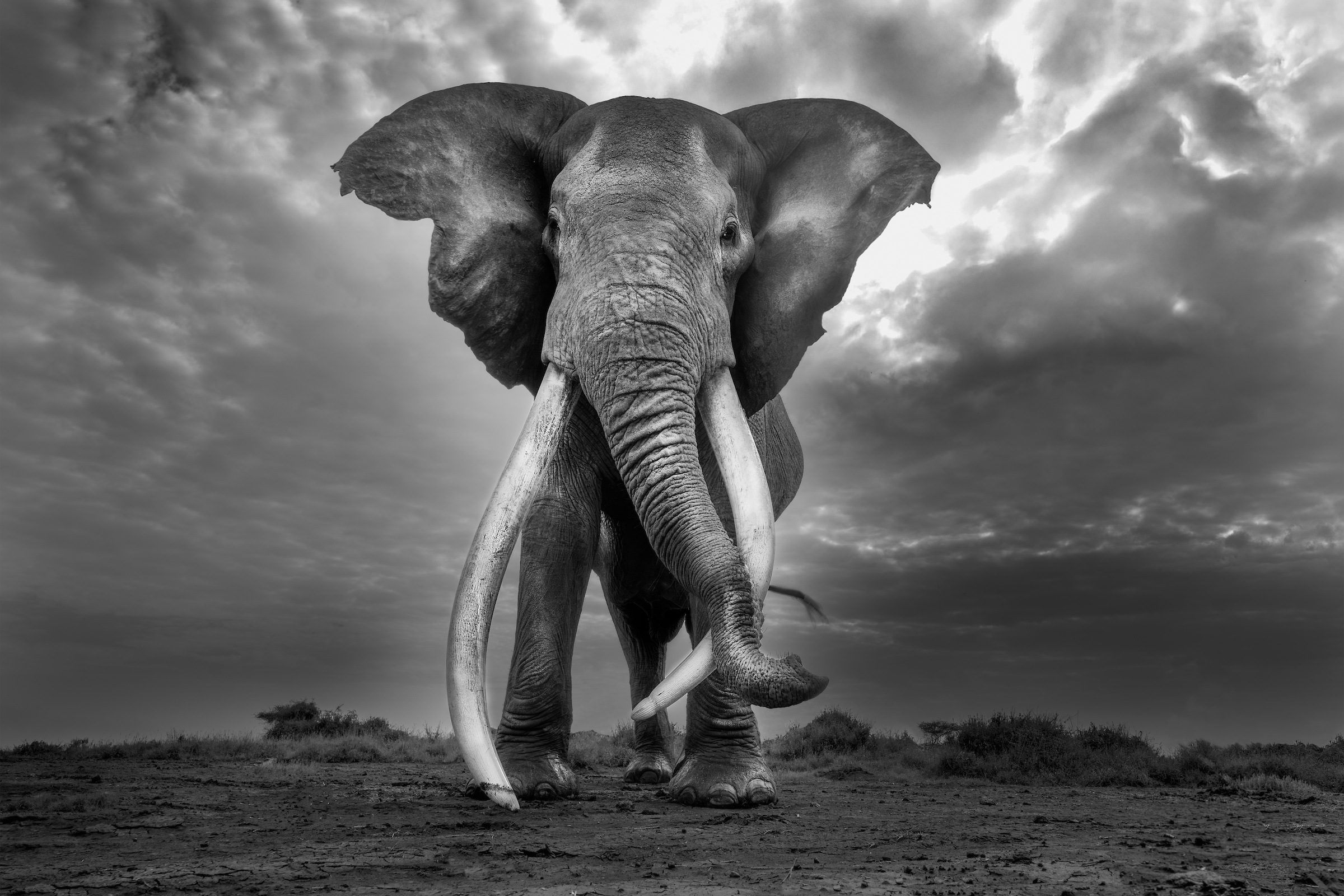
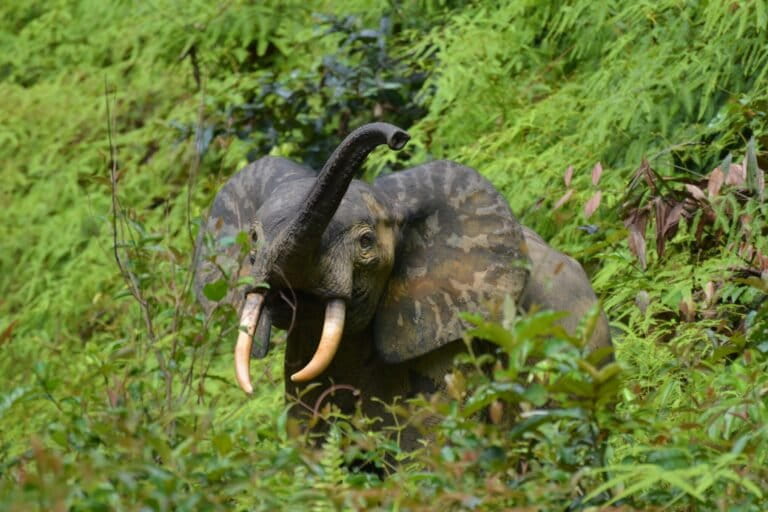
That Craig died of natural causes is not a small detail. It is, by modern standards, an achievement. Elephants with tusks like his have been selected against by poachers for half a century. In parts of Africa, big-tusk genetics have been edited out with bullets. The continental population collapsed from about 1.3 million in 1979 to roughly 600,000 by 1989. Today it is often put at around 400,000–415,000—a number that reflects both local recoveries and vast, unresolved losses. Forest elephants remain in particularly grim shape, hollowed out across Central Africa.
Kenya offers a cautiously better line on the graph. Official figures cited by the government put its elephant population at 42,072 in 2025, up from 36,280 in 2021. Craig became a mascot of that progress, even acquiring a corporate afterlife when a brewery adopted him as an ambassador for Tusker beer.
Yet the terms of survival are changing. Much of Amboseli’s elephant range now sits among farms, roads, fences, and fast-growing settlements. Corridors narrow. Water becomes negotiated. Habitat loss is a quieter enemy than ivory, but it is relentless.
There is, still, a reason that Craig’s passing has landed as more than wildlife news. Demand for ivory appears to be slowing compared with its worst years, enforcement has improved in key places, and elephants have become a high-profile conservation priority across much of their range. That does not bring back what was lost. It does suggest that some of the remaining giants may, like Craig, be granted the simple dignity of dying old.
Credits