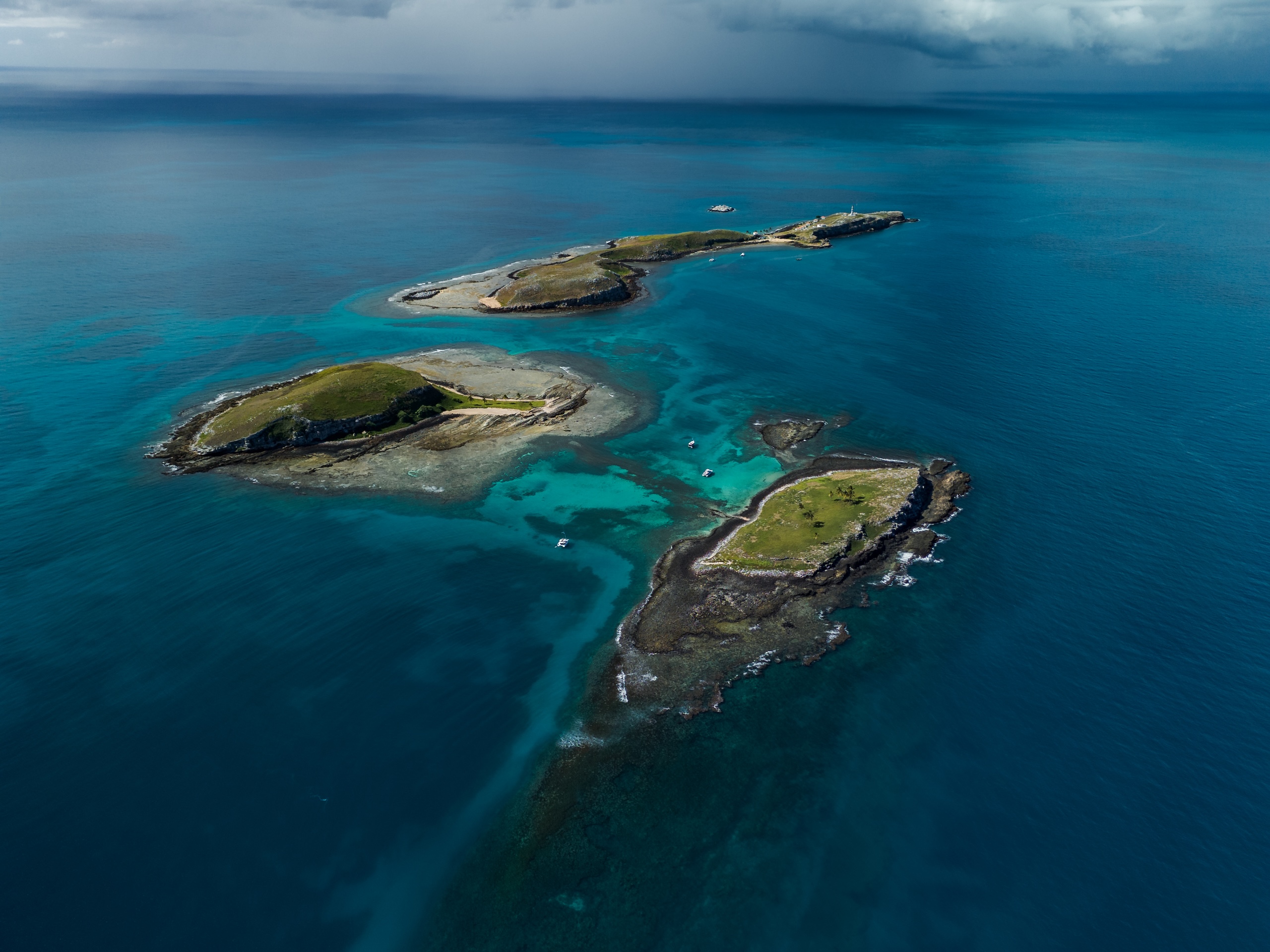
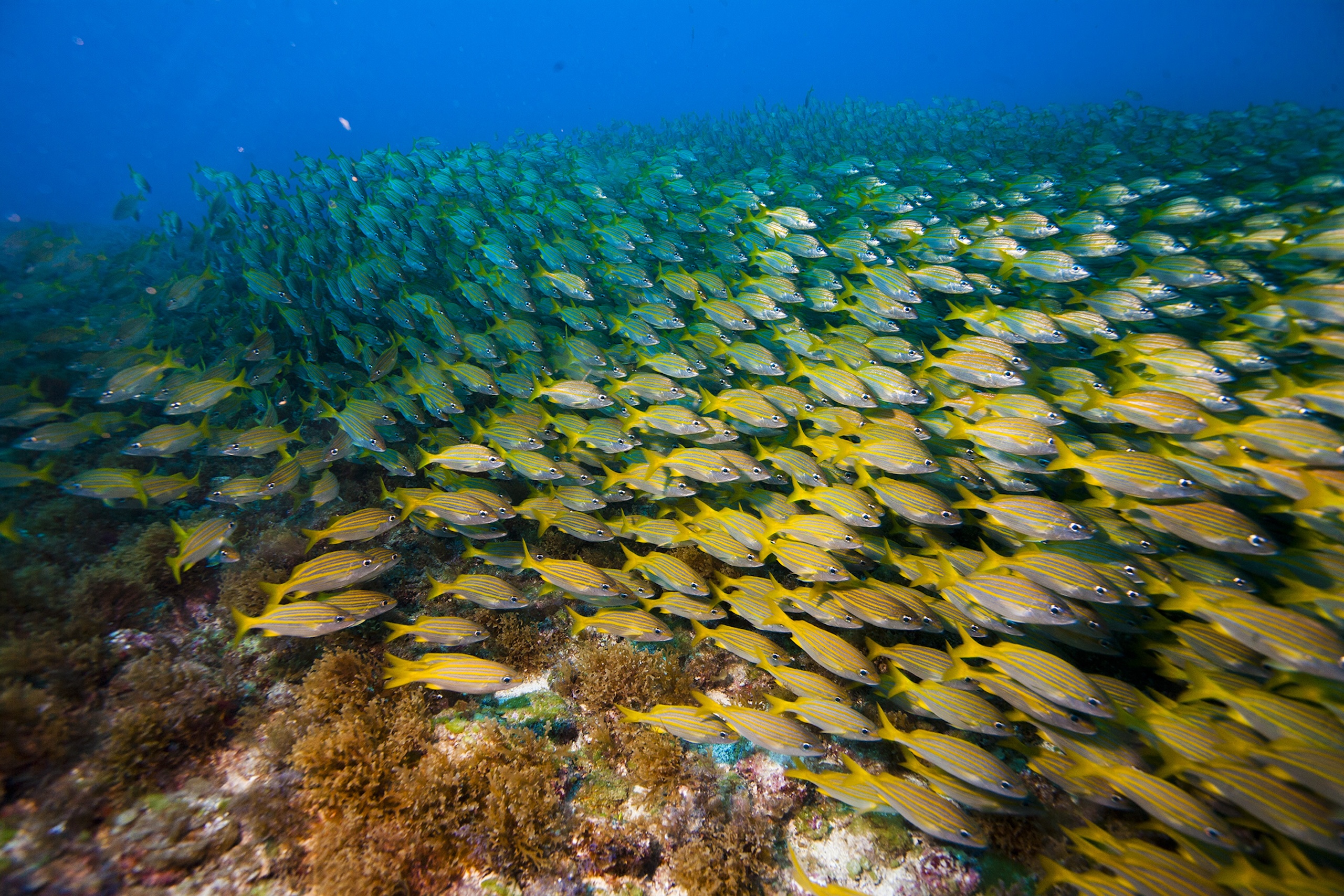
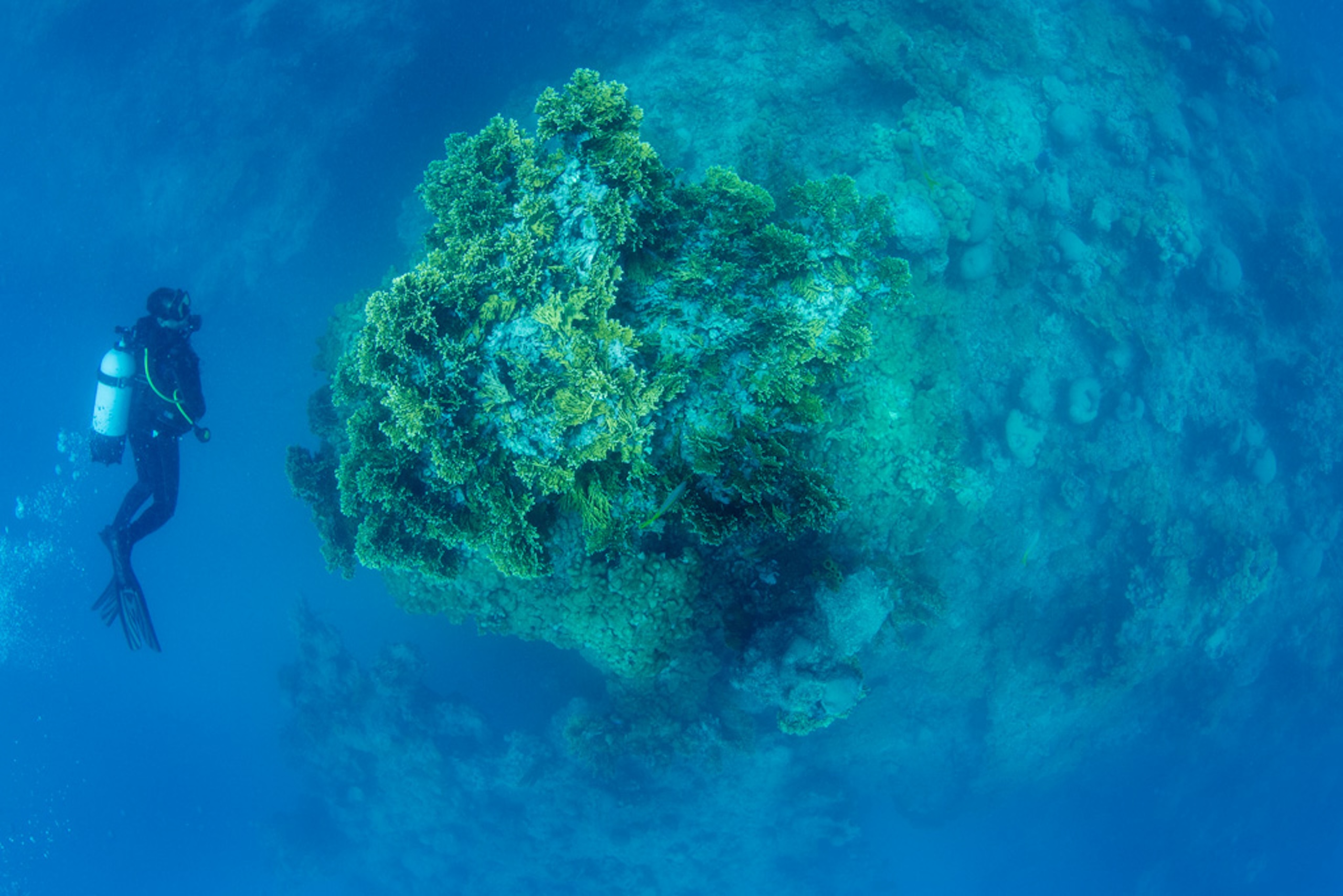
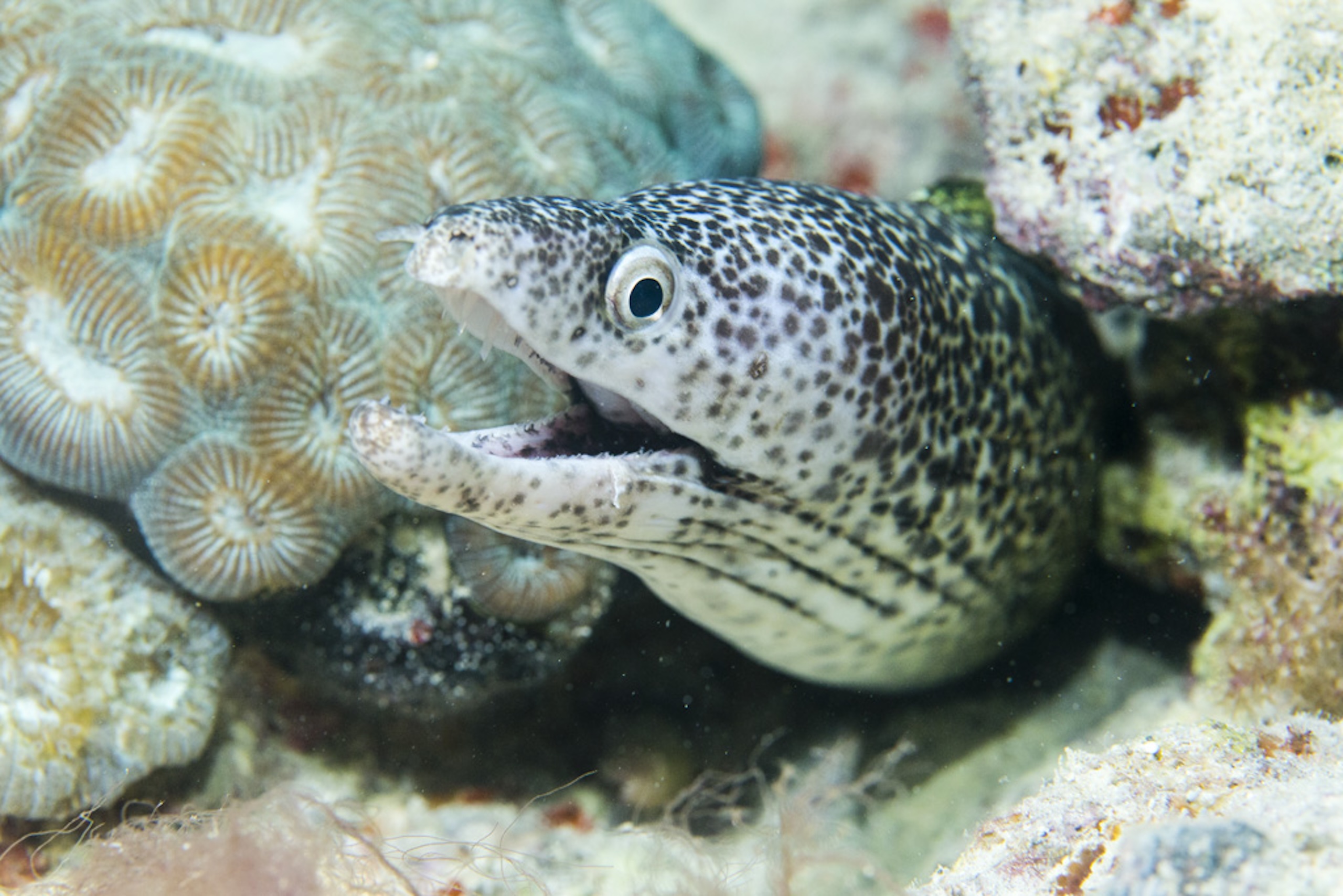
- Located off the coast of the Brazilian states of Bahia and Espírito Santo, the vast Abrolhos Seascape is home to some of the South Atlantic Ocean’s richest marine biodiversity. Here, more than 500 species inhabit coral reefs, mangrove forests and islands. Brazil’s largest humpback whale breeding ground also occurs within the seascape.
- Yet little legislation has been created to protect this region, leaving it at risk of predatory fishing and deep-sea mining: Less than 2% of the South Atlantic’s largest coral reef, which occupies 46,000 square kilometers within the wider Abrolhos Seascape, is fully protected.
- A recent study identified critical areas and vulnerable ecosystems within Abrolhos Seascape that the authors say need urgent conservation action; these include rhodolith beds — clusters of limestone rock that are crucial for climate security and marine species reproduction.
Located off the south coast of Bahia state and the north coast of Espírito Santo state in Brazil, the Abrolhos Seascape is known for its rich concentration of marine biodiversity, which is among the largest in the southern Atlantic. But the long-term well-being of this natural heritage may be at risk if gaps in the legal protection of its main ecosystems are not addressed. These are the conclusions of a recent study identifying the region’s biodiversity hotspots and highlighting the need to protect them.
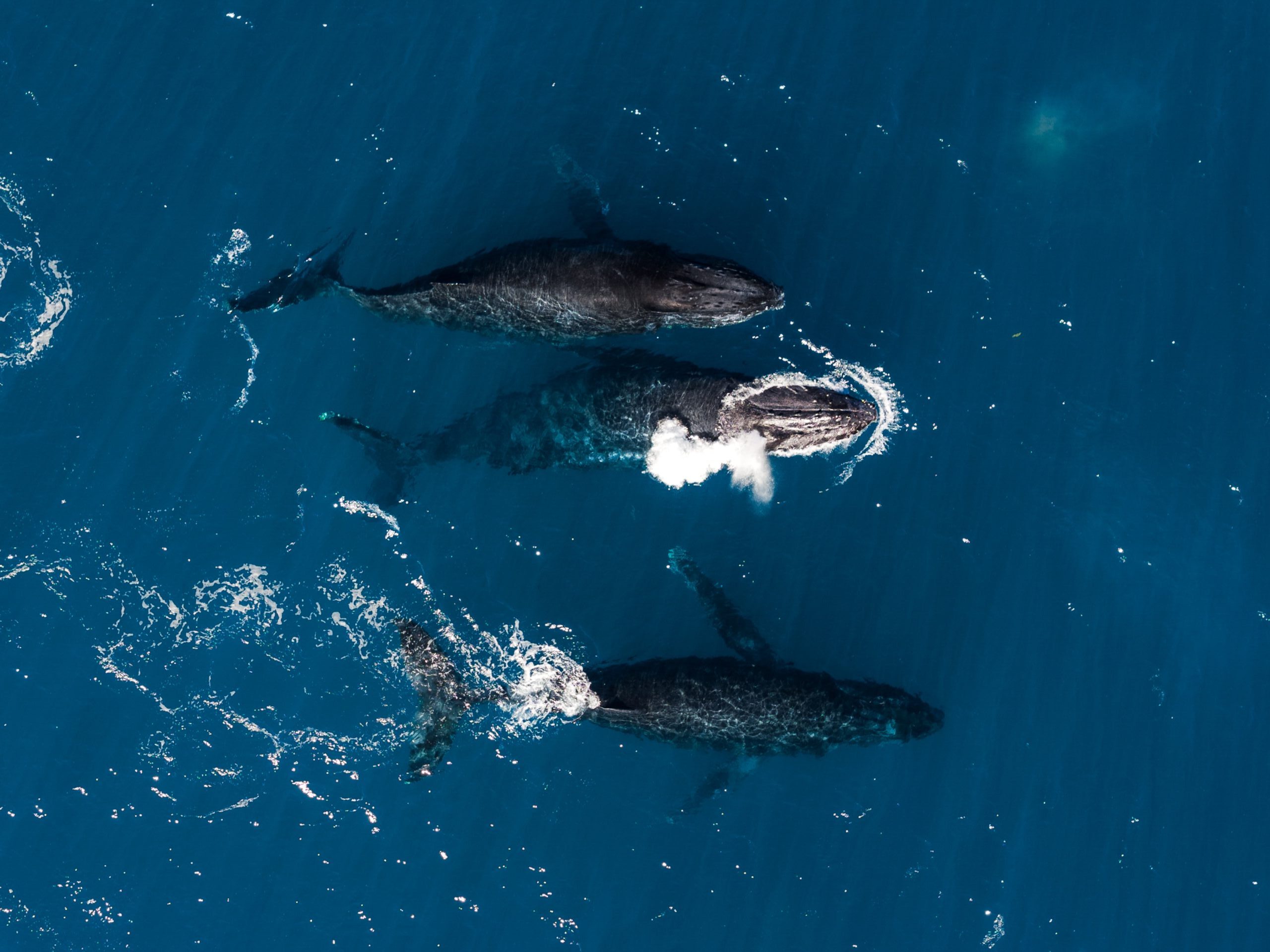
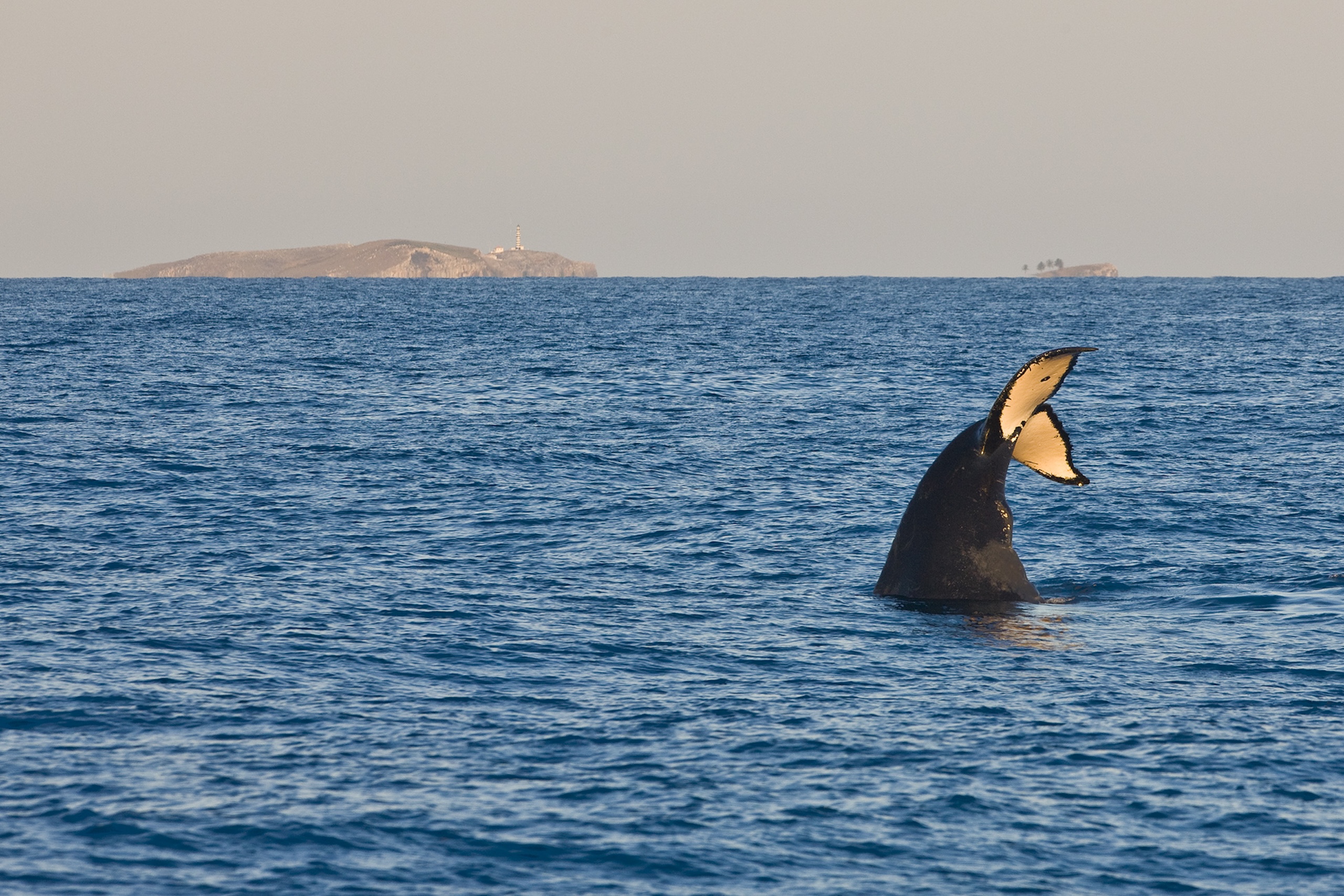
The study covers the full Abrolhos Seascape, encompassing 893,000 square kilometers (344,800 square miles) of coral reefs, seamount chains and oceanic islands. But it’s categorical in pointing out that the richest of its ecosystems is also the most vulnerable. That’s the Abrolhos Bank, home to the archipelago of the same name and the largest expanse of coral reefs in the South Atlantic. It is also Brazil’s largest breeding ground for humpback whales (Megaptera novaeangliae). Despite all this uniqueness, less than 2% of the bank’s 46,000-square-kilometer (17,760-square-mile) expanse is fully protected. This lies within the 882-km2 (340-mi2) Abrolhos National Marine Park, the first conservation unit of its kind in Brazil, created in 1983.
Abrolhos Bank’s marine biodiversity is fundamental for maintaining regional vocations like the artisanal fishing still practiced by traditional communities in the Cassurubá Extractive Reserve (RESEX) and the Corumbau Marine RESEX. Ecotourism is also important here: humpback whale watching generates substantial income between the months of June and November when the marine mammals migrate from Antarctica to reproduce. The viewing also helps sustain the research and conservation work at the Humpback Whale Institute, two of whose staff members co-authored the study.
Yet all this valuable natural heritage faces threats that put its preservation at risk. One is illegal fishing within the national park limits: Monitoring operations have found people capturing fish species at risk of extinction. One of the most affected species is the greenbeak parrotfish (Scarus trispinosus), a reef-dweller endemic to the Brazilian coast whose population is declining due to overfishing. It ranks among the top five Brazilian bony fish listed at extreme danger of extinction by the Chico Mendes Institute for the Conservation of Biodiversity (ICMBio).
Scientists and environmentalists also fear the socioenvironmental impacts that could result from increased interest in deep-sea mining, which in Brazil focuses on phosphate, potassium salts, limestone and calcareous shells, mainly for the fertilizer industry. The National Mining Agency’s official platform for tracking active mining projects in Brazil revealed dozens of requests from companies to carry out studies for potential mining in Abrolhos Bank that the government has authorized to proceed. Most are for the extraction of rock salt.
Unprotected heritage
The study, published in June in the journal Ocean and Coastal Research, looked at the distribution of 546 species of fish, invertebrates, cetaceans, birds and sea turtles living in the Abrolhos Seascape. Of these, 134 species (24.5%) rank as near threatened, vulnerable, endangered or critically endangered on the 2022 International Union for the Conservation of Nature (IUCN) Red List. Yet the study found that only 35% of the most biodiverse areas of the seascape are currently protected — and most are under so-called “sustainable use conservation units” that permit economic activities. “We also needed to look through a magnifying glass at its most unprotected areas and the risks involved,” Rio de Janeiro State University researcher Guilherme Fraga Dutra, the study’s lead author, said.
The most biodiverse areas are concentrated on Abrolhos Bank, where the urgency of increasing protection has been a recurring theme among scientists, environmentalists and public policymakers in recent decades. Today, there are three conservation units in addition to the marine park that offer some protection to the coral reefs of Abrolhos Bank: The two extractive reserves (Corumbau and Cassurubá) and the Ponta da Baleia/Abrolhos Environmentally Protected Area. But this protection is more theoretical than actual because all three are sustainable use conservation units where economic activities are permitted. In addition, this state-designated protected area has still not been effectively implemented, despite its having been legally established in 1993. Discussions have also been going on for years as to whether it would be possible to increase the size of Abrolhos National Marine Park.


In Dutra’s opinion, one of the study’s most worrisome conclusions is that 96% of the rhodoliths in Abrolhos Bank, which comprises the largest aggregation of these reef ecosystems in the world, are essentially unprotected. Rhodoliths are masses of calcareous algae that form nodules of “living rock” at the bottom of the ocean. They protect coral reefs from the erosive effects of waves, absorbing carbon and offering protection to ocean biodiversity. Rhodoliths are vital structures for climate resilience, food security and the reproduction of marine species.
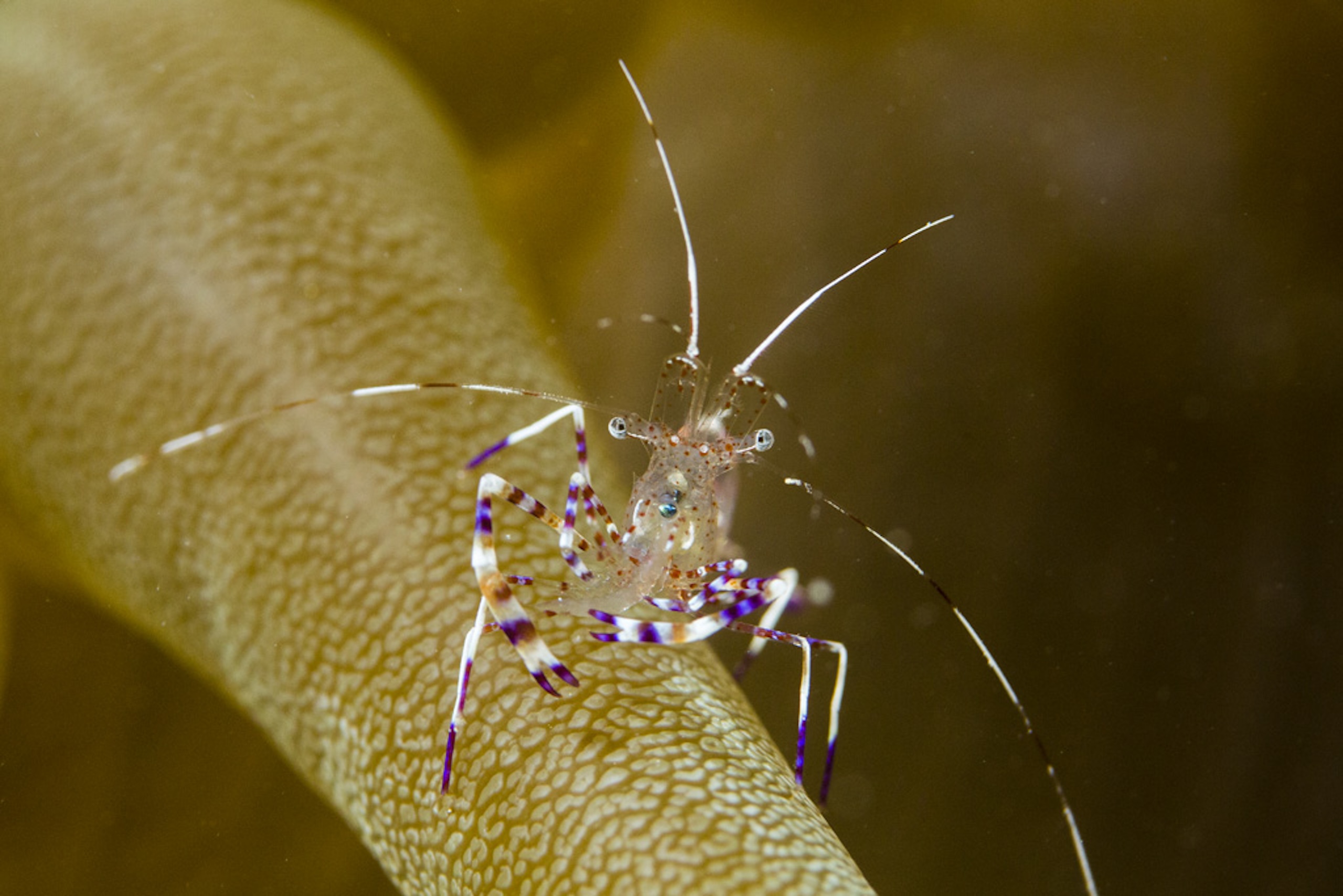
The rhodoliths are among the four hotspot habitat types studied that most concern the scientists. They occur in buracas, large depressions in the continental plate that lie completely outside the boundaries of the current protected areas, even though they are unique structures for maintaining marine species like fish and lobsters. Other habitats the study prioritizes for future conservation because they are nearly unprotected are the buracas themselves, deep-sea corals and the slopes of Abrolhos Bank.
“The solutions aren’t simple, but they are necessary because we are losing this race,” Dutra said. Despite the warnings, he said he believes this is a favorable time in Brazil to debate new protections for biodiversity in this region, including increasing its legally protected territories. The discussion is underway in universities, local communities and the media.
Brazil signed the 1993 Convention on Biological Diversity, the most important international treaty on the subject, and consequently assumed commitments under the 2022 Kunming-Montreal Global Biodiversity Framework. Among the 23 targets of this new pact, Brazil’s challenges include protecting at least 30% of its land, water and sea ecosystems by 2030 (as part of Target 3, also called 30×30) as well as restoring 30% of its degraded areas.
This is why Dutra is calling not just for expanding the Abrolhos National Marine Park, but also for more scientific research, the updating of government biodiversity databases, educational programs and public access to information on the importance of this natural and cultural Brazilian heritage, which holds inestimable value.
Among other challenges, Dutra mentioned “bringing more partners into the debate” as crucial to the process. He said there is a perception that protected marine areas have kept activities like artisanal fishing from developing because they limit captures inside fully protected sanctuaries. But he said that’s not the case. “Despite the lack of data on fishing in the region, there is clear scientific evidence that these protected areas have been fundamental in maintaining reef fishing,” he said.
Dutra said the warnings carried in the study have already borne fruit. Mission Blue, the international organization founded by oceanographer Sylvia Earle to protect marine environments, recently named Abrolhos as its newest Hope Spot — places unique in the world because of their extraordinary biodiversity. Dutra and Danieli Marinho Nobre, a senior conservation analyst at WWF-Brasil, were recognized as Hope Spot Champions for their work in a collective called Abrolhos Para Sempre, or Abrolhos Forever in English.
Humpback Whale Institute executive director and study co-author Eduardo Camargo said he believes an expansion of the national park may be approved in the future by ICMBio. This movement calls for bolstering full protection because of the numerous threats to the region’s biodiversity. Historically, these efforts have run aground on conflicting interests, including the oil and gas industry and marine shrimp farming.
Camargo said oil drilling is not a threat to Abrolhos, “at least not for now.” After strong public outcry in 2019, IBAMA, Brazil’s federal environmental agency, denied environmental licensing to an oil drilling project in the region. At the time, the call for tender for oil blocks attracted no bidders. Minister of the Environment and Climate Change Marina Silva has also made public statements against this sort of activity in the region. It is worth noting that also in 2019, the large oil spill that hit Brazil’s northeastern coastline threatened to contaminate Abrolhos. For these and other reasons, the territory has been excluded from subsequent calls for tender in the sector.
Study fills gaps for oceanography
Frederico Pereira Brandini is a professor of oceanography at the University of São Paulo and part of the research network at the National Oceanic Research Institute. He said the study filled in long-standing informational gaps.
Brandini, who did not participate in the study, said it used more precise databases to demarcate the size of the vulnerable biological diversity hotspots in the Abrolhos Seascape than scientists had previously used. “Despite the existing difficulties in the region, they show, for example, where these hotspots begin and end, which led to important warnings about priority regions for protection.”
In his opinion, the study’s robust methodology should be used elsewhere on the Brazilian coast to identify other important ecosystems needing more protection for their biodiversity. But he also said that it is no use to only take care of protected areas, which are still quite limited, and allow unprotected marine habitats to be exploited in an unsustainable manner — a topic he has debated in public.
Brandini also called for future mapping of the marine ecosystems that are home to kelp forests, which normally grow in temperate climates. Some of the most well-known are in California, Chile and South Africa. In Brazil, kelp forests grow only in the Abrolhos region, where cold, nutrient-rich ocean waters come in, making ideal growth conditions for Brazilian kelp (Laminaria abyssalis). “We still know very little about Abrolhos’ submarine kelp forest and its associated fauna’s capacity to store carbon on a regional scale,” Brandini said.
Banner image: A hawksbill sea turtle (Eretmochelys imbricata) in the Abrolhos Seascape. Image by Enrico Marcovaldi/Projeto Baleia Jubarte.
This story was first published here in Portuguese on 5 Nov., 2025.
Citation:
Dutra GF, Santos LP, Coutinho BH, Saliba A, Martinez Garcia MI, Mies M, et al.. Marine biodiversity hotspots in the Abrolhos Region and Vitória-Trindade Seamount Chain, Brazil, with implications for conservation. Ocean Coast Res. 2025;73:e25019. Available from: https://doi.org/10.1590/2675-2824073.24055
Credits