- Gary Tabor’s career marks a shift in conservation from protecting isolated “island” parks to designing vast, interconnected ecological networks.
- Informed by his early years in the Adirondacks and a decade in East Africa, Tabor’s work emphasizes that wildlife survival depends on the “connective tissue” between protected areas.
- Through founding the Center for Large Landscape Conservation, he has moved connectivity into the global mainstream, focusing on practical engineering like wildlife crossings and the human work of community organizing.
- Tabor spoke with Mongabay’s Founder and CEO Rhett Ayers Butler in February 2026.
Many view conservation as a ledger of discrete gains—acres saved or species rebounded—but for Gary Tabor, the more vital metric is architecture. He focuses on systems that hold when pressure builds. Few careers illustrate that preoccupation better than that of Tabor, an ecologist and wildlife veterinarian whose work prioritizes the relationship between places as much as the protection of the places themselves.
Tabor’s conservation instincts were shaped early. As a child, he spent nine summers at a rustic camp in the Adirondack Park, climbing all 46 peaks above 4,000 feet and learning to navigate the portages and open lakes of the New York wilderness. The landscape endured by design, protected by New York’s “Forever Wild” clause and by a civic idea that wilderness and people might coexist. He has returned to those same mountains for decades, seeing the same relatively unchanged woods that inspired the founders of the Wilderness Society. The lesson stuck.
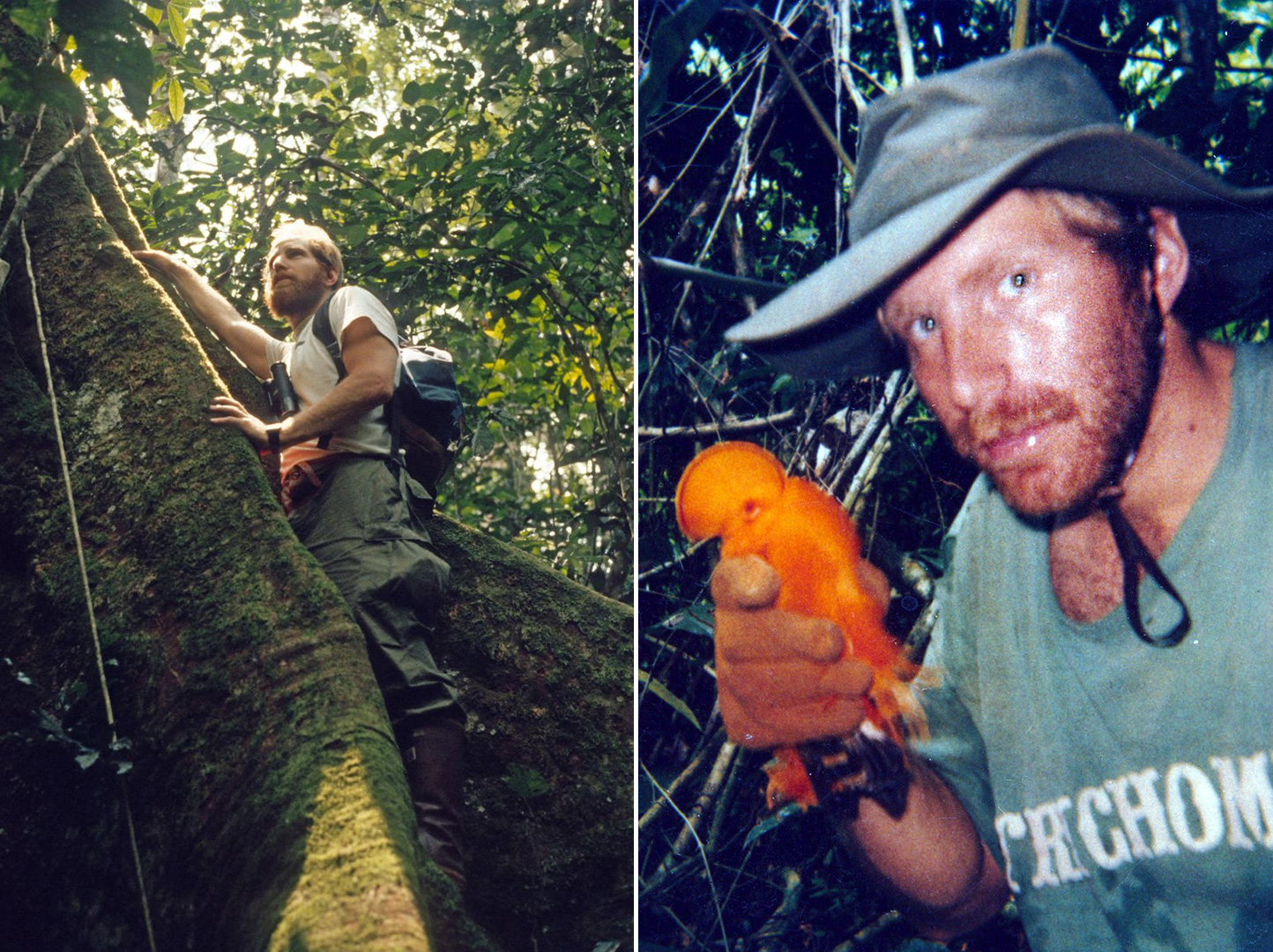
That early exposure provided Tabor with a sense of scale that would eventually outsize the mountains themselves. Tabor trained as a scientist, but his education accelerated in East Africa, where he lived and worked for nearly a decade. In places like Lake Nakuru, he saw the limits of the “island” model; the park was iconic, but it was also entirely fenced in and cut off from the broader landscape. While wildlife crossed boundaries by instinct, governance remained fixed by borders. He observed how war, poaching, and the simple need for charcoal and protein quickly eroded the resilience of isolated reserves. The elephants moving between Kibale and Queen Elizabeth National Parks did not care which agency drew the map. Their survival depended on the space in between.
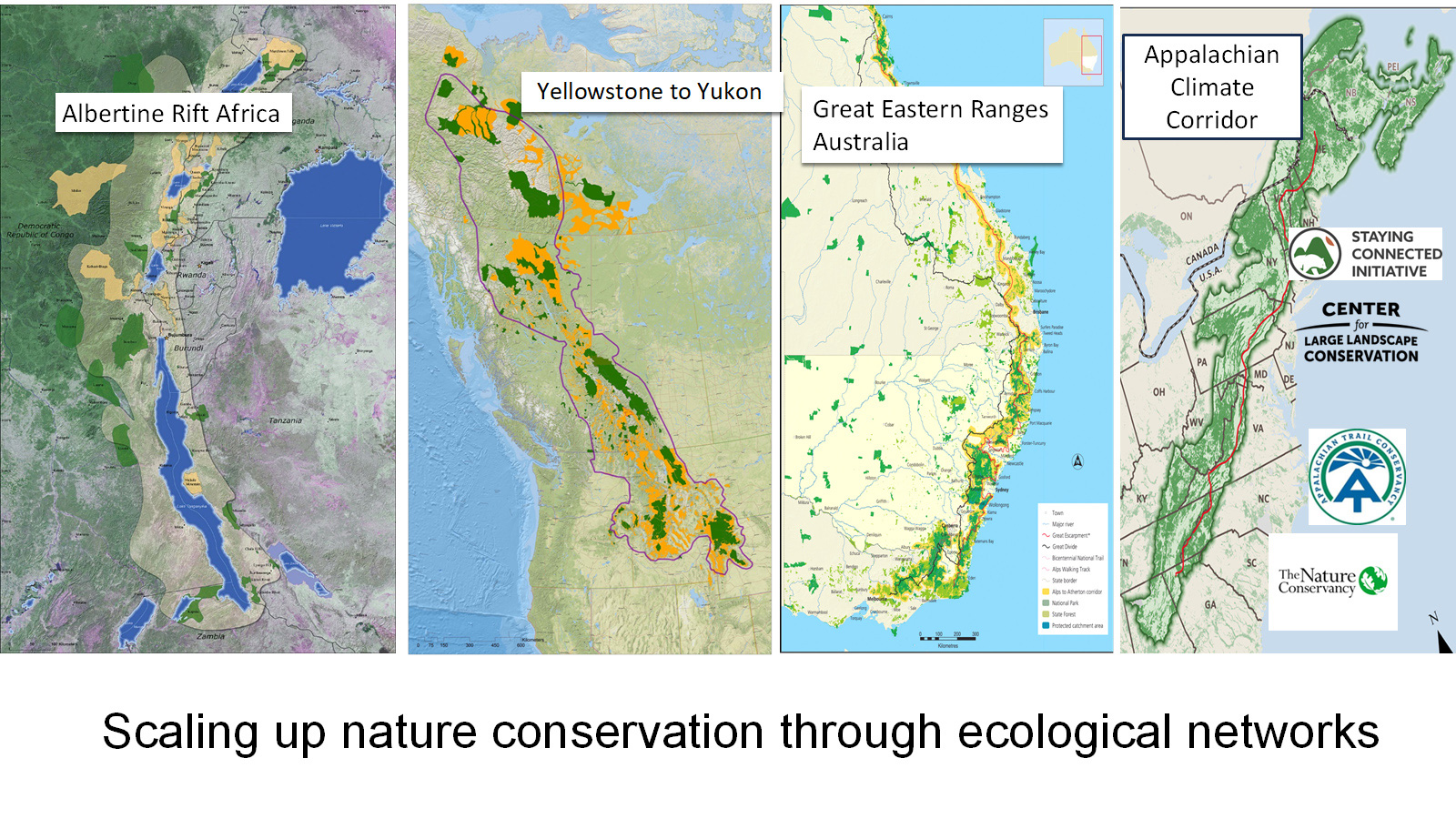
This mismatch between ecological reality and administrative convenience became a defining theme. In Uganda, he worked on what became Kibale National Park and Bwindi Impenetrable National Park on efforts to safeguard chimpanzees and mountain gorillas through long-term trust funding. In the Albertine Rift, he saw that a chain of protected areas functioned as a persistent, if stressed, network—a chain of life that relied on every link remaining intact. The realization took hold: conservation outcomes are determined as much by the connections as by the cores.

Returning to North America, Tabor encountered a parallel argument taking shape in the Rockies. The Yellowstone to Yukon Conservation Initiative proposed a century-long vision that utilized connectivity as a core strategy. He helped write its early investment plans. In time, the effort protected more than 24 million acres of habitat and corridors, working alongside Indigenous nations and local tribes to create a scaffold for the continent’s wildlife.
Tabor eventually founded the Center for Large Landscape Conservation to take this logic worldwide. The premise was straightforward, if difficult to execute: habitat fragmentation is a primary driver of biodiversity loss and a risk multiplier for climate change. Protecting more land without addressing the spaces between it was, in his view, a partial solution at best.
The Center’s influence has been felt most clearly in the normalization of connectivity as policy. Working across science and governance, it helped advance wildlife corridor frameworks in western U.S. states, partnered with Patagonia on the “Freedom to Roam” campaign, and contributed to international uptake of corridor-based planning. Ecological connectivity is now embedded in global biodiversity targets and championed by bodies such as the IUCN World Commission on Protected Areas Connectivity Conservation Specialist Group, which Tabor chaired for a decade.
There is a practical streak to this work. Roads, rails, pipelines, and fences fragment landscapes quickly and visibly. While wildlife-vehicle collisions kill animals by the billions, Tabor points out that the solution isn’t theoretical—crossings work. Policy can follow engineering. Once seen, the problem is difficult to ignore.
Asked about legacy, Tabor deflects the focus elsewhere. He puts emphasis on the durability of the networks themselves over the names attached to them. Conservation, he argues, is a human endeavor before it is a biological one. Success depends on the “messy middle” of community organizing—building trust and credibility with local partners who know the context better than any outsider. He teaches accordingly, telling students that success is bounded by creativity and that careers need not be linear.
As he steps away from day-to-day leadership, Tabor isn’t looking for the quiet “back bench” of a senior advisor role. Instead, he is looking toward the next generation of conservationists—the students whose eyes he looks into and tells, “One day, I want to work for you.”
For Tabor, the work is about ensuring the pulse of the movement continues. He remains focused on the “one wild and precious life” he has left to give, serving as a mentor to help weave the next set of connections.
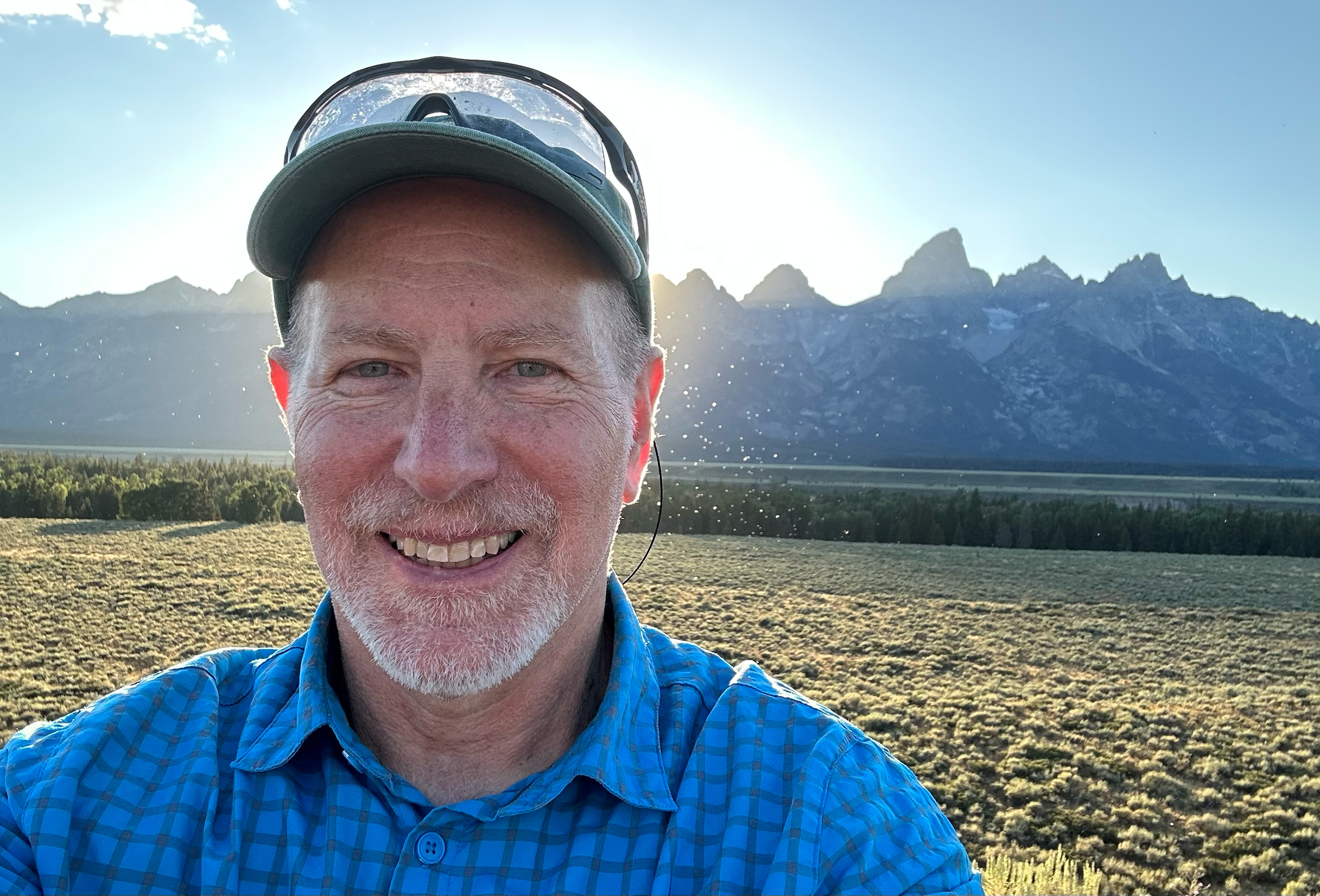
An interview with Gary Tabor
Rhett Ayers Butler for Mongabay: When you look back to the very beginning, what first pulled you toward conservation as a life’s work?
Gary Tabor: When I was very young, my parents sent me to a small rustic summer camp in the Adirondack Mountains of New York State. The camp had few facilities except access to the mountains, the lakes, canoes, and weekly camping trips. I spent nine summers growing up at that camp – learning to swim in open lake water; learning to canoe and kayak; climbing all 46 mountains above 4000 feet (known as an Adirondack 46er); and meeting lifelong friends. The camp closed in 1977, but I have continued to climb the same mountains, to swim kilometers across the same lakes, and take my children on the same canoe portages every year since. I’ve climbed Giant Mountain more than 70 times and Silver Lake Mountain over 100 times and I am always amazed to see the relatively unchanged landscape of my youth. This landscape is enshrined by the “Forever Wild” clause in the 1894 New York State constitution. This is the same landscape that inspired Bob Marshall to co-found The Wilderness Society in 1935 and to establish some of the first wilderness areas across the United States.
The Adirondack Park has its challenges – most of the landscape is reforested, freshwater systems have been impacted by acid rain and atmospheric mercury deposition, and by a paucity of large wildlife such as moose and mountain lions. Tourists crowd the High Peaks, and local sensibilities are strained by top-down park governance. Yet the region was designed with wilderness and people coexisting and giving nature time and space to recover.
Most of the US and the world think New York State is defined by the footprint of New York City. The colossal aspect of New York State is not its namesake city but the wonder of the Adirondack Park.
Mongabay: Early in your career, did you imagine you would end up working at the scale of entire landscapes, or did that way of thinking emerge over time?
Gary Tabor: I was fortunate to work in many protected area situations around the world. Each had their own set of internal and external challenges. In my experience, most of the protected areas I worked in seemed dependent on their broader landscape context to achieve their long-term conservation goals.
Right out of college I was recruited by Prof. Stephen Emlen from Cornell University to study the cooperative breeding behavior of the White Fronted Bee-Eater (Merops bullockoides), a highly gregarious bird found in Lake Nakuru National Park, Kenya. Living in a national park in East Africa was a boyhood dream come true. East Africa is known for some of the most iconic wildlife rich parks in the world. Upon closer inspection, you quickly learn that up to 70% of wildlife in many areas in East Africa and beyond need access to habitat outside of protected areas to thrive.
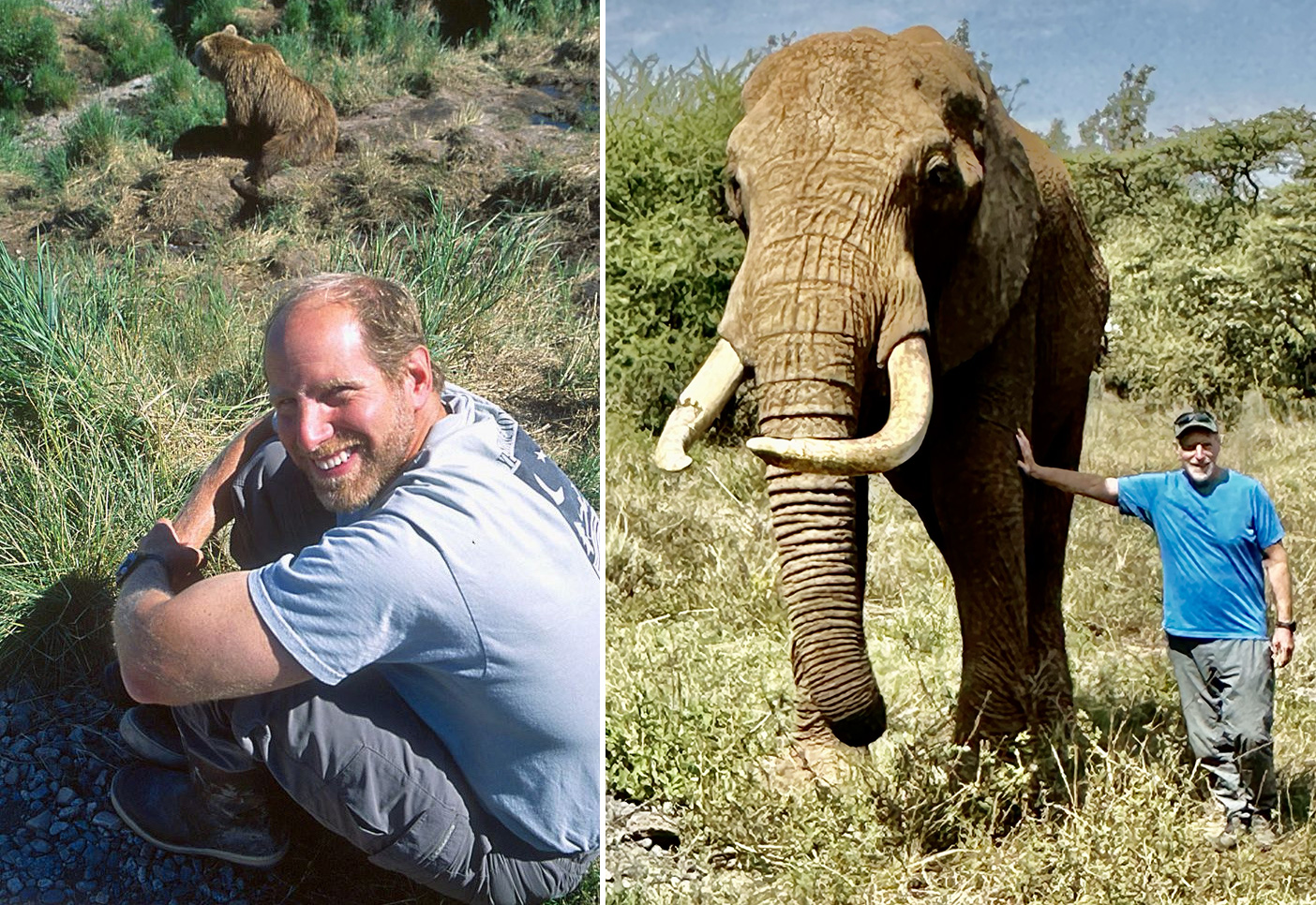
Famous for its flamingoes, Lake Nakuru National Park was one of the first parks in East Africa to be completely fenced in and cut off from its landscape. The fencing was ostensibly established to create a secure rhino sanctuary and to reduce wildlife-human conflict with neighboring Nakuru town. Fenced in, Nakuru National Park became an ecological island.
After Nakuru, I worked in Kibale Forest Reserve in Western Uganda at the invitation of primatologist Tom Struhsaker where I found an unfenced reserve with a hard forest edge boundary – montane forest abutting intensive agriculture. Starved for protein and charcoal, local communities were dependent on Kibale resources for food, fiber and shelter. Old school forest management was evident with clearcuts and exotic pine reforestation. Being unfenced, Kibale was connected to Queen Elizabeth National to the south via one of earliest designated wildlife (elephant) corridors in the region.
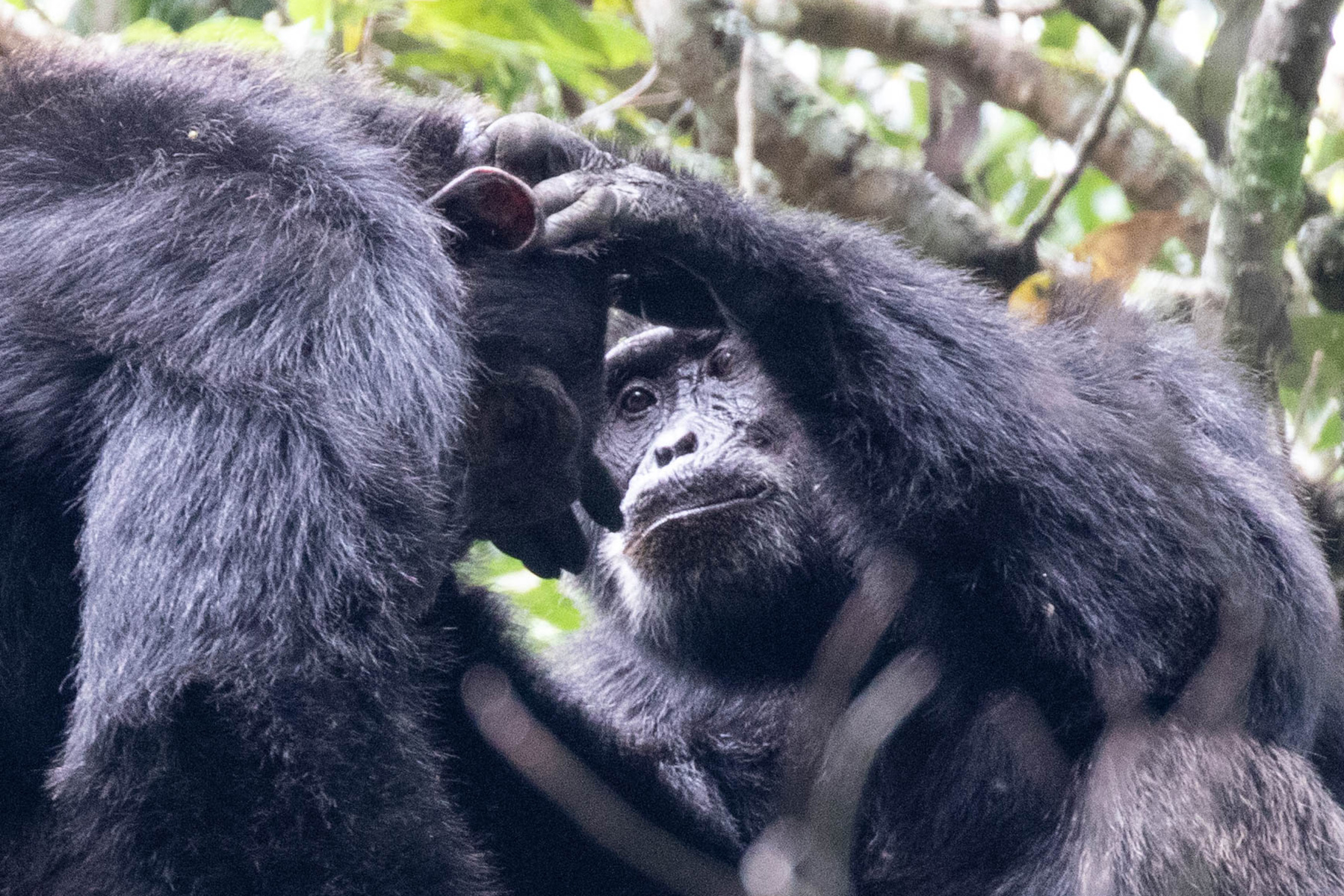
Queen Elizabeth National Park at that time was still recovering from the Uganda – Tanzania conflict that saw the expulsion of Ugandan Dictator Idi Amin by the Tanzanian army. The elephants of Queen Elizabeth National Park were a casualty of the war which saw their population decimated from over 5000 individuals to less than 400 – with a population of tuskless males being strongly selected for in the process.
At that time, the corridor was hardly used given the poaching pressure on the elephant population. Kibale Forest maintained a population of several hundred (very aggressive) elephants (now totaling nearly 600 elephants). With improved protection over time, elephant usage of the corridor is returning. Queen Elizabeth National Park is a sizeable park and yet the adjacent elephant corridor is vital for the park’s wildlife dispersal needs..
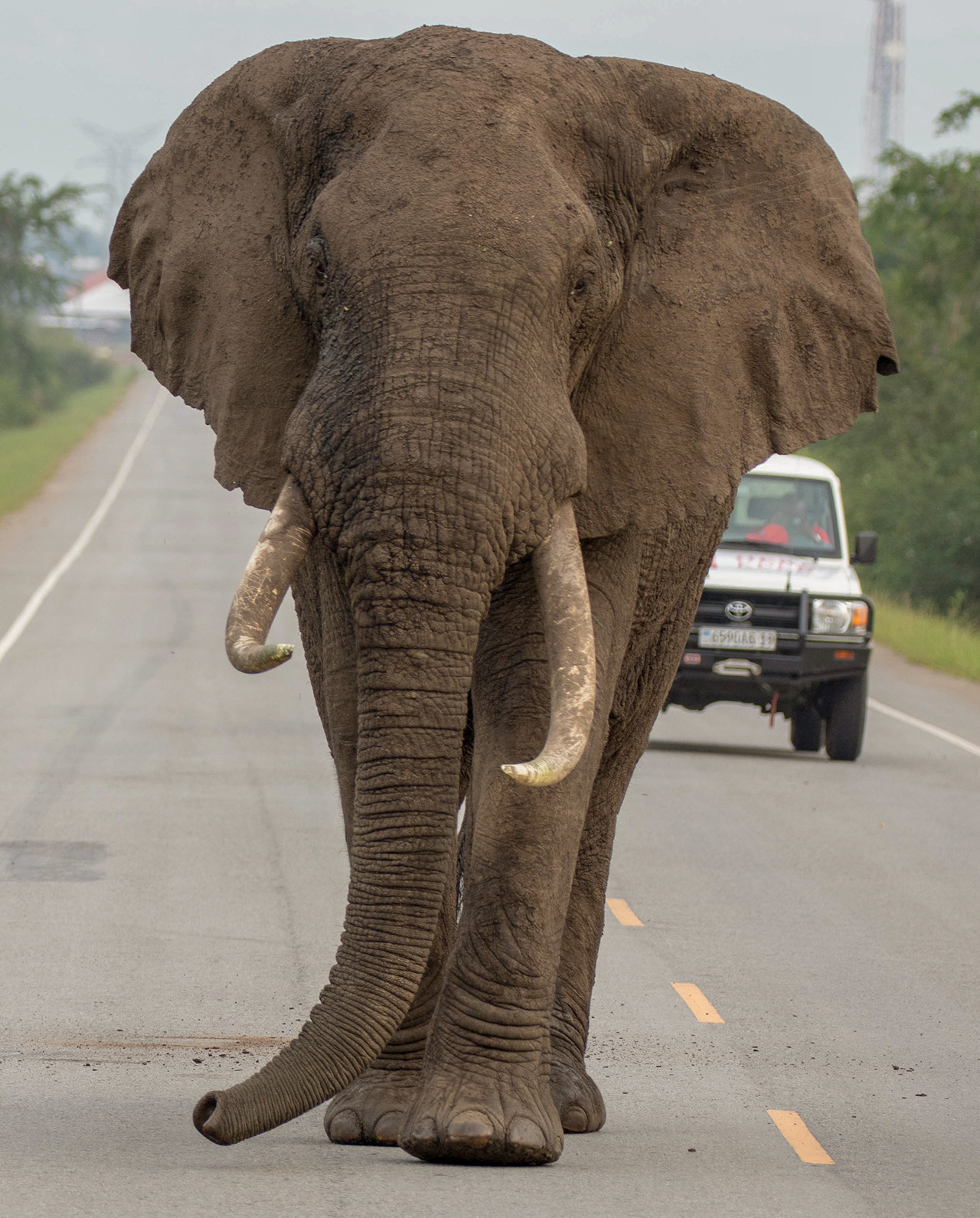
Kibale Forest (now national park), and Queen Elizabeth National Park are part of a linear interconnected chain of protected areas in the Western Rift Valley (known as the Albertine Rift) at the border of East and Central Africa. Notable parks in the region include Virunga National Park in DRC, Semliki, Ruwenzori, Bwindi Impenetrable and Mgahinga National Parks in Uganda, and Parc des Volcans in Rwanda. The human population pressures on these parks are enormous. The Albertine Rift is one of the most challenging geographies on the planet to implement conservation given the many decades of civil strife and colonial legacy. The long-term effectiveness of these parks requires functional connections within and between them. As a network of protected areas, these parks form a large landscape that is surprisingly resilient and continues to endure great insults over time.
Mongabay: Was there a moment when you realized that protecting isolated parks or species wouldn’t be enough—that conservation needed to think bigger?
Gary Tabor: I lived nine years in East Africa working in Kibale, Bwindi Impenetrable, Queen Elizabeth, Mgahinga and Lake Mburo National Parks in Uganda; Nakuru, Tsavo East and West, Amboseli, and Maasai Mara in Kenya; and Serengeti, Tarangire and Arusha National Parks in Tanzania. None of these iconic protected areas were large enough to protect the wildlife resources that defined them. But it wasn’t until I returned to the US and met colleagues such as Harvey Locke, Reed Noss, Fiona Schmiegelow, Mary Granskou, Dominick DellaSala and Michael Soule that I realized a parallel conservation discussion was being developed for the Yellowstone to Yukon region in the US and Canadian Rockies.

Yellowstone to Yukon (Y2Y) was an emerging conservation concept with a bold vision. No one had packaged conservation in such grand terms. Given what I saw in Africa, it made perfect sense. I wrote the first two investment plans for the effort which created the coordinating organization Yellowstone to Yukon Conservation Initiative. Y2Y was designed as a 100-year vision but in a quarter of that time, the effort protected over 24 million acres (12 Yellowstone National Parks in size) of core habitat and critical corridors – much of it through collaborative efforts with first nations and tribes.
The Center for Large Landscape Conservation was incubated out of the Yellowstone to Yukon Conservation Initiative to advance large scale conservation within and beyond the Y2Y landscape. In North America alone, there are over 400 self-identified large landscape efforts. We created a Network for Landscape Conservation to support these efforts (https://landscapeconservation.org/). There are even more efforts emerging on land and seas around the world. The Center for Large Landscape Conservation was designed to support this new realm of conservation. Our logic is that ecological networks (connected spaces) are the architecture of large-scale conservation in human-dominated fragmented places.
Mongabay: The Center for Large Landscape Conservation helped make “connectivity” a mainstream idea in conservation. What problem were you most trying to solve when the organization was first taking shape?
Gary Tabor: After working more than four decades in conservation, the conservation community has yet to bend the curve for biodiversity. Species abundance is declining across most taxa. This has implications for species interactions which create the conditions for all life. I’ve always viewed habitat fragmentation as a health issue, fundamental to human well-being.
As such, the Center for Large Landscape Conservation was created with a singular focus – combat habitat fragmentation. We believe ecological connectivity is a countermeasure to fragmentation. It just seemed that the global conservation community was so focused on designating more protected areas, as expressed by the adoption of the 30 x 30 target, connectivity between protected areas or areas of high biodiversity value was relegated as an afterthought. This didn’t make scientific sense. We know that fragmentation exacerbates the impact of climate change. We know fragmentation diminishes nature’s resilient capacity. Furthermore, ignoring connectivity creates a tacit approval to promote development in the areas in-between protected areas thus isolating them and limiting future options for creating protected area networks.
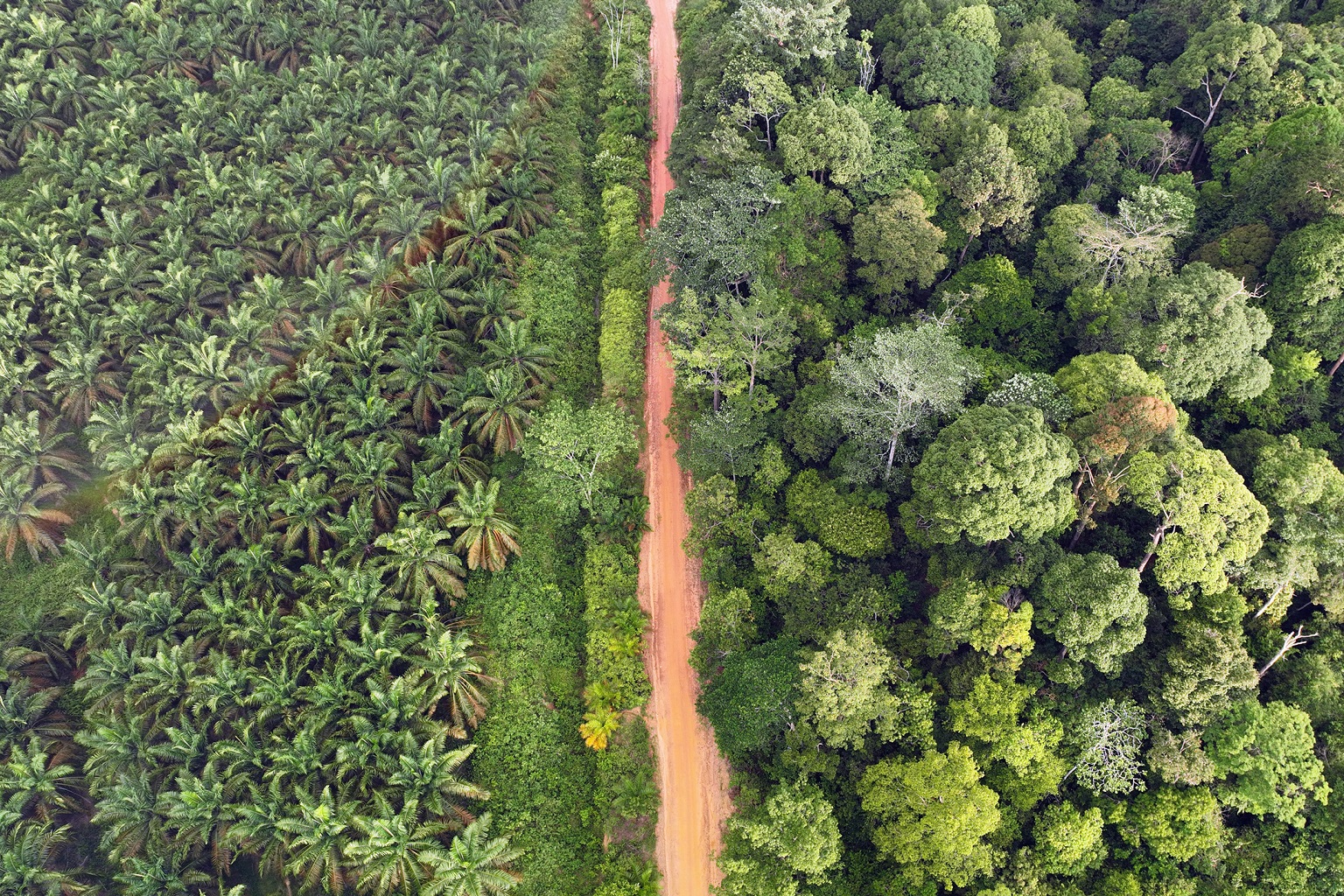
Conservation happens on all lands and waters. Protected areas often (but not always) represent the highest and best value conservation places, but they cannot perform their functions as isolates. We need viable and compatible conservation strategies outside of protected areas. The spaces in-between are dominated by human needs and require creative conservation solutions. Human and financial resources are too thin to work everywhere but connectivity provides a strategic focus for targeted conservation action, creating the connective tissue for more effective conservation through protected area networks. Connectivity also plays a key role in scaling up ambitious restoration efforts, such as nature-based solutions.
That much said, when we started the Center for Large Landscape Conservation, the conservation science community increasingly recognized the importance of ecological connectivity but the policy and implementation worlds were still slow on the science uptake. Fortunately, we had the examples of the Yellowstone to Yukon effort and South Coast Missing Linkages in North America which served as initial touchstones. Internationally, Costa Rica, Bhutan, Brazil and East and South Africa adopted biological corridors as part of their nationwide and transboundary protected area networks.
One of our first major policy wins was in 2007, when we worked with the US Western Governors Association to achieve a unanimous agreement for a bipartisan framework to conserve wildlife corridors across 19 western states. We developed the “Freedom to Roam” global campaign with Patagonia Inc., the outdoor apparel company to raise awareness for wildlife corridors. Our work was reinforced by similar independent efforts around the world such as the UK Government’s Lawton Report, “Making Space for Nature: A review of England’s Wildlife Sites and Ecological Network.” Nations across the globe followed quickly with similar enabling policies. In 2021, the UN General Assembly adopted Resolution 75/271, “Nature knows no borders: transboundary cooperation – a key factor for biodiversity conservation, restoration and sustainable use,” sponsored by Kyrgyzstan and 60 plus nations. At the same time, ecological connectivity was enshrined within five targets of the new Kunming Montreal Global Biodiversity Framework. The Convention on Migratory Species made connectivity conservation a pillar of their strategic plan and provided the initial UN definition for the concept. “Ecological connectivity is the unimpeded movement of species, connection of habitats without hindrance and the flow of natural processes that sustains life on Earth.” (Convention on Migratory Species, 2024.)
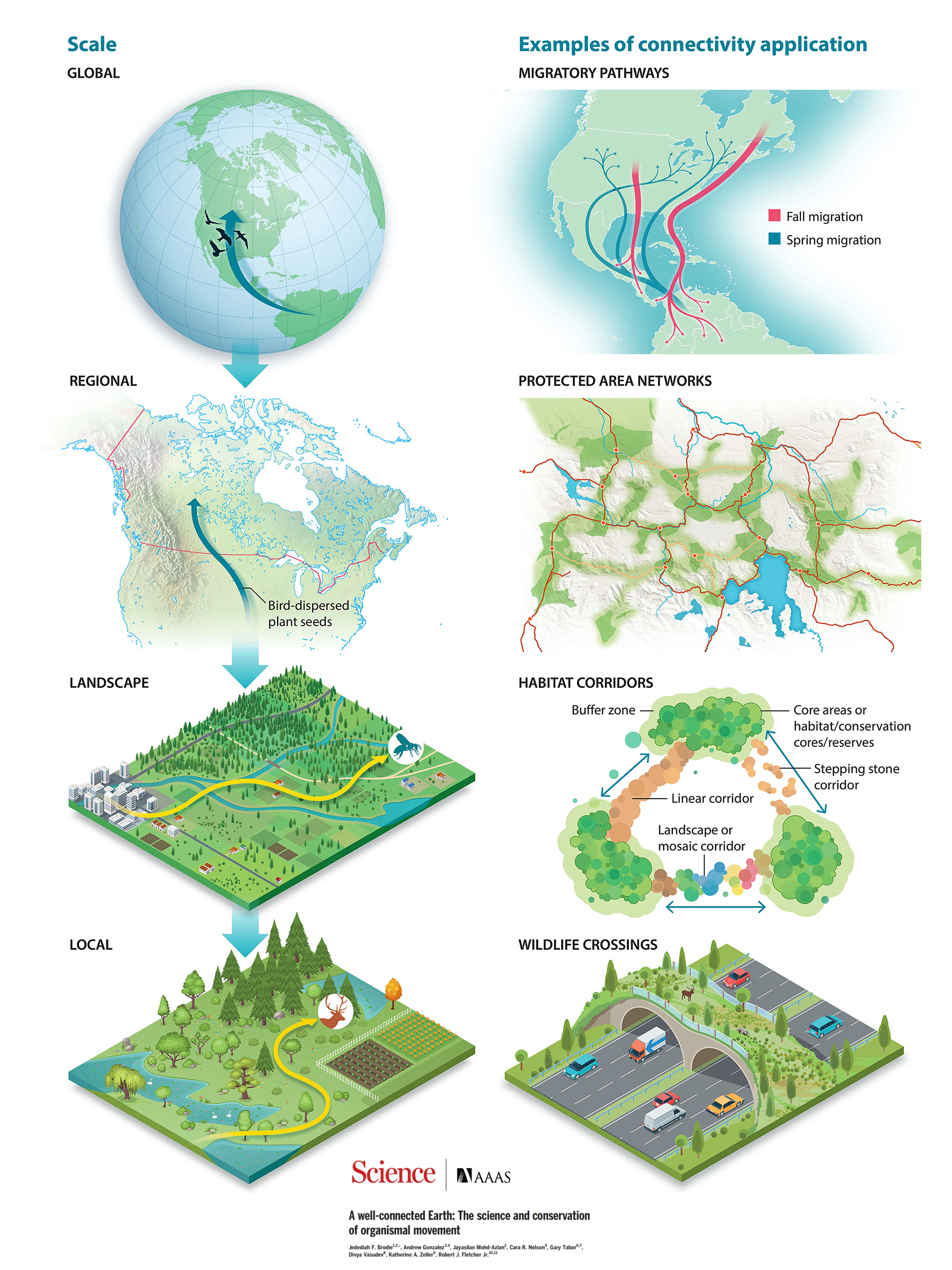
Promoting connectivity must go hand in hand with stopping fragmentation. Our Center had to address one of the root causes of fragmentation, linear infrastructure development – roads, rails, pipelines, canals, transmission lines, and fences. Roads are the tip of the spear for facilitating habitat fragmentation. Satellite images of deforestation in Rondonia, Brazil are the textbook example. We knew that Wildlife Vehicle Collisions (WVCs) were underreported by several orders of magnitude. Hundreds of millions of medium and large mammals are killed each year in WVCs and recent work by Clara Grilo and Jochen Jaeger suggest the figure is more likely billions. Wildlife Vehicle Collisions are perhaps the most underappreciated threat to biodiversity loss. Fortunately, civil engineers, transportation agencies and policy makers around the world are recognizing the problem. It is an issue that once you see it, you cannot unsee it. With five road ecologists, the Center for Large Landscape Conservation has made road ecology (linear infrastructure ecology) a global focus of its efforts.
Mongabay: Looking back now, what aspect of that work feels most durable—something you believe will continue to matter long after leadership changes?
Gary Tabor: Elevating connectivity conservation has always been one of my primary conservation objectives. The body of evidence for conserving connectivity is expanding rapidly as technology has improved the ability to track the collective movement of billions and billions of animals and even plants. I believe we are at the cusp of envisioning the dynamic processes of nature. As such, we will have more sophisticated and strategic ways of conserving nature in the messy middle between protected areas. In the future, we will not count conservation success by the number and size of individual protected areas but how connected and functionally networked they are. Expanding our perspective on conservation is a durable outcome that extends beyond any organizational leadership change.
Mongabay: Are there any decisions or directions you’re especially glad you took, even if they were uncertain or controversial at the time?
Gary Tabor: With my colleague Rob Ament, we wrote a draft National Wildlife Corridor Conservation Act in 2007. It was a mockup that looked real. We just wanted to expand people’s thinking of what might be possible. Our mockup inspired US Congressman Rush Holt (the only PhD scientist in Congress) to introduce his own legislation which never made it out of committtee. Years later, US Congressman Don Beyer picked up the task and with the help of colleagues at the Wildlands Network, the bill passed in the US House of Representatives in two separate sessions. Sadly, the US Senate never followed suit. Even in failure, there was success. The concept was repurposed for state legislative action and almost half of all US States now have statewide connectivity policies; most enacted in the past four years. Congress did pass the Wildlife Crossing Pilot Program providing $350 million to fund wildlife crossing structures. Our mockup bill inspired the creation of the Australian National Connectivity Act which was never adopted legislatively but was used as administrative policy by favorable governments. We now know that dozens of nations have adopted similar policies.

When it comes to roads, I hope we see all nations adopting some form of a Roadless Rule. In the US, the Roadless Rule has protected over 58 million acres of national forest lands. It has been a frontline defense against forest fragmentation. Sadly, the Trump Administration seeks to terminate the policy. The Roadless Rule shouldn’t be the exception in conservation; it should be replicated around the world. This is a controversy the conservation community should embrace.
Mongabay: Conservation can be emotionally demanding work. Over the years, what helped you stay grounded and motivated when progress felt slow?
Gary Tabor: Laughter, humor, forgiving friends and a dose of daily nature therapy. Like many, my soul is fed by time in nature. Access to the outdoors has been a deciding factor in many of my career moves. Before the concept of remote work, I made several risky career decisions that favored access to nature over job security.
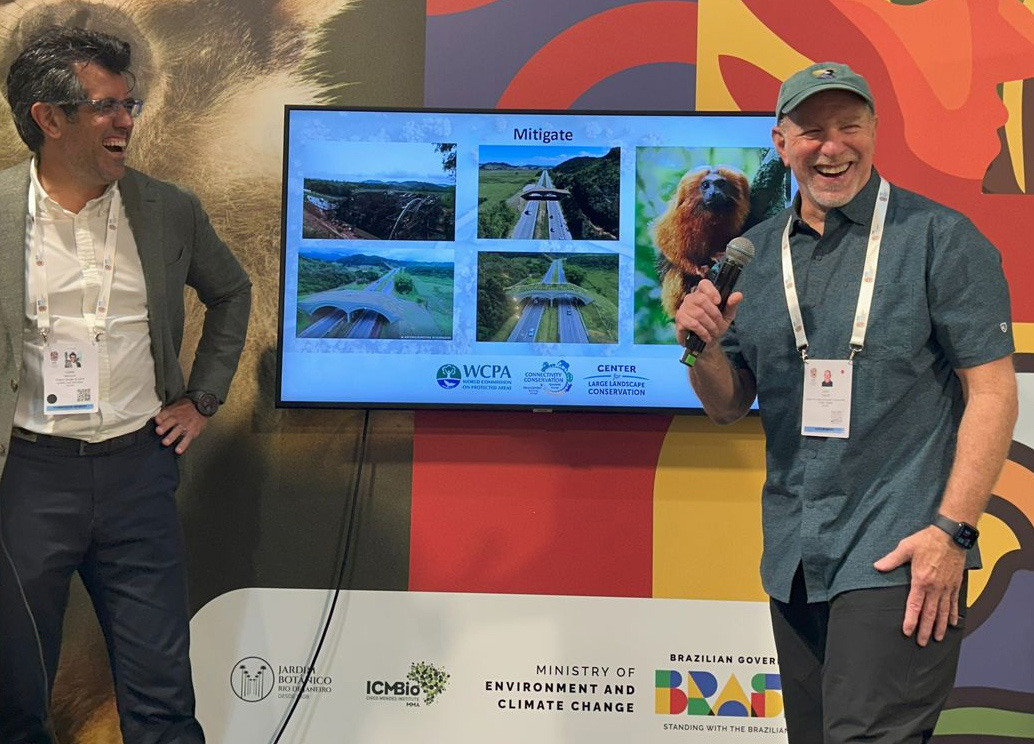
Given the great challenges in conservation, I survived through my sense of humor. I often have an internal smile in my head. Situations can be insane for any number of factors. For me, there is always some light in humor. Conservation often adheres to the adage that “the truth is stranger than fiction” and so there is a lot of material in our work for humor to take hold. Of course, I am not immune from sadness when faced with loss. I’ve shed my share of tears.
Mongabay: You’ve worked across science, policy, and collaboration. Which of those worlds surprised you the most once you were deeply inside it?
Gary Tabor: My biggest surprise was how impatient and how intolerant many of my scientific colleagues were when involved in the policy process. The concept of political compromise was viewed as a sellout. This makes sense given the evidence-based culture of science. There is no blame here. However, idea diffusion is not a passive process. Ideas don’t sell themselves. And most policy makers don’t read the scientific literature.
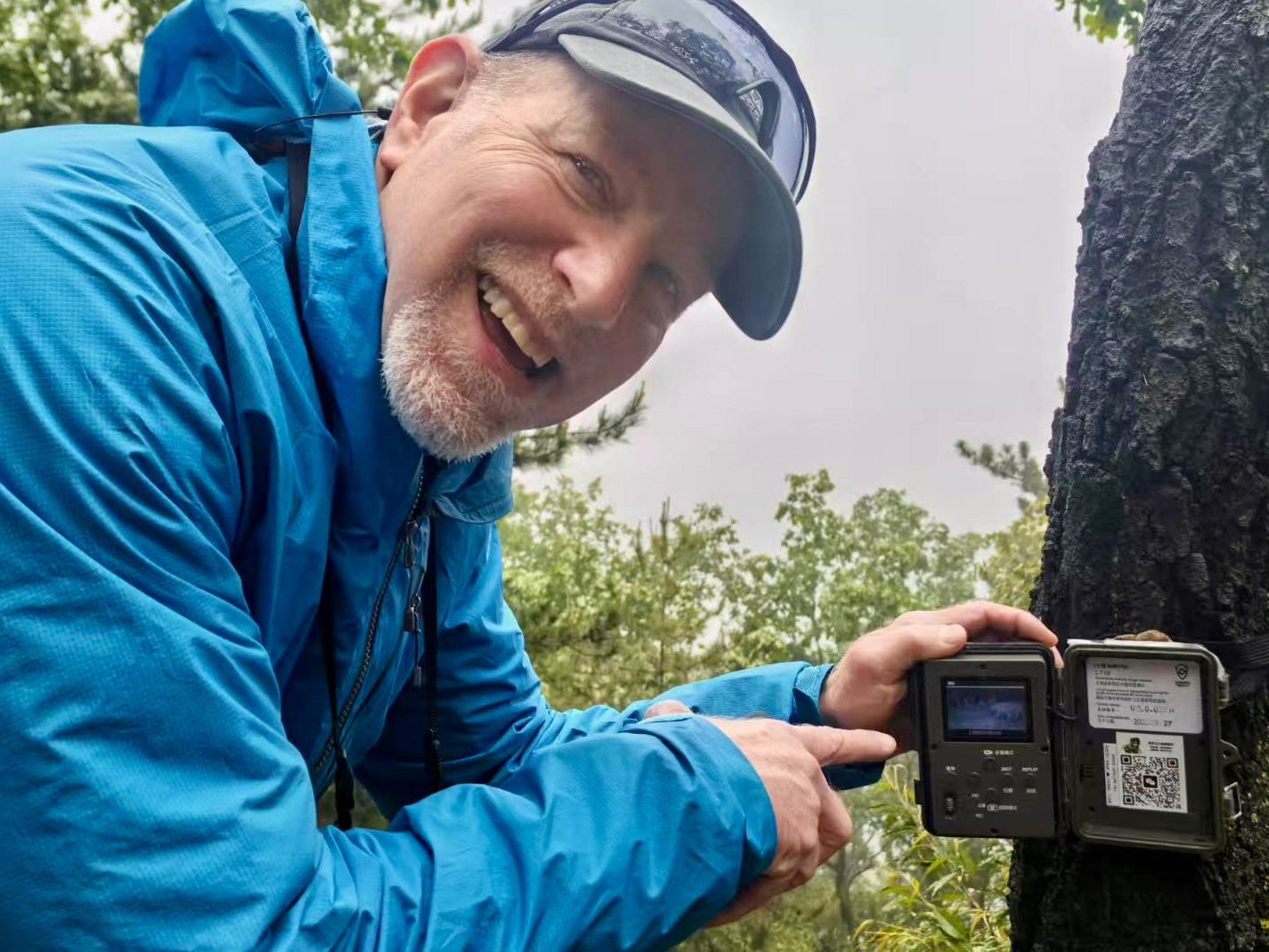
Since policy makers are often scientifically illiterate, they can easily ignore the science or worse, lean into questionable information without interpretation. Scientists need to take the time to engage policy in order to build the necessary trust and credibility required for the acceptance of evidence.
Mongabay: If you had to explain your approach to conservation in one guiding principle, what would it be?
Gary Tabor: As much as I would like conservation to be about nature and wildlife, it is a human domain. Connectivity conservation is about connecting people to connect nature. In its essence, conservation is the art and science of community organizing. Building trust, building constituencies, and helping protect the natural resource base that allows people to prosper. In my opinion, prosperity includes the ability to save nature for its own sake. Given the diverse aspects of humanity, I know that I am often not the best messenger to deliver the conservation message. I need to work with partners attuned to the local context for action.
Mongabay: As you step away from day-to-day leadership, how do you personally think about legacy—what does that word mean to you, if it means anything at all?
Gary Tabor: I struggle with terms like legacy and perpetuity in conservation. I think they are interconnected and precariously ephemeral. I didn’t build an organization or contribute to various conservation outcomes based on a desire for legacy. My desire is to save nature as best I can in perpetuity – which I define as is a constantly dynamic process to achieve a beneficial conservation outcome over time. If legacy is a bridge to perpetuity and helps extend conservation action over time, then fine. Legacy should be about the conservation and not the conservationist.
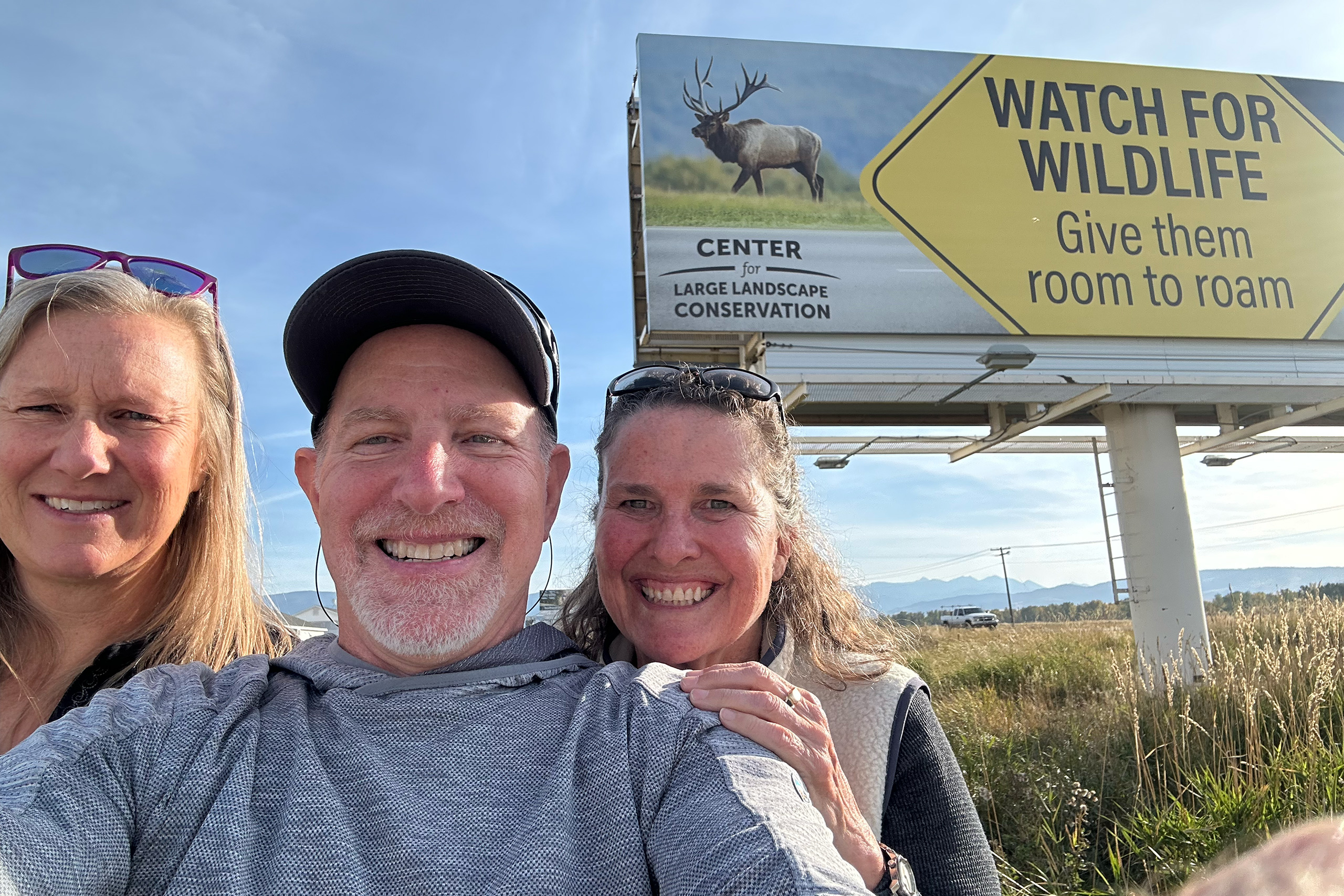
Instead of legacy, I wish conservationists would celebrate each other more in the moment – laugh more, thank each other more and help each other through the inevitable troughs. Our community is a tough crowd. I am also a Professor of Conservation Practice at Cornell University, and I see my role as bringing conservation action into the classroom and training my future conservation colleagues. I tell my class that one day (if I live so long), I want to work for you. In a sense, I get the privilege of looking into the eyes of my future legacy.
Mongabay: For young conservationists just entering the field, what do you think is most important for them to understand that isn’t always taught in formal training?
Gary Tabor: I tell my students that conservation is ultimately bounded by your creativity. I teach a project-based Capstone course and students often ask “what does it take for me to succeed.” My answer – “Surprise Me!” And many have.
Mongabay: Is there a piece of advice you wish you’d been given earlier in your own career?
Gary Tabor: Don’t overcommit yourself to a linear path in pursuing a career in conservation. Life brings opportunities and throws curveballs. There are many routes into conservation if you persevere.
Don’t be afraid to take risks and walk away from toxic situations. Work with good people.
Sit on that email you should have never sent.

Judge an organization by how it takes care of its employees.
Don’t take it personally even though it hurts.
Learn to forgive. And don’t be afraid of sharing some of your heart.
Laugh loudly.
Mongabay: Given the scale of ecological and political challenges today, what genuinely gives you hope—not in theory, but in practice?
Gary Tabor: Connectivity conservation is spreading exponentially around the world. Wildlife Crossing Structures work and can reduce wildlife mortality in many cases above 90%, as well as save human lives. The new $100 million dollar Wallis Annenberg Wildlife Crossing in Southern California is raising the bar and the ambitions for wildlife crossing design. This structure is more than a wildlife overpass; it truly is a landscape bridge. In India, a 16-kilometer-long flyover (elevated highway) on National Highway 44, protects critical tiger corridors within Pench Tiger Reserve in Madhya Pradesh and Maharashtra. The structure is the longest wildlife-friendly highway in the world…for now.

China has ambitious plans to expand its national park system by three-fold and incorporate over 4000 wildlife corridors to connect these parks. Parks Canada and the Nature Conservancy of Canada have recently established a nationwide portfolio of new ecological corridors to enhance the conservation integrity of their national park system. In parallel ways, Kenya and Tanzania are each mapping their priority protected areas networks connected by ecological corridors. Over 50 nations have contacted the Center for Large Landscape Conservation to assist their governments or local NGOs in advancing ecological corridor conservation.
Hope doesn’t stop at the shoreline. The marine realm is experiencing demands to enhance connectivity amongst marine protected areas. Connectivity may be even more important in seascapes. The water column provides a three-dimensional aspect to connectivity. Many marine species require separate but connected habitats to survive the various life stages of growth.
Mongabay: As you look ahead to this next chapter, how would you like to stay connected to conservation, if at all?
Gary Tabor: Please don’t call me a Senior Conservation Advisor which seems to be the back bench that conservation organizations relegate their elder talent. I’m inspired by the rise of local and national conservation organizations, especially in high biodiverse areas around the world. Given my comparative knowledge about organizations, geographies (having worked in every continent except Antarctica), funding, and connectivity efforts, I’d like to help and mentor local and national conservation organizations with their on-the-ground project-based corridor work.
From now to eternity, I shall always follow poet Mary Oliver’s credo – “Tell me, what is it you plan to do with your one wild and precious life?”
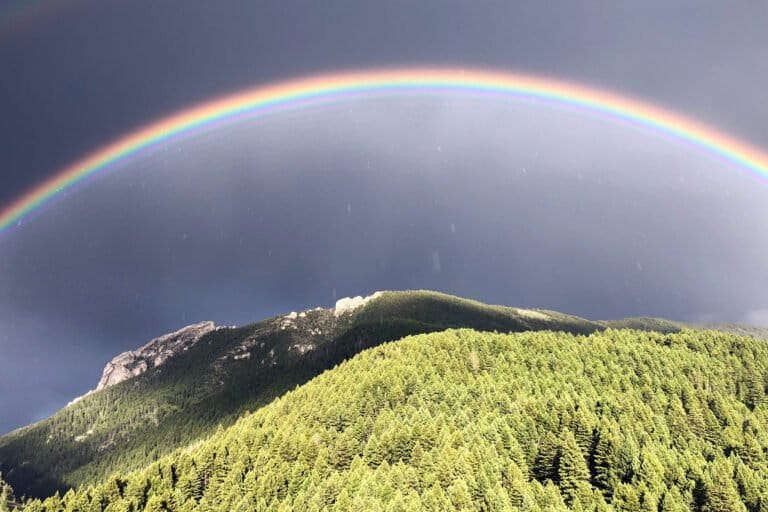
Header image: Frog Rock, which is part of Chestnut Mountain that forms the Bozeman Pass Wildlife Corridor between the Bridger Mountains to Greater Yellowstone Ecosystem across Interstate 90 at mile 314 in Montana. Photo by Gary Tabor.
Credits