- A conservation effort across Finland, Canada’s Arctic and the U.S. is trying to establish one of the first coordinated efforts to protect and restore peatlands in Europe and North America.
- At the same time, communities and organizations are leading research activities, preserving Indigenous knowledge and creating artistic spaces to raise awareness about peatland conservation.
- Although peatlands cover only about 3-4% of the Earth’s surface, studies show they contain up to one-third of the world’s soil carbon.
- Given that peatlands are overlooked and face growing risks, sources say a cross-regional approach is timely for advancing peatland conservation while helping communities become better prepared and more resilient to climate change and mining impacts.
After her father’s death, Bigga-Helena Magga and her sister were determined that their ancestral homeland, Alttokangas, a Sámi boreal forest and peatland in Finland’s Inari municipality, would not be turned into a commercial forestry operation.
“We chose to take care and protect our inherited site located along the Ivalojoki river, which held great significance to Sámi culture and way of life,” said Magga, a Sámi leader from the Ivalo community.
What began as a personal restoration project gained momentum in 2024, when it was formally recognized as the first Indigenous and community conserved area (ICCA) in Sámi lands located in Finland.
That same year, they joined an effort to create what may be the world’s first coordinated restoration hubs across boreal and Arctic peatlands in Europe and North America. A key goal is for communities across Canada, the U.S. and Europe’s Arctic to work simultaneously to find a shared framework for restoration that conserves peatlands’ rich soil carbon and mitigates climate change.
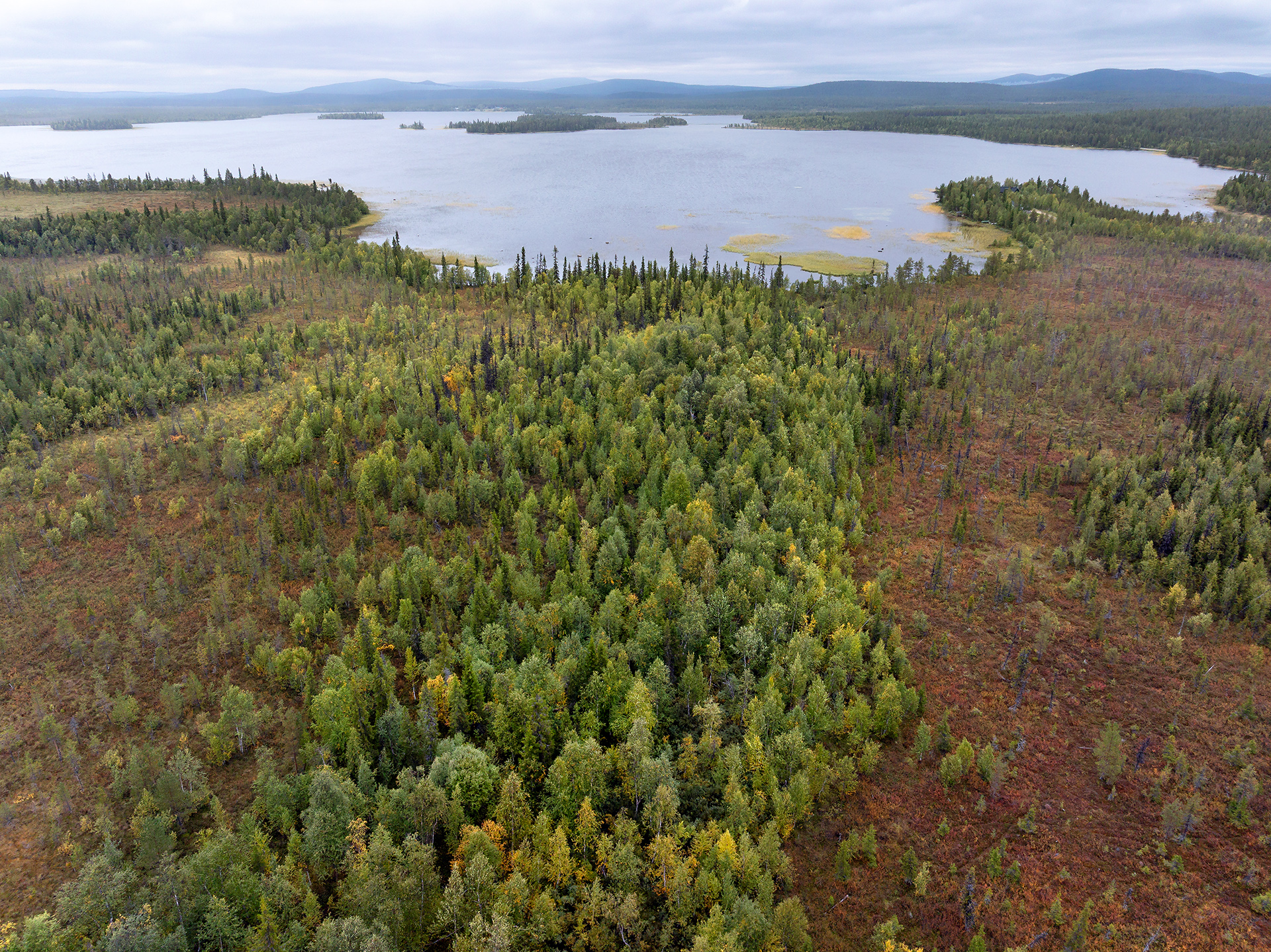
The initiative, part of the Climate Breakthrough Award program, builds on peatland conservation and restoration work led by Snowchange Cooperative, a Finland-based organization that launched its first landscape rewilding project in 2018. At the time, the effort restored peatlands from eight sites totaling 8,800 hectares (21,745 acres) to 188 sites in 2024, affecting up to 62,000 hectares (153,205 acres) in Finland. The program expands on this initiative across Europe and North America and, according to Snowchange Cooperative, now includes roughly 30,000 hectares (74,131 acres) in Gwich’in territory in Canada (Northwest Territories) and runs bog protection projects on 10,117 hectares (25,000 acres) of land in Minnesota’s Sax-Zim Bog area. The project is looking to expand this effort across other regions.
Peatlands are often overlooked, yet studies show they are among the planet’s most unique ecosystems. Although they cover only around 3-4% of the Earth’s surface, peatlands store up to one-third of the world’s soil carbon, roughly twice the amount held by all global forests combined.
“Peatlands are unsung heroes. We often talk about the Amazonia and rainforests as the lungs of the planet, but peatlands hold equal importance for climate circulation and carbon sinks,” said Tero Mustonen, founder of Snowchange Cooperative and a 2024 Climate Breakthrough Awardee. “As for the initiative’s impact on the environment, we are currently trying to work with the hubs to measure how much carbon these peatlands have locked away.”

The projects
There are currently more than 40 Finnish community Arctic Circle boreal forests and peatlands, including swamps, bogs and fens restored and conserved within the program.
In Finland, Sámi communities are documenting and safeguarding previously unprotected habitats and lands that have long supported traditional practices such as reindeer herding, fishing, berry picking and gathering materials for handicrafts. In Canada and the United States, participating communities are advancing restoration through research, the preservation of Indigenous knowledge and the weaving of textile arts to educate and communicate about bogs and peatlands.
For the Indigenous Gwich’in communities in the Northwest Territories of Canada, the initiative has strengthened protections for communal lands while supporting practical, community-led work, sources told Mongabay. Kristi Benson, who leads the initiative’s efforts for the Gwich’in Tribal Council, said this includes reopening traditional travel routes by removing willow and other invasive species and allowing access to areas of the Gwich’in Settlement Area that contain significant boreal forests, wetlands and peatlands.
“The access allows for on-the-ground observation and care of Gwich’in lands through traditional land use practices such as hunting, fishing and berry picking,” she told Mongabay.
As part of the global restoration initiative, Friends of Sax-Zim Bog (FOSZB), a northern Minnesota-based conservation nonprofit, curated an artist-in-residency program that allowed artists working in diverse media to spend time immersed in the bog and surrounding landscapes.
“The idea was to educate and communicate the significance of these habitats that are undervalued, although it has huge impact on the entire planet because of the carbon that’s stored within and the species that thrive here,” Sara Blanck from FOSZB told Mongabay.
Sax-Zim Bog is a mix of habitats supporting an array of bird and animal species, many of which depend bog ecosystems for food and shelter.
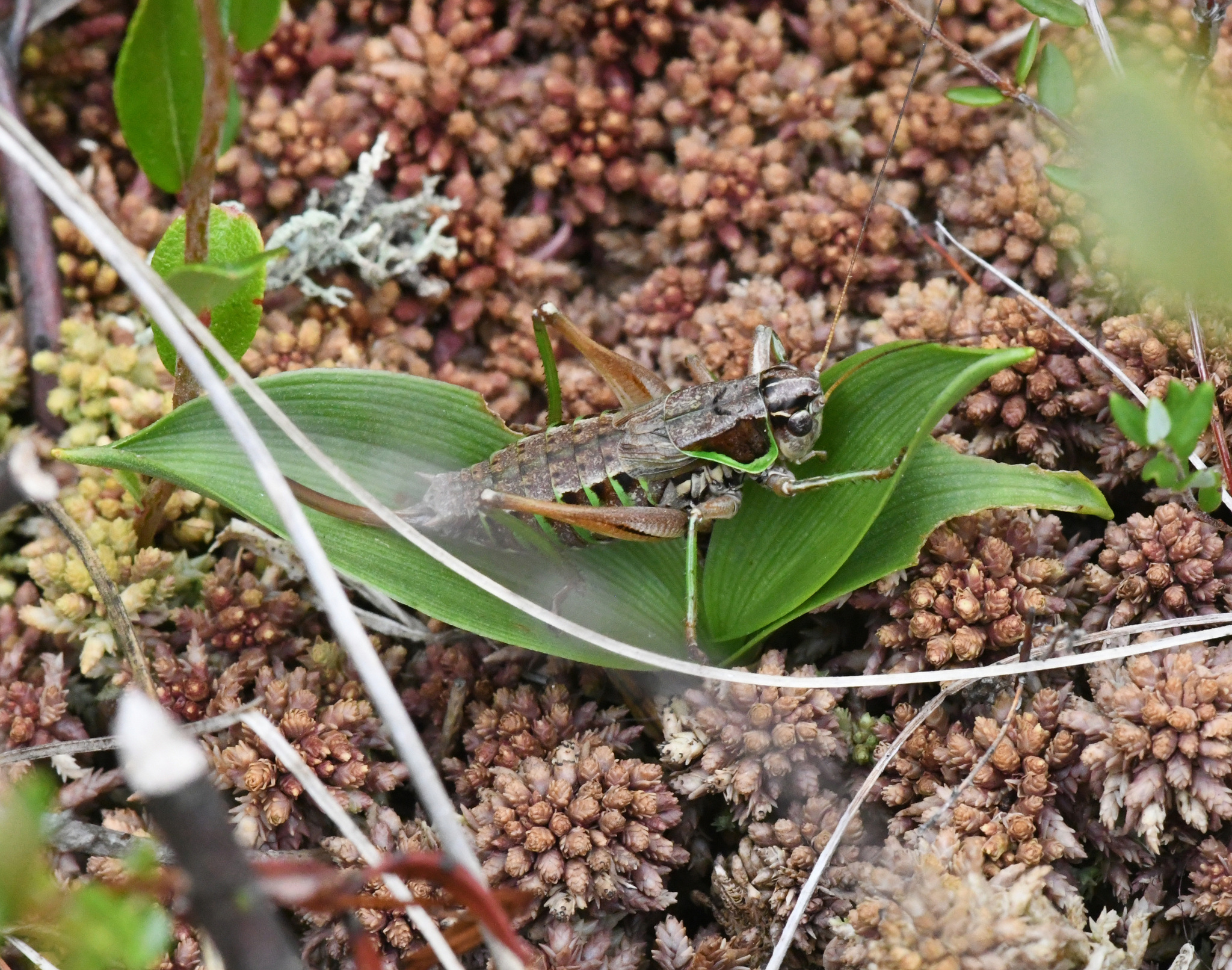
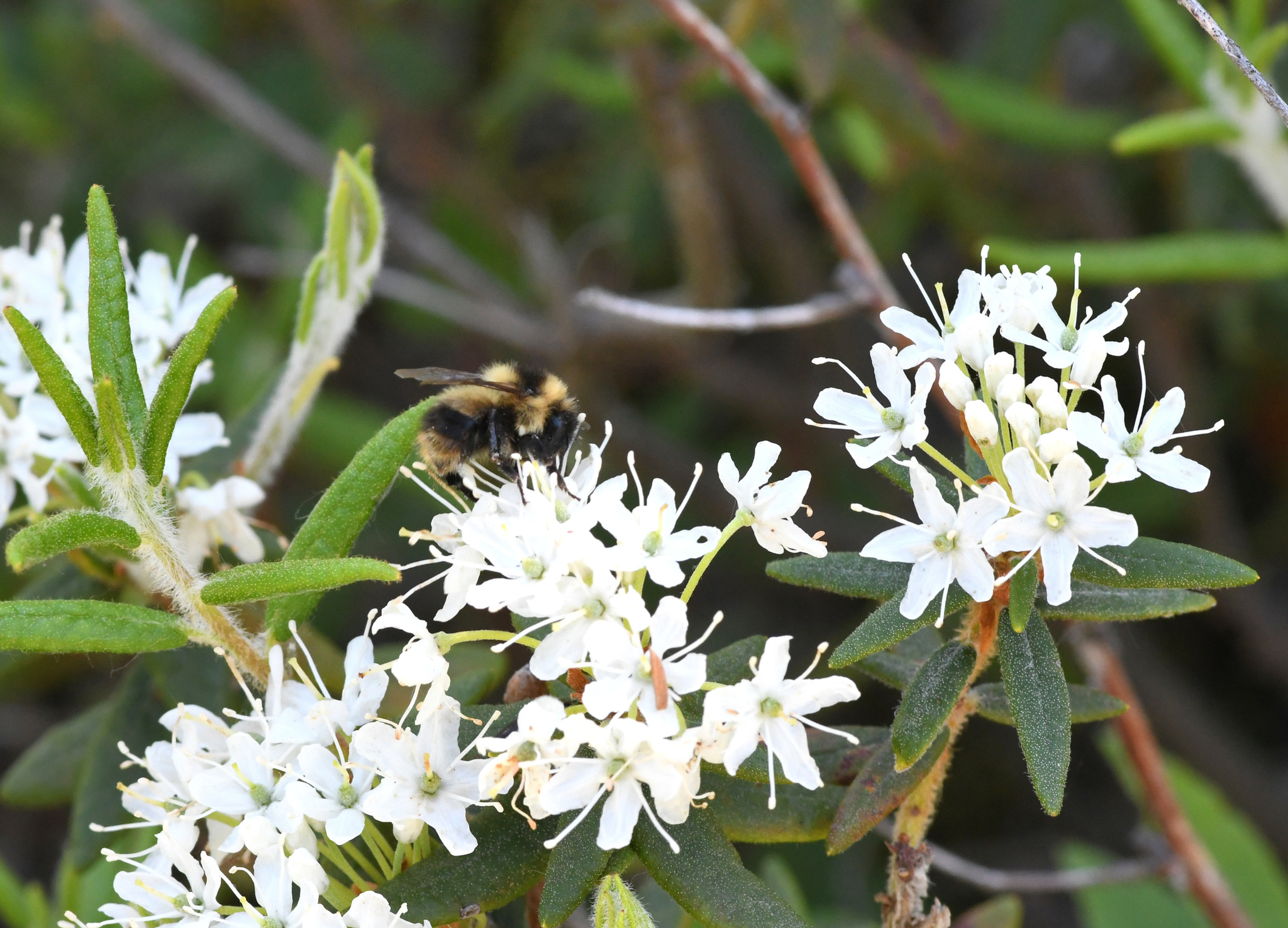
“We purchase properties to preserve them,” Blanck said. “Our organization owns 25,000 acres of land that is prime habitat for unique species like the great grey owl [Strix nebulosa], black-backed woodpecker [Picoides arcticus], Canada jay [Perisoreus canadensis], among the other 3,000 species recorded in the bog.”
Beyond their role in carbon storage, peatlands also hold significant archaeological value. Their waterlogged, anoxic (without oxygen) conditions preserve organic matter that would otherwise decompose in drier environments.
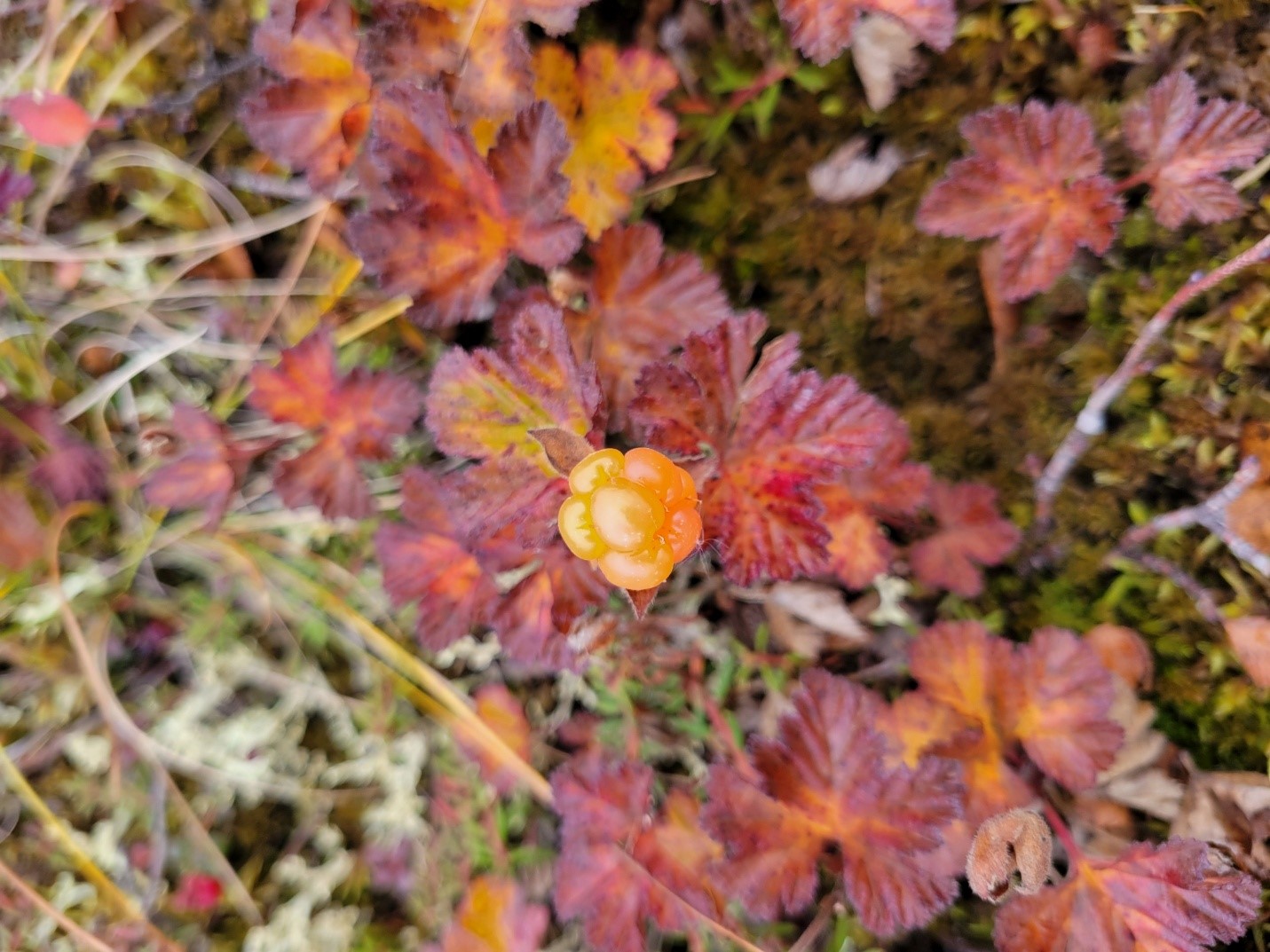
“The site serves as the winter grazing grounds of the Huuhkaja reindeer herding unit,” Magga said. “These are reindeer calving grounds and have lichen sources, which is also an Arctic cloudberry [Rubus chamaemorus] picking area for Sámi people alongside lingonberries and blueberries from the boreal forests,” she said.
Berry picking plays a similarly important role for the Gwich’in, serving not only as a subsistence activity but also as a means of cultural connection. Benson said it reinforces food-sharing traditions with the community.
“Many berries locally known as Nakàl grow on muskeg areas in the Gwich’in Settlement Region. These berries, which are found in similar wetland and peatland areas, are often shared with elders, friends and family, keeping the Gwich’in traditions alive.”
Reassessing gaps
One key difference among regions with restoration projects, said Noor Johnson, North America project lead for the Snowchange Cooperative, is the presence and condition of the permafrost, which forms part of peatland systems in the Arctic and some boreal regions.
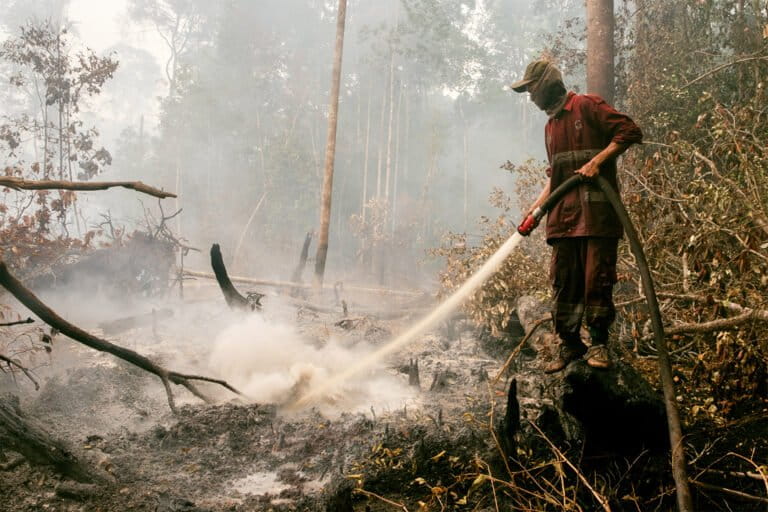
Climate change and increasingly frequent wildfires are destabilizing these landscapes, Johnson said. “When permafrost thaws, it changes the moisture content of peatland soils, causing them to break down and release stored carbon. These changes also alter the hydrology and plant composition of peatlands.”
For Sámi communities, the impacts are already visible. Magga said the lichens that reindeer rely on for winter forage have become much harder to access. “The land can be rotten or moldy, or there is too much snow, and it lingers well into spring,” she said.
Against this backdrop of climate pressure and expanding interest in mining, she said the restoration work helps communities remain vigilant and better prepared for future events.
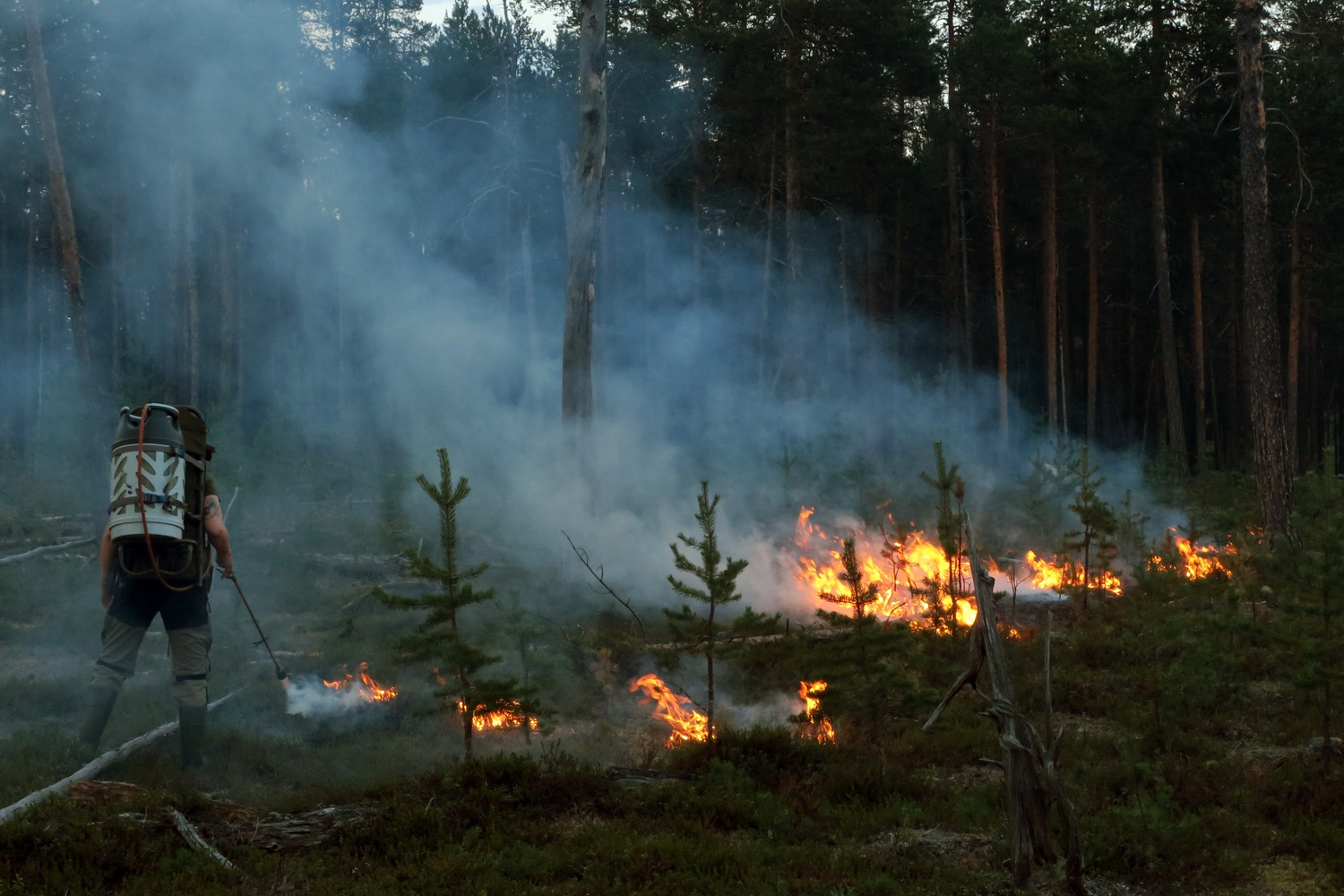
Johnson said creating hubs and working with communities globally can help prevent long-term damage from mining and infrastructure development.
“The goal isn’t to return peatlands to the same state as before disturbance,” she said, but rather to restore the ability of peatlands to support unique plant and animal species, store carbon and address larger concerns for human and wildlife health.”
Mustonen said peatlands should be elevated as a policy priority, noting that scientific research, monitoring data and traditional knowledge all support peatland conservation globally.
“No one challenges the fact that peatlands are huge carbon sinks. But the policy priority would be to enable [a mining] moratorium and conserve with Indigenous-led knowledge so that they keep on delivering.”
Banner image: Canada Jay in Sax-Zim Bog. Canada Jays are a quintessential northwoods bird that utilize Black Spruce and Tamarack Bogs for foraging and nesting. Image by Friends of Sax-Zim Bog (FOSZB).
Citations:
Virkkala, A., Rogers, B. M., Watts, J. D., Arndt, K. A., Potter, S., Wargowsky, I., . . . Natali, S. M. (2025). Wildfires offset the increasing but spatially heterogeneous Arctic–boreal CO2 uptake. Nature Climate Change, 15(2), 188–195. https://doi.org/10.1038/s41558-024-02234-5
Dabros, A., Antwi, E. K., Waldron, C., Darko, A. N., & Higgins, K. L. (2025). Risk assessment of potential impact of mining development (linear infrastructure) on peatland ecosystems in the Ring of Fire region, northern Ontario. Frontiers in Environmental Science, 13. doi:10.3389/fenvs.2025.1676633
Credits