- The Ghanaian government repealed Legislative Instrument 2462, which had empowered the president to allow mining in forest reserves previously closed to the extractive activity, including globally significant biodiversity areas.
- An act of Parliament enacted in December effected the change, with green groups describing it as a major victory for forest protection and environmental governance.
- Some experts cautioned that Ghana’s forests continue to face serious threats, stressing that concrete reforms in forestry governance must accompany the revocation.
After facing sustained pushback from environmental groups, Ghana revoked a 2022 law that had empowered the president to allow mining in the country’s forest reserves.
In December, the Minister for Lands and Natural Resources, Emmanuel Armah-Kofi Buah, introduced in Parliament the Environmental Protection (Mining in Forest Reserves) Revocation Instrument, which nullified the powers vested in the president by Legislative Instrument 2462, also known as L.I. 2462.
L.I. 2462 amended earlier mining regulations, allowing mining activities in forest reserves. Environmental groups argued that the regulation undermined decades of forest protection policies and contradicted Ghana’s Forest Development Master Plan (2016-2036), which seeks to phase out mining in forest reserves by 2036.
Speaking to the press, Minister Buah said the public outcry led the government to amend L.I. 2462.
During his electoral campaign for Ghana’s 2024 general elections, then-opposition leader John Dramani Mahama promised to repeal L.I. 2462 if elected. He won and assumed office Jan. 7, 2025.
“This clearly must send a message that this government is committed to basically ensuring that we continue to protect our pristine forest reserves and our environment,” Buah said.
A coalition of civil society organizations (CSOs) and public interest groups commended the government and Parliament for the rollback of L.I. 2462, describing the move as a major victory for forest protection and environmental governance.
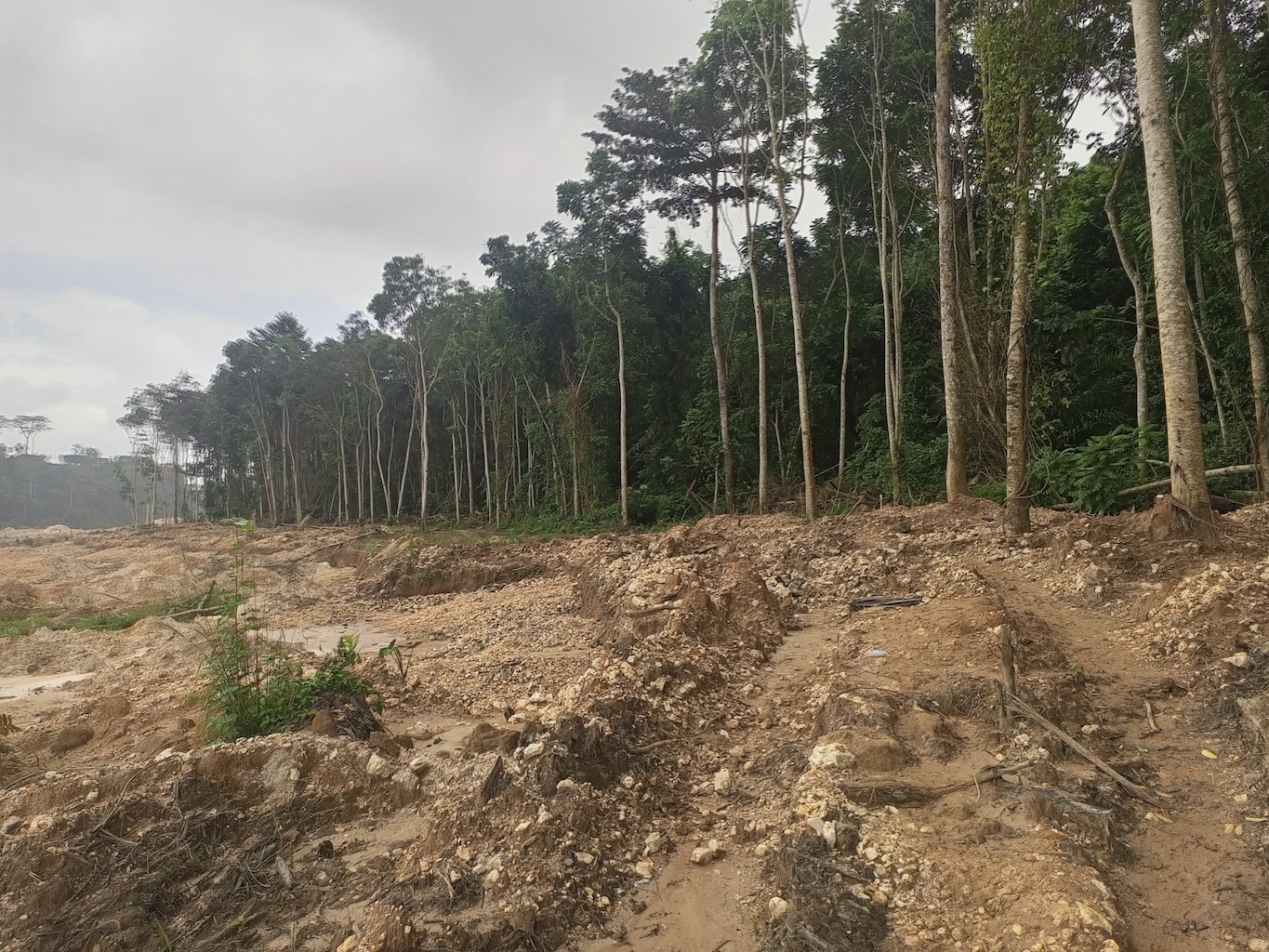
In a statement, the coalition noted that L.I. 2462 exposed Ghana’s forest reserves, including globally significant biodiversity areas, to serious risks from mining activities.
Mongabay reported on the potential repercussions of the L.I. for Ghana’s forest reserves, highlighting impacts observed in forested areas where mining is permitted.
According to the coalition, before 2022, only 2% of legally recognized production forest areas were open to mining, with 98% fully protected. A production forest is a forest set aside for the sustainable harvest of timber and non-wood products, including mushrooms and medicinal plants, under environmental care.
This, the coalition said, also weakened Ghana’s alignment with international environmental commitments, including the Paris Agreement, which requires governments to reduce carbon emissions across all sectors, including by keeping carbon-sequestering forests intact. Opening up key biodiversity areas to mining also ran counter to Ghana’s commitments under the Convention on Biological Diversity.
In October 2024, CSOs, including labor unions, held weeks of demonstrations against environmentally disastrous mining, including the threat of a nationwide labor strike. The Trades Union Congress, representing Ghana’s labor unions, put forward three main demands: withdraw L.I. 2462, declare an emergency to tackle illegal mining and enforce stricter actions to stamp out illegal mining in forest reserves.
Even though the CSOs welcomed the decision, they cautioned that Ghana’s forests continue to face serious threats and stressed that concrete reforms in forestry governance must accompany the revocation.
The revocation, they said, should translate into a renewed commitment to ensure that Ghana’s vital forest ecosystems not only exist on paper but thrive for the benefit of all.

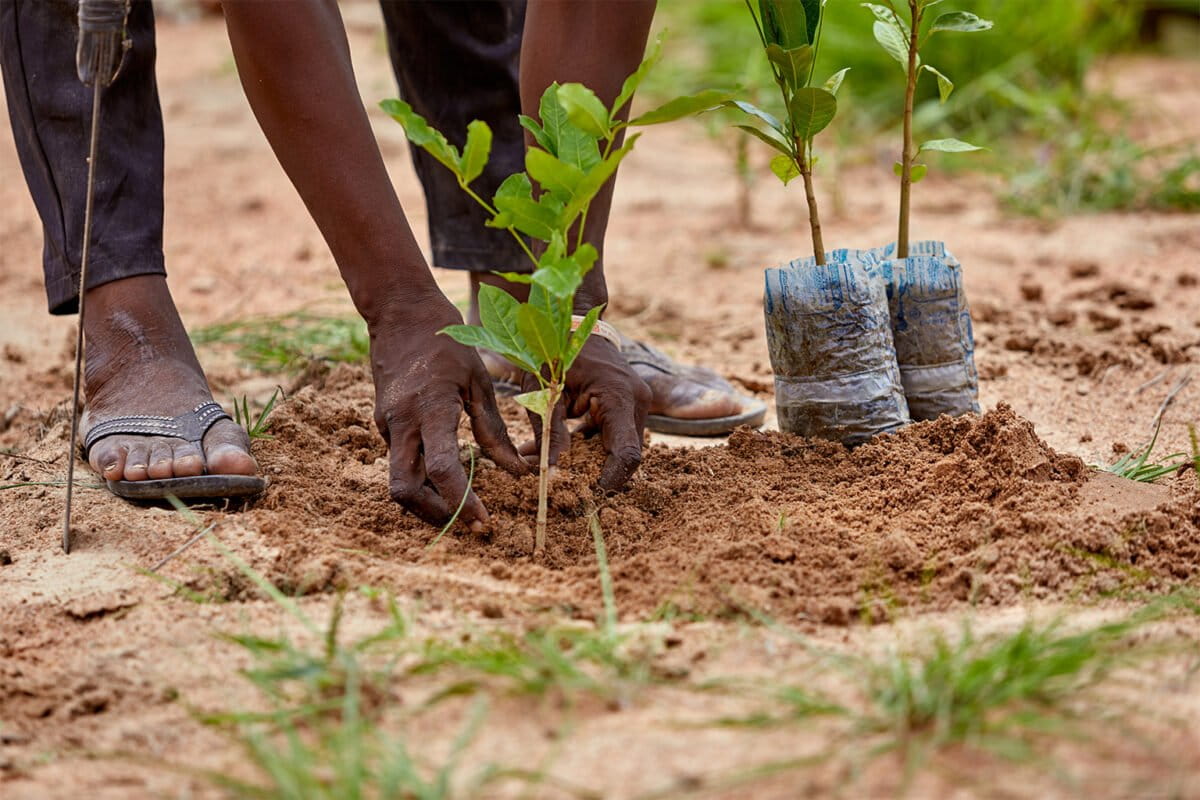
“It is time to grow back Ghana’s forests. We therefore urge priority action to develop and implement a National Forest Protection Strategy in collaboration with national and international partners,” the CSOs said. “Ensure that the ‘Tree for Life’ program targeting forest reserves is well coordinated and fully implemented so that it genuinely contributes to forest restoration rather than serving as rhetoric.”
Green groups also highlighted the need to restore areas outside forest reserves that were affected by mining.
In an interview with Mongabay, Awula Serwah, the founder of the group Eco-Conscious Citizens, said that although L.I. 2462 has been revoked, chronic encroachment by illegal artisanal miners, poaching and illegal logging continue to destroy forests slowly, and this must be addressed with the urgency it deserves.
“L.I. 2462 was state-sponsored destruction of our forest reserves,” Awula said. “As for the illegal miners, they are not waiting for licenses to mine, and the revocation of L.I. 2462 makes no difference to them. They are not concerned with laws. They just cause ecocide with impunity.”
Banner image: Foothills of the Atewa forest range, one of several ecologically sensitive areas where mining permits have been issued. Image by Ahtziri Gonzalez/CIFOR via Flickr (CC BY-NC-ND 2.0)
Cite this article
Awudu Salami Sulemana Yoda (2026). Ghana repeals legislation that opened forest reserves to mining. Mongabay Conservation news. DOI: https://doi.org/10.66709/news-312706Credits