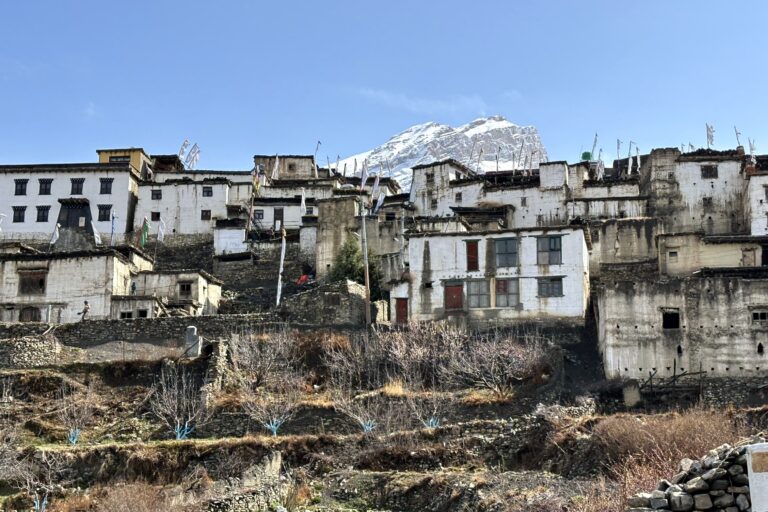
- In southern Chile’s Huellelhue River estuary, three Mapuche Huilliche communities are leading efforts to restore the natural beds of the choro mussel through a participatory governance model that brings together ancestral knowledge, science and education.
- Intensive harvesting during the 1990s led to the collapse of this mollusk, disrupting local ecosystems and the livelihoods of coastal communities.
- After confirming the mussel’s critical state, a total harvesting ban was declared in 2019; the communities formally requested that the Undersecretariat of Fisheries and Aquaculture extend it to 2026.
- Thanks to the ban, the mussel population is now showing clear signs of recovery, while Indigenous communities and experts implement a sustainable management plan and a laboratory-based repopulation program.
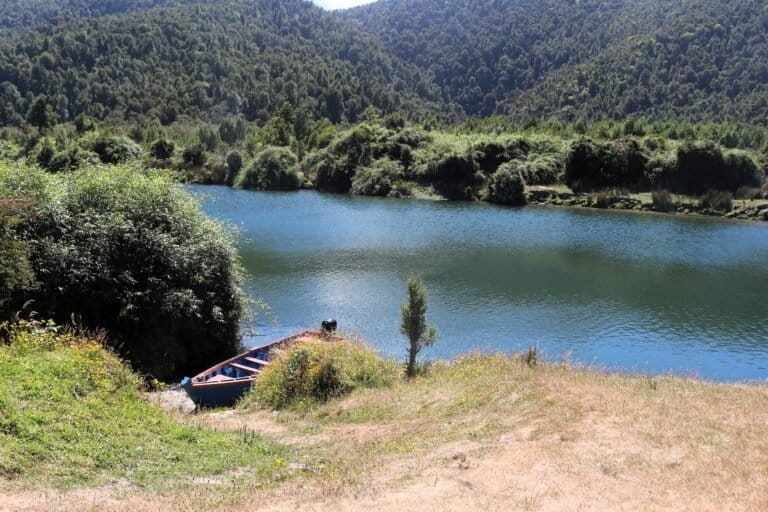
Huellelhue means “place for swimming” in Mapudungun. It’s also the name of one of the rivers that flow through the Lafken Mapu Lahual Multiple-Use Conservation Area, established in 2005 in southern Chile’s Los Lagos region. The name of this area is more than just a grouping of words, says Eduardo Vargas, president of the Nirehue community. “It’s a spiritual geography where the Mapuche Huilliche people have, for generations, woven their connection with the water, forest and life itself,” he says.
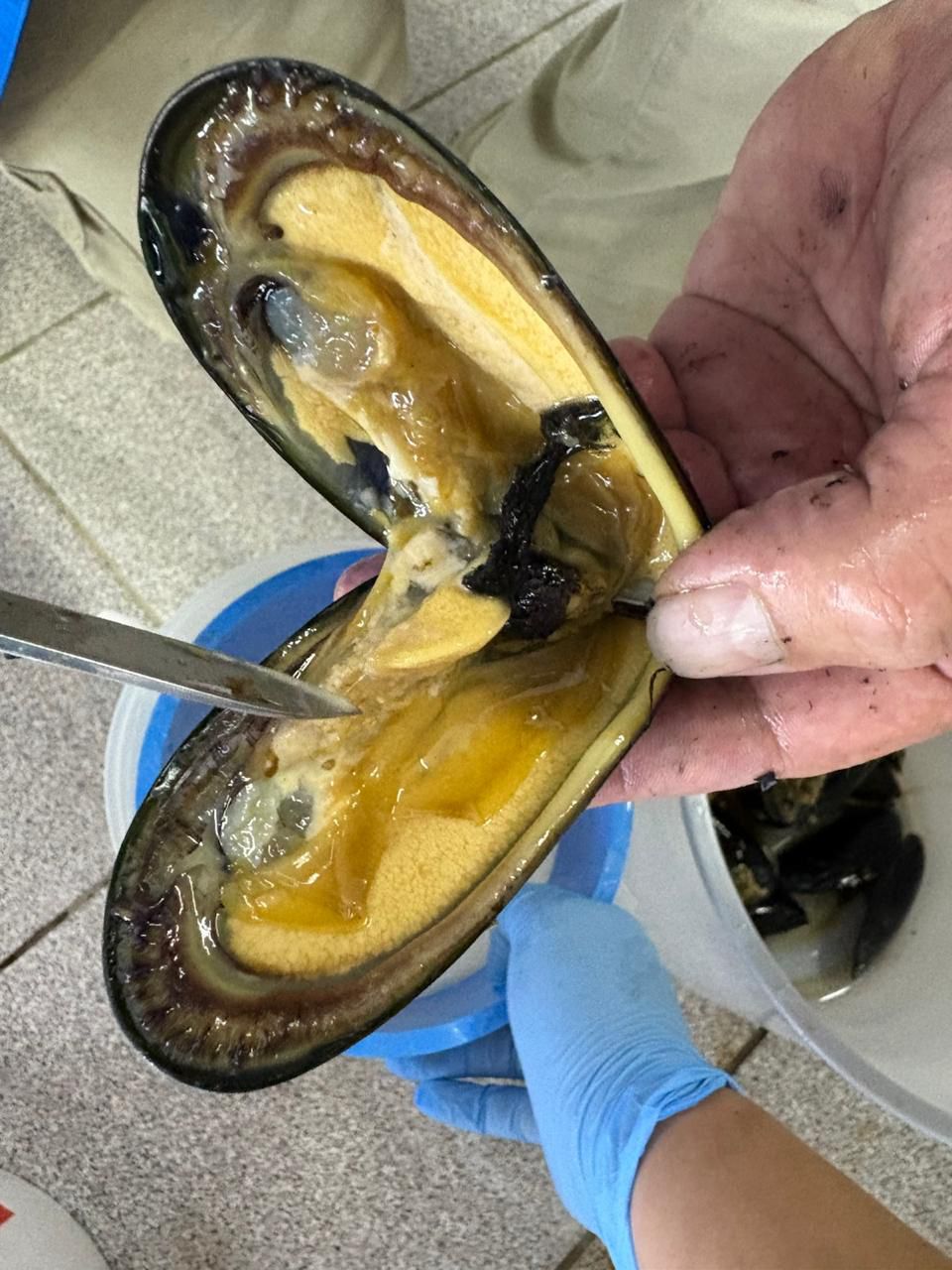
The Huellelhue River estuary is home to natural beds of the choro mussel (Choromytilus chorus), a large mollusk native to the coasts of Chile and Peru. This filter-feeding species thrives in the estuary’s mix of fresh and brackish waters, where the unique ecological conditions support its reproduction and survival. For the three Indigenous communities that live along its shores — Caleta Huellelhue, Lonko Milef and Nirehue — the choro mussel carries deep cultural and environmental meaning. They recognize it as part of their alimentary heritage and their ancestral connection to the estuary.
Yet decades of intensive harvesting by local divers and outsiders alike led to a drastic decline in its population.
In response, Indigenous communities called on Chile’s Undersecretariat of Fisheries and Aquaculture (SUBPESCA) in 2018 to adopt urgent measures. The following year, authorities established the first harvesting ban. Thanks to this restriction, the natural mussel beds in the area have grown substantially, heralding the recovery of this emblematic species.
Now, conservation strategies are underway that aim not only to restore the choro mussel as a flagship species, but also to strengthen the dialogue between ancestral knowledge and modern science. These efforts are helping to consolidate a participatory governance model that arises from the territory itself and reflects the voices of Indigenous communities striving to harvest this resource with respect and sustainability in mind.
The price of overexploitation
During the 1990s, choro mussels in the Huellelhue River estuary faced relentless harvesting with no regulations in place, which pushed their natural beds to the brink of collapse. At the time, there were no studies to define sustainable extraction limits, or assessments of the ecological impact of the harvesting.
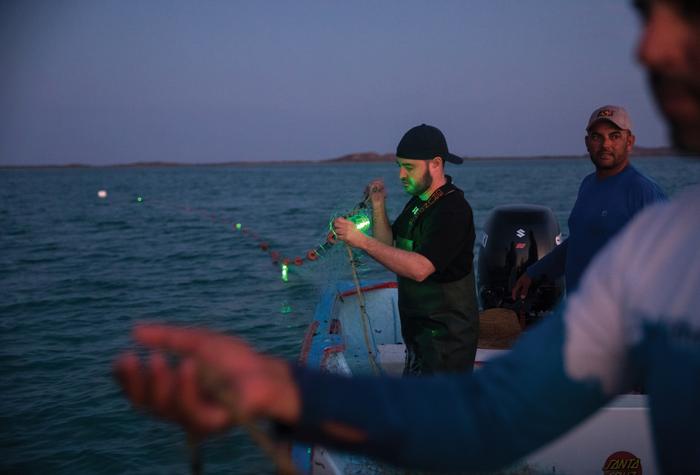
By 2015, efforts to understand the state of the mussel beds began in earnest, led by the Chilean environmental organization Pesca Sustentable, which promotes improvements in traditional fishing practices. With little prior scientific data available, researchers turned to the communities themselves, drawing on their ecological memory through interviews and participatory workshops to piece together a picture of the choro mussel’s decline.
What emerged was a striking narrative: People from Caleta Huellelhue, as well as from other areas such as Bahía Mansa, would harvest choro mussels with no restrictions, hauling away sack after sack of the mussels to be sold in towns across southern Chile.
Miguel Espíndola, ocean conservation director at Pesca Sustentable, warns that where choro mussels grow — just 2 or 3 meters (6-10 feet) below the surface — makes them extremely easy to exploit. “It only took minimal equipment to collect large quantities in a short time, which makes it a highly vulnerable resource,” he says.
The indiscriminate extraction continued until the mussel beds simply collapsed in the 1990s. People who were directly involved in exploiting the resource acknowledge this reality.
Vargas recalls those years candidly: “I don’t want to shirk responsibility either, because in the end almost all of us working in Caleta Huellelhue were involved. We simply weren’t aware of the damage we were causing,” he says.
“Although the choro mussel was once harvested in huge quantities, so much so that a diver could collect up to 1,000 kilos [2,200 pounds] in a single day, overexploitation eventually reduced that amount to around 25 kilos [55 lbs] per day,” Vargas recalls.
At the same time, the mussels sold at very low prices, between 100 and 150 pesos per kilo (roughly 25-35 U.S. cents at the exchange rate at the time, or 11-16 cents per pound). While the volumes harvested were enormous, the economic return was minimal and the ecological impact high.
The disappearance of the natural beds of choro mussel, a key filter-feeding species, diminished the ecosystem’s ability to clean the water, caused habitat loss for other marine species, and disrupted the nutrient balance in the estuary, Espíndola says.
Protection of the choro mussel
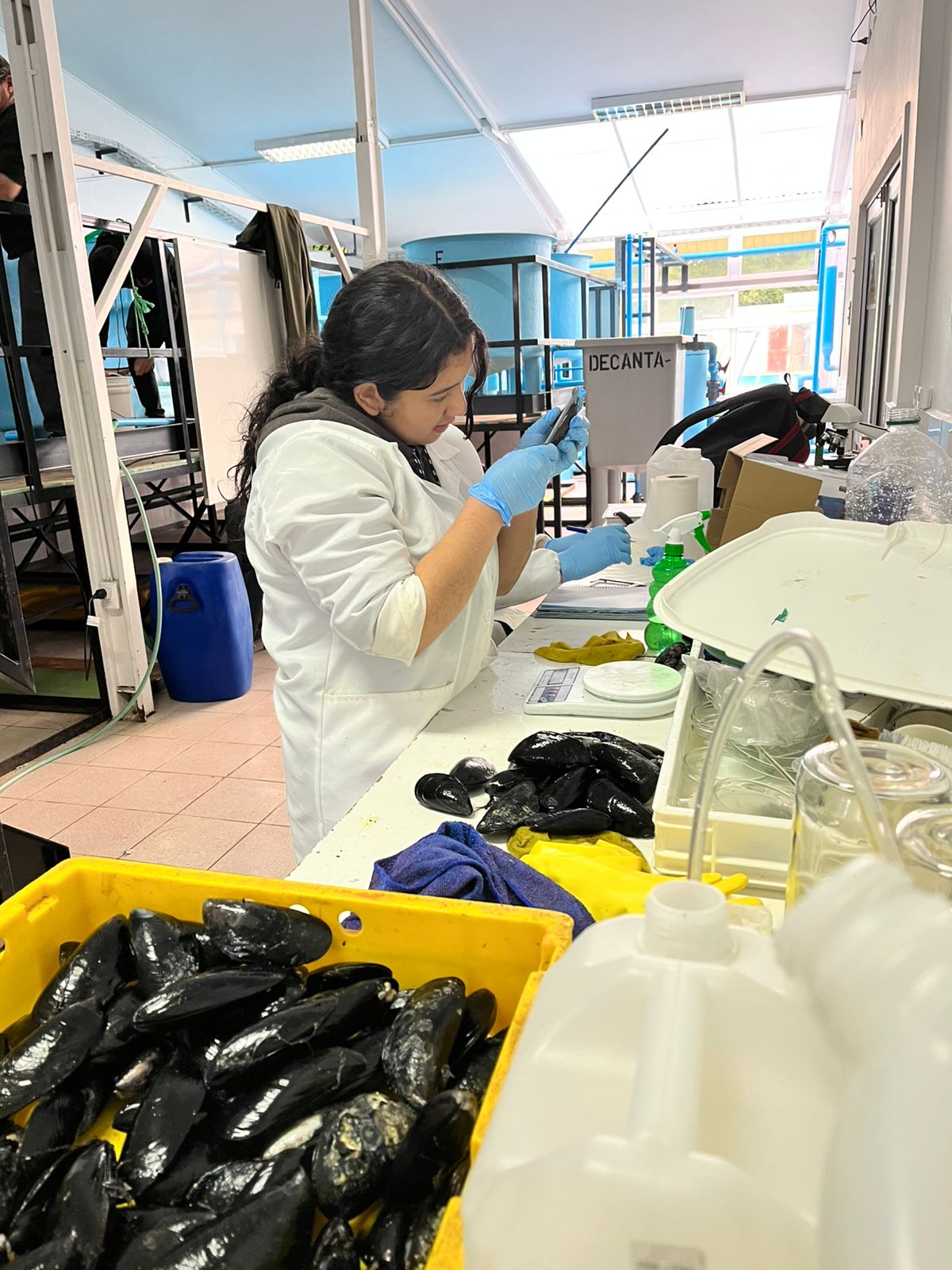
As part of strategies led by local communities in collaboration with Pesca Sustentable and environmental authorities, a total harvesting ban on choro mussels was implemented in 2019 in the Huellelhue River estuary. This measure, included in the management plan for the Lafken Mapu Lahual Multiple-Use Conservation Area, marked a turning point in the recovery of the natural mussel beds after decades of uncontrolled extraction.
The results have been tangible. From an estimated 22 metric tons in 2015, the natural mussel beds grew to 92 metric tons in the latest monitoring conducted in December 2024. In light of this progress, the communities, together with the Ministry of Environment and SUBPESCA, reached an agreement to extend the harvesting ban for another year, until August 2026. This extension also includes the protection of the Chilean mussel (Mytilus chilensis) as a protected species. It was also established that once the ban ends, choro mussel harvesting will be limited to just 10-15% of the natural beds, ensuring the resource’s sustainability and preventing a repeat of past mistakes.
For Espíndola, the regulated reopening of the natural mussel beds will require responsible and rigorous management, as the resource is still in recovery. “When the ban ends, harvesting must be managed under a very strict system,” he says.
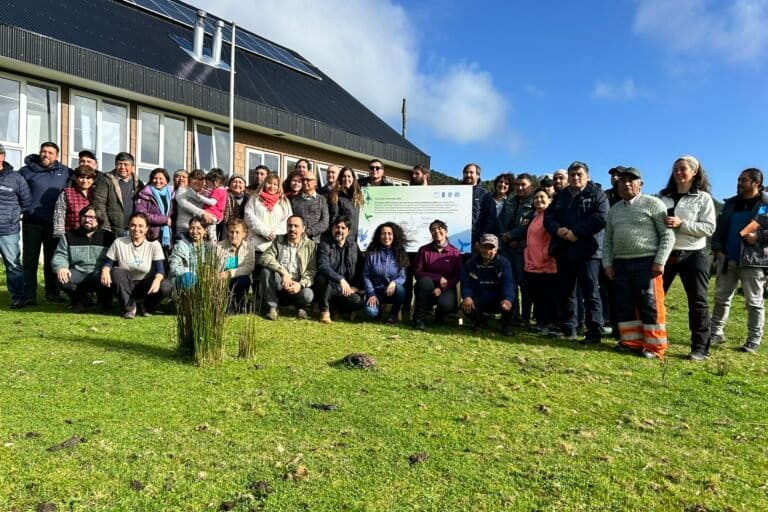
Currently, work is underway to design a precautionary management plan that would allow choro mussel harvesting without compromising its recovery. The proposals, developed with the communities through participatory workshops, will be formalized in a public-private working group including representatives from the United Nations Development Programme (UNDP), SUBPESCA, the Ministry of Environment, the Fisheries Service, maritime authorities and local organizations. The goal is to translate the recommendations into an official resolution that establishes extraction quotas and sustainable, participatory management mechanisms.
Educational initiatives form part of the efforts to restore the choro mussel habitat in the Huellelhue River estuary. These programs link technical training with territorial restoration through a choro mussel repopulation project in the estuary.
The future repopulation of the choro mussel
In 2021, Mehuín Polytechnic School of Fisheries, a technical-professional education institute, launched a pioneering project to cultivate choro mussel seed.
Fabiola Chomalí, head of production at the school, says the facilities were redesigned, and a laboratory and hatchery established to enable the production of microalgae and bivalve mollusks under controlled conditions. This infrastructure not only strengthens students’ technical skills, “but also opens new opportunities for their future employment in the aquaculture sector,” she says.
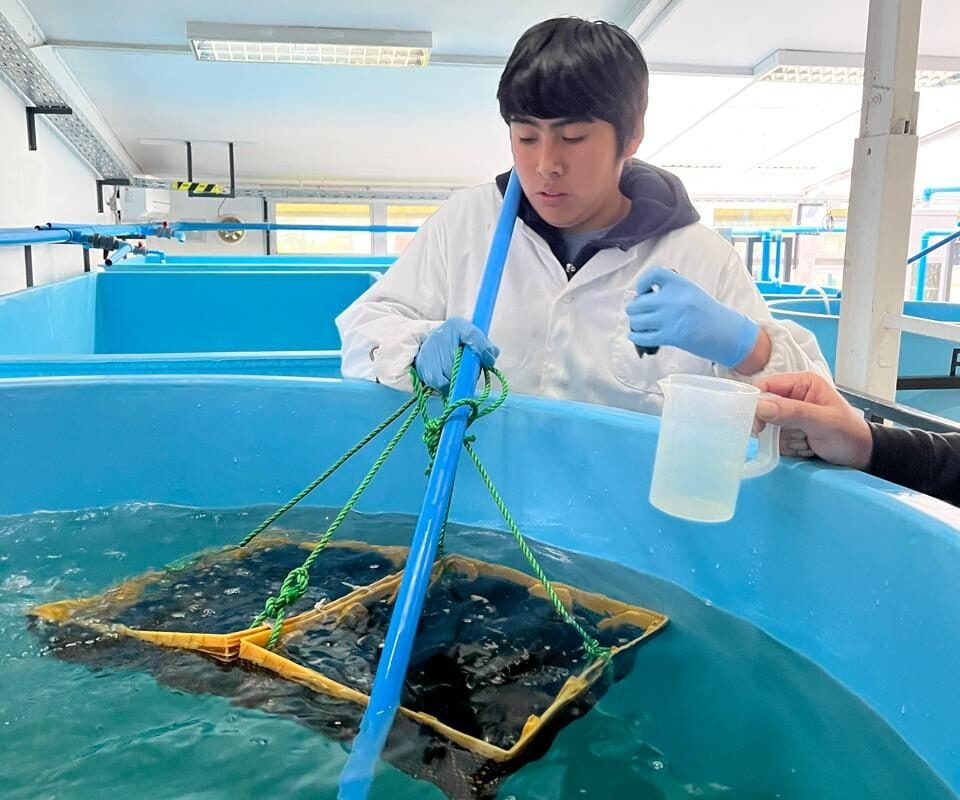
This collaborative work set the foundation for a partnership with the NGO Pesca Sustentable, whose goal is to produce 1 million baby choro mussels, called seed, for repopulating the estuary. The idea, scheduled to have started in September, is to transfer reproductive mussels from the natural beds to the school’s hatchery, where they’ll be conditioned to spawn and produce seed for cultivation, a process that takes about 40 days.
“Soon the school will be producing seed from the Huellelhue mussels for repopulation, which also helps strengthen local technical education,” says Espíndola from Pesca Sustentable.
Chomalí says the mussel larvae will then be returned to the estuary for a pre-growth stage lasting around two months, during which they’ll reach a size of 1-2 centimeters (0.4-0.8 inches) depending on the location, season, temperature and food availability.
“In total, the process of producing seed suitable for repopulation should take between three and four months,” Chomalí says.
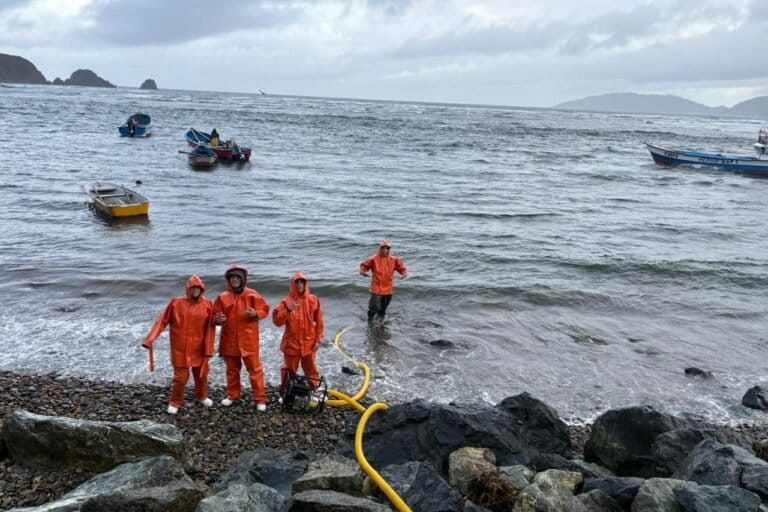
Both the management plan and the repopulation techniques are part of the Incentives for Biodiversity Conservation project funded by the Global Environment Facility (GEF), UNDP, the Ministry of Environment and Pesca Sustentable.
“We never imagined we would be repopulating Caleta Huellelhue with choro mussels,” Vargas says. “This is happening now because we finally have the resources to carry out all the work required, which is substantial and requires considerable investment. But fortunately, with this program, we are making it happen.”
Amerindia Jaramillo, national coordinator of the GEF Incentives for Biodiversity Conservation project, says the approach represents a profound shift in thinking. “In Chile, we have tended to see conservation and productive development as if they were opposites, a false dichotomy,” she says. “But in practice, local communities, and especially Indigenous ones, have long been integrating both approaches.”
Jaramillo, a biologist, says the state often operates in a fragmented way, whereas this project seeks to recognize the knowledge that already exists in the territories and “incorporate it into the design of new public policy instruments that integrate conservation and development coherently.”
Experiences such as that of the Lafken Mapu Lahual conservation area demonstrate that “conservation is not an isolated practice or something separate from daily life, but an integral way of relating to the territory and envisioning a sustainable future from within the communities themselves,” Jaramillo says.
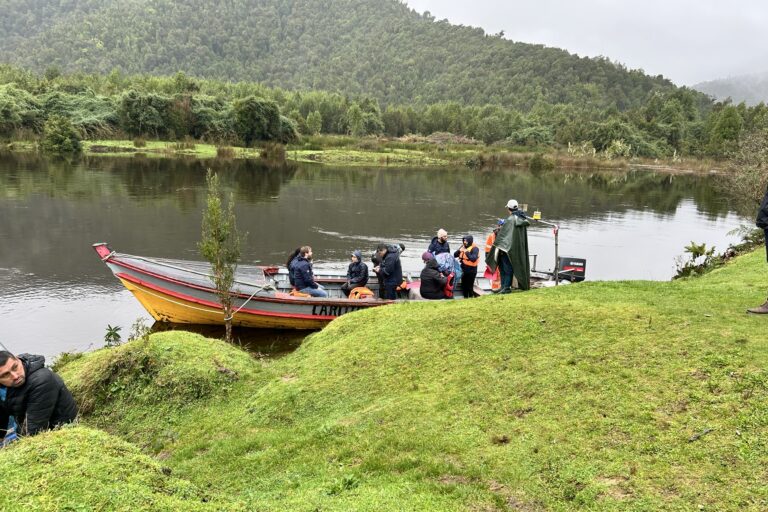
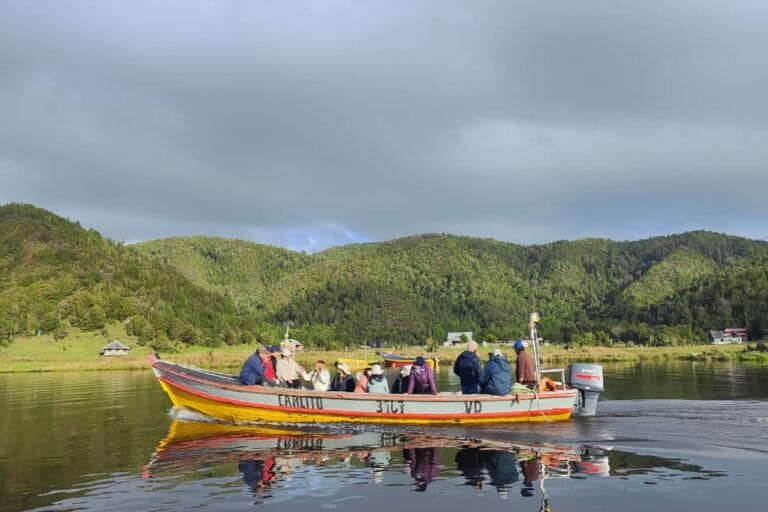
Banner image: Representatives of the GEF, Pesca Sustentable and local communities working on site in Caleta Huellelhue. Image courtesy of Pesca Sustentable.
This article was first published here in Spanish on Sept. 6, 2025.
Credits