- Indigenous fisheries association and river guardians, representing several Mi’kmaq nations in eastern Canada, have launched a drone-based thermal-mapping campaign to locate and protect cold-water refuges vital for threatened Atlantic salmon.
- Warming temperatures are pushing the Atlantic salmon beyond their ideal thermal tolerance, compounding existing pressures on the species, such as overfishing.
- Warming waters and declining river flows during droughts are impacting both the fisheries and the cultural lifeblood of Mi’kmaq society.
- Indigenous river guardians hope the project will pre-emptively shield cool-water habitats before key spawning and migration corridors become unviable.
GASPÉSIE, Canada — In Quebec’s Gaspésie region, Indigenous river guardians say they are in a race against climate change to protect the Atlantic salmon (Salmo salar).
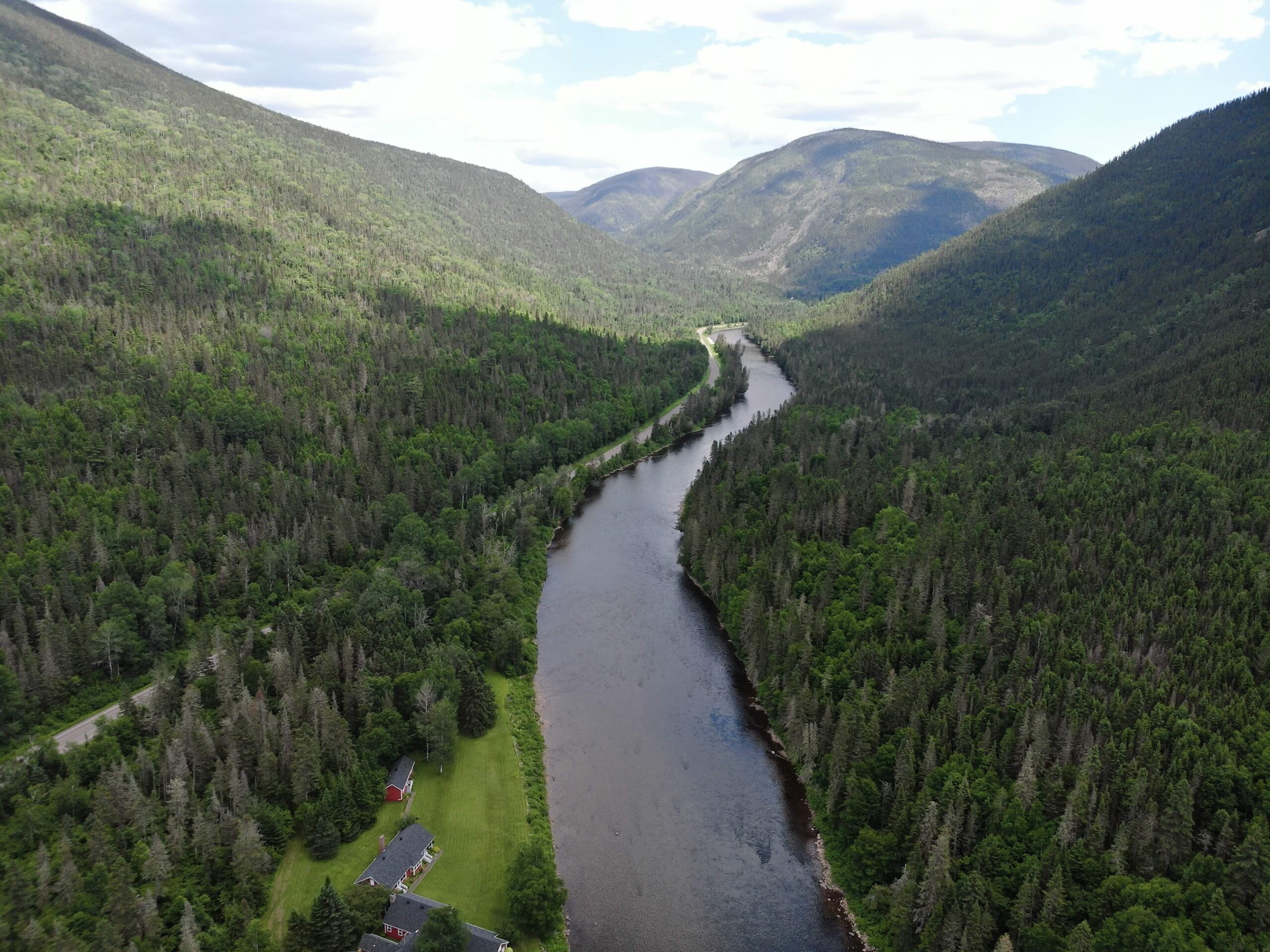
The Mi’gmaq Wolastoqey Indigenous Fisheries Management Association (MWIFMA), serving the Gesgapegiag, Gespeg and Wolastoqiyik Wahsipekuk First Nations, has launched a drone-mapping program to locate cool-water refuges in river systems before they disappear as temperatures rise. Using thermal-infrared cameras, the team surveys entire river lengths, generating color-coded temperature maps that reveal cold pockets critical to salmon survival.
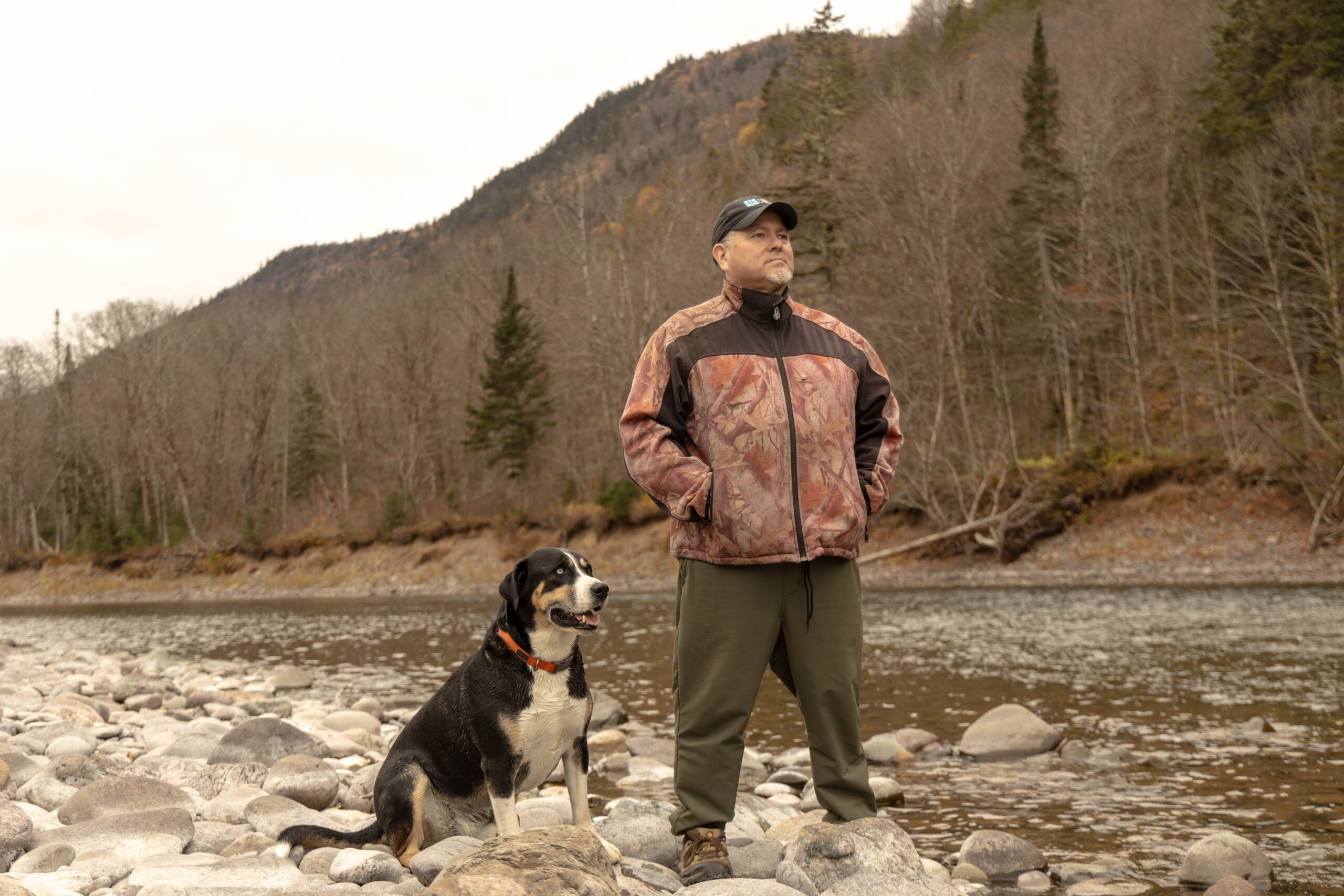
Stephen Jerome, an elder of the Mi’kmaq community living in Gesgapegiag, says he has witnessed firsthand the cumulative toll on salmon populations that have sustained his people for thousands of years. Overfishing has depleted once-abundant stocks in the region, while climate change delivers a double threat: Warming temperatures push Atlantic salmon beyond their ideal thermal tolerance.
“Recent droughts have left cold, deep refuge pools shrinking or disappearing entirely,” he says.
Salmon typically prefer temperatures of 12-17° Celsius (53.6-62.6° Fahrenheit) with heat stress beginning around 20°C (68°F) and lethal exposure at 25-28°C (77-82°F). According to a study, many Quebec rivers are climbing 0.7-0.9°C (about 1.3-1.6°F) per decade, and current models estimate river water temperatures in eastern Canada will climb by 3.2°C (5.8°F) by the end of the 21st century under high greenhouse gas scenarios.
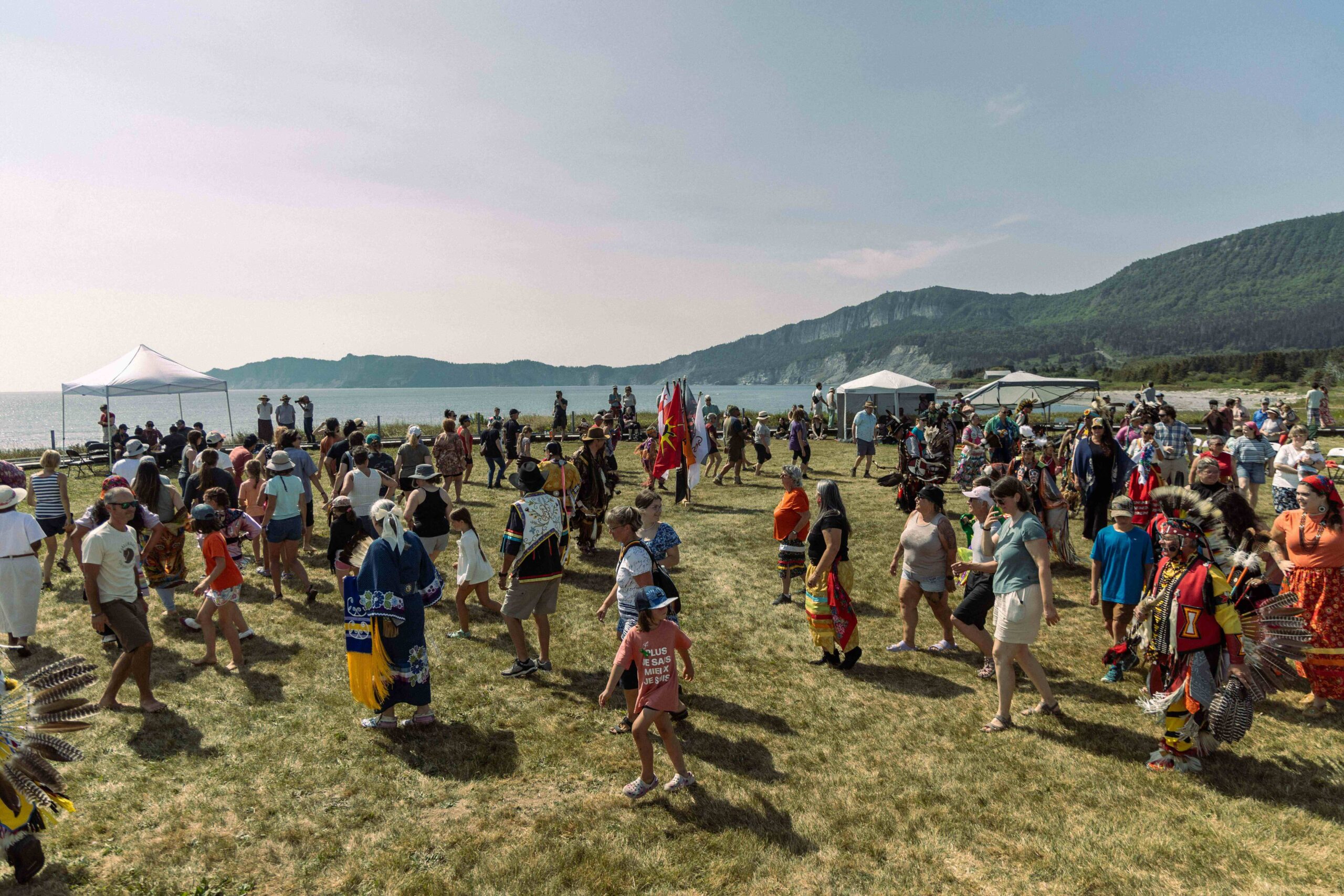
“Salmon is the backbone of life for us; that’s what we eat,” Jerome adds, emphasizing the weight of both cultural tradition and present-day reality. For the Mi’kmaq, salmon is central to ceremonial practices, community gatherings and the transmission of knowledge between generations. The fish’s decline threatens not just food security, but cultural continuity itself.
According to Valerie Ouellet, vice president of research and environment at the Atlantic Salmon Federation, warm river stretches can affect Atlantic salmon migrations just like dams do unless cold patches are identified and preserved to maintain connectivity over long migration routes.
Leading the thermal mapping initiative is Samuel Bourgault, a member of the Wolastoqiyik Wahsipekuk Nation who joined MWIFMA in December 2023.
“What brought me to get involved in this project is both my academic background and my personal journey,” Bourgault explains. “I studied environmental science at Université Laval with the goal of working directly for and with First Nations.” For Bourgault, the work represents more than scientific research: It’s about serving communities and protecting fish habitats that hold major cultural importance.
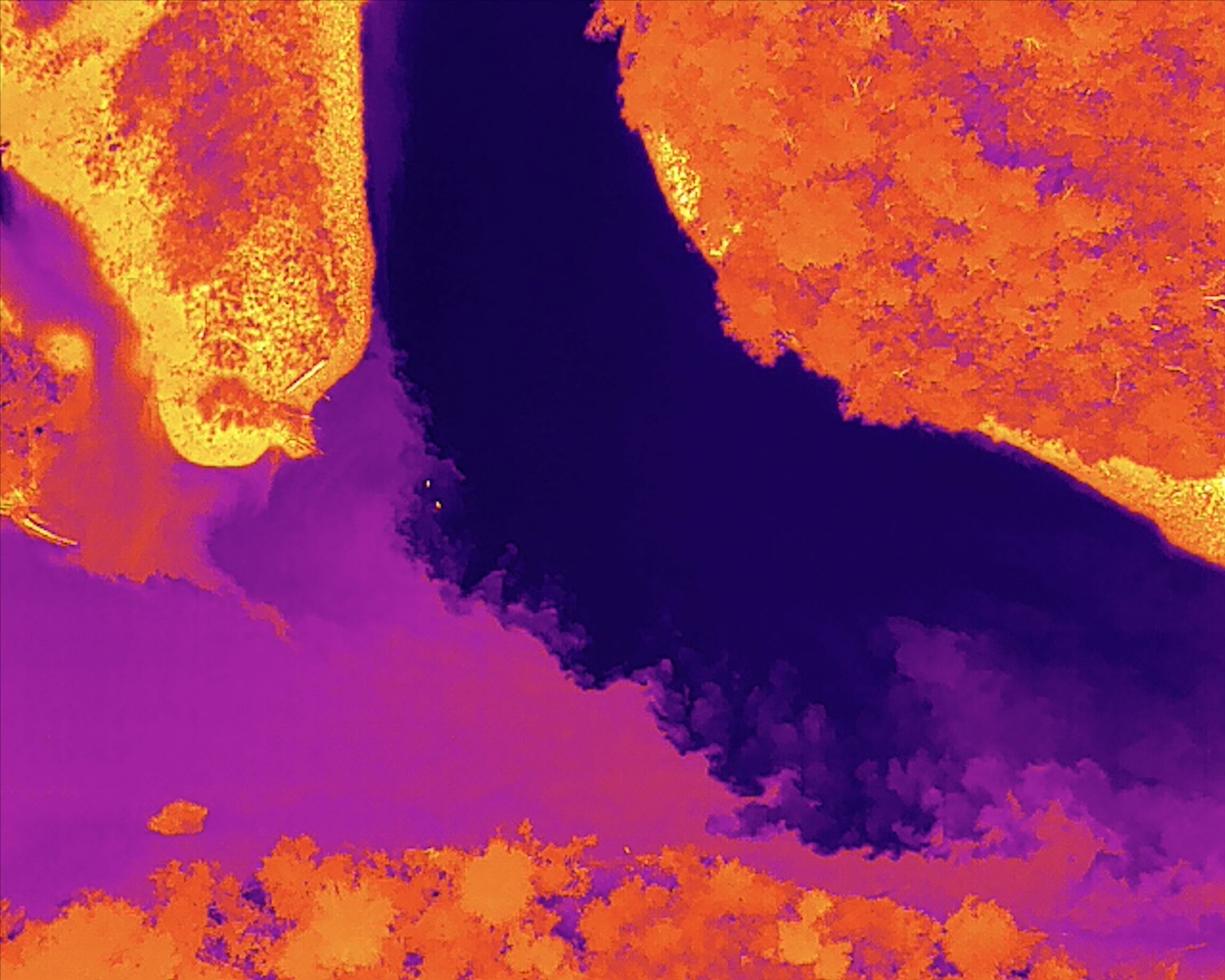
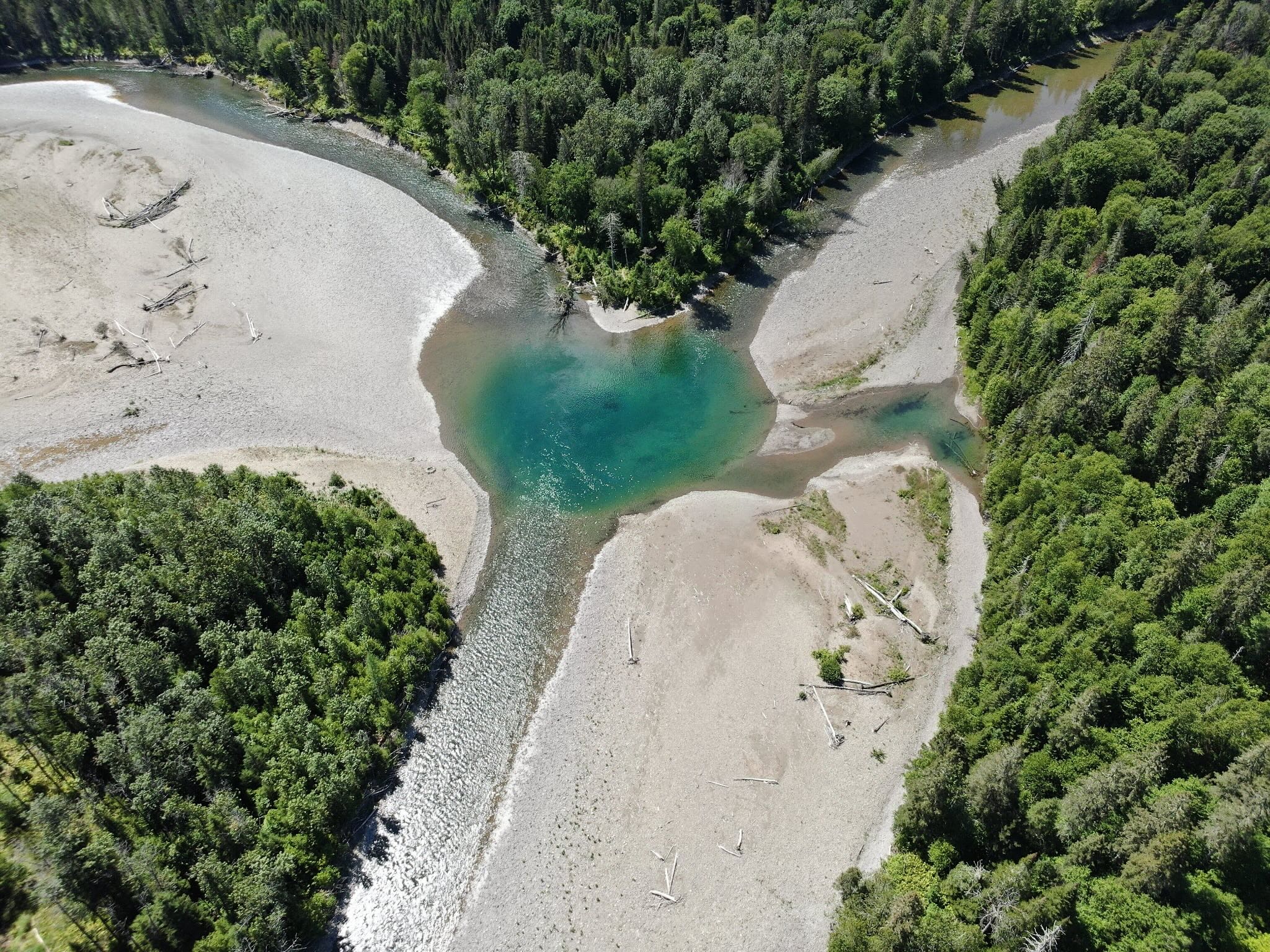
MWIFMA’s mission centers on sustainable management and conservation of aquatic ecosystems in its territories. This initiative is framed as proactive climate adaptation: By finding cold-water refuges right away, communities can then protect key salmon habitats before summer heat waves make them too warm.
Bourgault’s project covers vast territory spanning two large rivers, the Bonaventure and Grand Cascapédia, which feed numerous smaller river systems throughout the Lower St. Lawrence and Gaspésie regions.
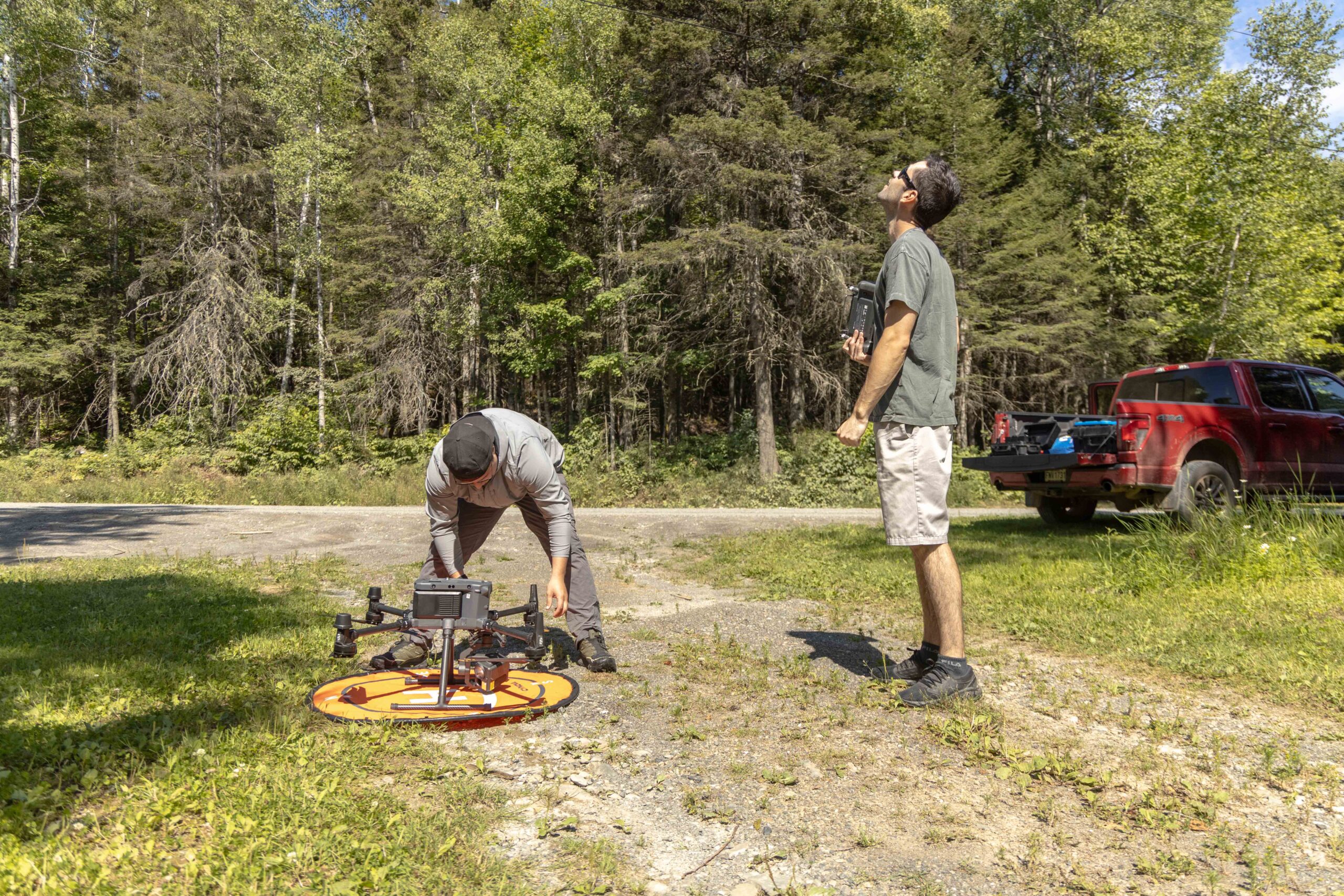
Under Bourgault’s leadership and with the assistance of Miguel Comeau, MWIFMA’s two-person drone team works hand in hand with local Indigenous river guardians and technicians. Guardians — community-based monitors deeply familiar with their territory — help navigate sensitive or sacred sites during data collection, ensuring mapping flights respect cultural boundaries and traditional laws.
Other Indigenous stewardship programs across Canada are also embarking on initiatives that blend high-tech and traditional knowledge, such as projects that monitor fisheries, conduct climate research and restore salmon habitats in accordance with Indigenous science and laws.
The effort is guided by the principle of Etuaptmumk, or two-eyed seeing, explains MWIFMA executive director, Catherine Lambert.
“The MWIFMA project brings together Indigenous knowledge and Western technology to map cold-water refuges from the air and protect these sacred fish sanctuaries by land and water,” she tells Mongabay.
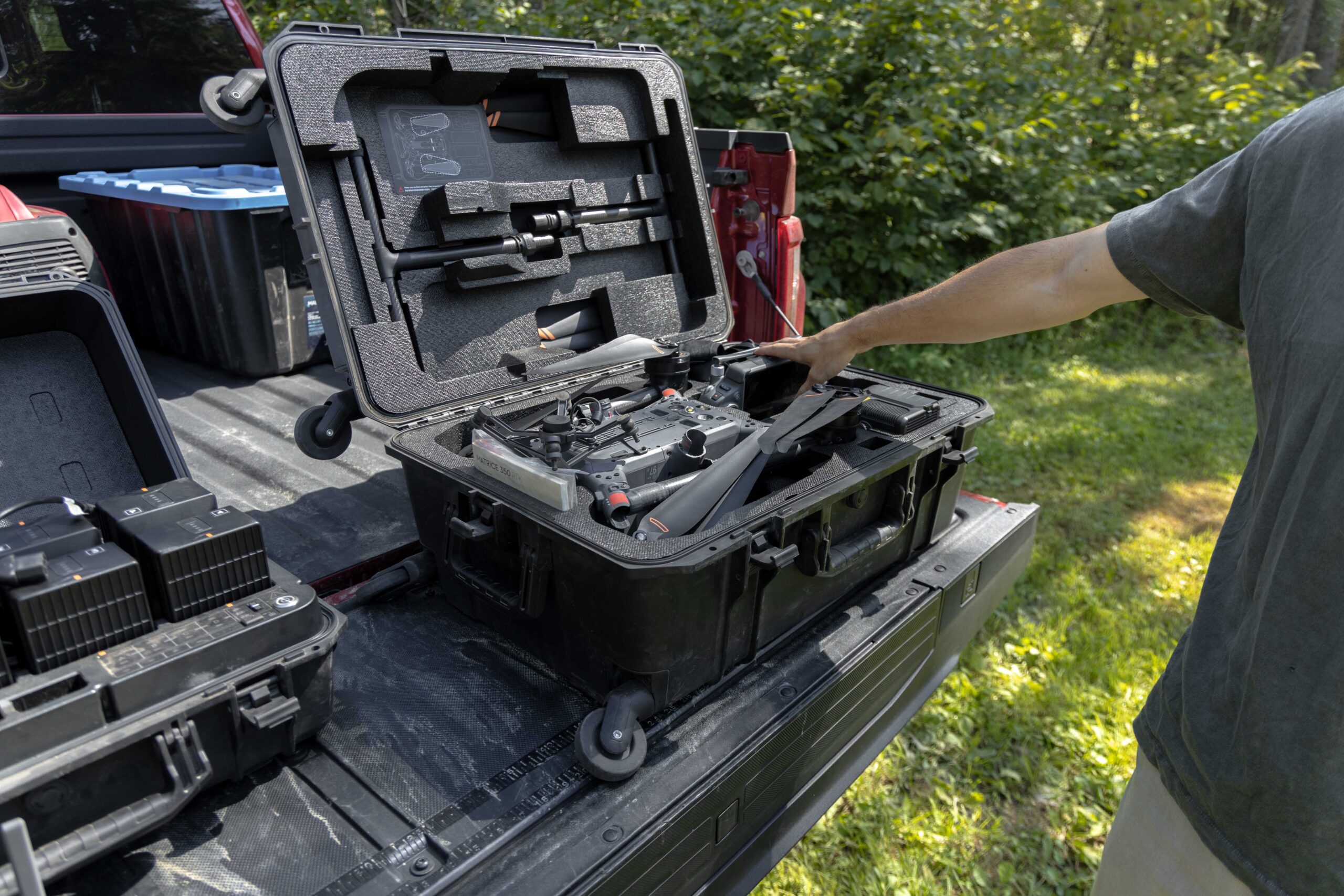
Before drone technology, surveyors faced painstaking logistical challenges mapping thermal refuges — a time-intensive process requiring technicians to manually sample individual locations, severely limiting coverage. According to the MWIFMA, drones have transformed this entirely, capturing millions of precise temperature readings in a fraction of the time while giving Mi’kmaq communities unprecedented agency in monitoring their waters. This empowers the organization’s Indigenous-led conservation to rapidly assess entire river systems, identify previously unknown cold-water refuges and make informed decisions about habitat restoration.
“Salmon is much more than a species to conserve,” Bourgault says. “It carries strong cultural and spiritual value for our communities. It represents living heritage: it connects our stories, traditional practices and collective identity, while reminding us of our fundamental connection with the land.”
Similar efforts are underway elsewhere. A Pacific Salmon Foundation project in British Columbia is using drones to map thermal refuges as the climate warms. The National Oceanic and Atmospheric Administration (NOAA) has used helicopter-borne thermal sensors to map riverscapes for Atlantic salmon in Maine.
Bourgault says his perspective on the potential loss is sobering. “The disappearance of salmon would bring immense loss. Culturally, it would erase part of our identity and traditional knowledge. Socially, it would weaken practices and narratives connected to salmon. Economically, its disappearance would impact recreational, tourism and community activities that generate regional benefits.”
Healthy salmon runs sustain local food systems, jobs in fishing and guiding, and they bring ecotourism to famed rivers like the Bonaventure and Grand Cascapédia rivers. Looking forward, Bourgault says there’s a critical need for government and institutional collaboration to “facilitate permits, strengthen legal habitat protection and recognize the Indigenous approach to conservation.”
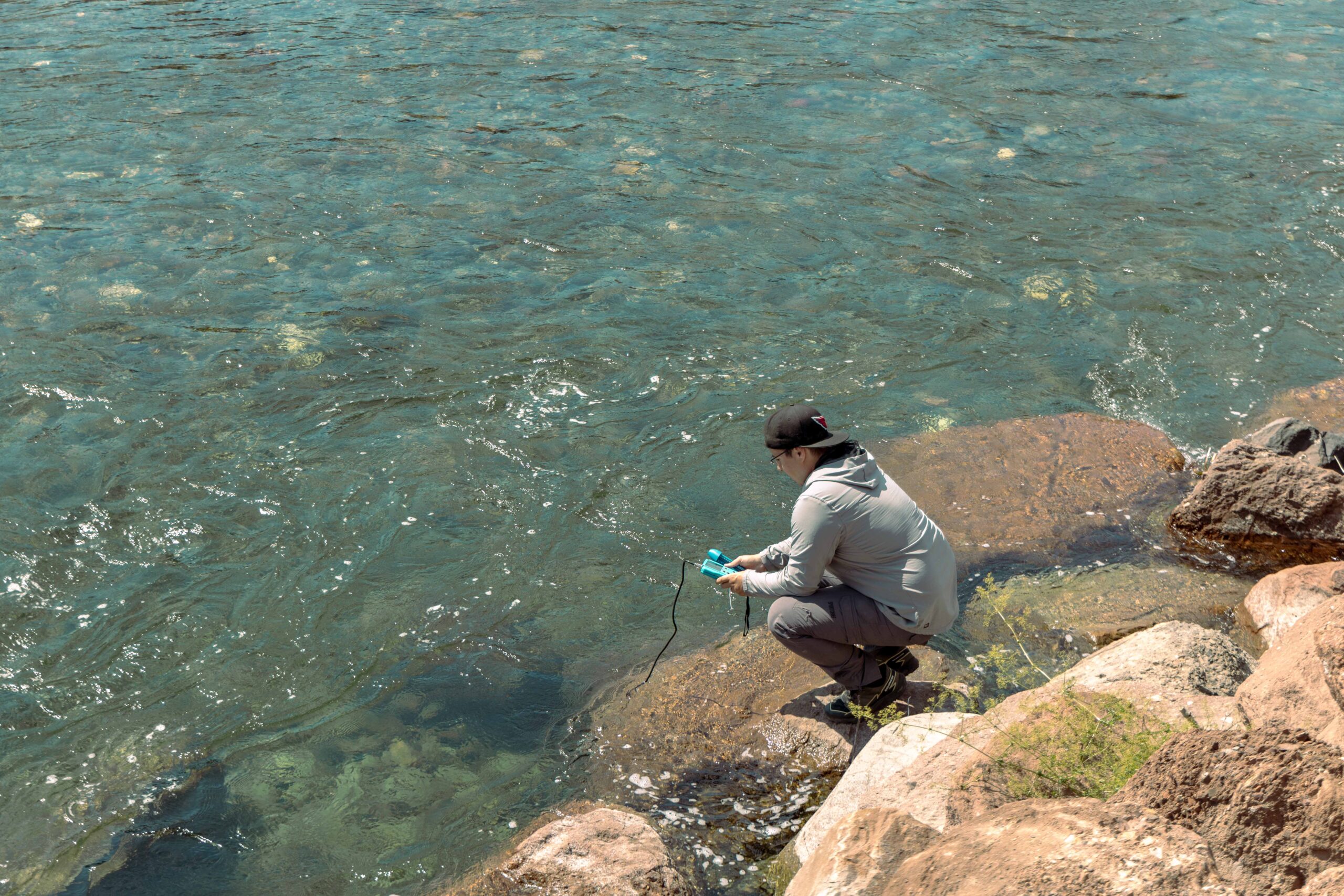
For the Mi’gmaq and Wolastoqey guardians of Gaspésie’s rivers, they say that protecting salmon is protecting their heritage and future.
“Rooted in community leadership and ecological responsibility,” Lambert says, “this work ensures that vital habitats are safeguarded for future generations, honoring both cultural continuity and environmental stewardship.”
Banner image: Samuel Bourgault, leader of the project part of the drone program at the MWIFMA. Image by Boris R. Thebia.
In a big win, Yurok Nation reclaims vital creek and watershed to restore major salmon run
Related Mongabay podcast episode: Bridging Indigenous and Western knowledge with science and radio. Listen here:
Feedback: Use this form to send a message to the author of this post. If you want to post a public comment, you can do that at the bottom of the page.
Credits