- Voters in Brazil, Peru, and Colombia will soon choose presidents whose policies could shape the future of roughly 82% of the Amazon rainforest.
- Environmental issues have been largely absent from recent presidential debates, even as droughts, floods, deforestation, illegal mining, and organized crime increasingly threaten public well-being and national economies.
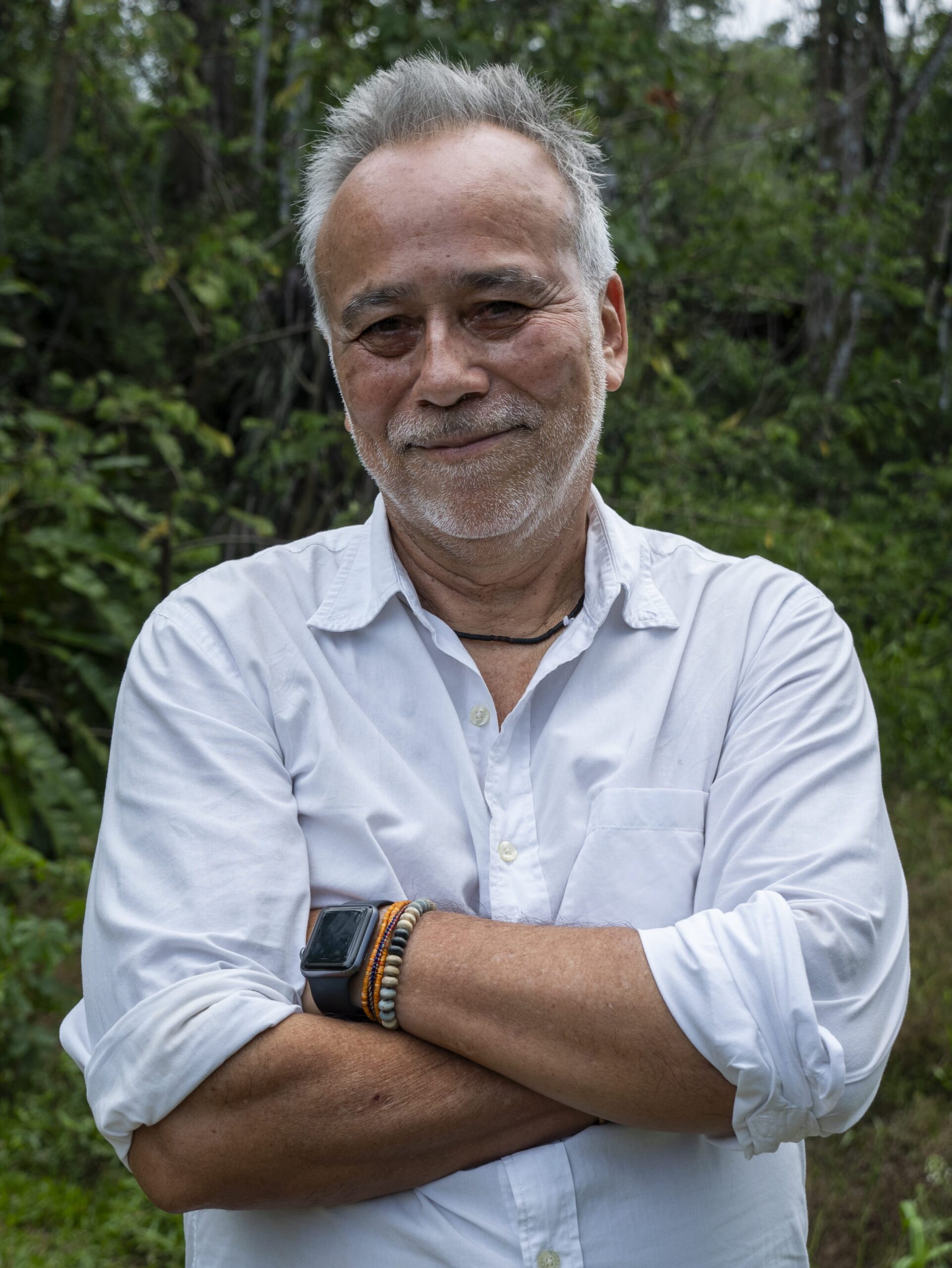
- Protecting the Amazon should be treated as an economic, social, and public health priority, argues Peruvian American ecologist Enrique Ortiz, because the forest helps sustain water supplies, food production, energy systems, and climate stability across South America.
- This article is a commentary. The views expressed are those of the author, not necessarily of Mongabay.
In the coming months, voters in Brazil, Peru, and Colombia will elect new presidents. Together, these three countries contain roughly 82% of the Amazon rainforest, making their elections consequential far beyond national borders. The future of the world’s largest tropical forest — and, by extension, global climate stability — will depend in large measure on the choices their citizens make at the ballot box. More than 35 million people living in the Amazon region of these countries also depend directly on those outcomes.
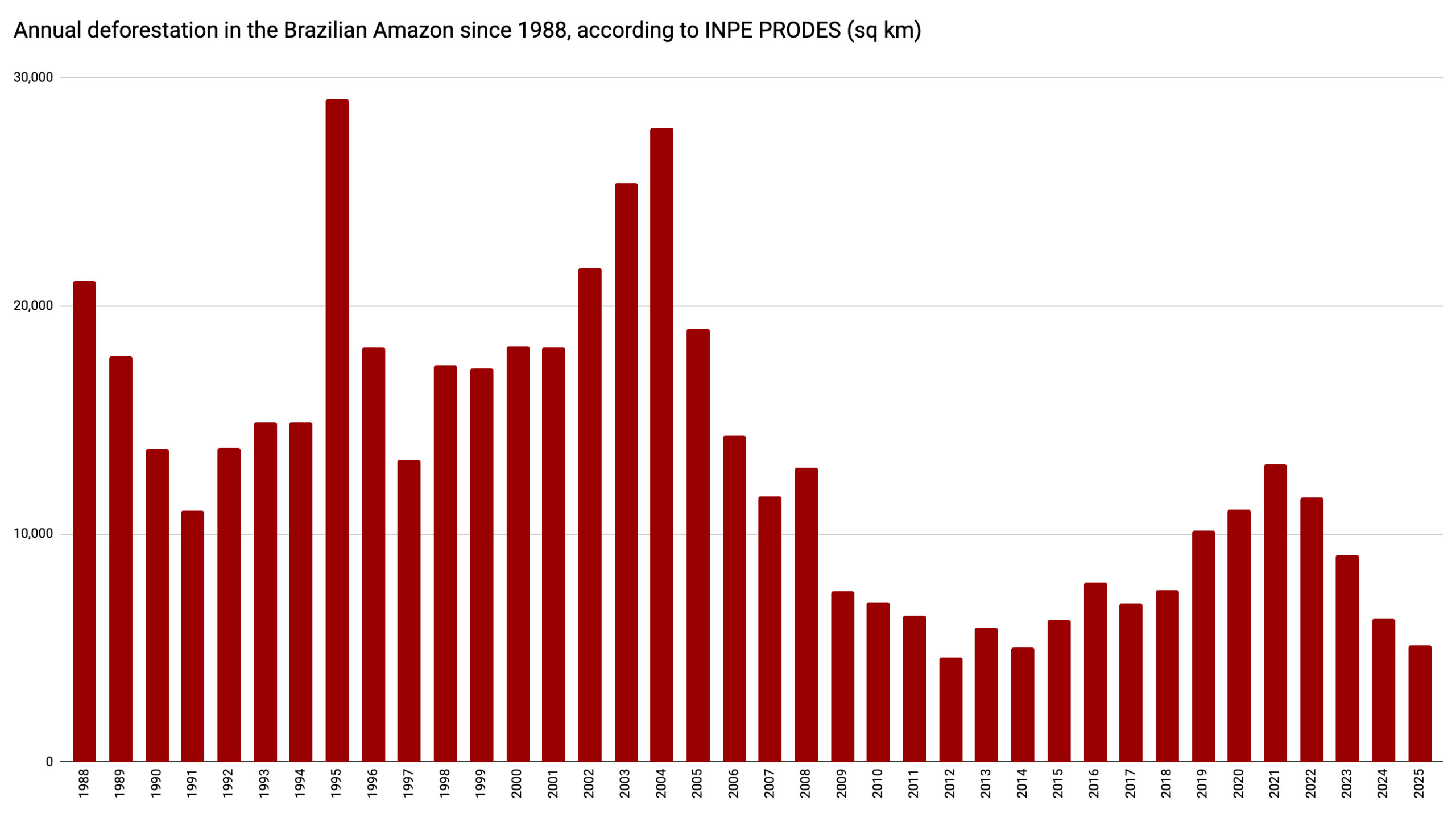
Brazil, home to about 62% of the Amazon, offers a stark example of how presidential policies can shape the fate of the forest. The country has experienced dramatic swings in deforestation over the past two decades. While commodity prices, global markets, climate conditions, and geopolitics all play a role, government policy has often been the decisive factor. In 2004, for example, Brazil lost more than 10 million acres of Amazon forest. By 2012, stronger environmental measures had gradually reduced that loss to less than one-sixth of that level. Those efforts relied not only on stricter enforcement, but also on cooperation with agricultural and business sectors long associated with deforestation. More recent data suggest Brazil’s renewed environmental policies have again reduced forest loss by more than 30% from the previous year.


Peru and Colombia reveal similar links between political leadership and environmental outcomes. In Peru, ongoing political turmoil and institutional instability have coincided with record levels of Amazon deforestation over the past two years. In Colombia, recent declines in deforestation remain fragile, influenced as much by the actions of armed criminal groups and narcotrafficking networks as by state policies toward them. Across all three countries, national decisions regarding agribusiness, cattle ranching, infrastructure expansion, and extractive industries have had profound impacts on the Amazon. The same is true for weak enforcement against illegal gold mining, logging, wildlife trafficking, and the criminal economies increasingly intertwined with them.
Yet despite the stakes, the environment has remained largely absent from recent presidential debates and policy statements. This omission is difficult to justify as climate-related disasters — severe droughts, catastrophic floods, and extreme weather — increasingly damage national economies and threaten public well-being. The Amazon is not simply a remote wilderness full of a rich biological diversity; it is a pillar of regional prosperity. Its forests regulate rainfall, stabilize water supplies, and sustain agricultural productivity across South America. In Brazil alone, where roughly 70 to 90% of soy production depends on rainfall rather than irrigation, the connection between forest health and economic stability is unmistakable.
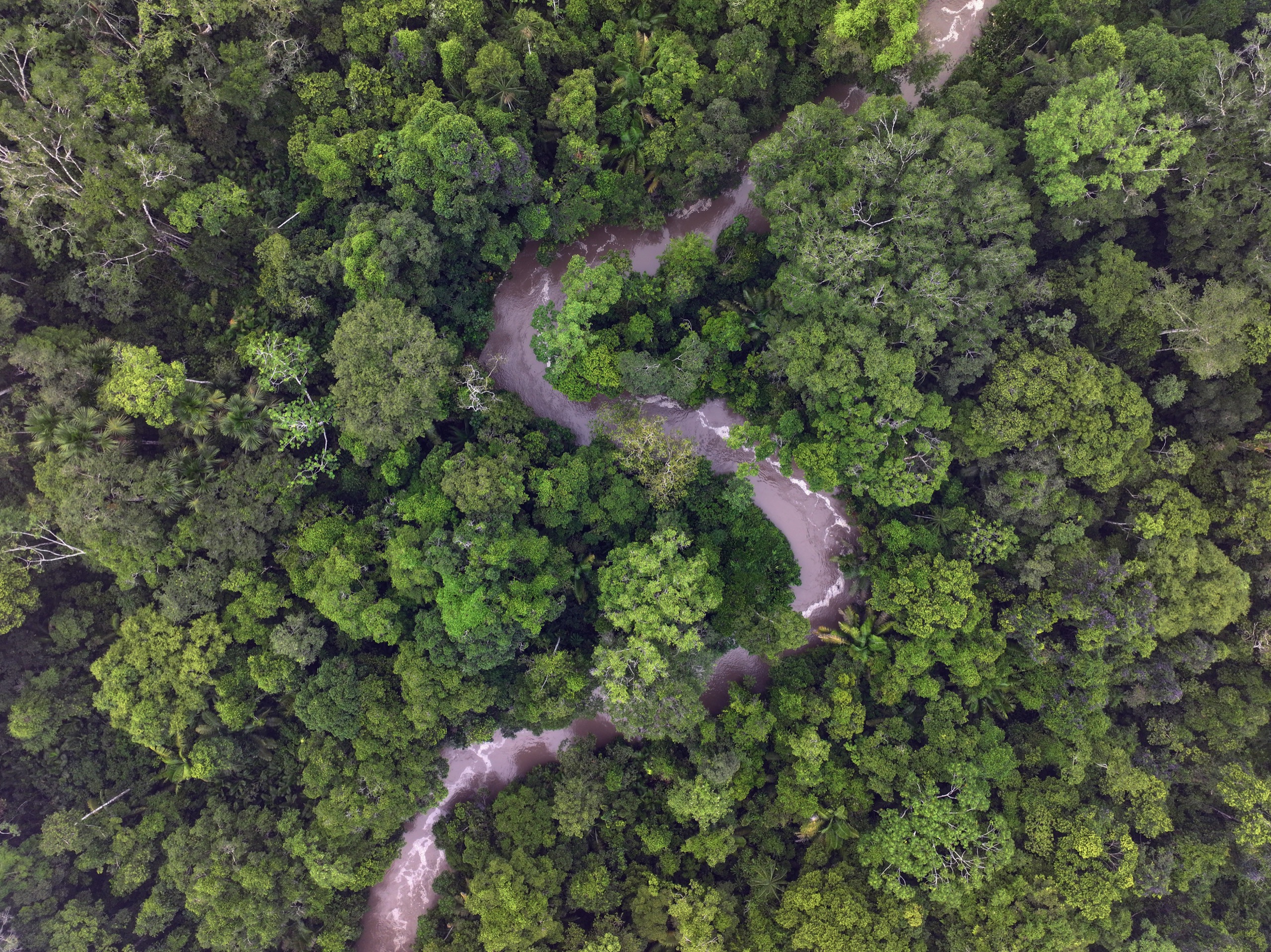
The integrity of the Amazon is therefore not only an environmental issue, but also an economic, social, and public health imperative for these three countries. The growing threats to food and energy security need to be tackled alongside environmental concerns. Future presidents must commit to concrete policies that curb land grabbing, illegal mining, and organized environmental crime. They must balance economic development and public safety with forest conservation, strengthen protections for Indigenous and local communities defending their territories, and safeguard the water and climate systems on which both rural and urban populations depend. The energy systems in cities like São Paulo, Bogotá and Lima, although not located in the Amazon watershed, depend largely on the services the Amazon rainforest supplies.
Ultimately, the responsibility lies with voters in Brazil, Peru, and Colombia. Democratic elections offer citizens the opportunity to demand leaders with credible plans for protecting both people and nature. The Amazon’s future — and part of the planet’s future — may depend on it.
Banner image: Emergent tree in the Amazon rainforest. Photo by Rhett Ayers Butler
Cite this article
Enrique Ortiz (2026). Will my president save the Amazon? (commentary). Mongabay Conservation news. DOI: https://doi.org/10.66709/news-320068Credits