Congo Basin countries have announced the launch of a payments for environmental services, or PES, initiative at the COP30 climate summit in Belém, Brazil, intended to encourage practices favorable to forest protection and restoration.
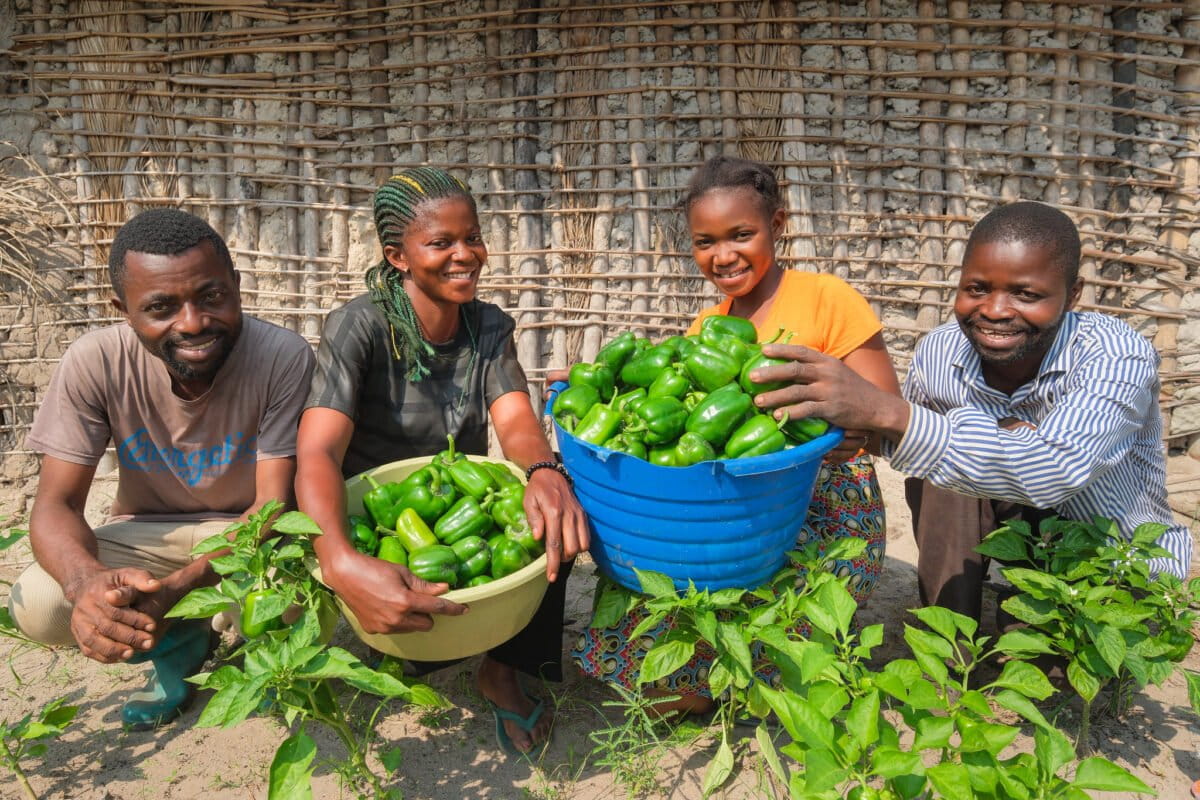
The financial mechanism, announced Nov. 18 and supported by the Central African Forest Initiative (CAFI), transfers direct payments via a mobile app to communities and individuals, particularly farmers. The payments compensate participants for engaging in sustainable practices that protect and restore the environment. Eligibility to participate is based on verified completion of six types of activities: agroforestry, reforestation, deforestation-free agriculture, forest regeneration, sustainable forest management, and conservation.
“Hundreds of farmers are already under contract and the first direct mobile payments based on performance were successfully made this month, confirming the efficiency and fairness of the system,” Kirsten Schuijt, director-general of WWF International, which is helping implement the system, said in a press release.
This program builds on a decade of experience and on the success of pilot projects in the region. In the Democratic Republic of Congo and the Republic of the Congo, agroforestry, deforestation-free agriculture and natural regeneration contracts “cover nearly 3,000 hectares [7,400 acres], representing nearly 10,000 direct and indirect beneficiaries,” the press release notes. In Gabon, “15 villages have been identified to sign community conservation contracts the beginning of next year, covering a total area of nearly 50,000 hectares,” or about 123,600 acres.
To build on that success, CAFI announced $100 million of additional funding, on top of the $25 million already committed to the program.
Roger Pholo Mvumbi is the national executive secretary of ASSA, a civil society platform in the DRC that brings together farmers and organizations working to combat food insecurity and malnutrition. He told Mongabay that, “The deployment of Payments for Environmental Services is a fine initiative, on the sole condition that the real producer is formally identified. Therefore, in-depth work is needed to identify them.”
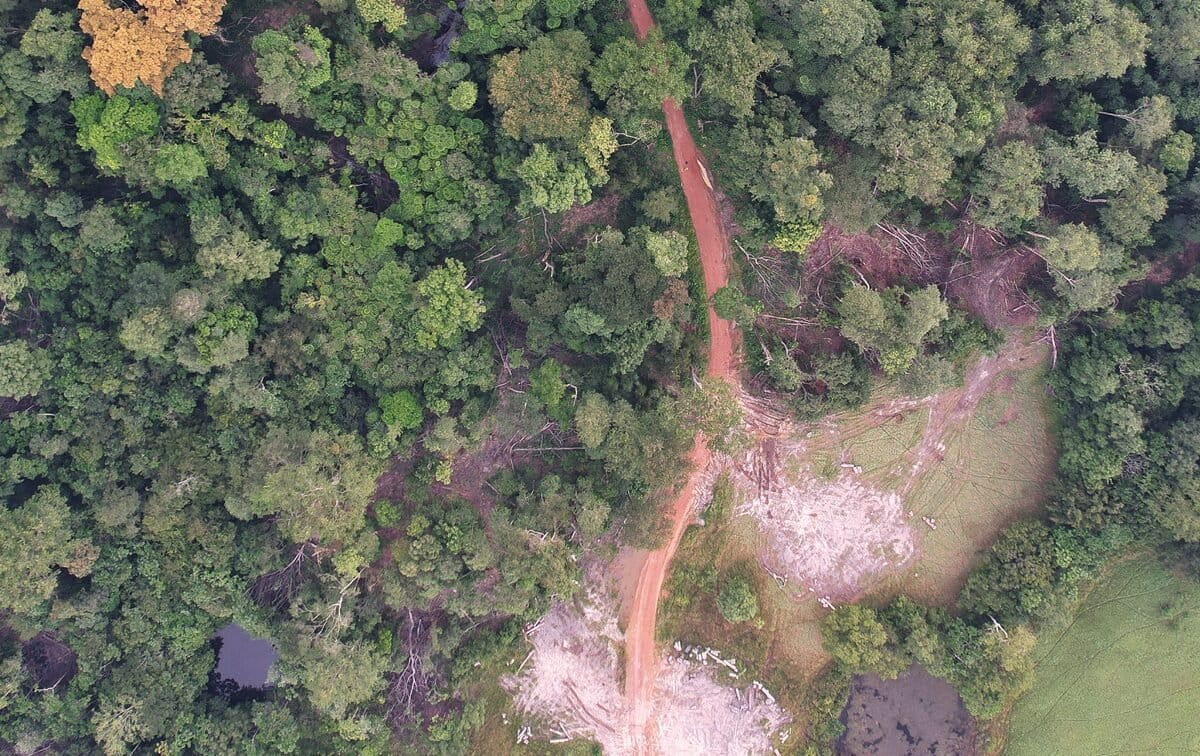
The forests of the Congo Basin face mounting pressure from agricultural expansion, population growth, fuelwood harvesting, logging and mining activities. The region lost more than 35 million hectares (86 million acres) of forest cover between 1990 and 2020. That’s an area larger than the entire Republic of Congo. Studies show that hundreds of thousands of hectares of forest are being cleared each year. “The payment system can precisely offer communities alternative incomes by remunerating them for practices that preserve the forest rather than destroy it,” Pholo said.
Banner image: A mandrill (Mandrillus sphinx) in Gabon, one of the Congo Basin countries. Image by Rhett A. Butler/Mongabay.
Credits