


Burning fossil fuels and forests releases the well-known greenhouse gases that drive anthropogenic climate change. That burning also produces soot, a fine black particle that harms health and accelerates warming. A new photo series highlights the often overlooked consequence of burning.
Award-winning photojournalist Victor Moriyama, in partnership with the Clean Air Fund and Climate Visuals, traveled across Brazil, from the Amazon Rainforest in the north to rural communities in the southeast, to photograph soot and its human impacts during 2025, following some of the nation’s driest years on record.
Soot, also called black carbon, can stay suspended in the air for weeks or months before settling. When it lands, the particles darken the ground, or ice, increasing the absorption of heat from the sun, intensifying warming.
For people living near burning landscapes, soot becomes unavoidable. It’s inhaled into lungs, causing illness and death. The effects are devastating: globally, soot contributes to at least 8.1 million premature deaths every year, roughly 700,000 of them children under 5.
Despite its demonstrated damage to human health and contributions to climate change, soot has been largely overlooked. Just 1% of international development funding between 2019 and 2023 went toward clean air projects, including work targeting soot, according to the Clean Air Fund’s latest report.
Mongabay spoke to Moriyama about his months-long experience photographing fire, soot and smoke. Below are some of his photos and thoughts.
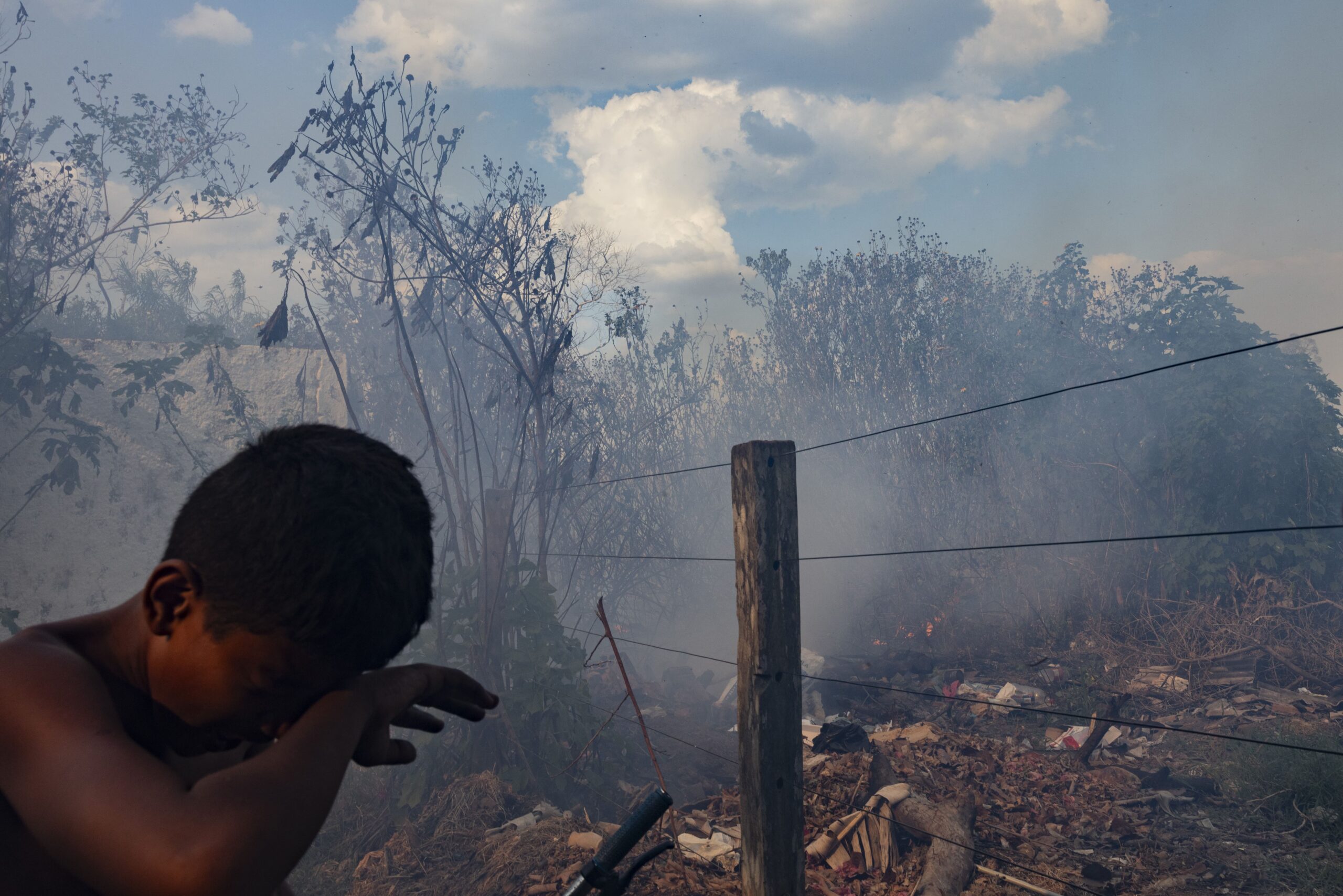

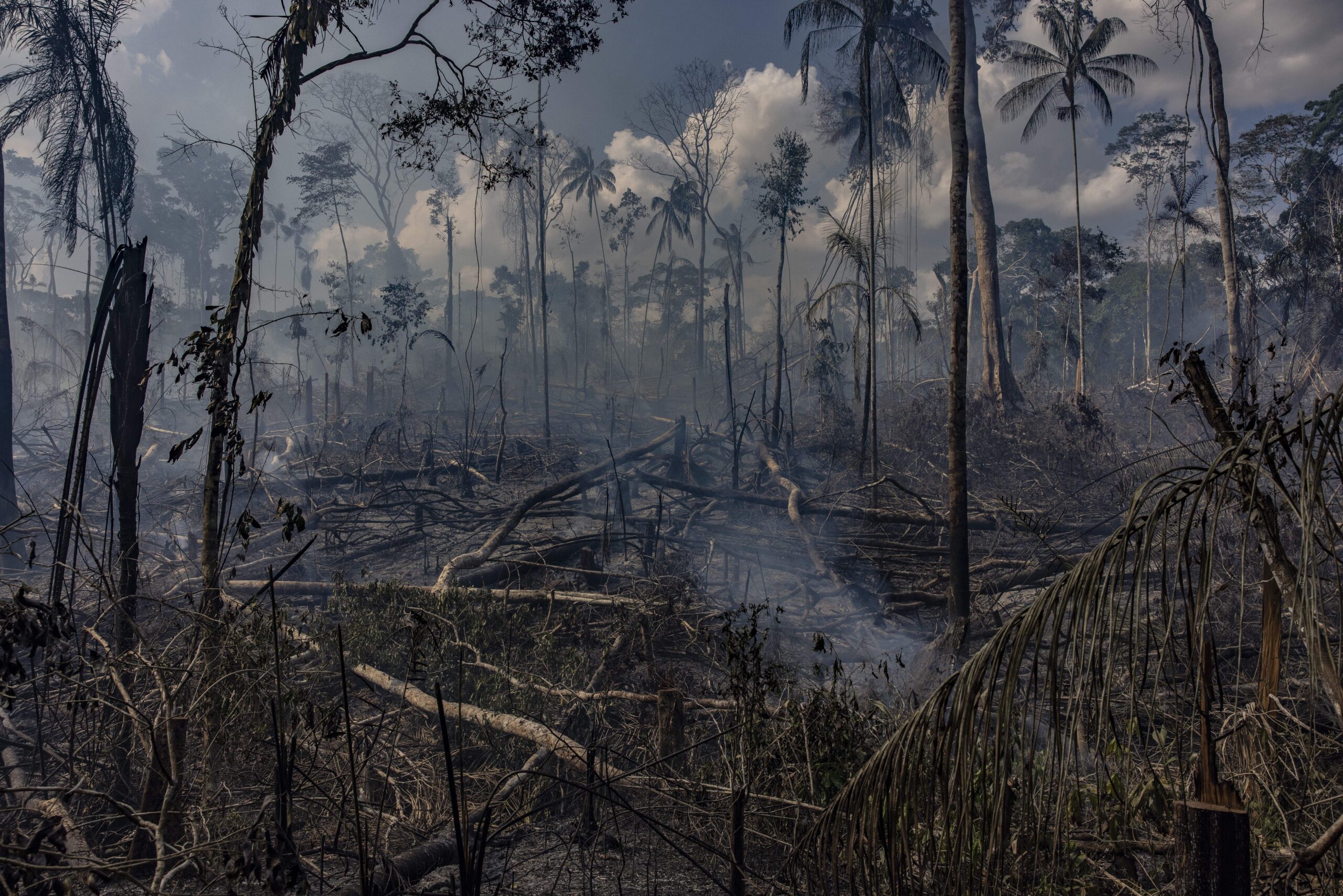
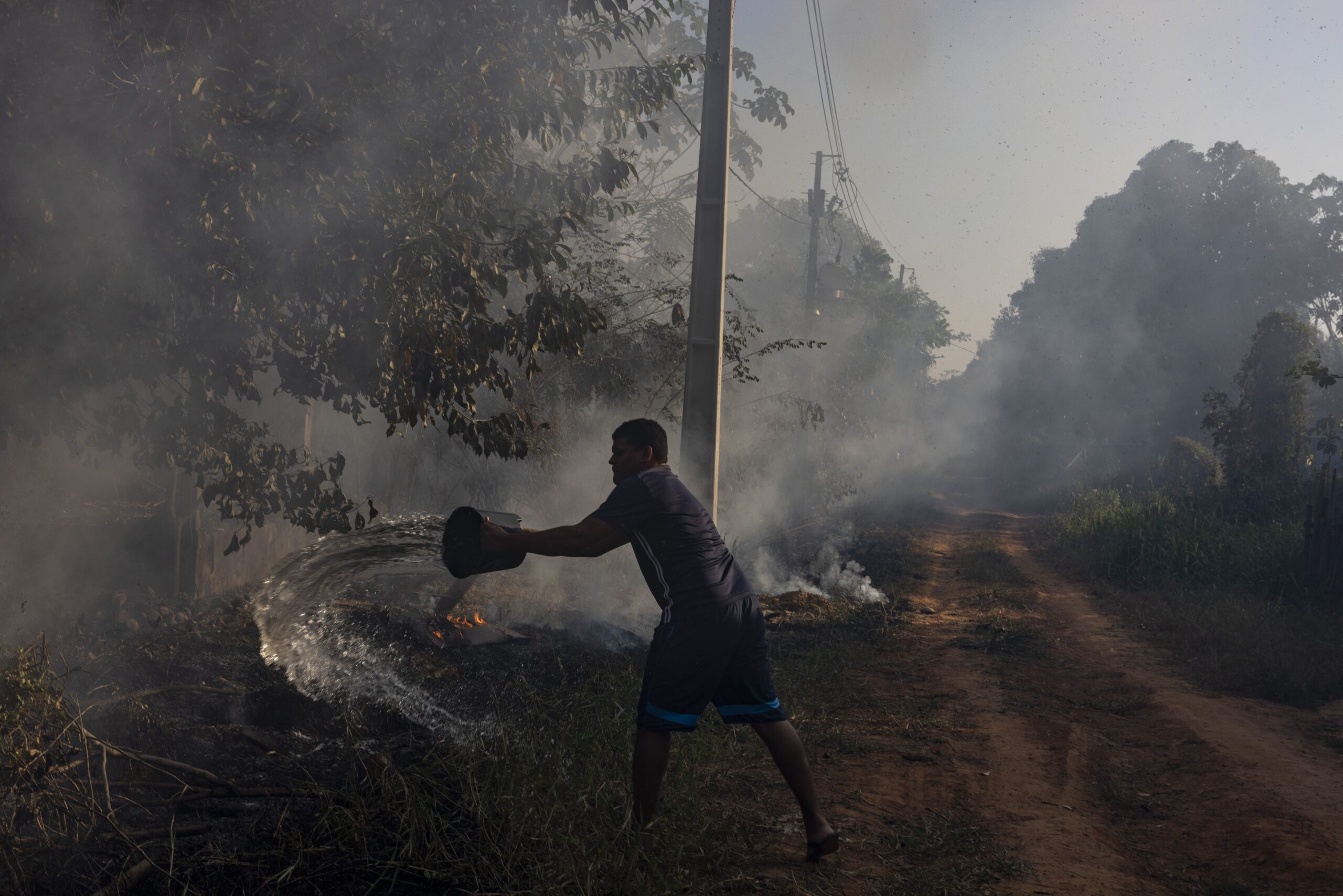
“I’ve spent a lot of time in Amazon fires, right in the middle of the flames,” Moriyama told Mongabay by phone. “You see thousand-year-old trees, and it’s awful because you smell all these wonderful aromas, those trees have such unique scents. And then it mixes with sound of macaws screaming in pain. The birds are extremely distressed; it’s not their normal call; it’s a song of suffocation.”
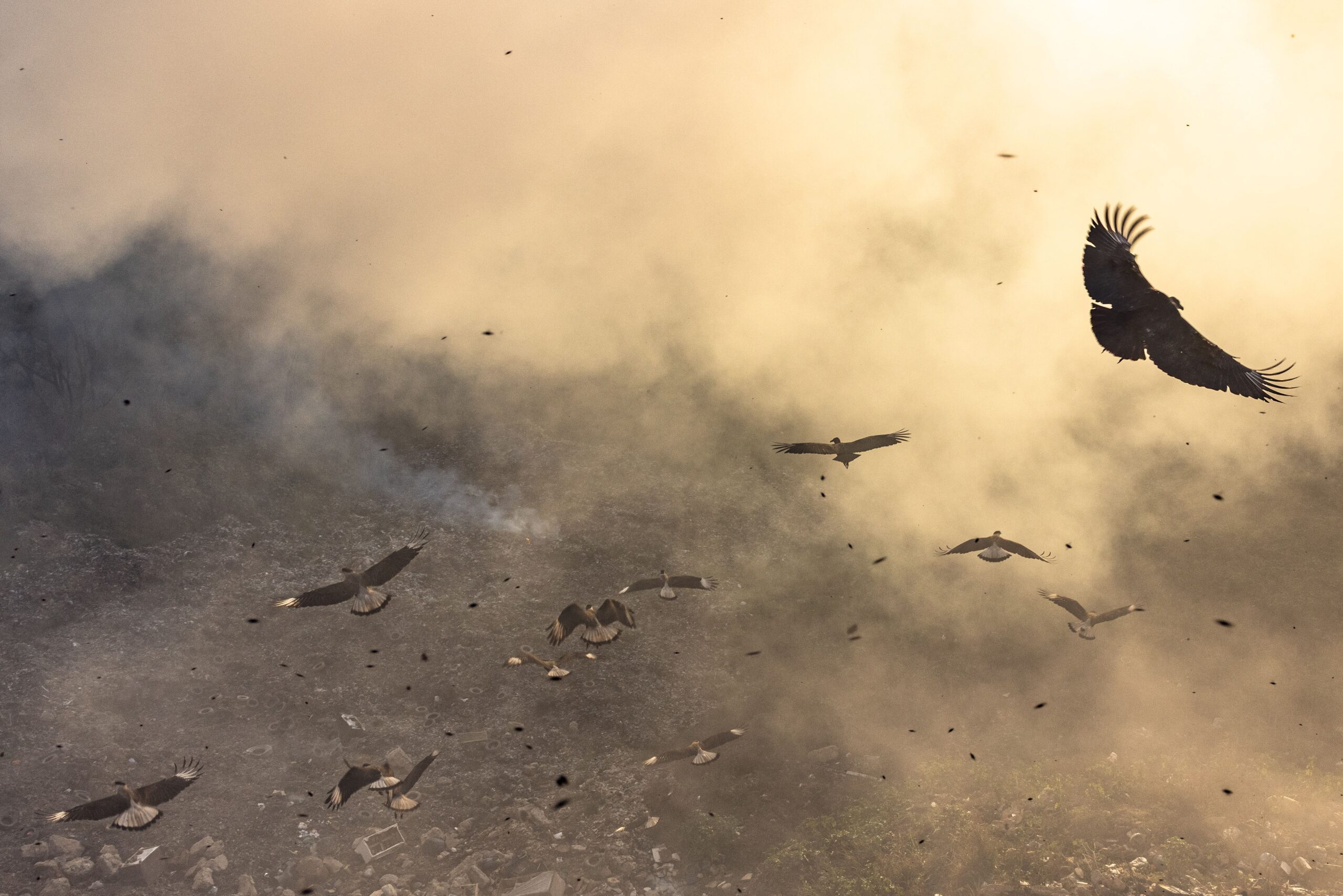
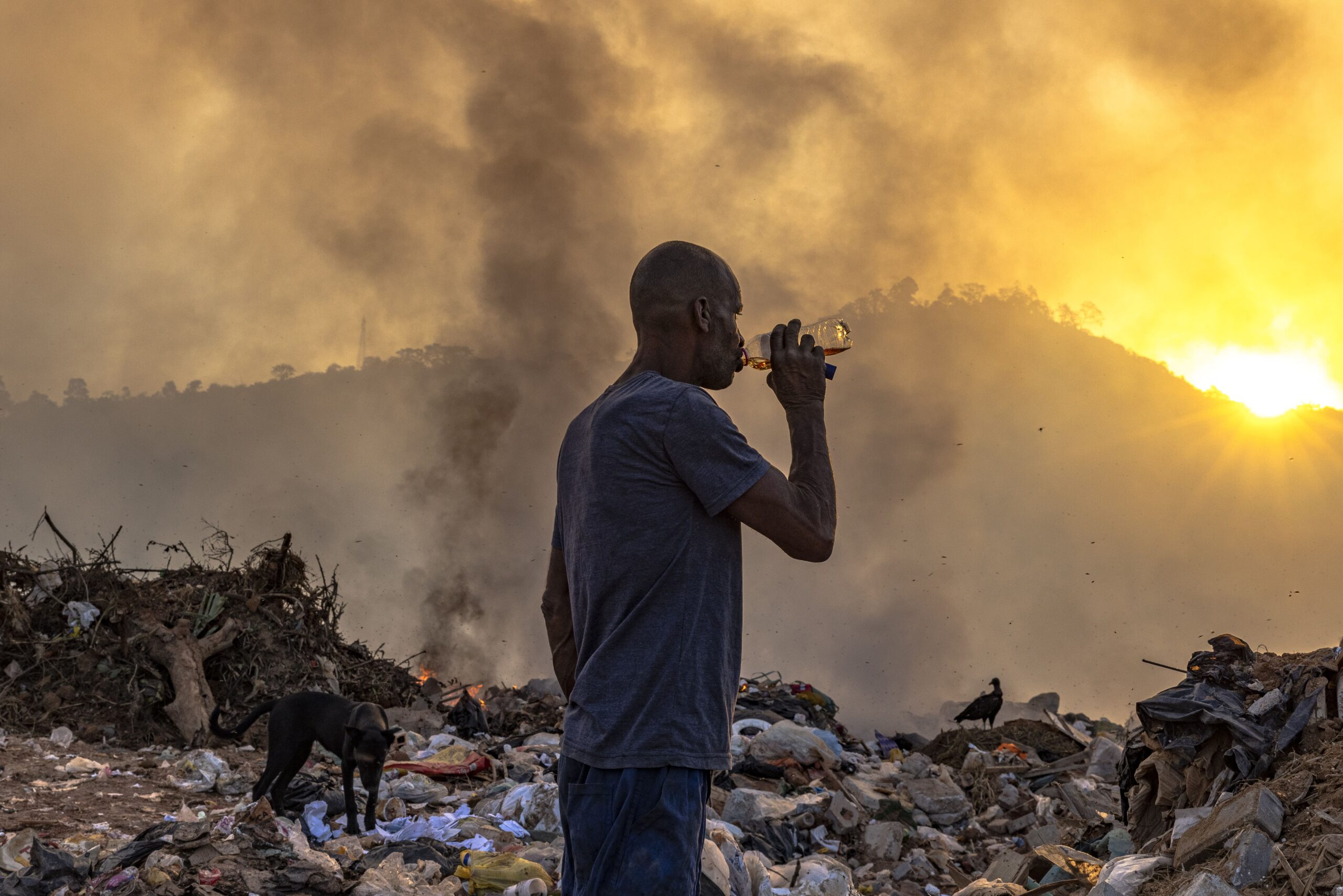
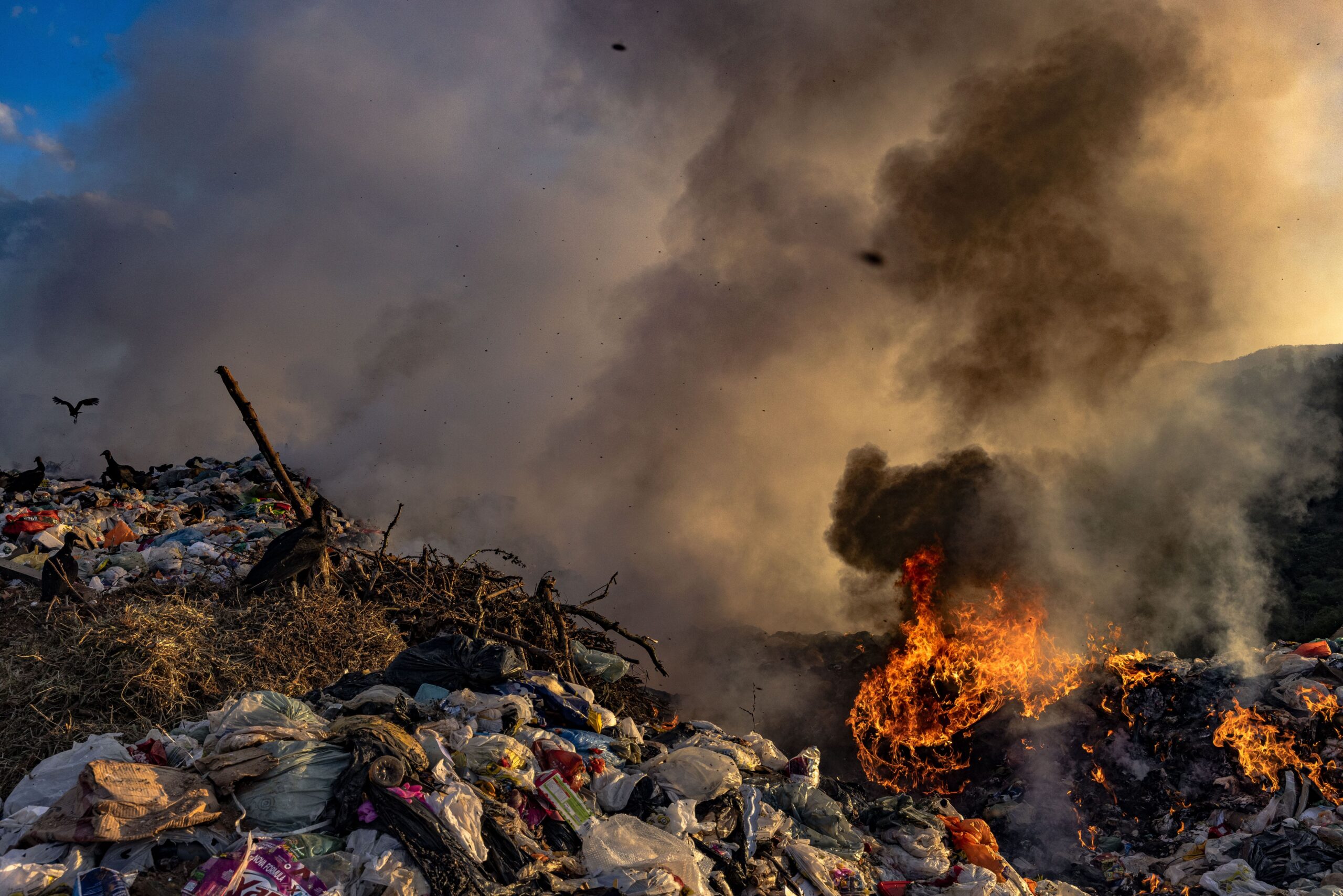
“Our mentor Davi Kopenawa [a Yanomami shaman and Indigenous leader] once told me … that he has dreamt several times of the world ending in a ball of fire. And when I’m there, capturing the wildfires in the Amazon that are killing the heart of our planet, I can only think of what he said,” Moriyama said.
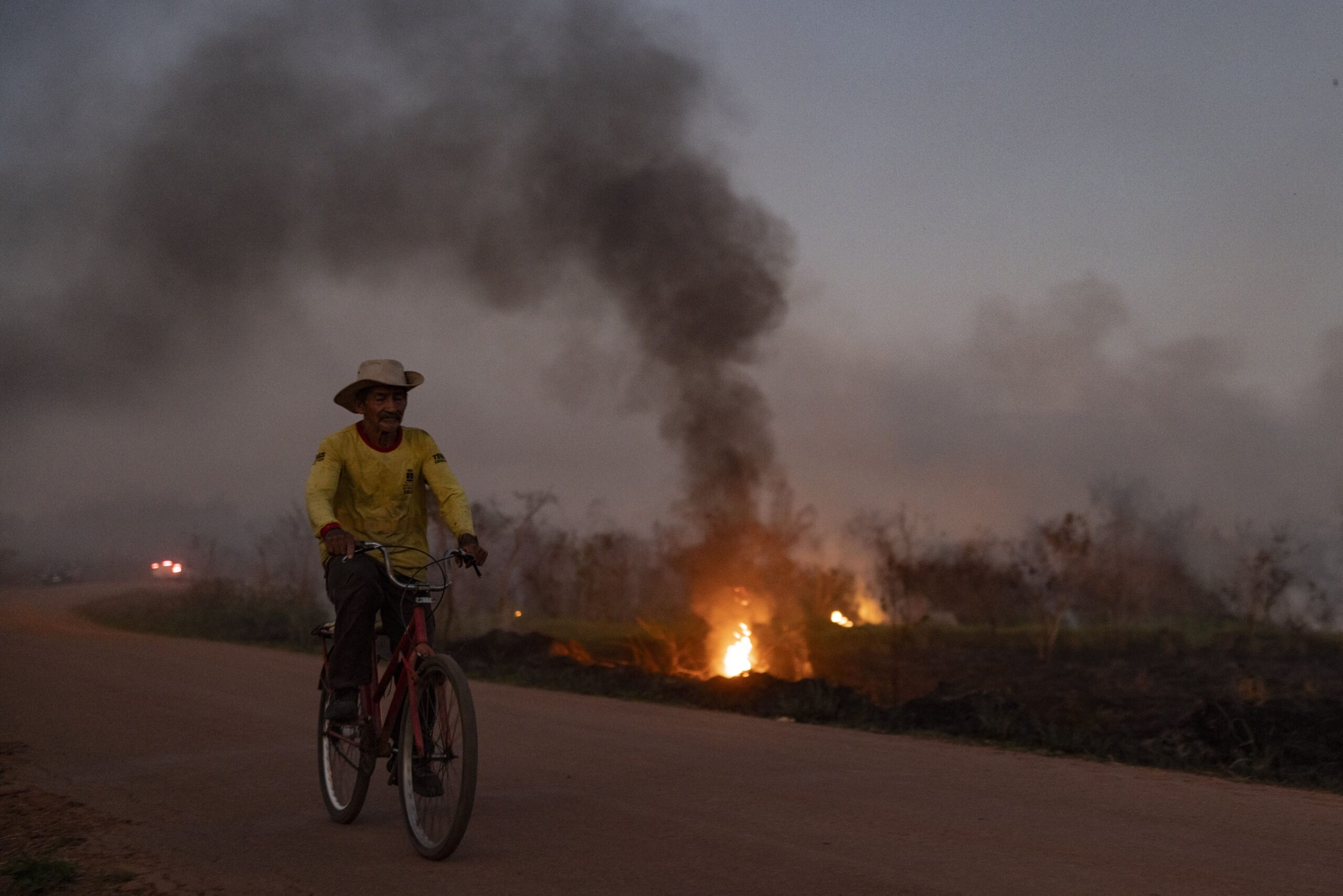
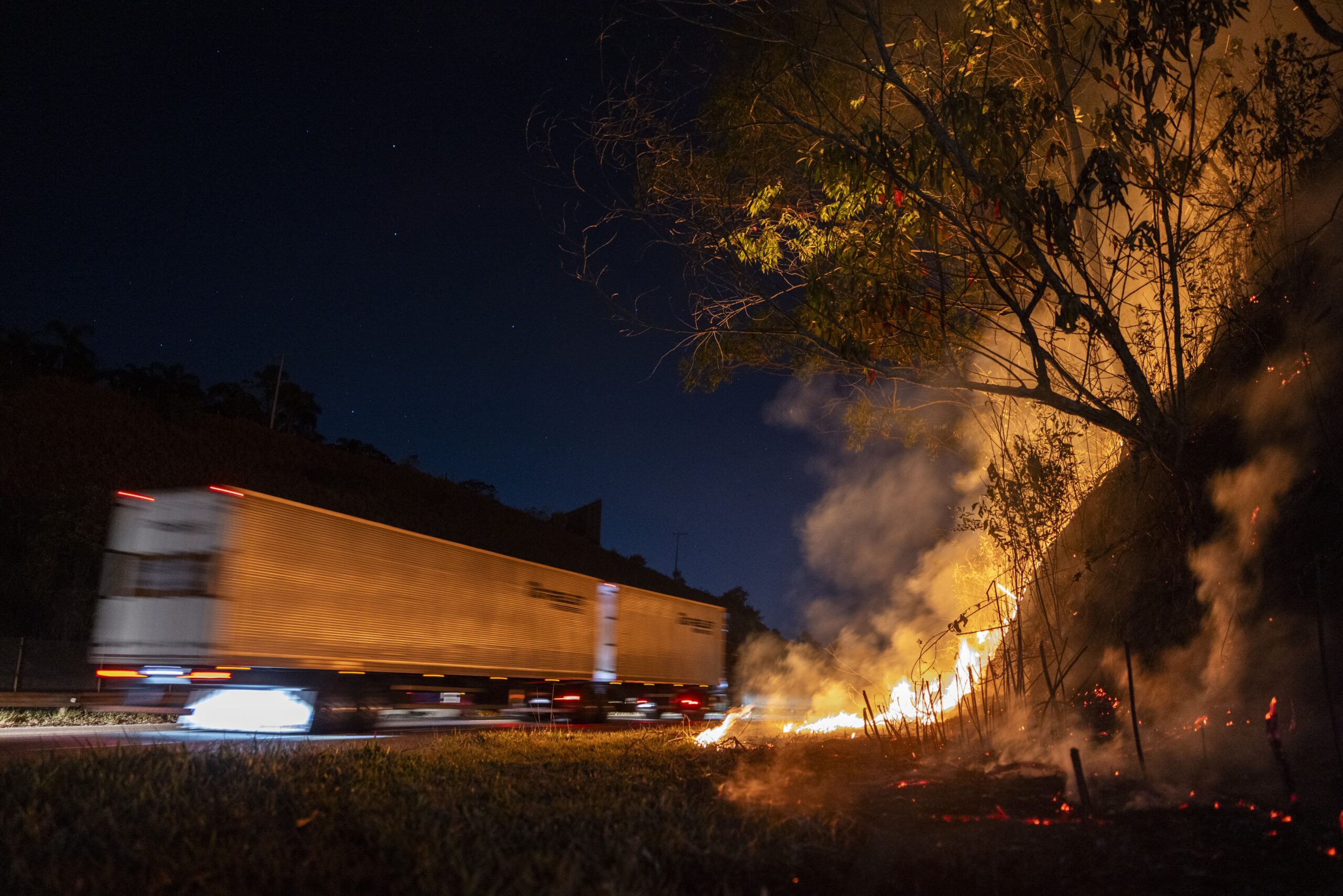
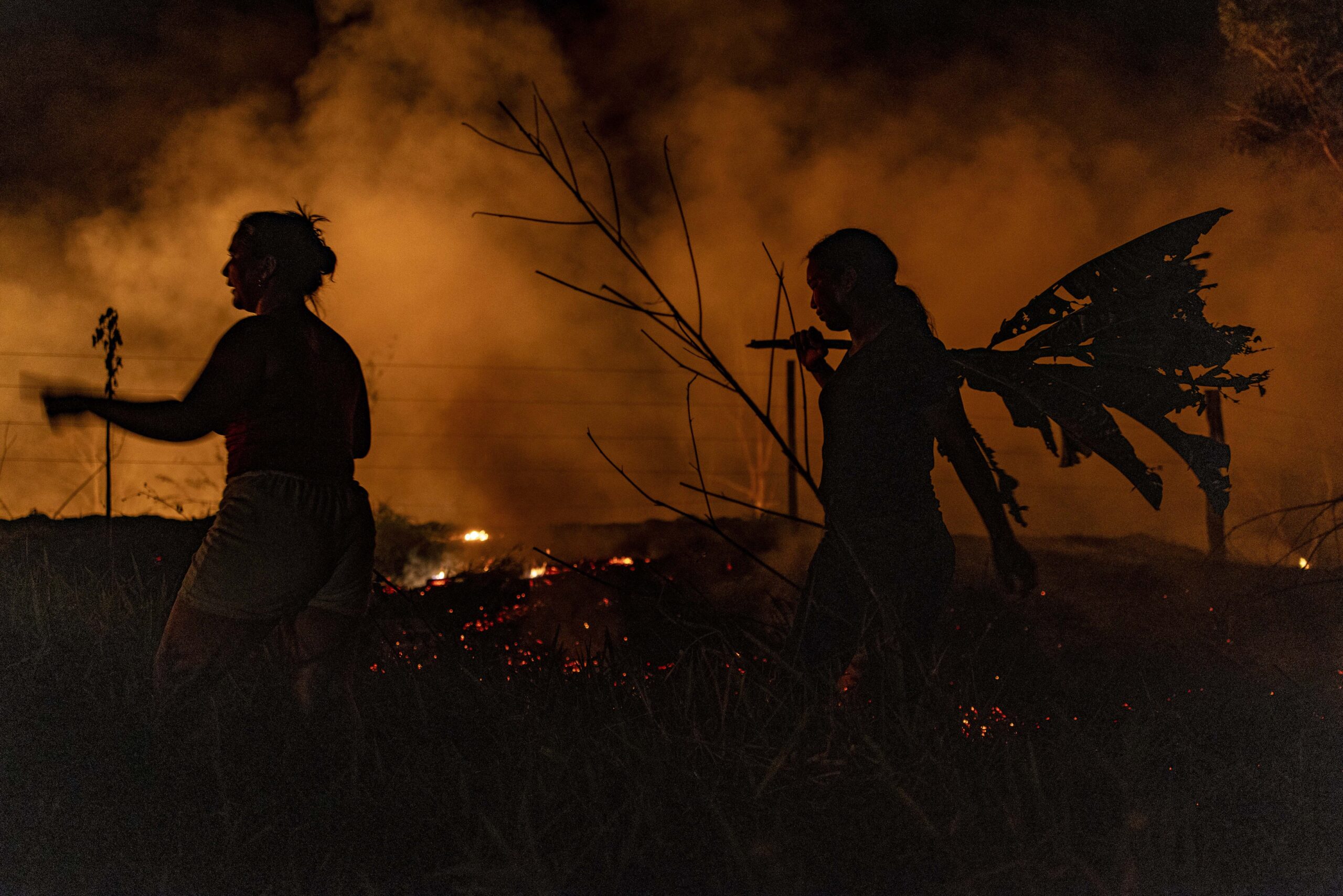
“Smoke gets into your eyes, and it burns. People try and fight the fires, but you can’t stand it for long. They are often on the frontlines without an adequate mask, and it’s intolerable. It gets into your eyes; it gets into your lungs. The body reacts horribly to smoke. It’s a horrific thing,” Moriyama said. “But it is normalized because every year in the dry season there are fires. So, everyone is sort of used to it. All the cities of the Amazon have fires, the riverine communities too.”
All images courtesy of Victor Moriyama/Climate Visuals.
Banner image: A forest fire in Acre, the westernmost state of the Brazilian Amazon.
Credits


