- Scientists described several new species this past year, including a tiny marsupial, a Himalayan bat, an ancient tree, a giant manta ray, a bright blue butterfly and a fairy lantern, to name a few.
- Experts estimate that fewer than 20% of Earth’s species have been documented by Western science, with potentially millions more unknown and unnamed.
- Although such species may be new to science, many are already known to — and used by — local and Indigenous peoples, who often have given them traditional names.
- Many new species are assessed as threatened with extinction as soon as they are found, highlighting the urgent need for conservation efforts.
The world still holds its secrets. Hidden under wet rocks, in the ocean’s twilight crevices, and in the minutiae of the genetic code are creatures unknown and unnamed by the human species. Every year, scientists find hundreds of new animals, insects, plants and fungi.
This year, researchers described a tiny new marsupial, a new Himalayan bat, an ancient tree, a bright blue butterfly, a parrot snake, and a fairy lantern plant, among others.
“I think most people believe that we know most species on Earth,” Mario Moura, a professor at the Federal University of Paraíba in Brazil, told Mongabay, “but in the best-case scenario, we know 20% of Earth’s species.”
Some estimate that only 10% of all the species on the planet have been described.
Unfortunately, many species may be threatened with extinction before they’re even formally named — victims of human activities like development and climate change. Some of these species could be food or medicine for humans, but each plays a unique role in Earth’s interconnected web of life.
“We’re understanding more and more that every species on the planet has a role, and in one way or another, is linked to our well-being through the part they play in ecosystems,” said Boris Worm, a marine conservation biologist who co-authored a study that quantifies the number of undescribed species on land and in the ocean. “We can’t protect them … if we don’t know them.”

New species are found in many ways. Sometimes a researcher will encounter something unknown on an expedition, especially in the unexplored depths of the ocean or in tropical forests, where hyper-diverse groups of amphibians, insects, fungi and fish abound.
Often, new species are found by taking a closer look at the genetics of existing species. A difference among dried herbarium or natural history specimens, or simply the time and effort to dig deeper, can lead to reclassifying one species into many, as was the case with this year’s new Atlantic manta ray species.
Regardless of the methods, it can take years to verify a species is unique and to publish the results. There are entire academic journals dedicated to their detailed descriptions. Often, the public finds out about these species years after they’re “found.”
However, although a species may be new to science, that doesn’t mean it has never been seen. In many instances, local and Indigenous guides are the ones who show scientists where to find new species — species that the locals already have a name for.
“Many species that are new to science are already known and used by people in the region of origin,” writes Alexandre Antonelli, director of science at the Royal Botanic Gardens, Kew, U.K., “people who have been their primary custodians and often hold unparalleled local knowledge.”
Here’s our look at some of the new-to-science species described in 2025:
A new marsupial from the Peruvian mountains
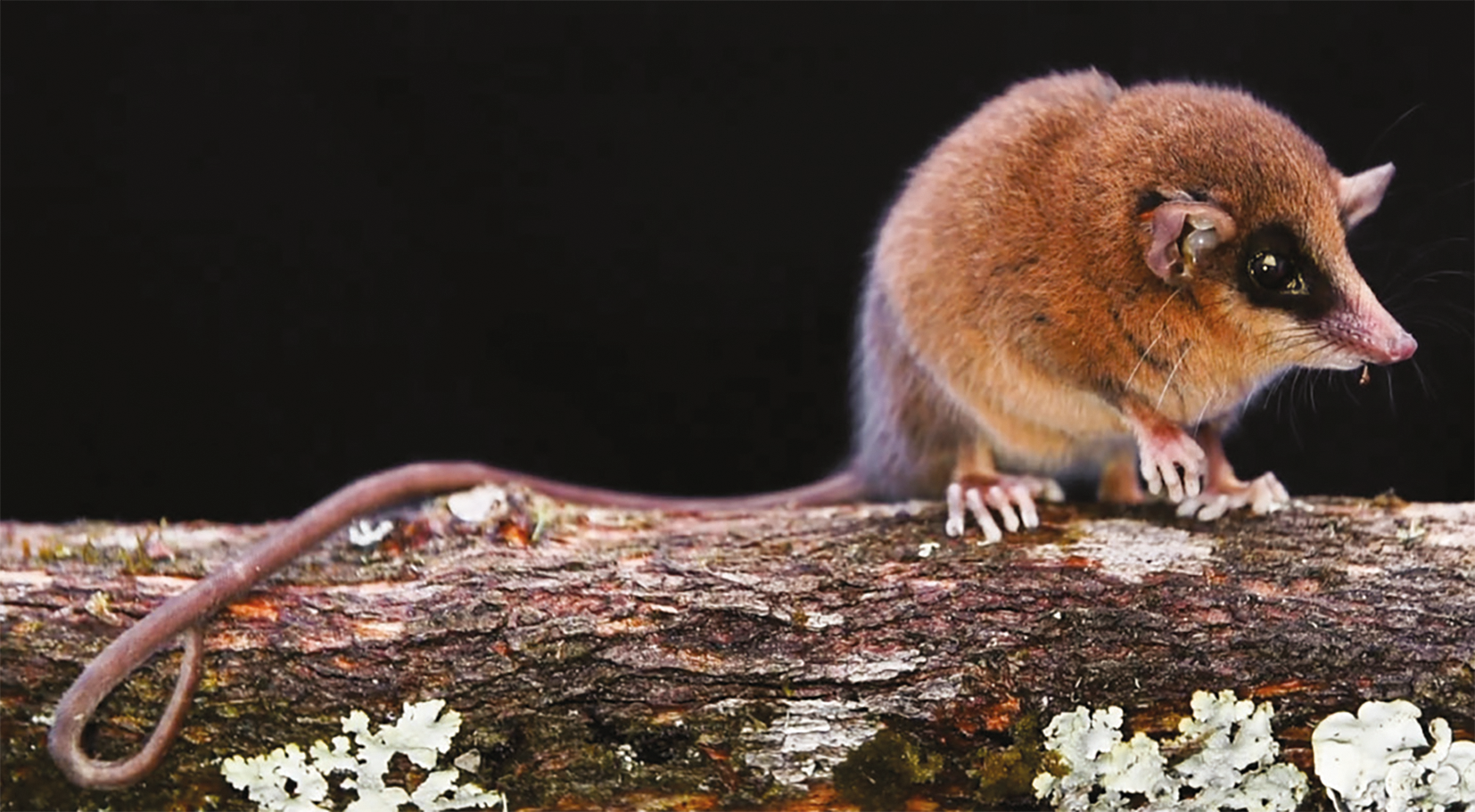
Brazilian biologist Silvia Pavan traveled to Peru’s Río Abiseo National Park in 2018 looking for a rare squirrel species. Instead, her team found a new type of mouse opossum, which they named Marmosa chachapoya, living in high-altitude cloud forests. Using DNA testing, researchers confirmed it was a completely new species, different from other known mouse opossums.
The eastern Andes of Peru have many unique species that exist nowhere else, but the steep, densely forested mountains make it extremely difficult to explore.
“It’s an area with exceptionally high endemism among small mammals, which has been little studied scientifically,” Pavan says. “There are undoubtedly other species that still need to be described.”
New ‘killifish’ in Kenya
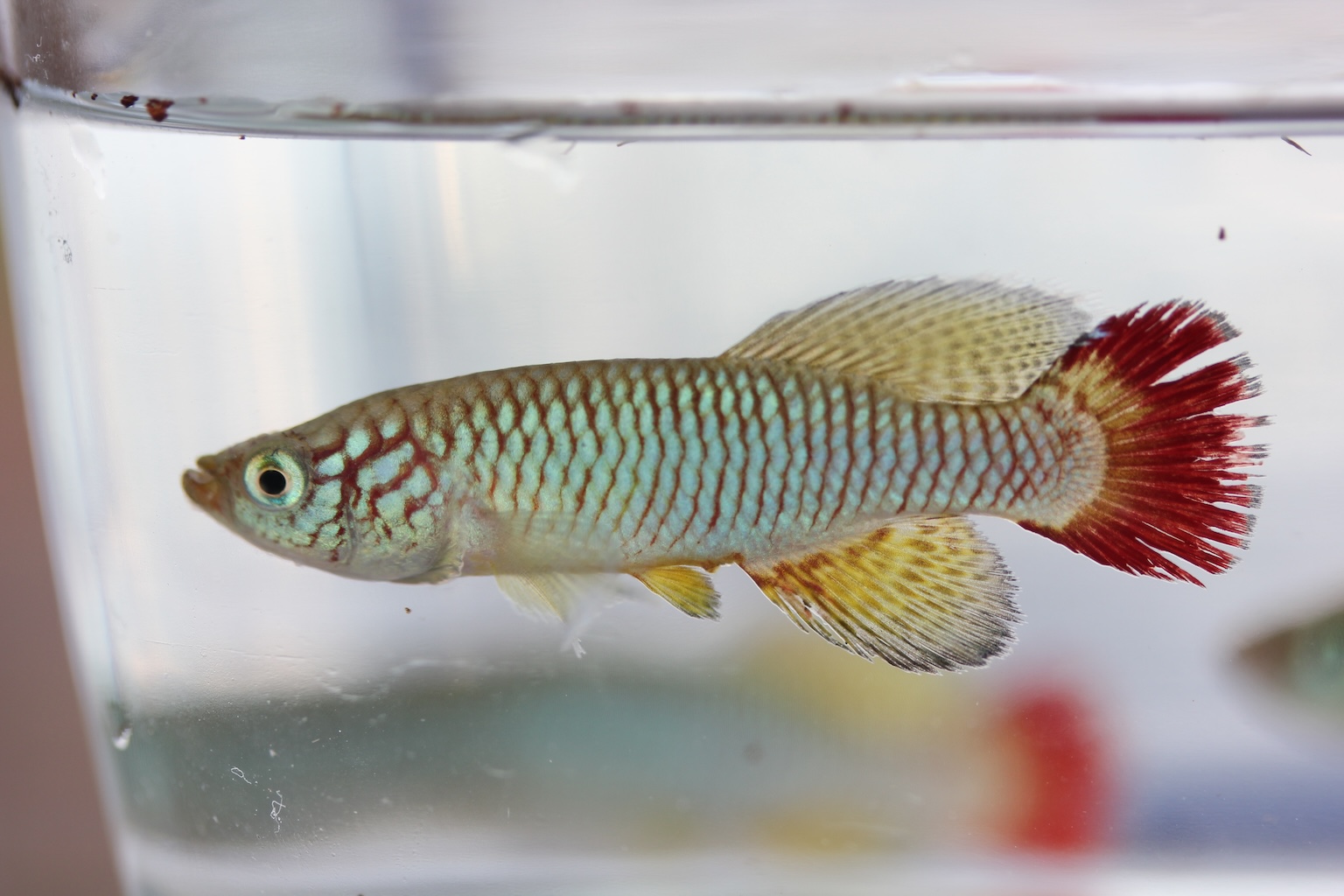
Scientists have found a stunning new fish species with shimmering blue scales and bright red markings in Kenya’s ancient Gongoni Forest. The killifish, named Nothobranchius sylvaticus (meaning “pertaining to the forest”), is the first known killifish to live in a forest habitat and was found in seasonal swamps along the Mkurumudzi River. Researchers initially collected tiny juveniles in 2017, then used DNA testing to confirm it was not just a new species but an entirely new genetic lineage for Kenya, making it an exceptional discovery.
The 7-million-year-old Gongoni Forest measures just 820 hectares (about 2,030 acres), and the killifish’s extremely limited habitat puts it at serious risk. Water extraction from a nearby titanium mine previously threatened the species, though mining operations ended in 2024. However, farming and human encroachment continue to endanger the swamps where these fish live and breed.
Experts are calling for Gongoni Forest to be officially recognized as a key biodiversity area and urging local communities to help protect it. Since the fish depends entirely on its seasonal swamp habitat and may be difficult to breed in captivity, protecting the forest is critical for the species’ survival.
‘3,000-year-old’ trees in Tanzania are a new species

Botanists found a new tree species in Tanzania’s Udzungwa Mountains. Named Tessmannia princeps, these massive trees grow to heights of up to 40 meters (130 feet) with huge supporting roots. By counting growth rings in fallen wood, researchers estimate some trees could be 2,000 to 3,000 years old, though they plan radiocarbon dating to confirm this.
Scientists found only about 100 mature trees in two small forest reserves surrounded by old farmland.
“This was already quite a shiver-down-your-back moment because if they didn’t know [the species], it could have been something interesting,” botanist Andrea Bianchi said.
The trees are considered vulnerable to extinction because so few exist in such a tiny area. Fortunately, the forests where they grow are part of a restoration project that’s reconnecting protected areas, which gives hope for saving this ancient species.
Brilliant blue butterfly in Angola
Scientists found a new butterfly species called Francis’s gorgeous sapphire (Iolaus francisi) in Angola’s Namba Mountains. The butterfly has shimmering blue wings bordered in black, with silver underwings decorated with orange and brown patterns. Its identification highlights once again the rich biodiversity of the country’s most threatened habitat
Its caterpillars feed only on mistletoe plants growing high in the mountains’ evergreen forests. These rare forests cover just 591 hectares (1,460 acres) and face serious threats from fires, farming and logging.
The butterfly is one of 13 species found in this region and nowhere else on Earth. Scientists worry these unique forests could disappear before we discover all the species living there. Local communities are working with conservationists to protect the mountains, which provide water for villages below.
A new ‘fairy lantern’ species is found at a Malaysian picnic site.
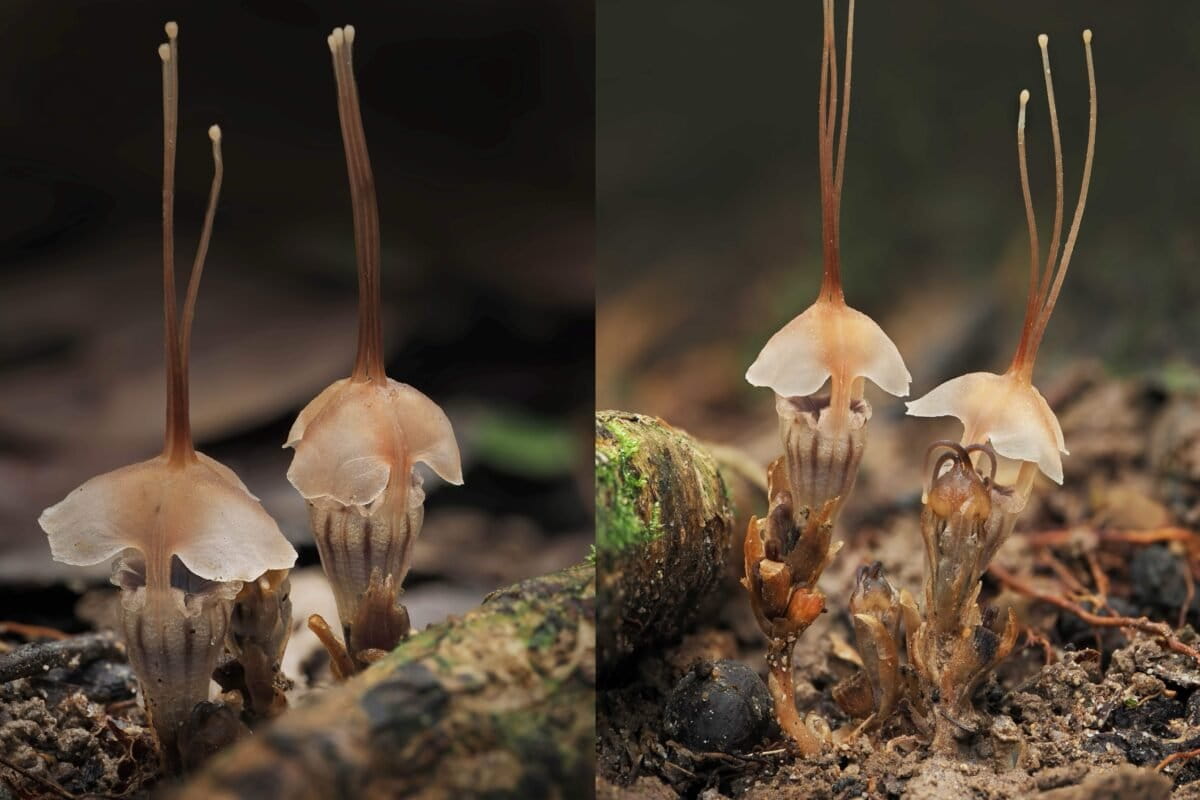
A naturalist spotted an unusual plant with whitish-peach flowers at a popular picnic spot in Malaysia’s Hulu Langat Forest Reserve in 2023. Scientists identified it as a new species called Thismia selangorensis, part of a mysterious group of plants known as “fairy lanterns” that live mostly underground. Fairy lanterns can’t make their own food because they lack chlorophyll, so they steal nutrients from fungi instead. They only bloom between October and February, with tiny flowers hidden under leaves.
Fewer than 20 plants of the newly described species have been found, all within a small area of the same picnic site. Scientists classify the species as critically endangered because people could accidentally step on them, and floods could wash them away. The finding reminds us that important scientific finds can happen in ordinary places.
A ‘guitar shark’ and more than 850 ocean species

The Ocean Census project has discovered 866 new marine species in less than two years. The findings include remarkable creatures from extreme ocean environments, including a tiny 4-centimeter (1.5-inch) pygmy pipehorse found off South Africa’s coast; a new deep-sea limpet living more than 3,000 meters (9,800 feet) deep near Norway, and a critically endangered guitar shark (family Rhinobatidae) — actually a type of ray — along with various corals and starfish.
Scientists estimate that only 10% of marine life has been identified, leaving 1 million to 2 million species still undocumented in Earth’s oceans, which cover 71% of the planet. Using DNA testing, high-resolution cameras and computer technology, researchers are identifying new species faster than ever before.
“There has never been a better time to be a marine biologist,” said Ocean Census director Oliver Steeds, noting that modern technology allows scientists to learn more in the next decade than in the past 10,000 years — critical knowledge as oceans change rapidly.
New Himalayan bat species

Researcher Rohit Chakravarty caught an unusual bat in 2016 but didn’t realize it was a new species until DNA tests showed it was genetically distinct from other known bats. He spent five years searching for another Himalayan long-tailed myotis (Myotis himalaicus) specimen to confirm that it was a new species. When he finally caught a second bat in 2021, he could study its unique features: an extra-long tail, a heavier body, and a bare eye patch.
Using modern methods combining body measurements, DNA analysis and sound recordings, the team made other discoveries, including finding the East Asian free-tailed bat in India for the first time by playing its calls through a Bluetooth speaker.
The findings highlight the Western Himalayas as a hotspot for rare species because its unique geography, formed when the Indian subcontinent collided with Asia, created a boundary between two ecological zones. Scientists say this remote region likely contains many more bat species unknown to science.
Caribbean ‘James Bond’ lizard
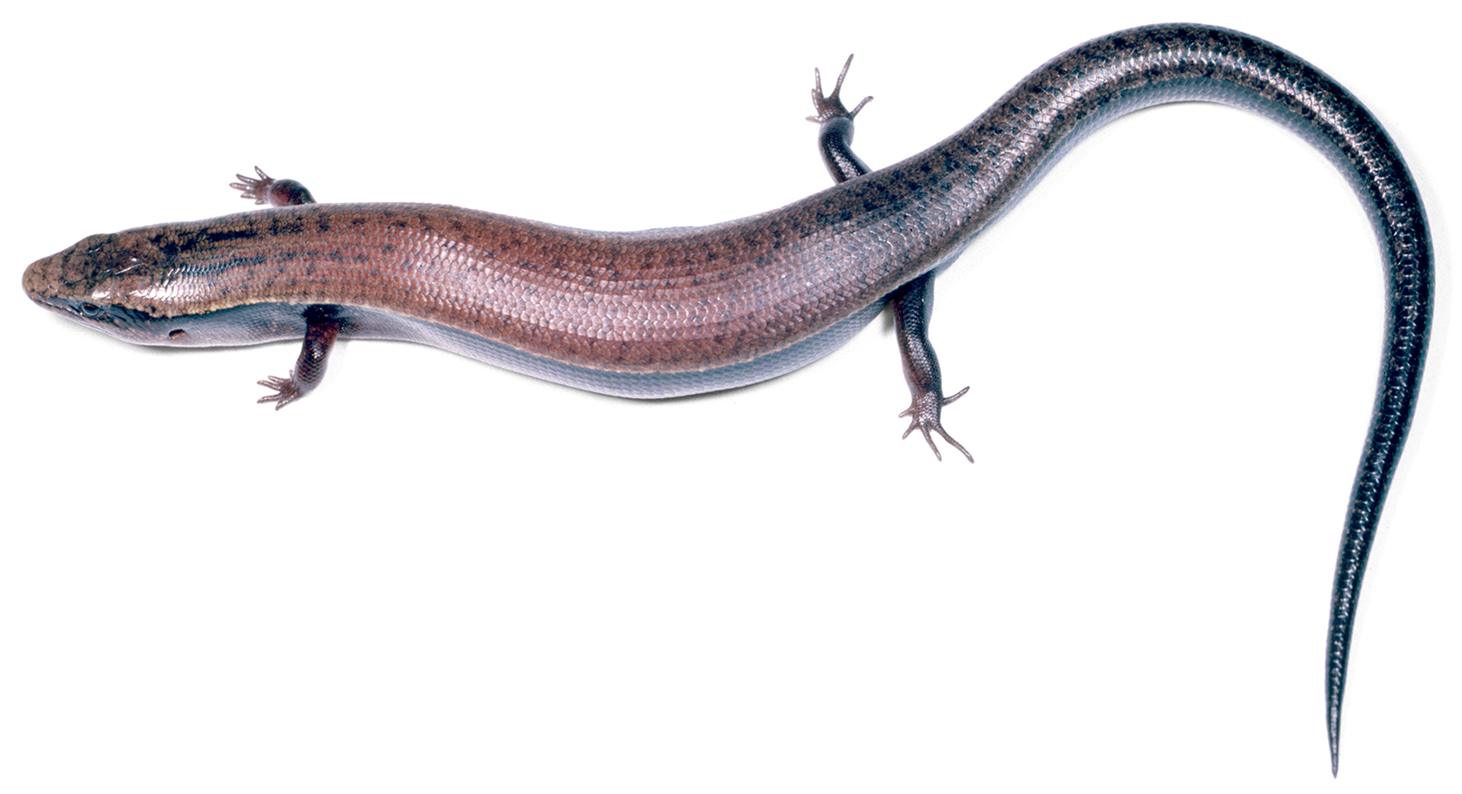
Researchers have found 35 new lizard species in the Caribbean, including one named after fictional spy James Bond. The James Bond forest lizard (Celestus jamesbondi) was found near Goldeneye, Jamaica, where author Ian Fleming wrote his famous novels.
Scientists from Temple University in the U.S. used genetic testing and physical measurements to study hundreds of lizard specimens, including some preserved in museums for 200 years, revealing surprising hidden diversity among forest-dwelling lizards.
The findings are alarming because more than half of these newly identified species may be threatened with extinction. Fourteen might be critically endangered, and three may already be extinct due to habitat destruction and invasive species like the Indian mongoose. The James Bond lizard, a small brown reptile with yellow undersides, is currently common but lives in a worryingly small area.
“The forest habitats of these species are rapidly disappearing, which means that many will become extinct in our lifetimes — soon,” said researcher Blair Hedges. Identifying and naming these species is crucial for conservation efforts before their forests vanish completely.
Parrot snake from Brazil’s threatened Cerrado
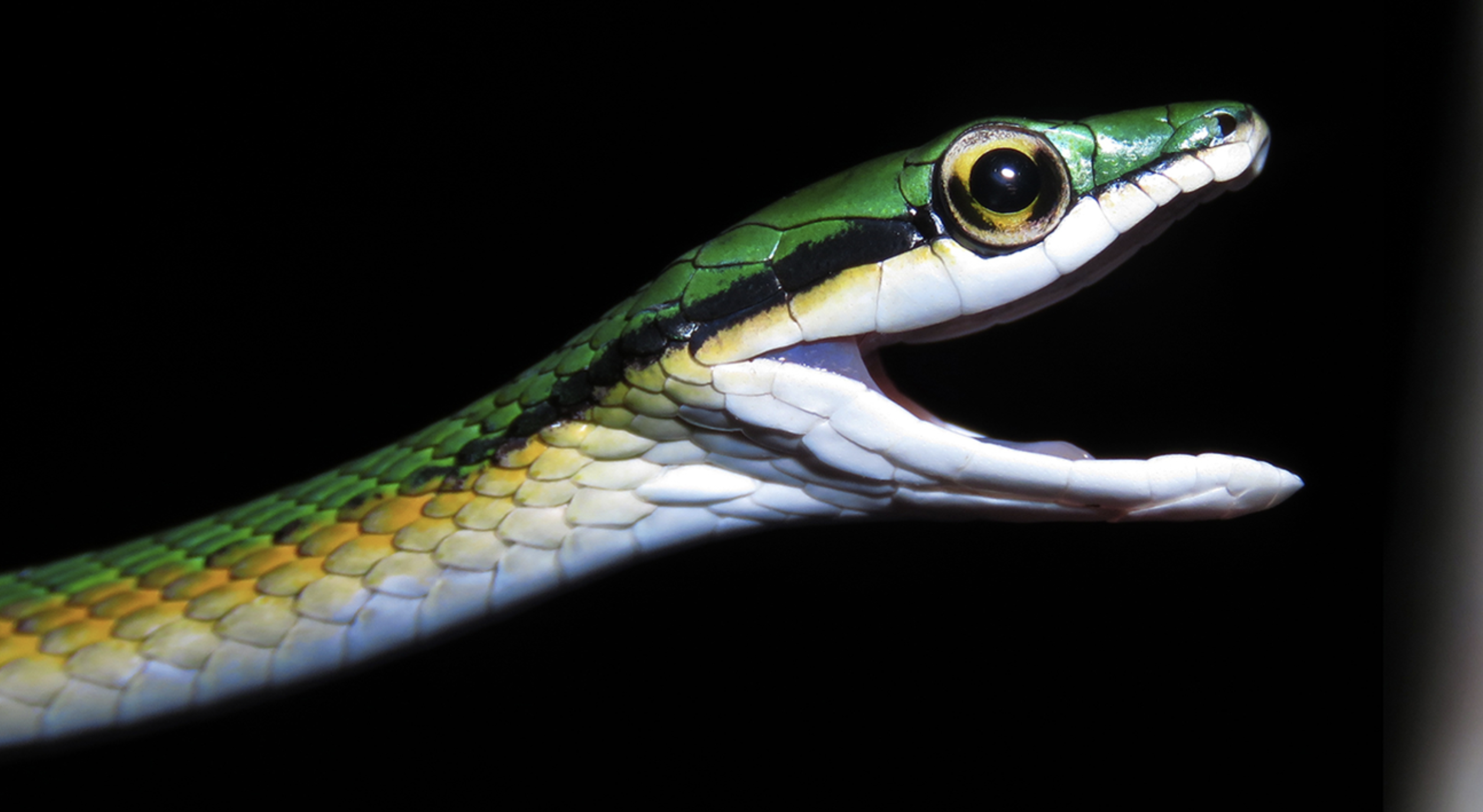
Scientists described a new snake species in Brazil that had been sitting in a museum collection for almost nine years. The parrot snake has bright green and yellow colors and a unique black stripe across its snout that looks like a mustache. That’s why researchers named it Leptophis mystacinus, which means “mustache” in Greek.
The nonvenomous snake grows about 1 meter (3 feet) in length and lives in trees, eating small lizards and birds. It likely lives only in Brazil’s Cerrado, a tropical savanna being destroyed by farms and ranches.
More than half of the Cerrado has already disappeared, threatening many unique species. Scientists worry this snake could go extinct before we learn much about it, especially since predators like snakes are important for controlling pest populations and keeping ecosystems healthy.
Three new frogs from the Peruvian Andes

Scientists in Peru found three new frog species in the Andes Mountains during expeditions between 2021 and 2024. The researchers hiked for hours at night through dangerous, remote areas with steep cliffs and unpredictable weather, searching with headlamps for amphibians.
They found Pristimantis chinguelas, which has bumpy skin and makes high-pitched sounds; P. nunezcortezi, which has black spots on its legs; and P. yonke, the smallest, at less than an inch long.
All three frogs live in areas threatened by farming, cattle ranching and fires. The scientists recommend listing them as “data deficient” because we need more information about their populations to determine their conservation status, but add they’re likely endangered due to habitat loss in the region.
“They’re small and unassuming, but these frogs are powerful reminders of how much we still don’t know about the Andes,” study lead author Germán Chávez, from the Peruvian Institute of Herpetology (IPH), said in a statement.
A new manta ray in the Atlantic Ocean
Scientists have confirmed a third species of manta ray gliding through the ocean, naming it Mobula yarae after Yara, a water spirit from Indigenous Brazilian mythology.
For years, experts believed there were only two manta ray species, but a recent study proves this Atlantic species is genetically and physically distinct from the other two. The newly described manta ray looks similar to its cousins but has unique V-shaped white shoulder patches and a lighter-colored face.
Lead researcher Nayara Bucair from the University of São Paulo spent years analyzing thousands of photos, videos and museum specimens from Brazil, the U.S. and the Bahamas.
“It was when we received the first genetic results that I realised and was certain that this was a different species,” Bucair told Mongabay by email. “Deep down, we’d all known it was a new species for years, but that day, I felt a sense of relief, certain that we could make progress.”
Mobula yarae lives only in the western Atlantic and stays closer to shore, making it more vulnerable to human activities, pollution and disease than other manta rays that roam wider ocean areas.
Banner image: A new parrot snake from Brazil, Leptophis mystacinus. Image courtesy of Diego Santana.
Liz Kimbrough is a staff writer for Mongabay and holds a Ph.D. in ecology and evolutionary biology from Tulane University, where she studied the microbiomes of trees. View more of her reporting here.
FEEDBACK: Use this form to send a message directly to the author of this post. If you want to post a public comment, you can do that at the bottom of the page.
Credits