- Dozens of bank accounts that belong to Indigenous leaders and organizations, land rights activists and nonprofits in Ecuador have been reportedly frozen for weeks, by order of the state.
- Sources told Mongabay their accounts froze suddenly without warning or explanation. Some have gone over six weeks, unable to access their funds, saying it has drastically affected their mobility.
- The freezes come at a time of social protests and rising tensions in the country, and ahead of a controversial referendum in November that will ask citizens if they want to re-write the country’s constitution.
- The freeze on some bank accounts have been lifted with help from lawyers. However, dozens remain in place.
Since September 2025, dozens of Indigenous leaders and organizations, land rights activists and nonprofits in Ecuador have reportedly been unable to access their funds, after a state institution blocked their bank accounts. Judges have recently ordered the government to lift the freeze on a few accounts, but most remain in place.
The bank account freezes come at a time of protests, rising social tensions, and President Daniel Noboa’s repeated warnings against organizations he says seek to topple the government. Just weeks before, the National Assembly passed a new law, advertised as a tool against organized crime, that monitors and regulates the finances of NGOs, nonprofits, foundations and social movements operating in the country. Sources say their accounts were frozen without warning or explanation.
While some account freezes have been lifted, many have remained in place for over six weeks. Indigenous leaders say this has created a hazard for their assemblies, environmental efforts and other social organizing.
The Ministry of Interior denied Mongabay’s various requests for comment, stating via WhatsApp that “this topic is with the UAFE [Financial and Economic Analysis Unit, the body in charge of investigating suspected money laundering cases].” Neither the UAFE, Ecuador’s superintendency of banks, nor the attorney general’s office responded to requests for an interview.
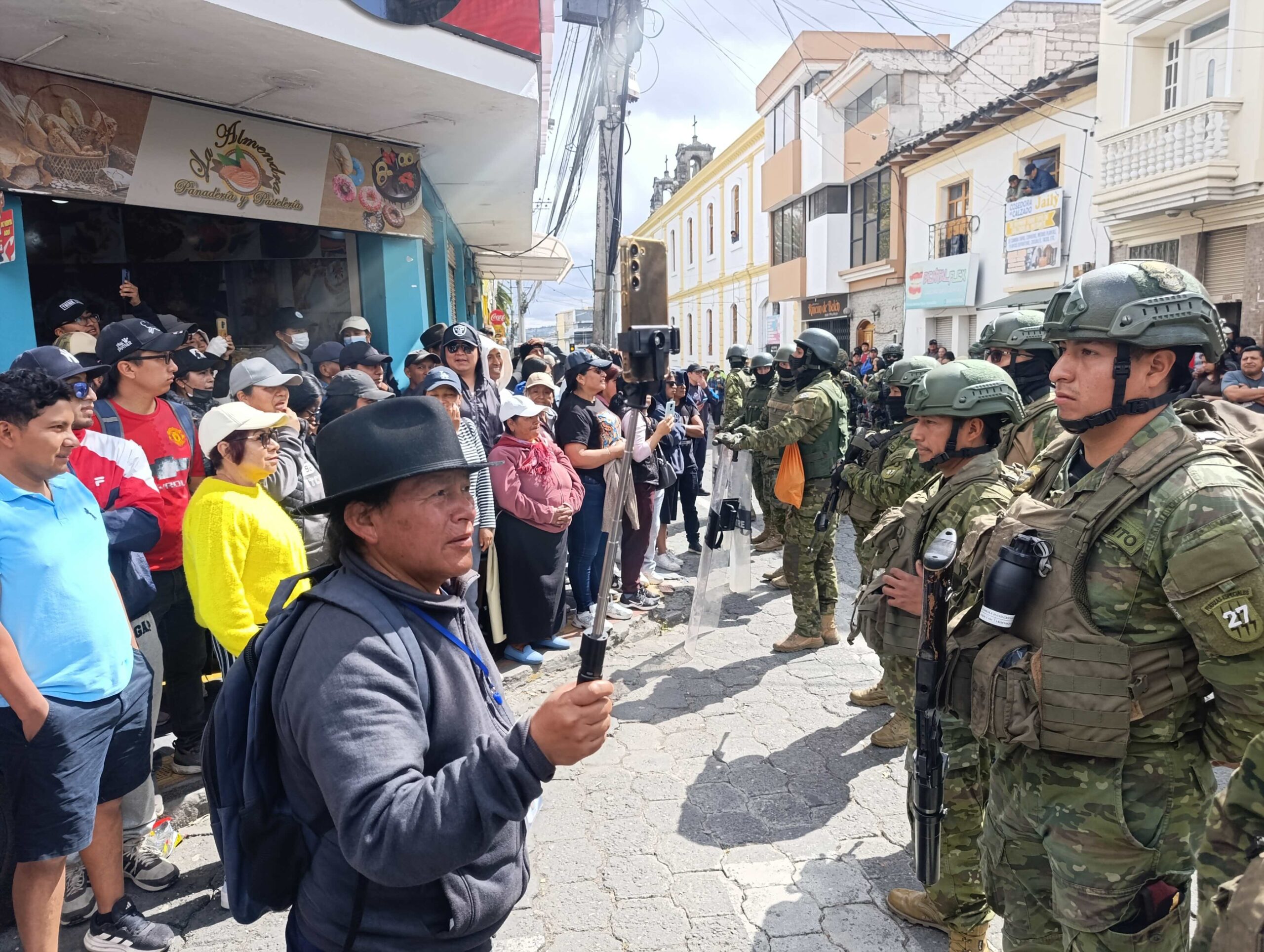
The national Indigenous federation CONAIE was the first to denounce bank account freezes on Sept. 19, the day after they announced a national strike to protest President Daniel Noboa’s austerity measures. One of these measures included cuts to diesel subsidies, which low-income families have long relied on, and a topic the Indigenous movement has rebelled against before, in major uprisings in 2019 and 2022.
Before protests began, CONAIE said their bank account, as well as that of their president, Marlon Vargas, and several other Indigenous leaders had also been blocked. Protests nevertheless continued and lasted more than a month, mainly closing down roads in the province of Imbabura, often turning violent in conflicts with police and military.
Other organizations have reported sudden freezes to their accounts. This includes the nonprofit Pachamama Foundation, the Amazon Indigenous federation CONFENIA, the Indigenous and Campesino Movement of Cotopaxi (MICC), the Ceibo Alliance, the Kichwa Nation of Pastaza (PAKKIRU) and the Union of Victims of Texaco (UDAPT), among others.
Another 61 people were listed by the attorney general’s office of being currently investigated for “unjustified private enrichment,” many of whom have also reported their accounts blocked. The vast majority of the people on the list are Indigenous leaders, but also include representatives of local nonprofits and opposition politicians.
The orders to freeze accounts were issued by the UAFE.

Diego Marcelo Vaca Herrera, head of communications with the MICC, says their organization never received a warning or explanation as to why its accounts, or that of its president José Rafael Negrete Cofre, were frozen. Representatives from Banco Pichincha, Banco Guayaquil and Banco del Austro, where they hold accounts, told them it was due to a judicial order but had no other information, Herrera tells Mongabay.
Lawyer Mario Melo, who represents the Pachamama Foundation, says that neither the bank nor Ecuador’s superintendency of banks could tell his client who ordered the freeze to their accounts. He had to search through various court and prosecutors’ offices to learn that it was issued by UAFE.
A few months ago, blocking or freezing bank accounts could only be done with a court order, not with the UAFE, a body that answers to the executive branch of government, alone.
But in August 2025, Ecuador’s National Assembly passed the Law of Social Transparency. The law aims to regulate foundations and NGOs operating in the country, and grants permission to the UAFE to order freezes on “suspicious” financial operations, according to article 17.3 of the law.
However, Melo points out that the same law specifies that any freezes are limited to specific transactions, not entire accounts.
“Although there is some kind of legal basis [for the freezes], this legal basis has been openly violated by the UAFE,” says Melo. The organization has never provided proof of his client’s connection with illicit financial sources, he adds.
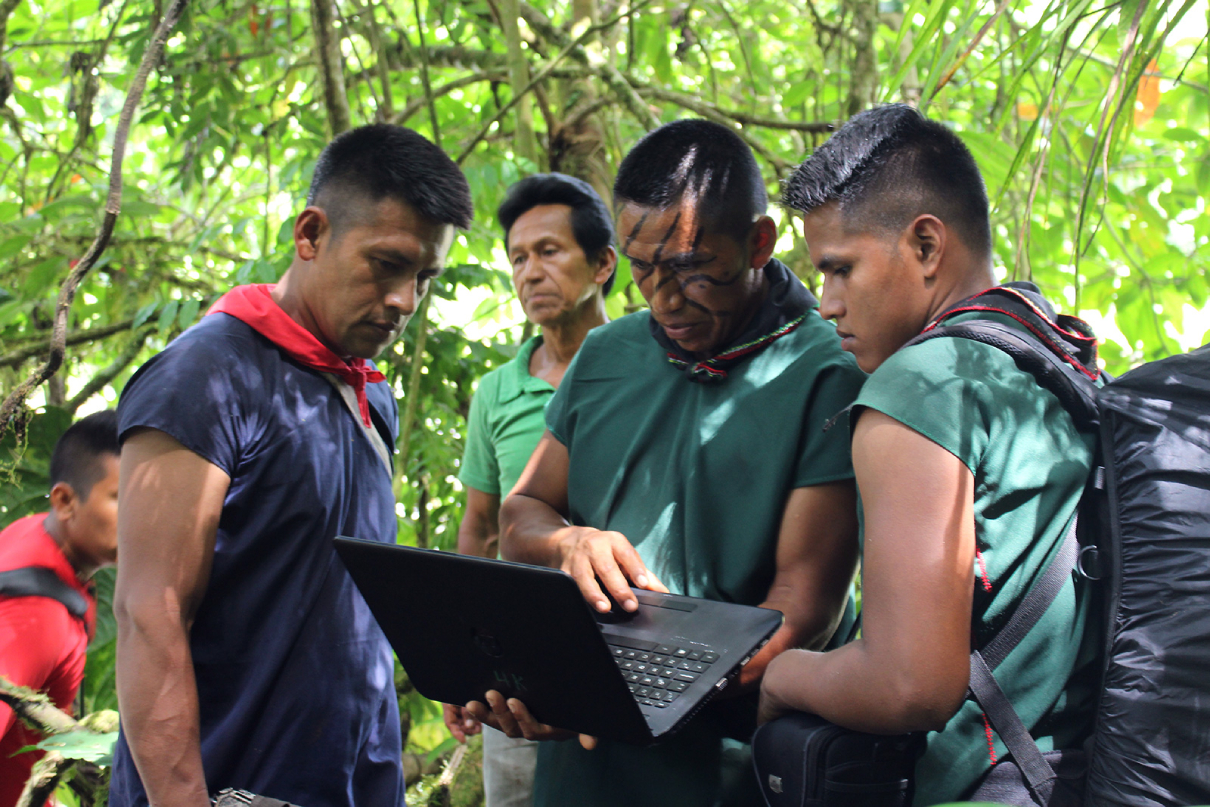
President Daniel Noboa has repeatedly accused Indigenous protesters and land defenders of being financed by organized crime and called the protests “acts of terrorism.” During the recent protests, interior minister John Reimberg spoke directly about account freezes, saying in an interview with local journalist Jimmy Jairala, “the issue of the accounts is fundamental,” as protesters are receiving financial backing from people trying to “destabilize the country and create chaos,” he says.
The bank freezes have been criticized by several human rights organizations, with Juanita Goebertus, Human Rights Watch’s director of the Americas, warning the Ecuadorian government to increase transparency and ensure peoples’ rights to defense be respected.
The United Nations Human Rights Office also called the account freezes part of a “pattern of attacks [that] seems designed to silence civil society organizations and Indigenous peoples,” it wrote in a special report released in October. Experts of the report go on to say the adoption of the Law of Social Transparency “stigmatizes and criminalizes the social sector.”
Orders to lift the freeze
Last week, in two separate hearings, judges began to lift the freeze on certain accounts after the UAFE refused to provide proof of their connection with illicit financial sources. On Nov. 6, one judge ordered the freeze be lifted on the accounts of the Pachamama Foundation, which had been frozen since Sept. 19. On Nov. 5, another judge ordered the freeze be lifted on the bank accounts of the Ceibo Alliance, the Kichwa Nation of Pastaza (PAKKIRU), and the Union of Victims of Texaco (UDAPT), all of which were ordered frozen by the UFAE on Oct. 6.
“Today, we were able to demonstrate that the account freezing measure ordered by the UAFE was never appropriate, necessary, or proportionate,” María Espinosa, lawyer for the Ceibo Alliance, said in the press release.
Dozens of other accounts remain frozen.
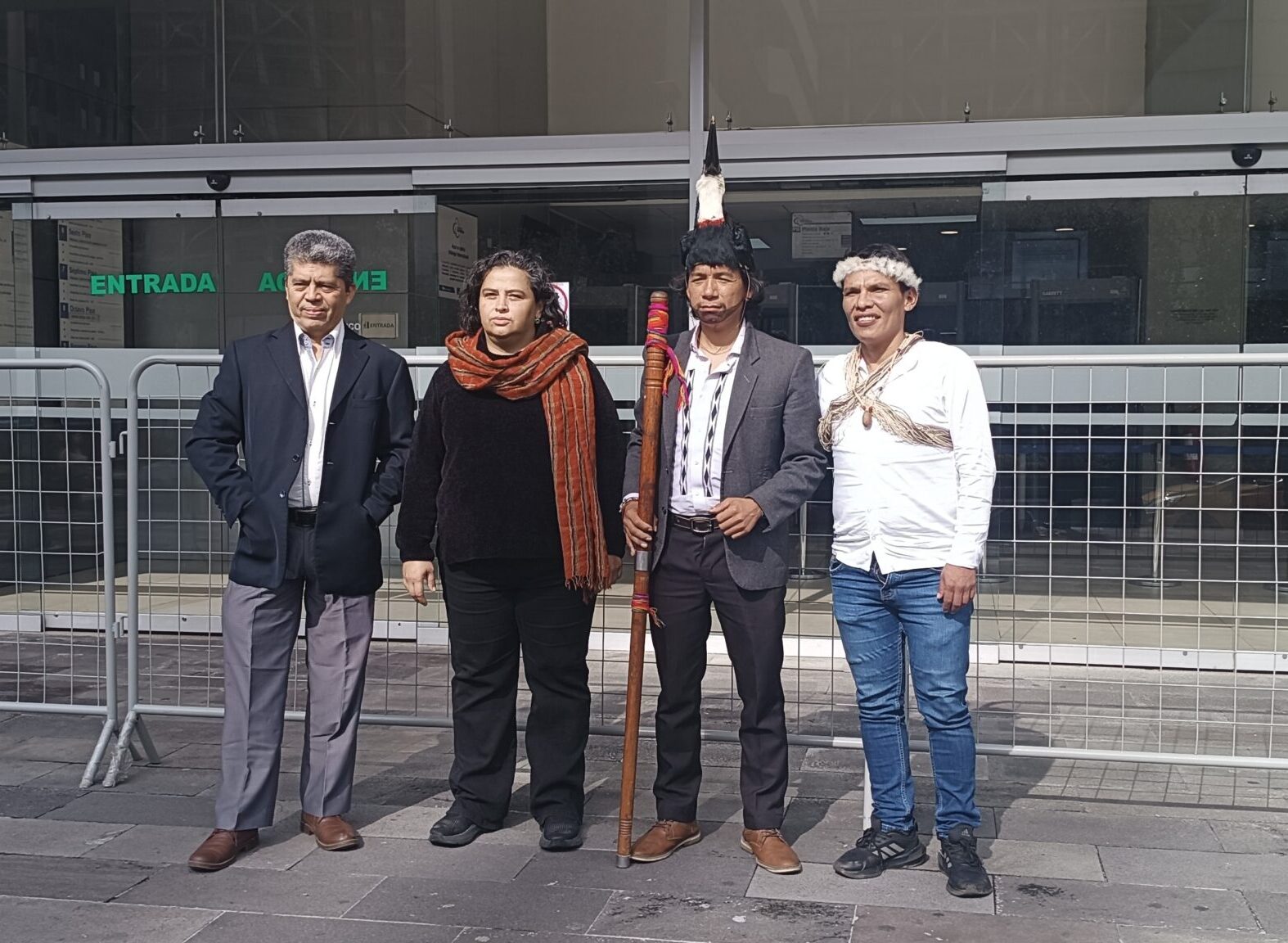
Andres Tapia, former head of communications for Ecuador’s Amazon Indigenous organization CONFENIAE, whose account has been frozen since Sept. 21, 2025, says this is “part of the government’s narrative to stigmatize social movements.”
Herrera of MICC rejects the government’s accusations of protesters being involved with organized crime, calling the comments “out of line.”
“This is the narrative that the government is feeding the Ecuadorian people so that they will begin to hate and distrust the Indigenous movement,” he says.
Herrera says the account freezes have mostly affected the mobility of MICC members, by limiting their ability to pay for transportation. This means assemblies where important decisions about water management, territorial defense and education programs have had to be postponed.
The freezes may also affect their ability to campaign against the upcoming referendum, where one of the questions for citizens will be whether Ecuador’s constitution — one of the first to include the rights of nature — should be rewritten by a constituent assembly. Herrera says their lack of mobility will force them to focus their efforts on online campaigns.
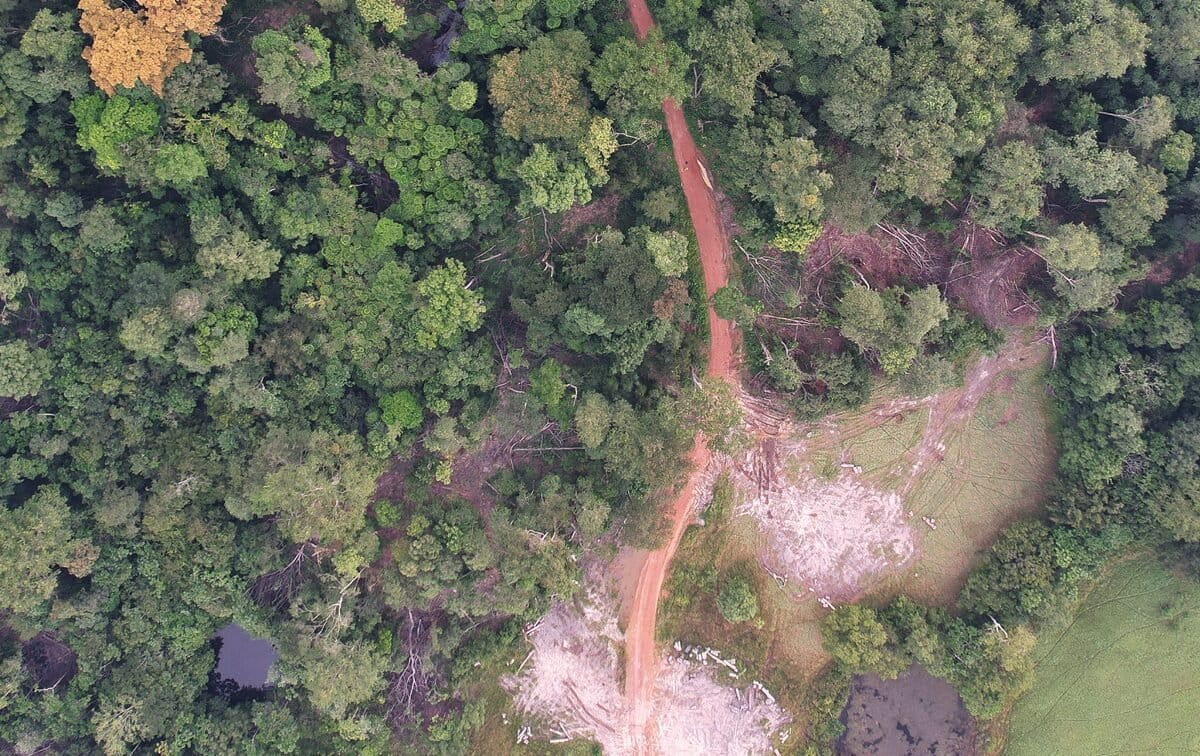
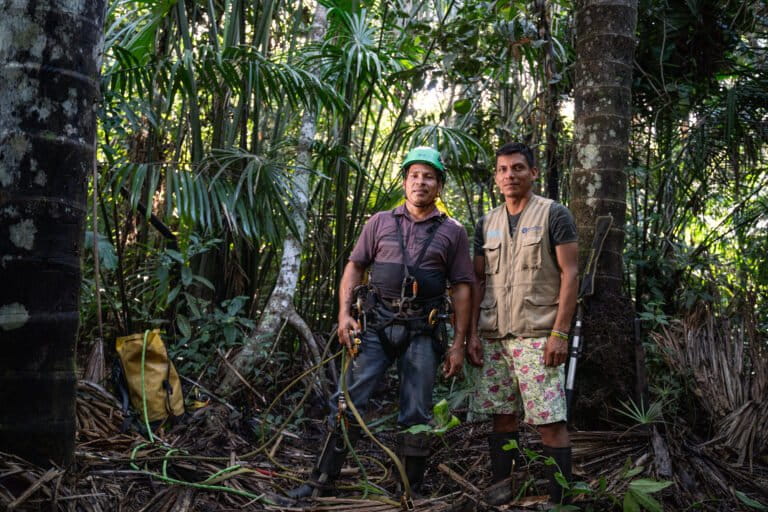
Banner image: The Ceibo Alliance has helped train more than 200 indigenous forest guardians that actively patrol 500,000 hectares of rainforest. Photo credit: Amazon Frontlines.
Ecuador axes environment ministry as officials scramble to revive economy
Related Mongabay podcast episode: Bridging Indigenous and Western knowledge with science and radio. Listen here:
Feedback: Use this form to send a message to the author of this post. If you want to post a public comment, you can do that at the bottom of the page.
Credits