Features
Videos
Podcasts
Specials
Articles
Shorts
Donate
English
Español (Spanish)
Français (French)
Bahasa Indonesia (Indonesian)
Brasil (Portuguese)
India (English)
हिंदी (Hindi)
বাংলা (Bengali)
Swahili
Videos
Podcasts
Articles
Short News
Feature Stories
The Latest
Explore All
Biology News
RSS
3982 stories
L
G
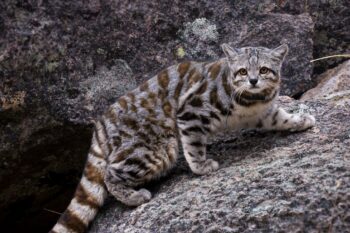
Endangered Andean cat is imperiled by climate change and its solutions
Sean Mowbray
10 Jul 2025
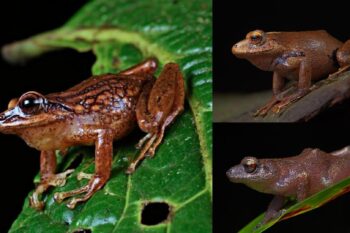
Scientists describe three new frog species from Peruvian Andes
Kristine Sabillo
10 Jul 2025
The aardvark and the melon (cartoon)
Rohan Chakravarty
8 Jul 2025
Mongabay India podcast ‘Wild Frequencies’ wins audio reporting award
Mongabay.com
4 Jul 2025
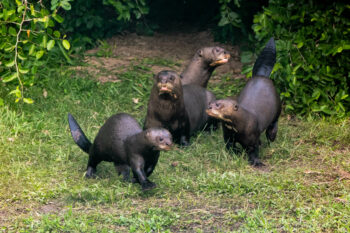
Giant river otter returns to Argentina after almost four decades
Shanna Hanbury
3 Jul 2025
Assisted colonization could be our ally in adapting to climate change, study suggests
Spoorthy Raman
2 Jul 2025
Bogong moths use stars and the Milky Way to make epic migration
Shreya Dasgupta
1 Jul 2025
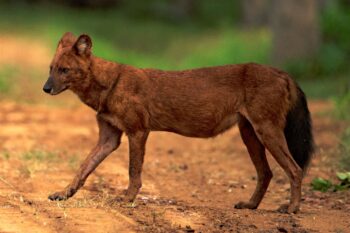
Nepal launches plan to boost science, awareness to save dholes
Abhaya Raj Joshi
30 Jun 2025
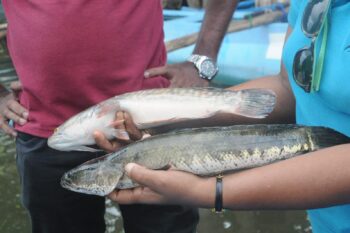
Predatory snakehead fish poses invasive threat after sighting in Sri Lanka reservoir
Malaka Rodrigo
28 Jun 2025
Friendship benefits male and female mountain gorillas differently, study shows
Liz Kimbrough
27 Jun 2025
Orcas discovered making tools from seaweed to ‘massage’ each other
Liz Kimbrough
25 Jun 2025
DNA sequencing to meet global biodiversity goals: Interview with Tyler Kartzinel
Abhishyant Kidangoor
25 Jun 2025
Longhorn crazy ants use ‘swarm intelligence’ to clear path obstacles
Kristine Sabillo
24 Jun 2025
As large scavengers decline, disease risk soars, study finds
Mongabay.com
23 Jun 2025
Whales still aren’t ‘eating all the fish’ (commentary)
Peter Corkeron
18 Jun 2025
When heat waves hit, clownfish shrink to survive, study finds
Keith Anthony Fabro
18 Jun 2025
Pandemic-era slump in ivory and pangolin scale trafficking persists, report finds
Spoorthy Raman
17 Jun 2025
Artificial nests help a rare Brazilian parrot bounce back
Mongabay.com
16 Jun 2025
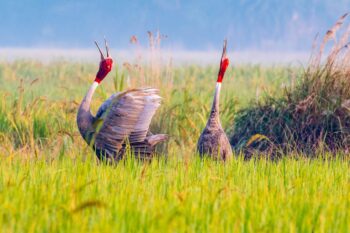
Unique notes in sarus crane duets help distinguish sexes for conservation
Mongabay.com
16 Jun 2025
Mongabay India wins best science podcast at Publisher Podcast Awards
Mongabay.com
12 Jun 2025
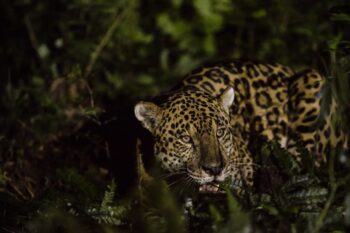
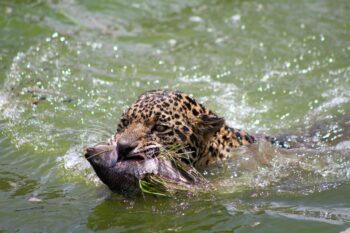
Jaguar recovery unites Brazil and Argentina in conservation effort
Sarah Brown
11 Jun 2025
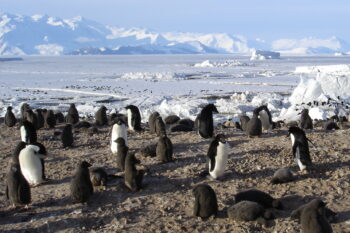
Penguin poop helps form clouds over Antarctica, potentially cooling it
Shreya Dasgupta
10 Jun 2025
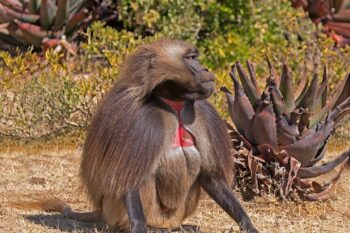
Gelada monkey vocalizations offer insight into human evolution: Study
Kristine Sabillo
9 Jun 2025
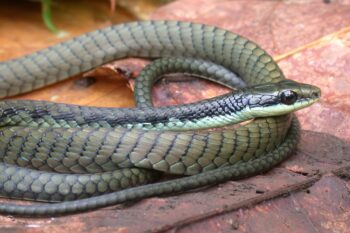
Four new snake species discovered in Papua New Guinea
Rhett Ayers Butler
5 Jun 2025
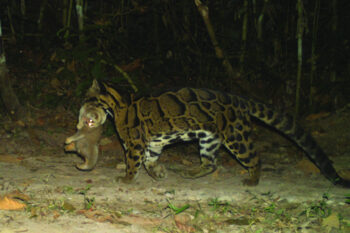
Clouded leopard seen preying on Bengal slow loris in rare photograph
Mongabay.com
5 Jun 2025
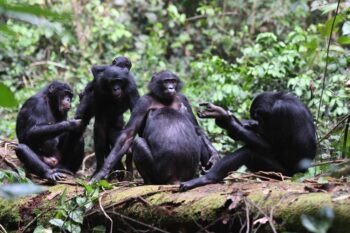
Female bonobos wield power through unity: Study
Kristine Sabillo
3 Jun 2025
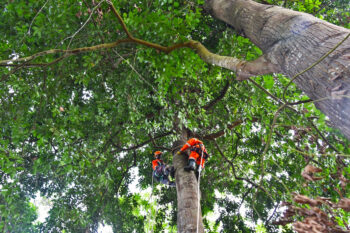
To collect native seeds, Ugandan botanists are climbing forest giants
Ruth Kamnitzer
28 May 2025
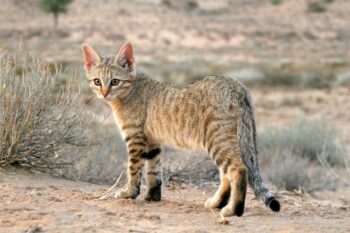
Tabby’s likely ancestor & Earth’s most widespread wildcat is an enigma
Petro Kotzé
28 May 2025
New map highlights complex web of marine migrations
Abhishyant Kidangoor
28 May 2025
How Costa Rica’s ranchers contribute to jaguar and puma conservation
Mongabay.com
28 May 2025
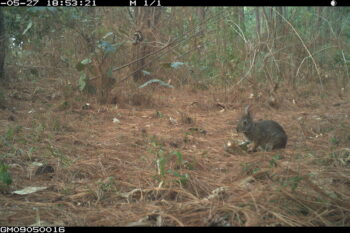
Scientists rediscover a Mexican rabbit they hadn’t seen in 120 years
Astrid Arellano
23 May 2025
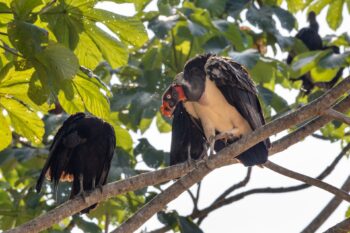
Without vultures, carcasses are slow to rot and disease-carrying flies abound
Liz Kimbrough
22 May 2025
« Previous
1
…
11
12
13
14
15
…
125
Next »
you're currently offline