• Features
  • Videos
  • Podcasts
  • Specials
  • Articles
  • Shorts
Donate
  • English
  • Español (Spanish)
  • Français (French)
  • Bahasa Indonesia (Indonesian)
  • Brasil (Portuguese)
  • India (English)
  • हिंदी (Hindi)
  • বাংলা (Bengali)
  • Swahili
  • Videos
  • Podcasts
  • Articles
  • Short News
  • Feature Stories
  • The Latest
  • Explore All
  • About
  • Team
  • Contact
  • Donate
  • Subscribe page
  • Submissions
  • Privacy Policy
  • Terms of Use
  • Advertising
  • Wild Madagascar
  • For Kids
  • Mongabay.org
  • Reforestation App
  • Planetary Health Check
  • Conservation Effectiveness
  • Mongabay Data Studio

Latest

Mining controversies: The hidden toll of green energy

Valisoa Rasolofomboahangy 17 Dec 2025

Rio Doce communities still live with toxic water, 10 years after Mariana disaster

Ramana Rech 17 Dec 2025

Rapid urbanization, habitat loss are forcing the snakes out in Dhaka

Shakera Tasnim 17 Dec 2025

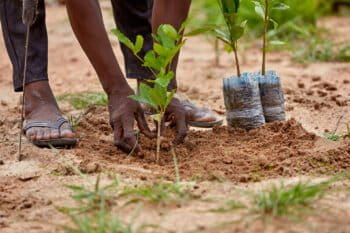
Women scatter seeds, restore forests in Guinea, the ‘water tower of West Africa’

Liz Kimbrough 16 Dec 2025

In Peru, community-led camera trapping boosts conservation and ecotourism

Astrid Arellano 16 Dec 2025

Pacific fisheries summit gives a boost to albacore & seabirds

Edward Carver 16 Dec 2025
All news

Top stories

Izzy Sasada and orangutan

Orangutans rescued from the wildlife trade undergo intensive re-training to return to the wild

Previously undetected in other protected areas, a tigress known as SWT001F was the first individual tiger captured on camera in Thailand's Sisawat Non-Hunting Area in 2024. Panthera, Thailand's DNP and other partners are working to monitor and protect Indochinese tigers and their prey in this region where camera traps have shown tigers are using Sisawat forest as a corridor. Currently plans exist to propose the adjoining forest area to the east as an extension of Sisawat.

Hope for tigers grows as Thailand safeguards a key link in their habitat

Gloria Dickie 16 Dec 2025
Ruyumbu Musango, head of law enforcement at Nyungwe National Park, with members of the park’s ranger detachment. Photo by Ashoka Mukpo for Mongabay.

A Thin Green Line: The 2,000-strong ranger force of African Parks

Ashoka Mukpo 16 Dec 2025

South Greenlanders speak out on rare earths interests

Arina Kleist, Julia Rignot, Sandy Watt 11 Dec 2025

Mexico is inflating its climate spending by billions of dollars. Here’s how.

Maxwell Radwin 11 Dec 2025

Subscribe

Stay informed with news and inspiration from nature’s frontline.
Newsletter

We’re a nonprofit

Help us tell impactful stories of biodiversity loss, climate change, and more
Donate

News and Inspiration from Nature's Frontline.

Izzy Sasada and orangutan
Videos
Articles
A double-hooked blue shark.
Podcasts

Special issues connect the dots between stories

Negotiating Africa's Energy Future

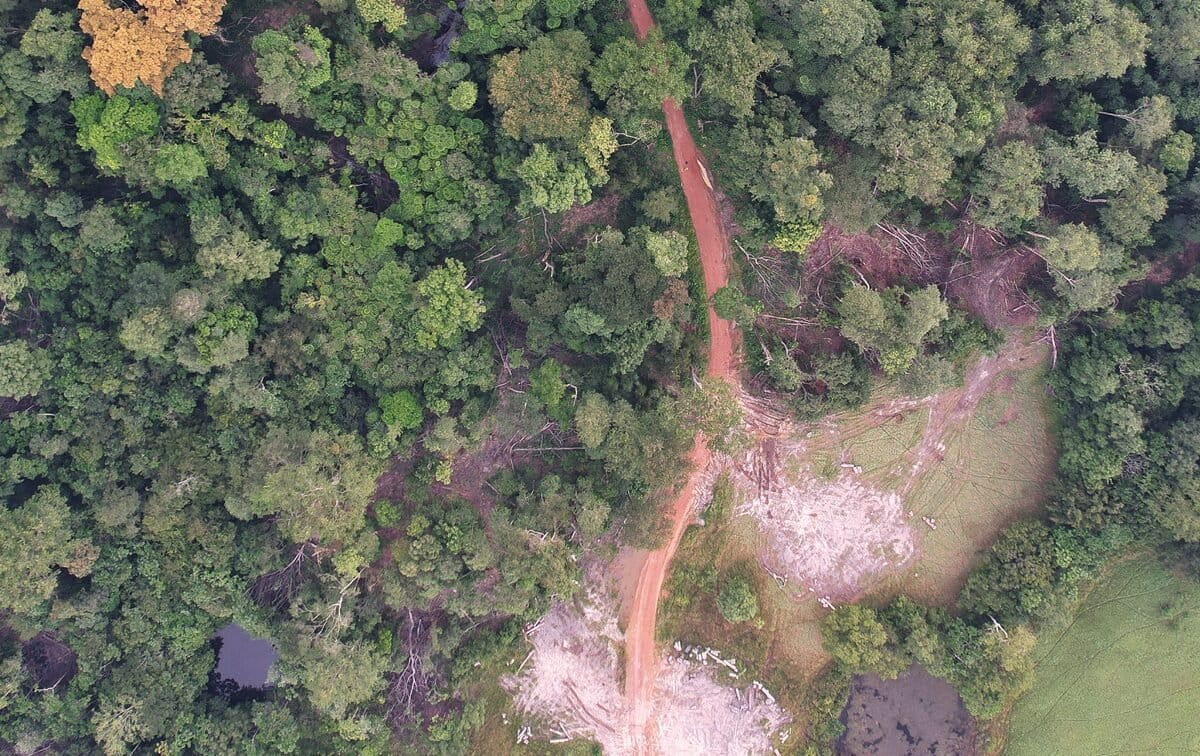
Logging concession near Ndolou, Gabon

Norway’s multibillion-dollar bet on forests: An interview with Minister Eriksen

David Akana 25 Nov 2025
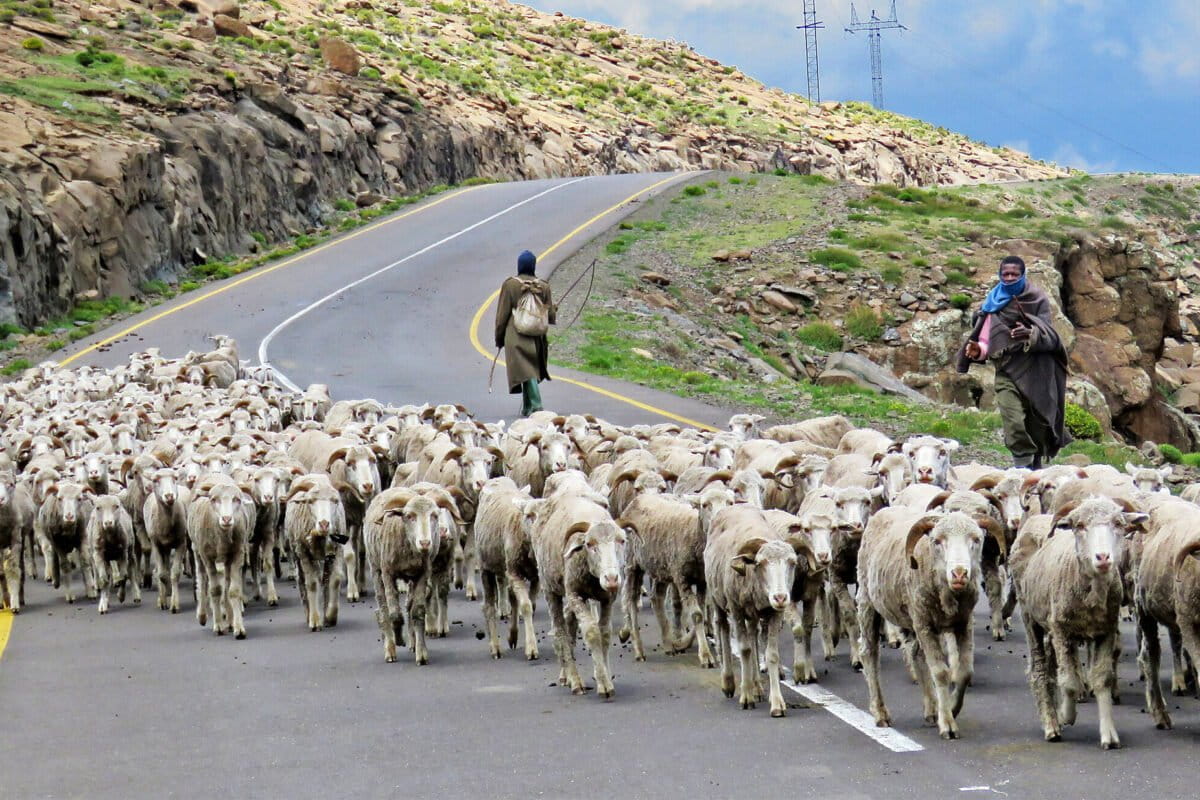
Pastoralists in Lesotho.

Lesotho communities allege greenwashing by project transferring water to South Africa

Malavika Vyawahare 21 Nov 2025
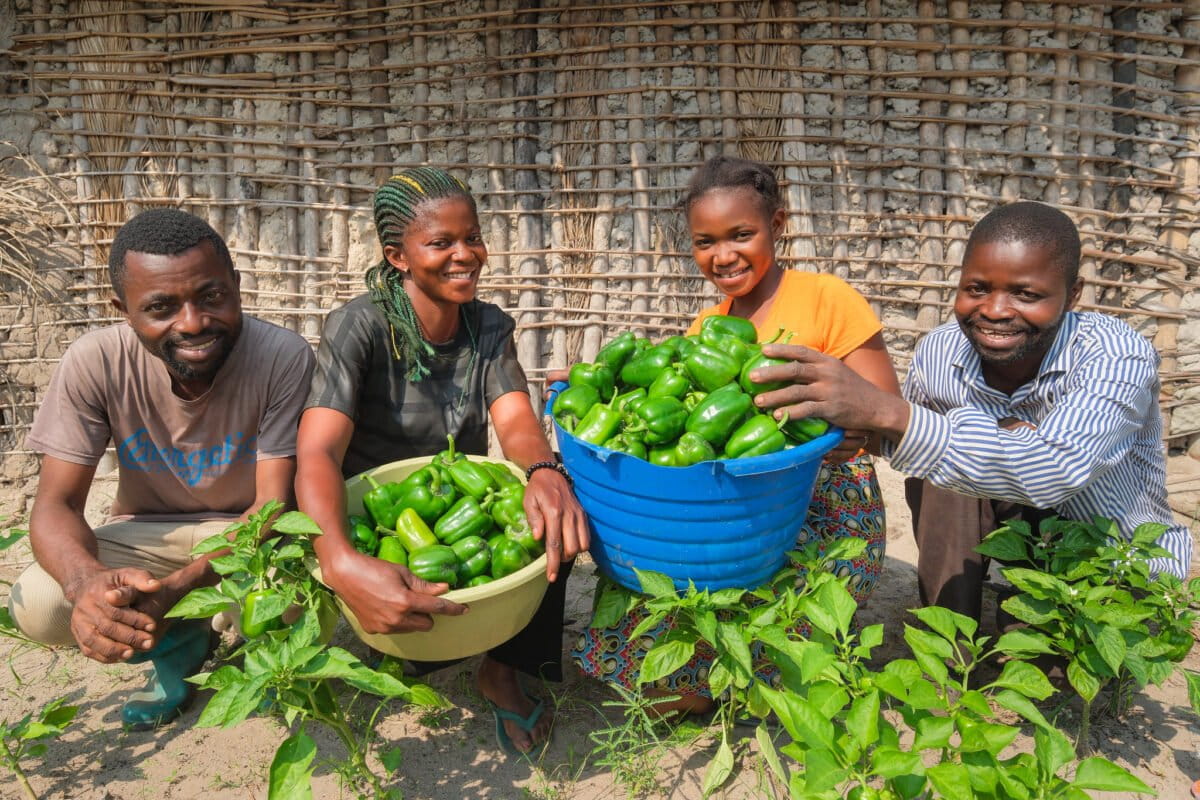
Farmers at Yangambi, Democratic Republic of Congo. Image by Axel Fassio/CIFOR via Flickr (CC BY-NC-ND 2.0)

Fighting for food sovereignty at COP30: Interview with GRAIN’s Ange-David Baïmey

Yannick Kenné 20 Nov 2025
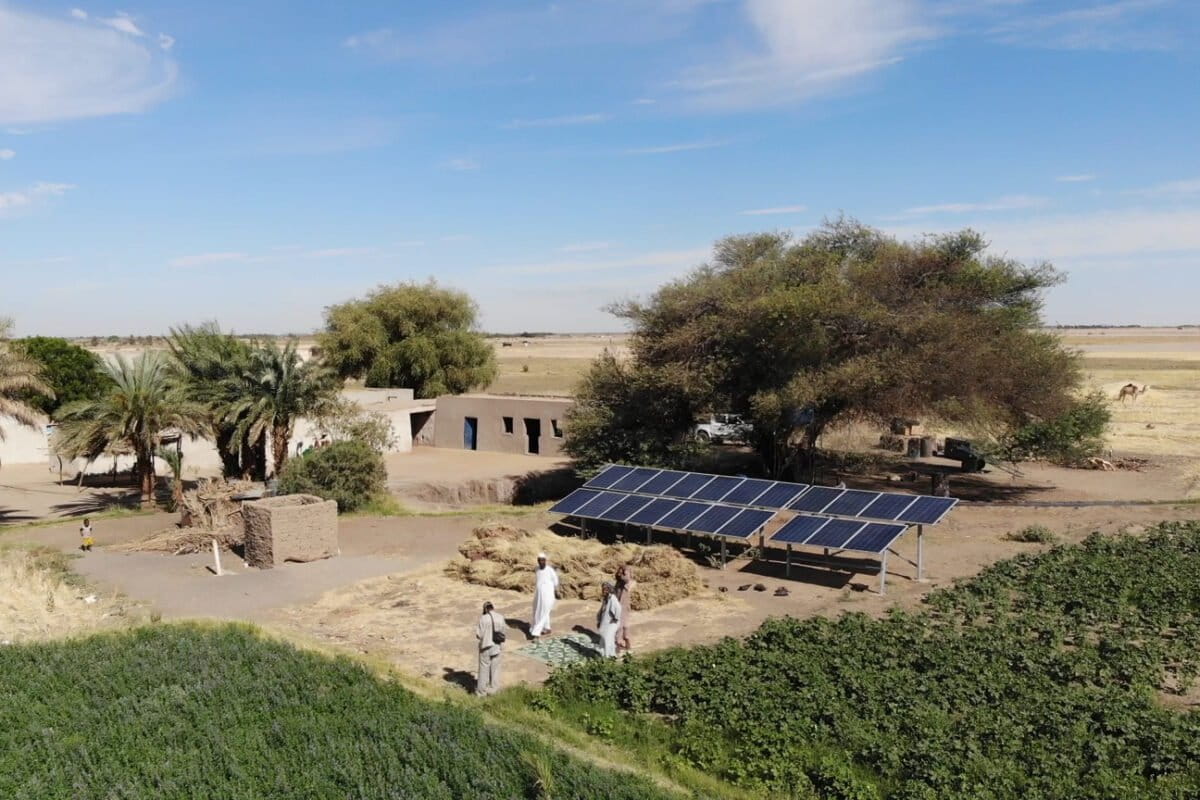
Solar panels in an arid part of Sudan.

‘The perfect ingredients’: WRI Africa deputy director shares vision for the continent’s energy transition

John Cannon 19 Nov 2025

A decade after countries agreed to the Paris climate agreement, Mongabay reports on an idea often invoked when discussing Africa’s path toward a low-carbon future: a just energy transition. Reporters from across the continent explore what “just” and “clean” energy mean for Africans.  These stories show African countries are pursuing their own journeys toward more […]

Negotiating Africa's Energy Future series

More specials

6 stories

Letters to the Future

Natural forests, like this one in Indonesia, contain hundreds of native species that all contribute to the ecosystem services they provide. Protecting standing forests is quicker and cheaper than replanting lost ones. Many forests can regenerate on their own with a little assistance, but where tree planting is needed, it must aim to restore natural diversity and support local communities. Image by Rhett A. Butler/Mongabay.
5 stories

Tech for the Trees

Trawlers docked outside Sihanoukville. Screenshot from ‘Illegal fishing and land grabs push Cambodian coastal communities to the brink’ by Andy Ball / Mongabay.
4 stories

Chaos on Cambodia’s Coast

Free and open access to credible information

Learn more

Listen to Nature with thought-provoking podcasts

A double-hooked blue shark.

Brazilian government serves shark to infants, prisoners and more: How Mongabay broke the story

Mike DiGirolamo 16 Dec 2025

Watch unique videos that cut through the noise

Izzy Sasada and orangutan

Orangutans rescued from the wildlife trade undergo intensive re-training to return to the wild

South Greenlanders speak out on rare earths interests

Arina Kleist, Julia Rignot, Sandy Watt 11 Dec 2025
Collage: Elise Paietta, postdoctoral research scholar during fieldwork, with tropical forest

How do we stop the next pandemic?

Abhishyant Kidangoor 26 Nov 2025
Collage: A group of security guards preventing people from crossing a checkpoint and Fernanda Wenzel Mongabay reporter

On the frontline of the Amazon land war

Julia Lima, Fernanda Wenzel, Fernando Martinho 13 Nov 2025
Soldiers from the PROLANSATE Foundation on patrol

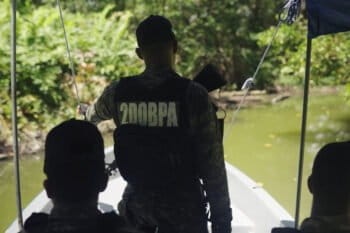
Why is protecting this Honduran lagoon so dangerous? 

Fritz Pinnow, Sam Lee 22 Oct 2025

We’re a nonprofit

Help us tell impactful stories of biodiversity loss, climate change, and more
Donate

In-depth feature stories reveal context and insight

A woman gathers plants along the banks of the Mekong River while a child plays in the background. Water levels of the mighty Mekong River have dropped drastically due to drought-like conditions and damming upstream. The drop disrupts the region’s water supply, transport routes, and the livelihood of communities in Thailand, Laos, Cambodia and Vietnam. The UN Intergovernmental Panel on Climate Change (IPCC) predicts that more than one billion people will face water shortages due to climate change. Credit: © Greenpeace / Vinai Dithajohn
Feature story

New mapping reveals hidden mining boom in Laos that threatens the Mekong

Andy Ball, Gerald Flynn, Konlaphat Siri 10 Dec 2025
Feature story

Stricter rules adopted to protect sloths from pet trade and selfie tourism

Fernanda Wenzel 9 Dec 2025
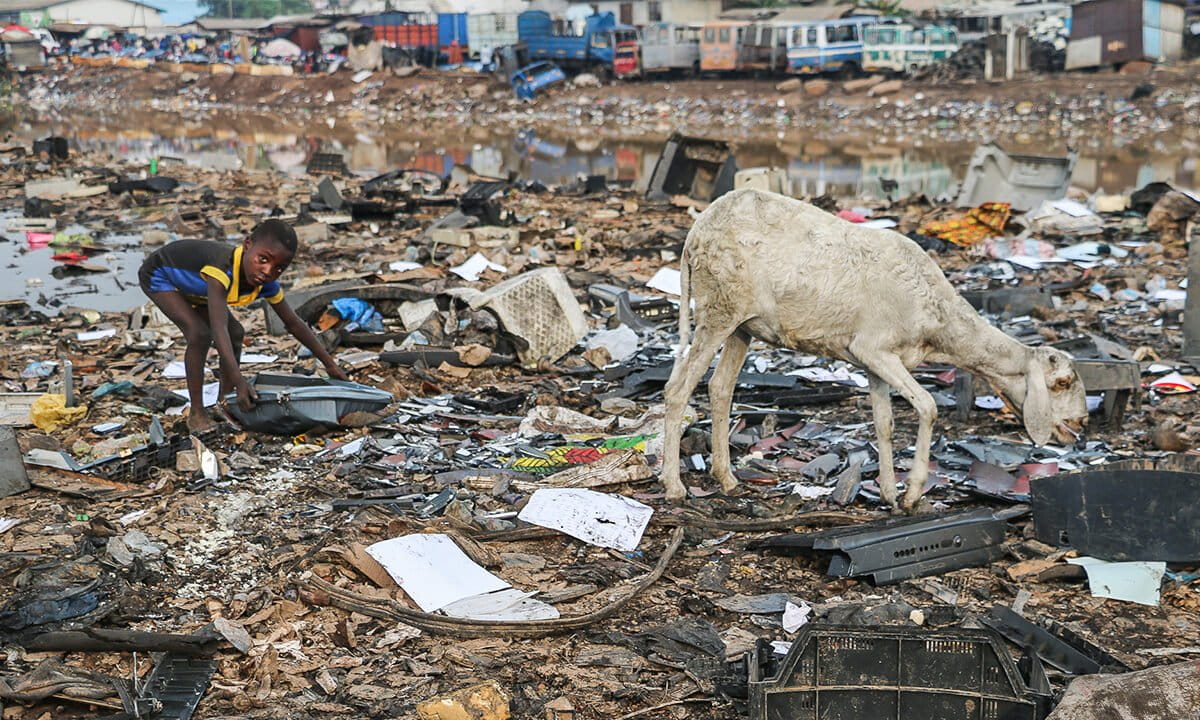
A child at work collecting e-waste in the Agbogbloshie dump in Ghana.
Feature story

Can two Amazons survive? Invisible e-waste is poisoning the world

Gerry McGovern, Sue Branford 3 Dec 2025
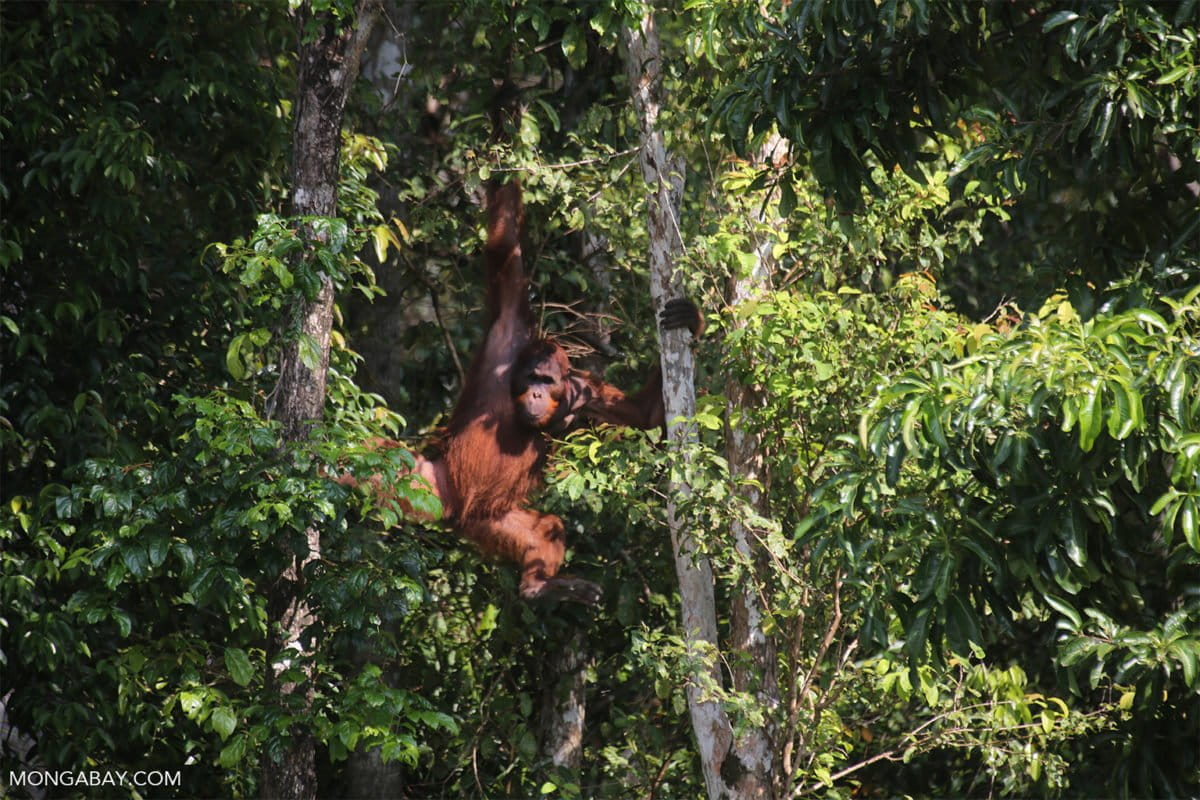
A Bornean orangutan.
Feature story

Indigenous Dayak sound alarm as palm oil firm razes orangutan habitat in Borneo

Hans Nicholas Jong 2 Dec 2025

Quickly stay updated with our news shorts

Navigating the complex world of reforestation efforts

Rhett Ayers Butler 16 Dec 2025

Founder’s Briefs: An occasional series where Mongabay founder Rhett Ayers Butler shares analysis, perspectives and story summaries.

Reforestation has become a feel-good global rallying cry. From corporations touting “net zero” targets to philanthropies seeking visible impact, planting trees has become shorthand for planetary repair. Yet behind the glossy photos of saplings and smiling farmers lies a question few can answer with confidence: Which organizations are actually doing it well?

Karen D. Holl, a professor of environmental studies at the University of California, Santa Cruz, has spent decades studying forest recovery.

“I would give talks, and people would ask, ‘Who should I donate my money to?’” she told Mongabay’s Liz Kimbrough. “There was really no standardized way to answer that question.”

To fill that gap, Holl and postdoctoral researcher Spencer Schubert surveyed and analyzed more than 125 intermediary reforestation groups, the entities that funnel most global funding to local tree-planting projects, Kimbrough reported last month. Their year-long study now forms the backbone of Mongabay’s Global Reforestation Organization Directory.

Rather than ranking or endorsing projects, the directory presents standardized information on each group’s transparency and adherence to scientific best practices. Users can compare organizations based on four criteria: permanence, ecological soundness, social benefit, and financial disclosure. The researchers verified whether monitoring protocols, tree survival data and financial reports were publicly available, though much of the data relies on self-reporting.

The result is not a verdict, but a map of a sprawling, opaque sector. Many organizations claim to restore forests; fewer disclose evidence that trees survive or communities benefit. “We’ve graduated from asking, ‘How many trees did they plant?’ to ‘Has tree cover increased over time?’” Schubert said.

For donors, the tool offers clarity in a crowded market. For practitioners, it hints at a higher bar. Transparency, Holl argues, is itself a measure of competence. “If you’re going to say you’re doing this, then you need to show that you actually are.”

Read the full story by Liz Kimbrough here.

Banner image: Tree Aid’s efforts as part of the Great Green Wall in Mali. Image courtesy of Tree Aid.

Tree Aid’s efforts as part of the Great Green Wall has resulted in planting nearly 28 million trees in the region so far.

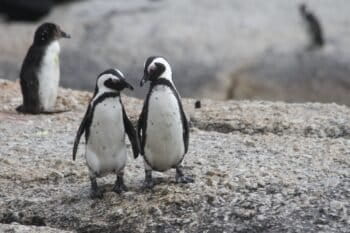
South Africa considers site near African penguin colony for third nuclear power plant

Shreya Dasgupta 16 Dec 2025

South African state electricity company Eskom is reevaluating two sites to host the country’s third nuclear power plant, having previously dismissed both for an earlier facility.

The two potential sites are Thyspunt, on the Eastern Cape coast, and Bantamsklip, near Dyer Island in the Western Cape, home to a significant, but declining colony of critically endangered African penguins (Spheniscus demersus).

“Bantamsklip is a globally unique coastal environment with extremely high ecological value, and the risks from infrastructure of this scale remain unacceptable,” Wilfred Chivell, founder of the nonprofit Dyer Island Conservation Trust, told Mongabay by email.

South Africa’s first nuclear power plant, the 1,860-megawatt Koeberg facility, has been running since 1984 and supplies roughly 4% of the country’s electricity.

Discussions for a second nuclear plant began in the mid-2000s, identifying Thyspunt, Bantamsklip and Duynefontein, near Koeberg, as potential locations. After years of legal challenges over coastal ecology, seismic risks, and heritage impacts concerns, in August 2025 Duynefontein was upheld as the site for the 4,000-MW second plant.

Eskom has now initiated an environment impact assessment for its third nuclear facility, with a capacity of 5,200 MW.

An Eskom spokesperson told Mongabay by email that the EIA is for Thyspunt, with Bantamsklip being evaluated as an alternative site, “in line with EIA regulations that require consideration of alternatives.”

“This will be a new EIA application and lessons learnt from the previous application will be taken into account by the specialists,” they said.

South African news agency GroundUp reported that during the project’s virtual public meetings in early December, attendees questioned the lack of public participation ahead of choosing Bantamsklip and Thyspunt “as the only suitable sites.”

Chivell told Mongabay that while he’s not opposed to nuclear energy, which could be important for South Africa’s low-carbon energy future, the environmental concerns previously raised for Bantamsklip remain valid today.

The site lies within a unique marine environment, where ocean currents create conditions for highly productive ecosystems, Chivell said. Bantamsklip neighbors Dyer Island Nature Reserve, which hosts southern right whales (Eubalaena australis), Cape fur seals (Arctocephalus pusillus), sharks, dolphins, abalone and seabirds — including about 1,000 breeding pairs of African penguins.

Chivell said operating a nuclear plant at Bantamsklip could result in potential sediment disturbance, increased underwater noise, and chemical pollution, while heated water discharged back into the ocean could alter the currents and food web. Furthermore, the proposed dumping of the sand excavated during construction back into the sea could devastate kelp forests along the coastline, he said.

The ecological damage would undermine “decades of conservation and scientific research, as well as the nature-based tourism that sustains local livelihoods,” Chivell said.

He added that since the previous EIA for the second nuclear facility, conditions in the area have worsened. “African Penguins are now critically endangered, and local shark populations have declined dramatically,” he said. “Any new environmental assessment must be comprehensive, transparent, and ecosystem-wide.”

Banner image of African penguins by Pam Ivey via Unsplash (Public domain).

The endangered African penguins (Spheniscus demersus)

From Kalimantan’s haze to Jakarta’s grit: A journalist’s journey

Rhett Ayers Butler 15 Dec 2025

Founder’s Briefs: An occasional series where Mongabay founder Rhett Ayers Butler shares analysis, perspectives and story summaries.

Indonesia’s environmental challenges can feel overwhelming when taken as a whole. A country said to contain more than 17,000 islands, it holds the world’s third-largest tropical rainforest and a resource economy that has reshaped much of that landscape. For many Indonesians, modern development is experienced not in graphs but in the air around them: childhoods spent under yellowed skies, peat smoke drifting into classrooms, the sweet-acrid smell that clings to shirts long after the fires burn out. Others recognize the shifting environment in subtler ways, like the ground growing wetter where it once stayed firm or the metallic tang in Jakarta’s air on days when pollution monitors flash red.

For Sapariah “Arie” Saturi, Mongabay Indonesia’s managing editor, these are not distant impressions. They are the texture of her early life along the Kapuas River in West Kalimantan, a region defined by peatlands, forests and the heavy footprint of timber, palm oil and mining interests. Dry seasons in the 1990s often brought fires and a haze so thick it dulled both sound and color. Eyes burned after minutes outdoors; masks were uncommon. Children adapted because they had no choice.

Arie now lives in Jakarta, where the problems are different but equally immediate. The capital sinks a little more each year, traffic strains patience, and even a brief gust through an open window can leave a chemical scent lingering in the curtains. On weekends, she escapes to a nearby village, tending mint and chiles in rows of pots. A friend once joked that her garden was “offline environmentalism” compared to Mongabay’s online work. She let the joke stand.

Her journalism career took shape after the fall of former President Soeharto, during a burst of media openness in the late 1990s. She started in Pontianak, moving between small newsrooms, learning through trial, error, late-night writing and stacks of magazines bought from a 24-hour stall. The persistence stuck. “Tak bisa ke lain hati,” she says in an interview with Mongabay. Her heart cannot be redirected elsewhere.

Arie joined Mongabay Indonesia when it was still a tiny operation. Environmental coverage in mainstream outlets was often sidelined or softened, especially when it involved companies that bought advertising space. Mongabay’s independence was a rare chance to pursue the stories others ignored.

Today she manages reporters across the archipelago, beginning her days before dawn with edits, coordination calls and field updates. Some stories take days of checking, others only an hour, but the flow never stops — from Sumatra’s peatlands to Sulawesi’s nickel mines.

For Arie, journalism is a way to amplify the voices of people who are too often unheard: communities defending customary forests, farmers trapped in debt cycles, island residents resisting destructive mining. Sometimes coverage triggers policy changes; sometimes it simply affirms people’s experiences. Both matter.

Read the full interview with Sapariah “Arie” Saturi here.

Banner image of Sapariah Saturi in Papua courtesy of Saturi.

Noisy traffic is making Galápagos’ yellow warblers angry

Mongabay.com 15 Dec 2025

A recent study found that birds that live closer to roads display more aggression than birds of the same species that live farther away from noisy vehicles, Mongabay’s Spoorthy Raman reported.

Researchers looked at the behavioral differences of male Galápagos yellow warblers (Setophaga petechia aureola) on two islands of the Galápagos, an Ecuadorian archipelago in the Pacific Ocean known for its rich biodiversity.

Within known territories of 38 male yellow warblers on the islands, the researchers played prerecorded songs of an intruding warbler on a speaker. To some recordings, they had added traffic noises, while the others only had warbler calls. Male yellow warblers tend to shoo away other males that wander into their territory with songs.

On both islands, the researchers found the same pattern in response: Male birds that lived closer to the roads were more aggressive when the speaker played recordings of an intruding bird’s song with added traffic noise than those that lived far away from roads.

The birds living closer to roads circled the speaker in closer proximity, rather than simply singing — behavior associated with aggression and higher risk of physical conflict.

The birds also increased the lower-pitched noises in their song, presumably to be heard over the traffic noise, while those living far from the roads sang in higher pitches.

“Many species may adjust their behaviors and be able to live near noise, but the most sensitive species are likely not able to change their behaviors or deal with the stress of daily noise interruptions,” Jennifer Phillips, a bioacoustics researcher from Washington State University, U.S., who was not involved in the study, told Raman by email.

“This is why cities or human impacted areas often have lower biodiversity, because more sensitive species are the first to go,” she added.

The researchers ran the trials on two very different Galápagos islands. Santa Cruz Island, the Galápagos’ most populated island, has around 15,000 residents, about 15,000 yearly tourists and an estimated 1,000 vehicles. Meanwhile, Floreana Island has a human population of around 100 and just 10 cars. The researchers found that even lower amounts of traffic were enough to cause a change in behavior.

The human population of the Galápagos has increased tenfold in the last 50 years, and the numbers of cars has followed the trend.

“We’ll see more and more effects of this as humans alter the habitats,” said study co-author Çağlar Akçay, a behavioral ecologist at Anglia Ruskin University, U.K. “There [are] very few places on Earth where there’s no human noise.”

Read the full story by Spoorthy Raman here.

Banner image: A pair of Galápagos yellow warblers. Image courtesy of Çağlar Akçay.

A pair of Galápagos yellow warblers. The increasing human population and the number of vehicles are impacting these birds and their behaviour. Image by Çaglar Akçay.

South Sudanese community fights to save land from relentless flooding worsened by climate change

Associated Press 15 Dec 2025

AKUAK, South Sudan (AP) — Flooding worsened by climate change is forcing a community in South Sudan to work constantly to keep water from encroaching on their land. The Akuak community of about 2,000 people has been layering plants and mud to build islands for generations in this swampy area along the Nile River, according to their chief. Increased flooding driven by climate change in recent years has made the islands harder to maintain. Community members spend hours each day dredging up material by hand to keep water from encroaching. South Sudan is experiencing catastrophic flooding for the sixth year in a row. It’s considered one of the countries most vulnerable to climate change.

Birds, bugs and butterflies netted in global seizures by Interpol

Spoorthy Raman 12 Dec 2025

In a single month this year, nearly 30,000 live animals, were seized in a coordinated global crackdown on the illegal trade in wildlife and plants. Known as Operation Thunder and coordinated by Interpol and the World Customs Organization (WCO), it also confiscated tens of thousands of body parts from endangered species, and high-value plants and timber. The operation, conducted every year, aims to identify, disrupt and dismantle the criminal networks behind such environmental crime, an industry valued at least $20 billion annually.

Held from Sept. 15-Oct. 15 this year, the operation involved law enforcement and wildlife authorities from 134 countries. They conducted 4,640 seizures and identified 1,100 suspects. Now in its ninth year, Operation Thunder seized more than 30 metric tons of parts belonging to species listed under CITES, the global wildlife trade agreement.

The operation exposes the “sophistication and scale of the criminal networks” involved in the illegal wildlife trade, Interpol secretary-general Valdecy Urquiza said in a press release. Often, these networks are also involved in drug, human and weapons trafficking. “These syndicates target vulnerable species, undermine the rule of law and endanger communities worldwide,” Urquiza said.

This year’s seizure of 30,000 live animals is an all-time high for the operation and indicates rising demand for exotic pets. Authorities intercepted nearly 10,500 butterflies, spiders and insects — many protected under CITES — along with more than 6,000 birds, some 2,000 turtles and 1,150 reptiles. At CITES’s recent summit in Uzbekistan, some reptiles, sloths, and turtles traded as exotic pets were given greater protection. Separately, the IUCN, the global wildlife conservation authority, passed a motion recognizing the need to address the soaring illegal wildlife trade to meet demand for pets.

The operation also exposed the trade in primates and their body parts. Authorities seized more than 200 live primates, along with some 1,560 primate parts. The vast majority were seized in North America, including a shipment with more than 1,300 primate bones, skulls and other derivatives. In Brazil, authorities dismantled a trafficking network involved in smuggling golden lion tamarins (Leontopithecus rosalia), an endangered monkey.

The operation also revealed a growing illicit trade in bushmeat. Roughly 5.8 metric tons of primate, giraffe, zebra and antelope meat were seized worldwide, with a notable increase in cases from Africa into Europe.

Authorities also confiscated more than 245 metric tons of protected marine wildlife, including 4,000 pieces of shark fins.

Plant seizures also reached a record high, with more than 10 metric tons of live plants and plant derivatives confiscated, along with more than 32,000 cubic meters (1.13 million cubic feet) of illegal timber and 14,000 timber pieces.

Insights from Operation Thunder will help authorities map global criminal networks, anticipate emerging criminal tactics and disrupt illicit supply chains involved in the illegal wildlife trade, Interpol said.

Banner image: Primates seized in Thailand as part of Operation Thunder. Image courtesy of Interpol.


Share Short Read Full Article

Share this short

If you liked this story, share it with other people.

Facebook Linkedin Threads Whatsapp Reddit Email

Subscribe

Stay informed with news and inspiration from nature’s frontline.
Newsletter

News formats

  • Videos
  • Podcasts
  • Articles
  • Specials
  • Shorts
  • Features
  • The Latest

About

  • About
  • Contact
  • Donate
  • Impacts
  • Newsletters
  • Submissions
  • Terms of Use

External links

  • Wild Madagascar
  • For Kids
  • Mongabay.org
  • Reforestation App
  • Planetary Health Check
  • Conservation Effectiveness
  • Mongabay Data Studio

Social media

  • LinkedIn
  • Instagram
  • Youtube
  • X
  • Facebook
  • Tiktok
  • Reddit
  • BlueSky
  • Mastodon
  • Android App
  • Apple News
  • RSS / XML

© 2025 Copyright Conservation news. Mongabay is a U.S.-based non-profit conservation and environmental science news platform. Our EIN or tax ID is 45-3714703.

you're currently offline