• Features
  • Videos
  • Podcasts
  • Specials
  • Articles
  • Shorts
Donate
  • English
  • Español (Spanish)
  • Français (French)
  • Bahasa Indonesia (Indonesian)
  • Brasil (Portuguese)
  • India (English)
  • हिंदी (Hindi)
  • বাংলা (Bengali)
  • Swahili
  • Videos
  • Podcasts
  • Articles
  • Short News
  • Feature Stories
  • The Latest
  • Explore All
  • About
  • Team
  • Contact
  • Donate
  • Subscribe page
  • Submissions
  • Privacy Policy
  • Terms of Use
  • Advertising
  • Wild Madagascar
  • For Kids
  • Mongabay.org
  • Reforestation App
  • Planetary Health Check
  • Conservation Effectiveness
  • Mongabay Data Studio

Latest

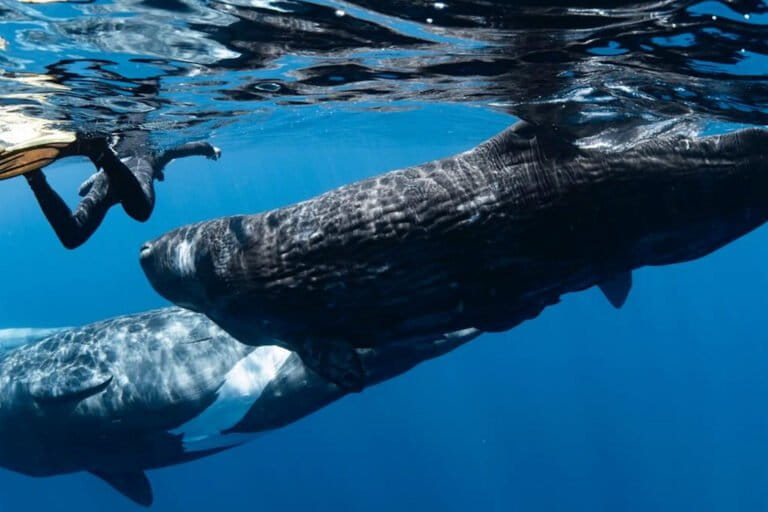
A diver swimming close to a female sperm whale pod.
Feature story

Unregulated tourism risks disrupting Timor-Leste’s whale migration

Robin Hicks 11 Dec 2025

Deep-sea mining interests raise alarms among Mariana Trench communities

Elizabeth Claire Alberts 10 Dec 2025

Boom in burning waste for fuel puts human health and environment at risk

Sean Mowbray 10 Dec 2025

UN honors five climate ‘Champions of the Earth’

Mongabay.com 10 Dec 2025

With a target on their bellies, can California’s sturgeon survive?

Laurel Neme 10 Dec 2025

UK, Dutch agencies pull funding from Total’s controversial Mozambique LNG project

Victoria Schneider 10 Dec 2025
All news

Top stories

A diver swimming close to a female sperm whale pod.

Unregulated tourism risks disrupting Timor-Leste’s whale migration

A woman gathers plants along the banks of the Mekong River while a child plays in the background. Water levels of the mighty Mekong River have dropped drastically due to drought-like conditions and damming upstream. The drop disrupts the region’s water supply, transport routes, and the livelihood of communities in Thailand, Laos, Cambodia and Vietnam. The UN Intergovernmental Panel on Climate Change (IPCC) predicts that more than one billion people will face water shortages due to climate change. Credit: © Greenpeace / Vinai Dithajohn

New mapping reveals hidden mining boom in Laos that threatens the Mekong

Andy Ball, Gerald Flynn, Konlaphat Siri 10 Dec 2025

Stricter rules adopted to protect sloths from pet trade and selfie tourism

Fernanda Wenzel 9 Dec 2025
A child at work collecting e-waste in the Agbogbloshie dump in Ghana.

Can two Amazons survive? Invisible e-waste is poisoning the world

Gerry McGovern, Sue Branford 3 Dec 2025
A Bornean orangutan.

Indigenous Dayak sound alarm as palm oil firm razes orangutan habitat in Borneo

Hans Nicholas Jong 2 Dec 2025

Subscribe

Stay informed with news and inspiration from nature’s frontline.
Newsletter

We’re a nonprofit

Help us tell impactful stories of biodiversity loss, climate change, and more
Donate

News and Inspiration from Nature's Frontline.

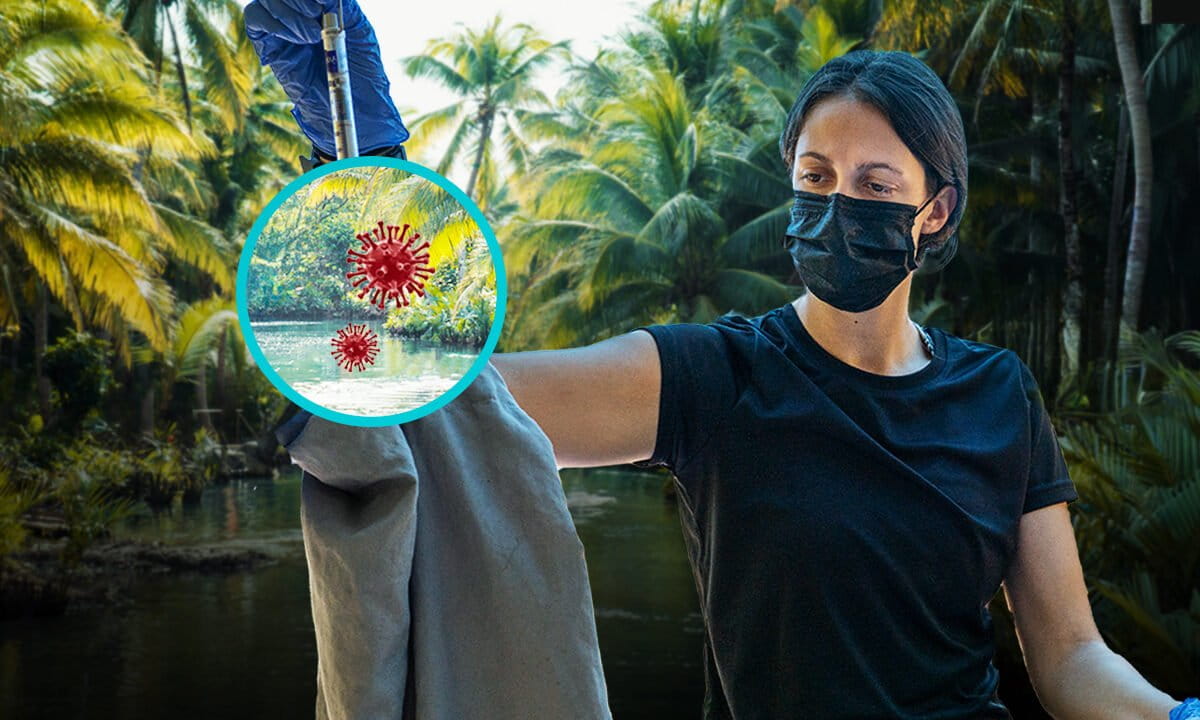
Collage: Elise Paietta, postdoctoral research scholar during fieldwork, with tropical forest
Videos
A diver swimming close to a female sperm whale pod.
Articles
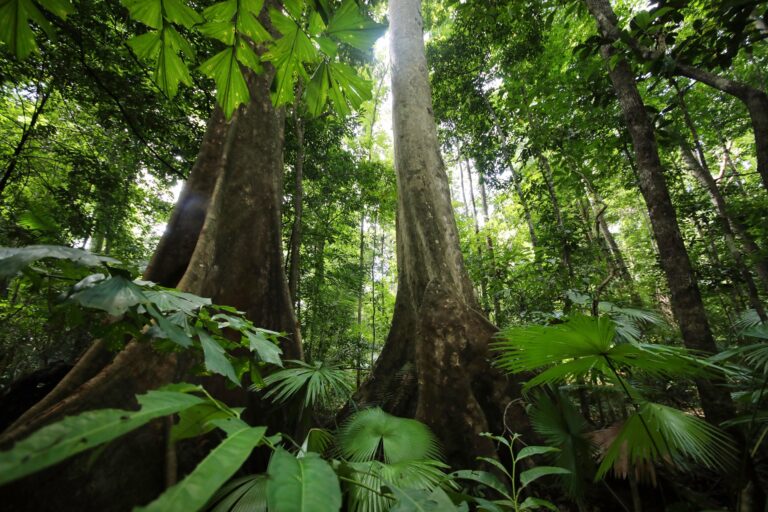
Rainforest in Gabon surrounded by Ivindo River.
Podcasts

Special issues connect the dots between stories

Negotiating Africa's Energy Future

Logging concession near Ndolou, Gabon

Norway’s multibillion-dollar bet on forests: An interview with Minister Eriksen

David Akana 25 Nov 2025
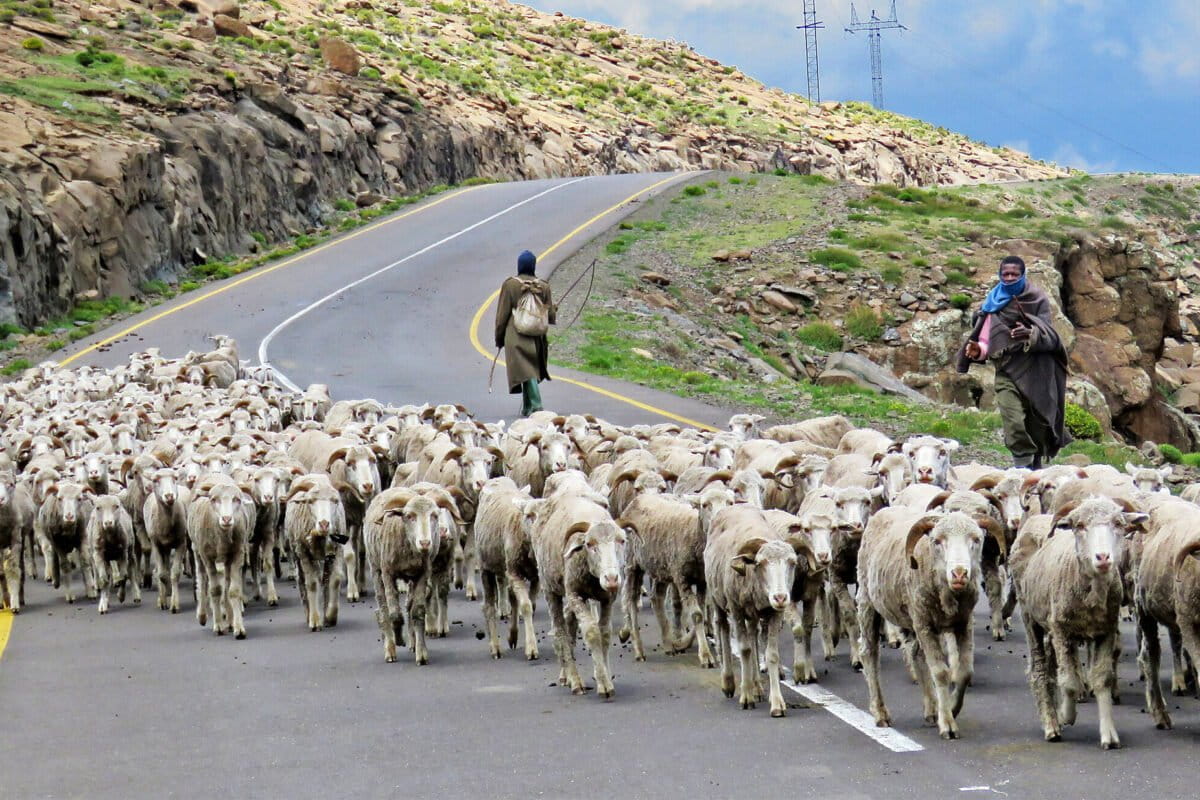
Pastoralists in Lesotho.

Lesotho communities allege greenwashing by project transferring water to South Africa

Malavika Vyawahare 21 Nov 2025
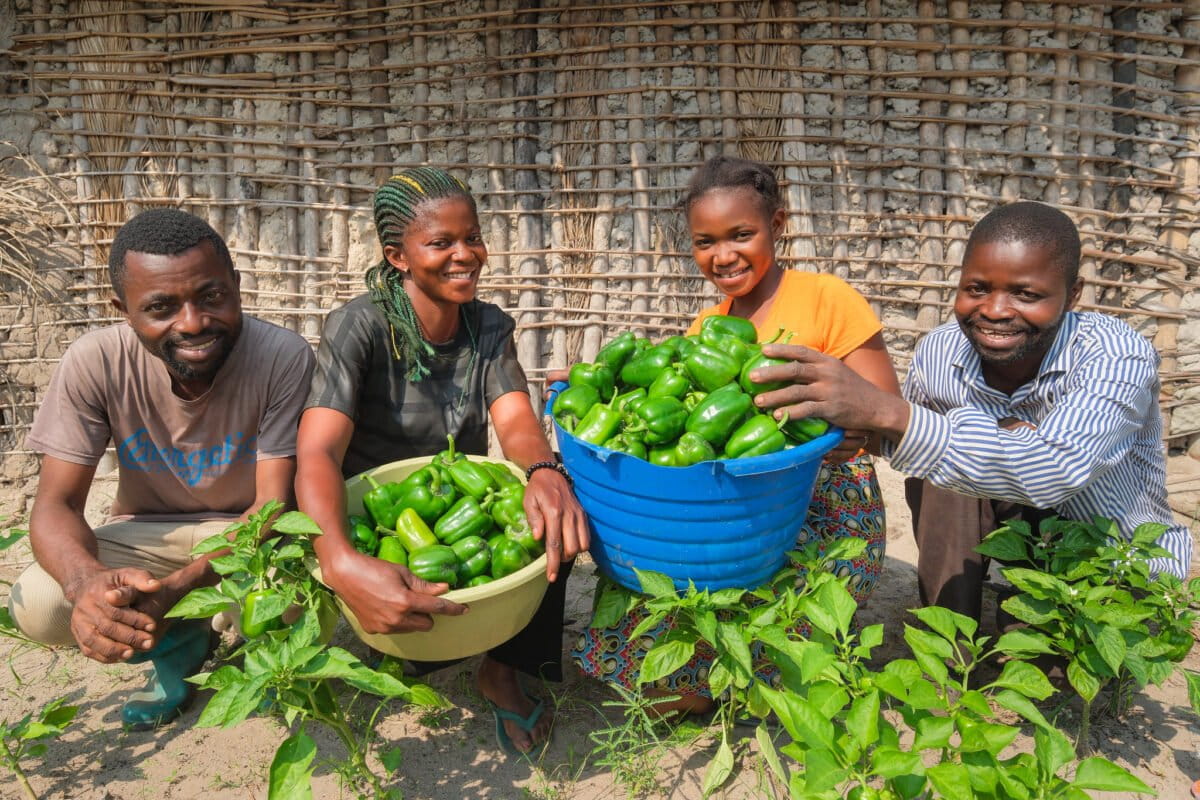
Farmers at Yangambi, Democratic Republic of Congo. Image by Axel Fassio/CIFOR via Flickr (CC BY-NC-ND 2.0)

Fighting for food sovereignty at COP30: Interview with GRAIN’s Ange-David Baïmey

Yannick Kenné 20 Nov 2025
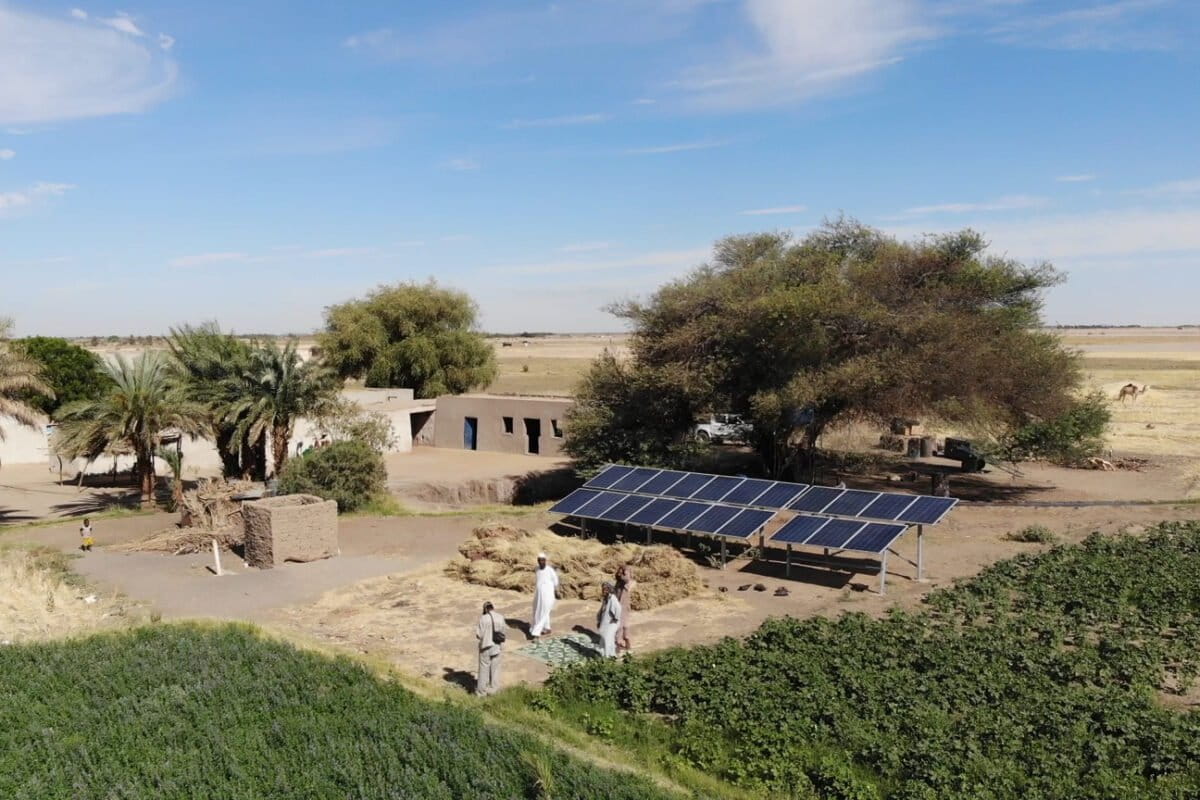
Solar panels in an arid part of Sudan.

‘The perfect ingredients’: WRI Africa deputy director shares vision for the continent’s energy transition

John Cannon 19 Nov 2025

A decade after countries agreed to the Paris climate agreement, Mongabay reports on an idea often invoked when discussing Africa’s path toward a low-carbon future: a just energy transition. Reporters from across the continent explore what “just” and “clean” energy mean for Africans.  These stories show African countries are pursuing their own journeys toward more […]

Negotiating Africa's Energy Future series

More specials

6 stories

Letters to the Future

Natural forests, like this one in Indonesia, contain hundreds of native species that all contribute to the ecosystem services they provide. Protecting standing forests is quicker and cheaper than replanting lost ones. Many forests can regenerate on their own with a little assistance, but where tree planting is needed, it must aim to restore natural diversity and support local communities. Image by Rhett A. Butler/Mongabay.
5 stories

Tech for the Trees

Trawlers docked outside Sihanoukville. Screenshot from ‘Illegal fishing and land grabs push Cambodian coastal communities to the brink’ by Andy Ball / Mongabay.
4 stories

Chaos on Cambodia’s Coast

Free and open access to credible information

Learn more

Listen to Nature with thought-provoking podcasts

Rainforest in Gabon surrounded by Ivindo River.

Governments must prioritize nature protection, former US senator Russ Feingold says

Mike DiGirolamo 9 Dec 2025

Watch unique videos that cut through the noise

Collage: Elise Paietta, postdoctoral research scholar during fieldwork, with tropical forest

How do we stop the next pandemic?

Collage: A group of security guards preventing people from crossing a checkpoint and Fernanda Wenzel Mongabay reporter

On the frontline of the Amazon land war

Julia Lima, Fernanda Wenzel, Fernando Martinho 13 Nov 2025
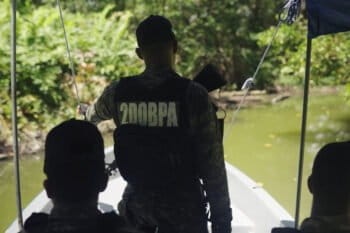
Soldiers from the PROLANSATE Foundation on patrol

Why is protecting this Honduran lagoon so dangerous? 

Fritz Pinnow, Sam Lee 22 Oct 2025
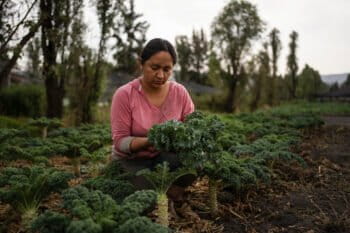
Cassandra Garduño harvests kale in her chinampa.

Saving Mexico City’s ancient floating farms

Lucia Torres, Associated Press 8 Oct 2025
When art turns into a sustainable treasure

When art turns into a sustainable treasure

Julia Lima, Fellipe Abreu, Sibélia Zanon 1 Oct 2025

We’re a nonprofit

Help us tell impactful stories of biodiversity loss, climate change, and more
Donate

In-depth feature stories reveal context and insight

A gray wolf in Minnesota.
Feature story

First state-authorized killings mark escalation in California’s management of wolves

Spoorthy Raman 29 Nov 2025
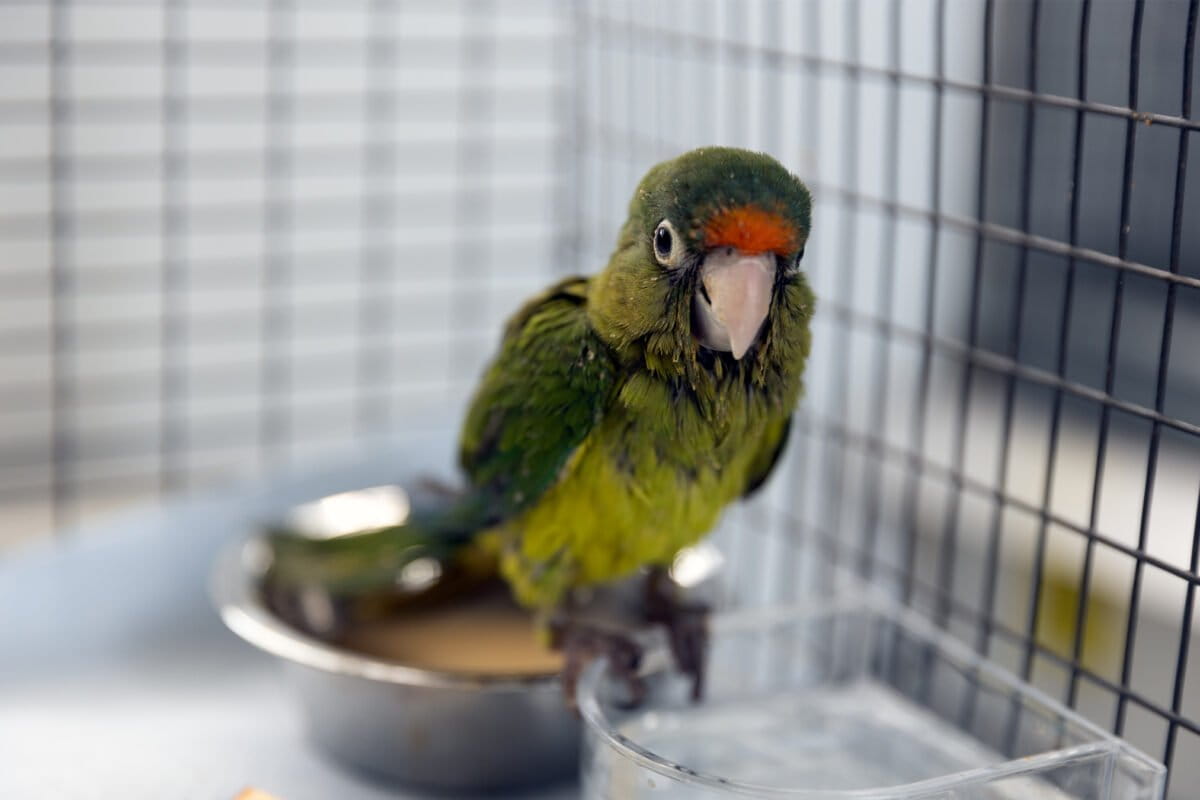
A juvenile orange-fronted parakeet seized by the U.S. Fish and Wildlife Service Office of Law Enforcement at the Otay Mesa Port of Entry in California.
Feature story

It’s ‘whack-a-mole’: Alarming rise in pet trade fuels wildlife trafficking into California

Spoorthy Raman 25 Nov 2025
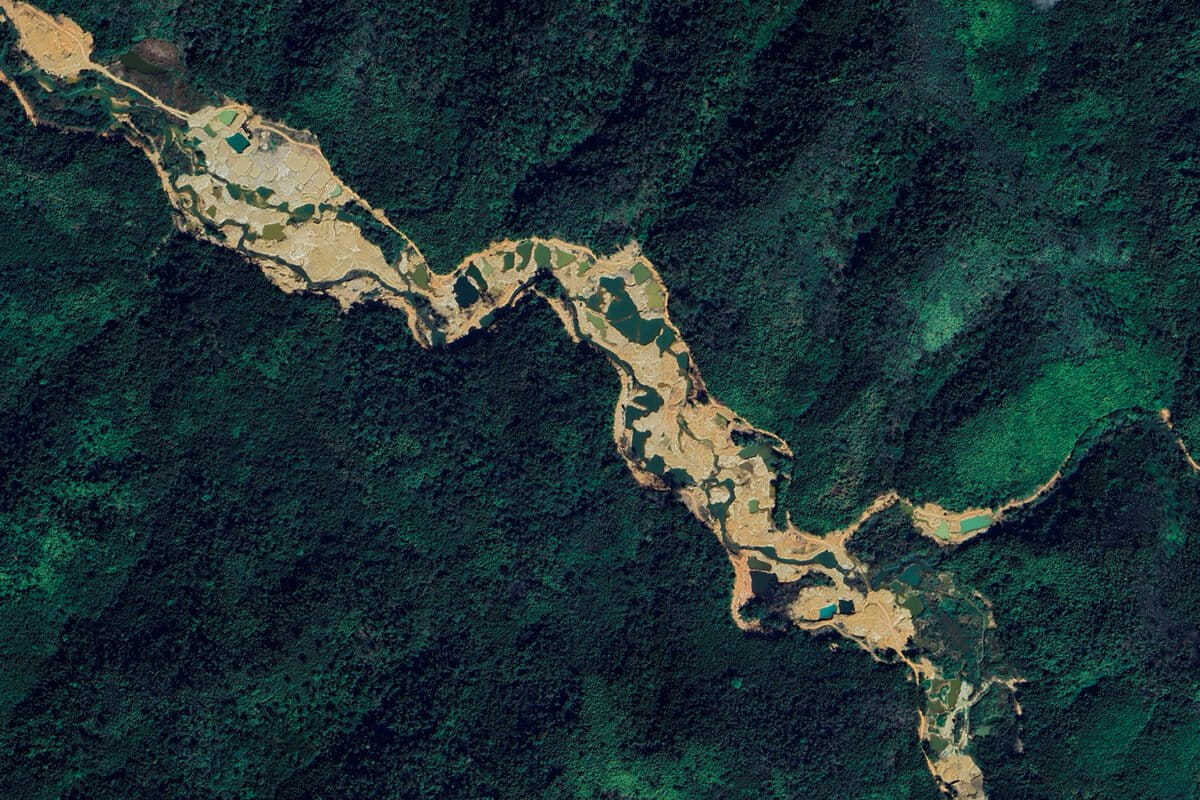
Satellite imagery from February 2025 shows the transformation of the landscape at Global Green's gold mine, which is believed to be contaminating the O'Ta Bouk River. Image provided by Google Earth, Maxar Technologies.
Feature story

Toxic runoff from politically linked gold mine poisons Cambodian rivers, communities

Andy Ball, Gerald Flynn, Phoung Vantha 24 Nov 2025
Feature story

Bearing witness to Indonesia’s environmental challenges: Sapariah Saturi

Rhett Ayers Butler 21 Nov 2025

Quickly stay updated with our news shorts

UN honors five climate ‘Champions of the Earth’

Mongabay.com 10 Dec 2025

The United Nations Environment Programme on Dec. 10 announced its five “2025 Champions of the Earth,” the U.N.’s highest environmental honor.

Since 2005, UNEP’s Champions of the Earth has recognized individuals, groups and organizations who have contributed significantly toward transforming the environment for the better. The award celebrates four categories of contribution: policy leadership, inspiration and action, entrepreneurial vision, and science and innovation.

This year’s awardees are engaged in issues of climate change, from seeking climate justice within courts and designing climate-resilient buildings, to combating deforestation, supporting ecosystem restoration and shaping action on methane, a potent greenhouse gas.

Previous awardees include Honduran Indigenous activist Berta Cáceres, former U.S. vice president Al Gore, Indian ecologist Madhav Gadgil, the South Africa-based woman-majority Black Mamba Anti-Poaching Unit, and Sônia Guajajara, Brazil’s first minister of Indigenous peoples.

The following are the 2025 Champions of the Earth:

The Pacific Islands Students Fighting Climate Change, a youth-led NGO, was recognized for policy leadership. The NGO represents students from Pacific island states who campaigned for and secured a historic ruling on climate justice from the International Court of Justice this year.

“These students are inspiration to us all and show that we all have the potential to be changemakers,” Inger Andersen, executive director of UNEP, said in a statement.

Supriya Sahu, a forest official in India, was recognized in the “inspiration and action” category for her work on climate-resilient schools and social housing projects as well as ecosystem restoration to expand forest and mangrove cover. “We cannot separate nature from people,” Sahu said.

Mariam Issoufou, founder of Mariam Issoufou Architects, was honored in the “entrepreneurial vision” category. Issoufou, a Nigerian architect, has reimagined traditional ways of climate-resilient buildings incorporating passive cooling techniques across the Sahel, according to a statement.

“Her locally appropriate and culturally sensitive designs are keeping buildings sustainable and cool, and setting models that many across the continent of Africa can follow,” Anderson said.

Imazon (Amazon Institute of People and the Environment), a Brazil-based nonprofit research institute, was recognized in the science and innovation category, for “combining science and AI-driven geospatial tools to curb deforestation.” Imazon’s research has helped shape public policies and supported legal cases around forest cover in the Amazon.

“Brazil will not be the same without the Amazon rainforest. And the planet will not be the same,” Carlos Souza, an associate researcher at Imazon, said in a statement.

UNEP also posthumously honored Manfredi Caltagirone, former head of UNEP’s International Methane Emissions Observatory, for lifetime contribution toward shaping action and policy on methane. Caltagirone died in June this year.

“A deeply talented climate specialist determined to make a real difference, Manfredi understood that urgent action on critical priorities such as methane could be make or break for a safer world,” Anderson said. “He is sorely missed, but UNEP will honour his legacy by continuing to push for rapid reductions to methane emissions.”

Banner image: Aerial view of the Amazon Rainforest, near Manaus, Brazil. Image by CIFOR-ICRAF via Flickr (CC BY-NC-ND 2.0).

Aerial view of the Amazon Rainforest, near Manaus, Brazil. Image by CIFOR-ICRAF via Flickr (CC BY-NC-ND 2.0)

UK, Dutch agencies pull funding from Total’s controversial Mozambique LNG project

Victoria Schneider 10 Dec 2025

U.K. and Dutch export credit agencies have withdrawn their financial commitments for French oil and gas giant TotalEnergies’ gas project in Mozambique, in an unprecedented move that marks the latest setback for the controversial project.

UK Export Finance (UKEF), a government agency, and Netherlands-based Atradius, both of which provide companies with loans, guarantees and insurance for overseas projects, had previously committed a combined $2.2 billion to TotalEnergies’ liquefied natural gas (LNG) project in northern Mozambique. The project has been linked to environmental destruction and human rights violations, and was recently sued in France for alleged links to a massacre near the LNG site.

“It’s a historic decision by the U.K. government that must be commended, because it has not been seen before that an export credit agency pulls out of a project it had previously agreed to support,” said Antoine Bouhey, campaign coordinator at Reclaim Finance, a France-based organization advocating for financial alignment with social and climate justice.

“The project is riddled with problems related to climate change, of course, as well as extremely grave allegations of human rights violations,” Bouhey told Mongabay by phone.

He added he hopes the agencies’ withdrawal will encourage other financiers to reconsider their involvement.

“What we are telling all 29 financiers still involved in the deal who may think they cannot withdraw is that [UKEF and Atradius show] there is a possibility to pull out,” Bouhey said. “They should do the only responsible thing, which is to end their commitment to this project.”

Amid speculation of potential financing shortfalls, TotalEnergies said in a statement that the LNG project remains on track despite the U.K. and Dutch funders’ exits.

The company originally secured $15.4 billion in 2020 from around 30 financiers, including export credit agencies and banks such as Standard Chartered, JPMorgan and Société Générale. TotalEnergies said the sums lost from the U.K. and Dutch withdrawals were replaced by existing partners putting in additional equity.

Peter Kyle, the U.K. secretary of state for business and trade, said in a statement that the interests of U.K. taxpayers “are best served by ending our participation in the project at this time,” citing increased security risks.

A UKEF spokesperson declined to comment on Kyle‘s statement when contacted by Mongabay. However, the agency released a new sustainability policy last year stating it has implemented the U.K. government‘s commitment to end support for overseas fossil fuel energy projects. It also emphasized UKEF‘s obligations on environmental, social and human rights standards.

Shortly after UKEF made its decision public on Dec. 5, Atradius followed suit, with the Dutch finance minister releasing a letter announcing the Netherlands would also withdraw support. Atradius had commissioned an assessment of the project‘s human rights, environmental and security risks before making its decision.

TotalEnergies recently announced it was resuming work on the LNG project following a four-year suspension of operations.

Banner image: TotalEnergies’ Mozambique LNG Afungi Park construction site. Image courtesy of Justiça Ambiental.

TotalEnergies’ Mozambique LNG Afungi Park construction site. Image courtesy of Justiça Ambiental.

Environmental activists remain jailed in Cambodia on Human Rights Defenders Day

Mongabay.com 9 Dec 2025

Environmental activists remain jailed in Cambodia on Human Rights Defenders Day

In honor of Human Rights Defenders Day on Dec. 9, Mongabay looks back at The Clearing, a documentary about young Cambodian activists currently jailed for their environmental and social activism. Filmmakers Andy Ball and Marta Kasztelan produced the video for Mongabay with support from the Pulitzer Center.

The film centers around a group of young environmental activists with the Cambodian civil society group Mother Nature Cambodia. The activists have successfully stopped potentially destructive projects, including a major dam and the export of sand from coastal estuaries. They continue to speak out against development projects, which they say hurt both the environment and local communities.

One such project is in Botum Sakor National Park, once Cambodia’s largest national park. “Eighty percent of the park has been handed to private companies,” Ly Chandaravuth, a Mother Nature Cambodia activist, says in the documentary while flying a drone over a deforested area. “We’re filming a video to urge the government to stop giving land concessions inside the national park to corporations. Thousands of families have been evicted because they need to build an airport and casinos.”

Such outspoken activism has drawn the attention of Cambodia’s authoritarian government. Dozens of activists have been arrested over the years and 11 have been jailed. The documentary follows the plight of Chandaravuth, who was arrested in June 2021 then released on bail, as well as four other activists. All five were awaiting trial for their work.

During this time, the activists won the 2023 Right Livelihood award “[f]or their fearless and engaging activism to preserve Cambodia’s natural environment in the context of a highly restricted democratic space.”

Three of the activists traveled to Stockholm, Sweden, to accept the award with the specter of prison hanging over them upon their return. “We face to be in jail again for up to 15 years if the court finds us guilty. And we’re sure that the court will find us guilty,” Sun Ratha, a Mother Nature Cambodia activist, told Right Livelihood officials in Sweden. Ratha and Chandaravuth had already each served five months in jail for their activism, she said.

In July 2024, 10 Mother Nature Cambodia activists, including Ratha and Chandaravuth, were sentenced to six to eight years in prison for insulting the king and plotting against the government.

A government spokesperson justified the sentencing saying, “How can they describe our leaders as destroyers of the nation? We accept all kinds of constructive criticism but not malicious slander. We must accept the fact that development inevitably has some impacts.”

On Dec. 1, a Cambodian appeals court denied a bail request for five of the activists, UCA News reported. It’s the third time they’ve been denied such a request in the year since they’ve been imprisoned.

Watch the full documentary The Clearing here.

Banner image: Activist Ly Chandaravuth riding a motorcycle. Image from The Clearing.


New report warns of mounting planetary crises — and pathways to hope

David Akana 9 Dec 2025

A global U.N. report released Dec. 9 warns that the planet is on track for deeper climate shocks, accelerating biodiversity loss, worsening land degradation and deadly pollution — unless countries drastically transform how economies are powered, fed and governed.

The 7th edition of the Global Environment Outlook (GEO-7), produced by 287 scientists from 82 countries, finds that environmental decline is costing trillions of dollars annually and that pollution contributes to about 9 million premature deaths annually. Greenhouse gas emissions have risen 1.5% per year since 1990, 20-40% of global land is degraded and 1 million species face extinction if current trends continue.

The previous report published in 2019 sounded a stark alarm about a deteriorating environment and a rapidly closing window for action. This year’s analysis goes further by mapping concrete transformation pathways across five key systems and estimating that investing in planetary health could generate at least $20 trillion in annual economic gains by 2070.

The report argues that whole-of-society approaches — spanning energy, food, finance, materials and environmental management — could cut pollution, reduce climate risks and lift hundreds of millions out of poverty and hunger.

Robert Watson, former IPCC chair and the report’s co-chair, told Mongabay in an interview that solving the environmental crisis demands profound shifts in how societies produce energy and food: “The way we’re producing and using energy and food today is leading to environmental degradation. If we want to limit climate change and biodiversity loss, we have to deal with the underlying causes.”

He added that while some governments and companies are responding, action remains uneven. “Some are acting quickly. Some are acting slower.”

For the first time, the Global Environment Outlook explicitly centers Indigenous peoples and local communities, urging co-development and co-implementation of solutions with them. It stresses that diverse knowledge systems, especially Indigenous and local knowledge, are essential for just transitions that protect both environmental sustainability and human well-being. It adds that where countries and regions formally integrate local and Indigenous knowledge into policy and practice, they tend to see stronger ecological outcomes and more resilient adaptation strategies.

The report further underscores that important transitions are already underway. It points to the rapid expansion of renewable energy, with the shift to cleaner power accelerating in many regions as costs fall and policy frameworks strengthen.

Circular economy models are also gaining traction, with rapid growth in waste reduction and materials reuse initiatives, particularly across parts of Asia, Europe and Africa, the report finds.

Augustine Njamnshi of the Pan African Climate Justice Alliance told Mongabay by phone that the circular economy is a rare area of opportunity for Africa in an otherwise bleak environmental outlook.

“The positive thing is that it is gradually drawing global attention, and the appetite for a circular economy as a solution is growing,” Njamnshi said. “In my opinion, at this rate, plastic waste will not become a runaway crisis like climate change and biodiversity loss, particularly for Africa.”

Banner image: Women sorting plastic bottles. Photo by Joy Saha, Global Landscapes Forum.


Balancing evidence and empathy in an age of doubt

Rhett Ayers Butler 9 Dec 2025

Founder’s Briefs: An occasional series where Mongabay founder Rhett Ayers Butler shares analysis, perspectives and story summaries.

People often say that good journalism requires a 30,000-foot view. I’ve found the opposite to be true. The stories that move the world rarely start in boardrooms or at summits; they start with someone standing knee-deep in a mangrove swamp, notebook in hand, asking a fisherman what has changed.

At Mongabay, we’ve built a network of hundreds of local reporters in 80 countries to bring those ground truths to light. But I’ve learned that ground and sky are not opposites — they’re partners. The satellite data that show deforestation spreading across a landscape become most meaningful when someone on the ground explains who is cutting, why, and what is lost. Likewise, a reporter’s field notes gain power when viewed against a global pattern visible from space. Journalism’s job is to connect those scales: to make the invisible visible, and the local legible to the world.

That balance between evidence and empathy, data and dirt under your nails, is increasingly hard to maintain. We live in an age when the tools to see the planet have never been more powerful, yet the will to believe the evidence has rarely been weaker. The same technology that lets us monitor a rainforest in real time also enables the effortless creation of a fake tiger video that millions may believe. Journalism now requires both skepticism and faith: skepticism toward every new image or claim, and faith that truth still matters enough to pursue at great cost.

If there is optimism to be found, it’s that people still care about stories grounded in reality. When a community in Gabon kept its ancestral forest because a local journalist reported their struggle, it reiterated to me that facts, when reported faithfully, can still change outcomes. Ground truth still has power — if we keep digging for it.

This reflection draws on a conversation with Alan Stoga for the Tällberg Foundation’s “New Thinking for a New World!” podcast series.

Banner image: Deforestation in Borneo, Malaysia. Image by Rhett A. Butler/Mongabay.

Deforestation in Borneo, Malaysia. Image by Rhett A. Butler/Mongabay.

A new ‘fairy lantern’ species is found at a Malaysian picnic site

Shreya Dasgupta 9 Dec 2025

In November 2023, naturalist Gim Siew Tan chanced upon an unusual plant with whitish-peach flowers growing near the buttress of a tree at a popular picnic site in Hulu Langat Forest Reserve in Selangor, Malaysia. Researchers subsequently collected and analyzed specimens of the plant and found that it was a new-to-science species of “fairy lantern” — a group of plants that lack chlorophyll and spend most of their lives underground, hidden from view.

The research team, including Tan, have formally described the species in a recent study, naming it Thismia selangorensis. Its species name refers to Selangor, the state where it was found.

“This discovery shows that significant scientific finds are not limited to remote jungles; they can also be made in ordinary environments where constant human activity leaves little room for expectation,” Siti-Munirah Mat Yunoh, study lead author from the Forest Research Institute Malaysia, said in a statement.

Thismia selangorensis, courtesy of Gim Siew Tan.
The newly described Thismia selangorensis. Image courtesy of Gim Siew Tan.

Fairy lanterns in the genus Thismia live a cryptic life: They’re mostly found underground in leaf-litter-rich forest soils, emerging above ground only to briefly flower. Their lack of chlorophyll means that Thismia plants can’t make their own food; instead, they’re mycoheterotrophic, that is, they parasitize fungi for their nutrient supply.

The newly described Thismia selangorensis only blooms between October and February, the researchers note. “Its flowers are often small, inconspicuous, and hidden beneath leaf litter or root buttresses,” they add.

T. selangorensis appears to be rare. Since it was first spotted in 2023 in Taman Eko Rimba Sungai Chongka, a popular picnic and camping site in Hulu Langat, researchers have recorded fewer than 20 individuals of the plant. All were found within a 4-square-kilometer (1.5-square-mile) patch of the same picnic area, including on a riverbank, and nowhere else.

“Fortunately, a few known subpopulations of T. selangorensis exist on the riverbank and near tree roots; thus, there is no known direct impact from the campground or nearby playground,” the researchers write. “However, the status of these populations may also be uncertain because activities occurring along the river could result in trampled plants.”

Given its extremely limited population and vulnerability to trampling, as well as risks from river flooding during heavy rain, the researchers assess the species as critically endangered.

“Protecting Thismia selangorensis will require cooperation among researchers, the forest department, stakeholders, and the public, as its survival depends on how carefully we tread in its habitat,” Yunoh said in the statement. “The most important effort now is to raise awareness about this species so the public realises that it exists — right here, in this small corner of the world, and nowhere else, at least for now. Understanding its presence is the first step towards ensuring that this extraordinary plant is not lost before many people even know it exists.”

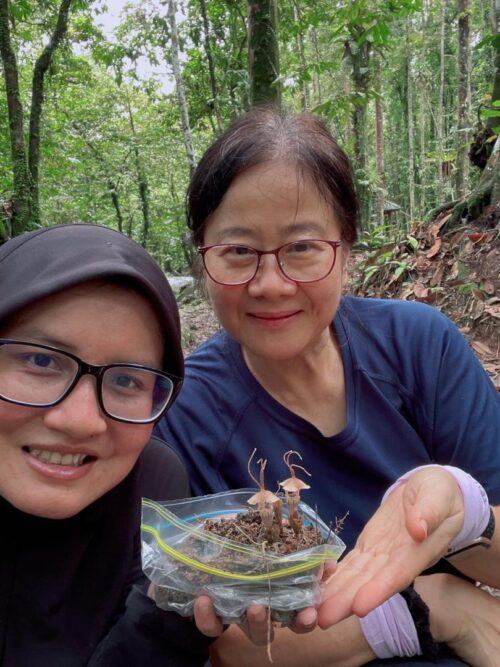
Researchers with Thismia selangorensis. Image courtesy of Gim Siew Tan.

Banner image of Thismia selangorensis, courtesy of Gim Siew Tan.

Thismia selangorensis, courtesy of Gim Siew Tan.

Share Short Read Full Article

Share this short

If you liked this story, share it with other people.

Facebook Linkedin Threads Whatsapp Reddit Email

Subscribe

Stay informed with news and inspiration from nature’s frontline.
Newsletter

News formats

  • Videos
  • Podcasts
  • Articles
  • Specials
  • Shorts
  • Features
  • The Latest

About

  • About
  • Contact
  • Donate
  • Impacts
  • Newsletters
  • Submissions
  • Terms of Use

External links

  • Wild Madagascar
  • For Kids
  • Mongabay.org
  • Reforestation App
  • Planetary Health Check
  • Conservation Effectiveness
  • Mongabay Data Studio

Social media

  • LinkedIn
  • Instagram
  • Youtube
  • X
  • Facebook
  • Tiktok
  • Reddit
  • BlueSky
  • Mastodon
  • Android App
  • Apple News
  • RSS / XML

© 2025 Copyright Conservation news. Mongabay is a U.S.-based non-profit conservation and environmental science news platform. Our EIN or tax ID is 45-3714703.

you're currently offline