
- In Brazil’s Jequitinhonha valley, honey production using both native and nonnative bee species is being impacted by climate change and possibly nearby mining activity.
- Residents have reported a decline in bee populations in recent years, coinciding with the start of lithium mining and processing by companies like Sigma Lithium, while eucalyptus plantations have also altered the valley’s landscape.
- While bees are impacted by climate change and deforestation, researchers say there’s a gap in studies about how bees are also impacted by mining activities in the lithium belt, which feeds renewable energy technologies meant to mitigate climate change.
- Mineral governance and biodiversity safeguards remained sidelined at the latest international climate talks and ministries in Brazil say efforts are underway to strengthen this topic in national frameworks — including the research and protection of bees in mining areas.
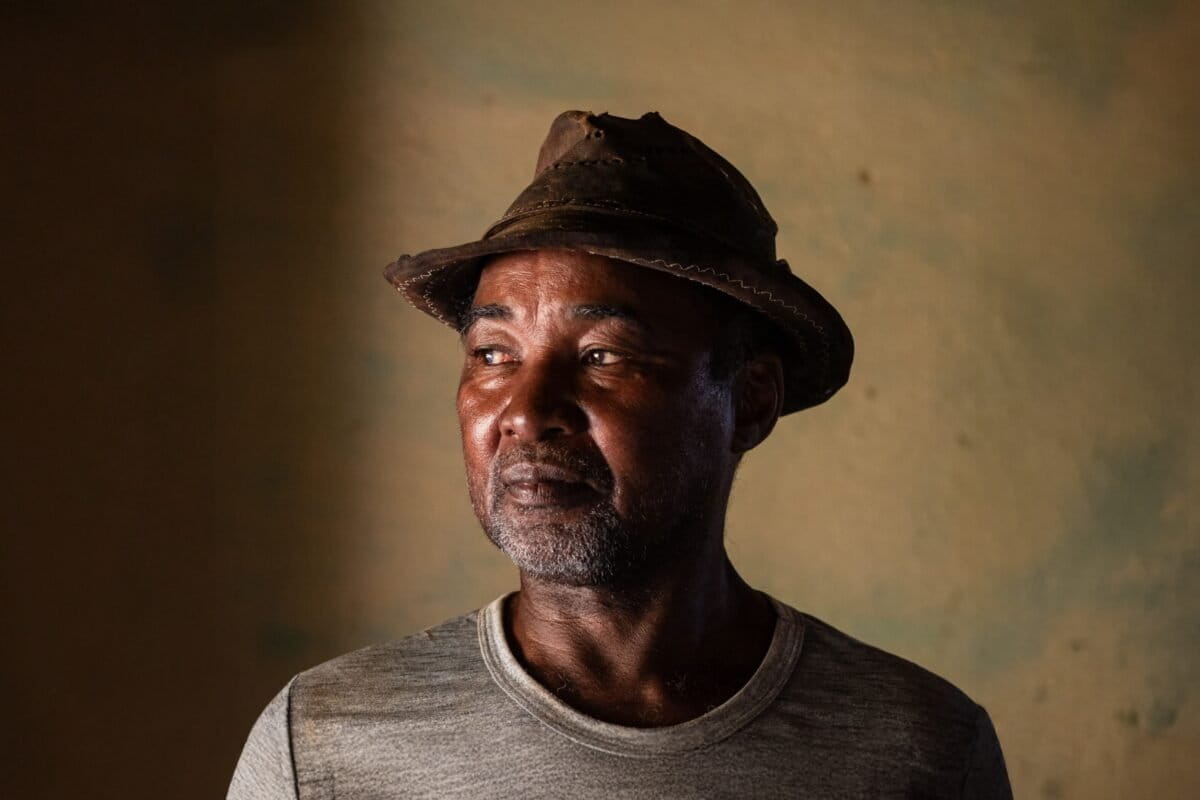
ARAÇUAÍ & BELÉM, Brazil — When Aécio Luiz was younger, finding wild beehives was routine in his rural Afro-Brazilian community of Córrego Narciso. A farmer turned beekeeper, he recalls their buzzing was easy to spot when he worked around his property in Brazil’s Jequitinhonha Valley. “Now, that has become a rarity,” he tells Mongabay.
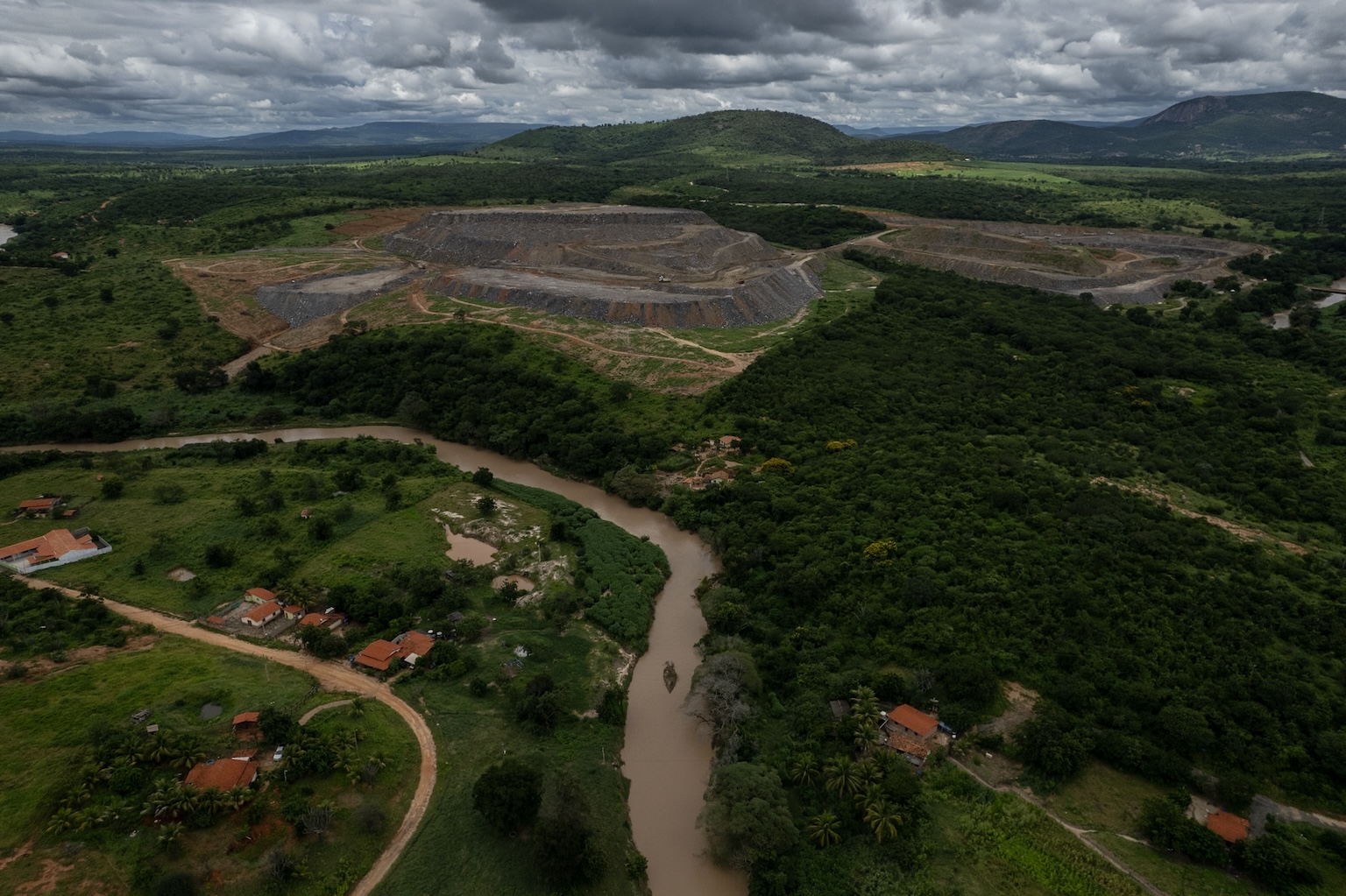
Although Luiz and other locals are uncertain of the cause, they started to notice changes in various bee species’ behavior around 2021, when Sigma Lithium, a Canadian company producing lithium used in electric vehicles, began building a plant in the region. It was the latest in a wave of economic activity, including the arrival of other lithium projects and eucalyptus plantations, altering the valley’s landscape.
“In the past four years or so, we basically stopped coming across wild [native] bees and their nests,” says resident Osmar Aranã, of the Aranã Indigenous people. “Before then, you’d see them flying around all over the place.”
Researchers say the issue raises questions about the impacts of critical mineral mining on bee species and how this interacts with global climate goals. Lithium, for example, powers renewable technologies to mitigate climate change, which bees can be vulnerable to.
“Any small alterations to the microclimate of such a vulnerable region could spark a domino effect on vegetation, biodiversity — and on bees,” says André Rech, a professor at the Federal University of the Jequitinhonha and Mucuri Valleys and an expert in pollination ecology.
But lack of sufficient studies and regulation on the local biodiversity impacts of increasing critical mineral mining could also be putting pollinator species, which are crucial to global food security, at risk, they say.
International studies show that deforestation and pollution from mining operations for critical minerals like lithium are a threat to insects and other small animals, but there’s little research about this impact on specific bee species. Here, in Brazil’s lithium belt, there’s a gap.
Around the world, roughly 7% of energy transition mines are located within key biodiversity areas. Combined with associated infrastructure, they affect up to a third of the world’s forest ecosystems. Minerals like lithium, whose demand may increase by 13 to 51 times by 2040, are key for renewable energy technologies that are part of global goals to mitigate climate change.
However, the debate around the governance of lithium and other critical minerals was left out of the Just Transition Mechanism, one of the most celebrated outcomes of COP30, the U.N. climate conference held in November in Belém, in the Brazilian Amazon.
“We have no clear idea of the estimated impacts of this kind of activity, nor of the measures needed to mitigate them,” Rech says. “This lack of information is clear evidence of how biodiversity is neglected in climate talks.”
Deforestation could be a cause of declining bee numbers, he suggests. “Deforestation for mining is usually restricted, but the impacts are not,” he tells Mongabay. “I can’t tell you the exact area deforested, but a mining operation like this comes with impacts on water availability, increased traffic and dust, to mention a few.”
According to a 2020 document submitted by Sigma Lithium, the company holds a 413-hectare (1,021-acre) mining easement that covers its plant site, tailings area and internal roads. But requests for data on the plant’s exact footprint and the total area cleared went unanswered. A report by Jequitinhonha Valley communities and Indigenous rights NGO Cultural Survival notes that the operation “will generate 195.6 hectares [483 acres] of tailings [mining waste], 30% more than comparable mines in Brazil.”
In emails to Mongabay, Brazil’s ministry of mines said that addressing biodiversity impacts from critical mineral mining is a top priority while the ministry of environment said biodiversity is integrated into the energy transition through the national climate plan.
“The Ministry of the Environment presented a proposed resolution with technical and scientific guidelines for the rescue of native stingless bee colonies in areas authorized for the suppression of native vegetation, including in mining-related projects,” says a spokesperson “The text establishes mandatory procedures for active search, rescue, relocation, and monitoring of colonies, reduces regulatory gaps, and consolidates a national regulatory framework for the protection of these pollinators.” The proposal will be analyzed in March 2026.
The ministry of mines is working on the Basic Framework for Sustainable Brazilian Mining, a guideline for principles and parameters for the development of “a more sustainable, fair, safe, and innovative mining industry, aligned with the country’s Environmental, Social, and Governance (ESG) commitments.” Public consultation on the framework is underway until January 14, 2025.
Mongabay reached out to Sigma Lithium but didn’t receive a response by the time this story was published.
Honey and lithium in the valley
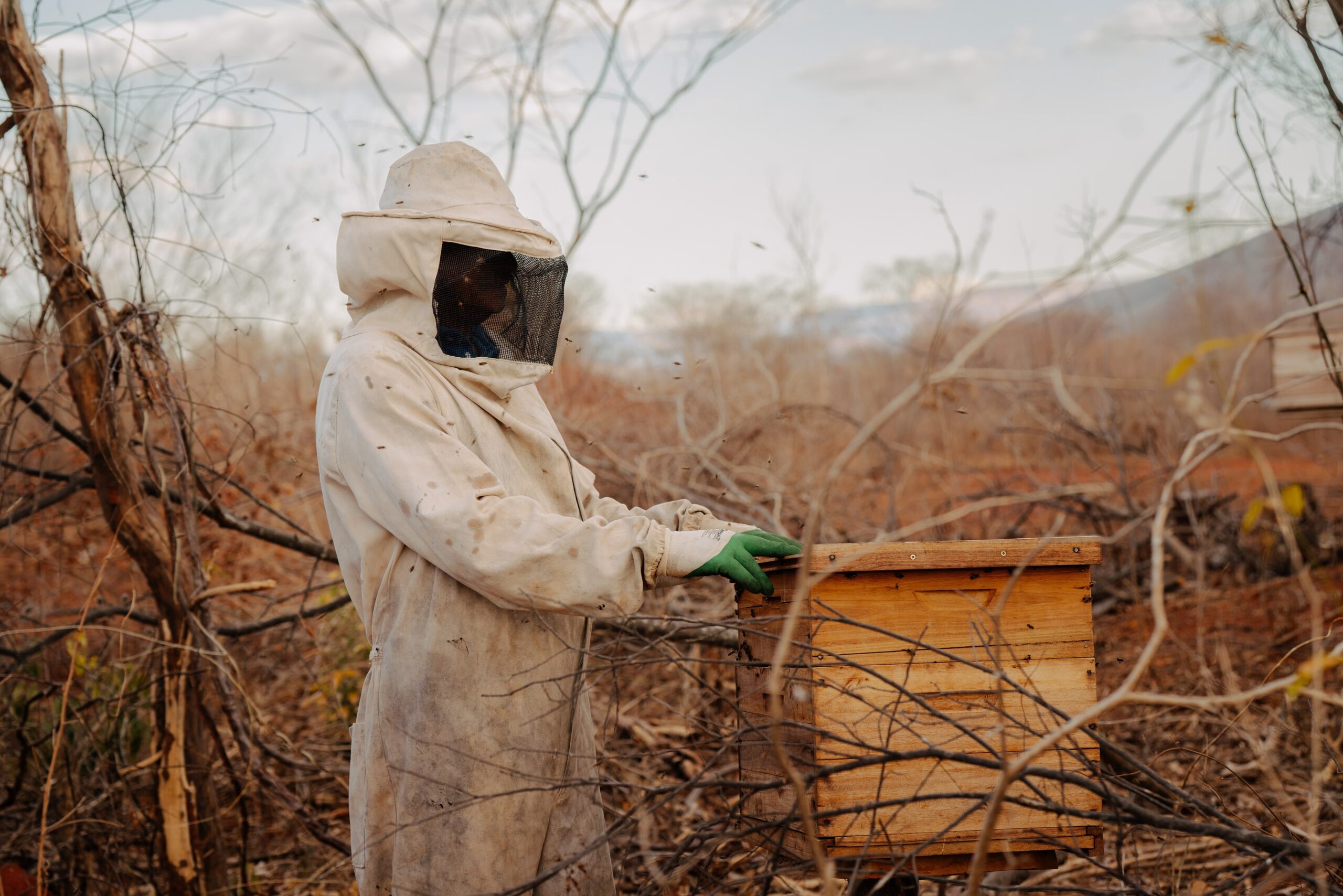
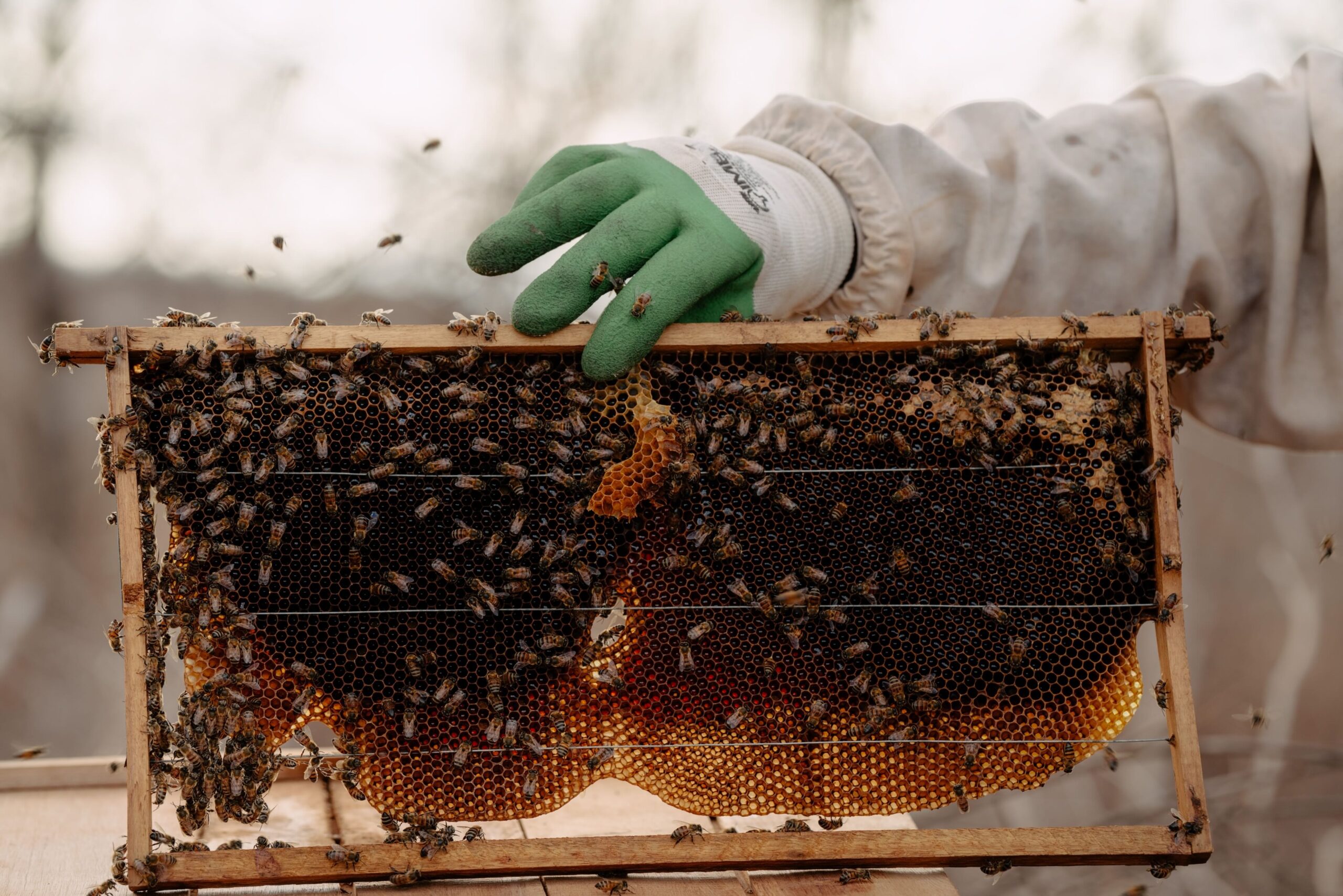
Nearing Geraldo Magela’s hive boxes, the buzz of bees is deafening. Approaching them requires full protective gear. Once he sprays them with smoke from burning wood shavings, the bees become just groggy enough to allow for honey collection.
A couple of years ago, Magela started producing honey on his property in the Corgó Fundo community, in the municipality of Araçuaí, Minas Gerais state, after taking part in a training program offered by the state’s Rural Extension and Technical Assistance Agency (Emater).
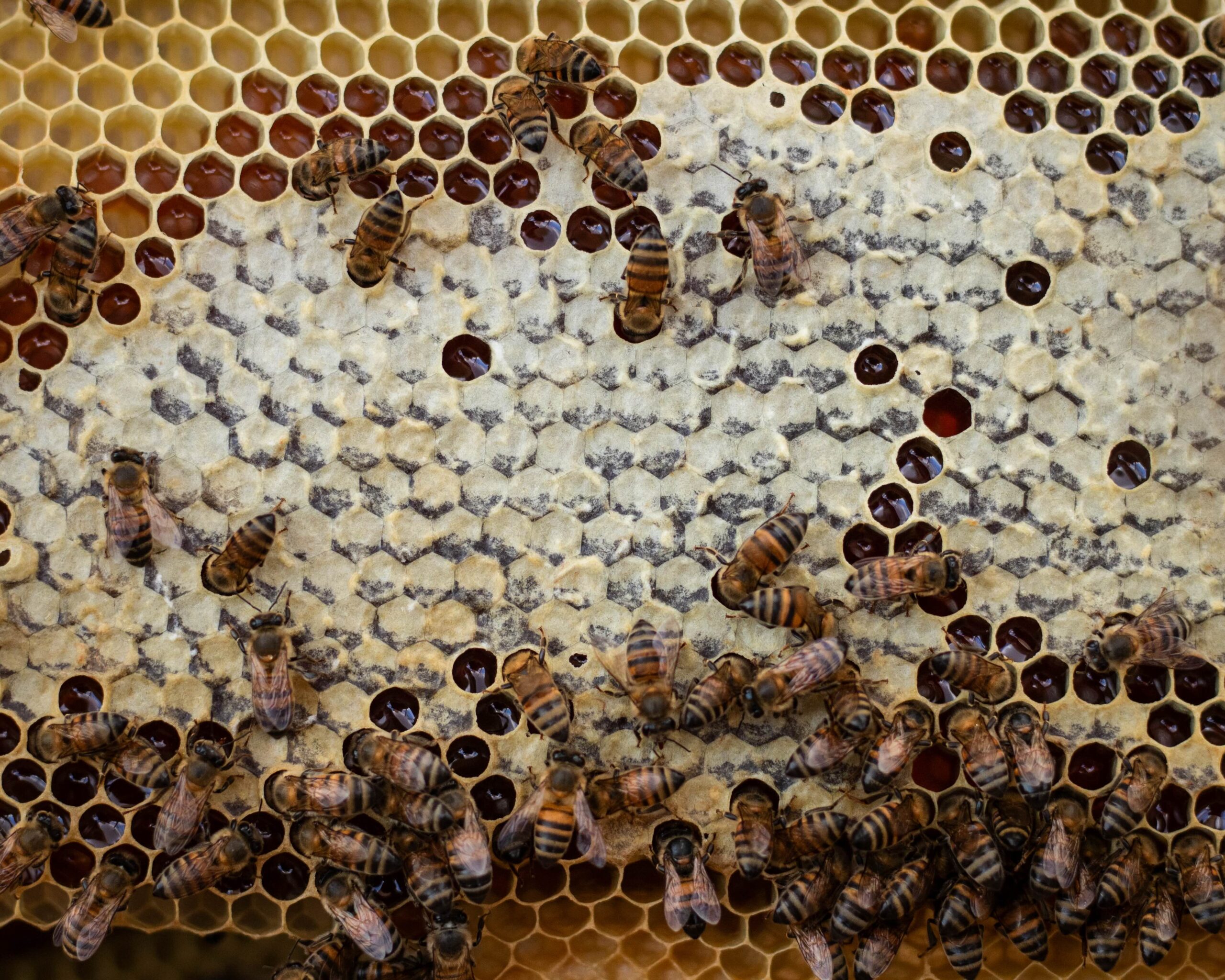
Beekeeping in the Jequitinhonha Valley has grown over the years as a source of income. Prior to the 1980s, communities collected the honey directly from wild nests. Since then, however, domestic production has gained traction through the use of hive boxes and the cultivation of European honey bees (Apis mellifera), to the point where beekeepers have created an association.
The region is known for its aroeira honey, named after the native aroeira trees (Myracrodruon urundeuva) whose flowers the bees flock to. “You can see it’s darker and thicker than what you get at the supermarket,” Magela says as he pours honey from one of the glass bottles that he sells.

According to Rech, because bees feed almost entirely on the aroeira bloom, the honey carries the tree’s therapeutic and antioxidant properties.
Locals say the bees disappearing are the native ones, stingless bees from the genus Melipona, which depend on the native vegetation that’s being cleared across the region.
“Native bee species, like uruçu [Melipona scutellaris], only form new colonies in undisturbed areas,” Renato Alves de Souza, president of the Jequitinhonha Valley Beekeepers’ Association, tells Mongabay. “But our region is increasingly altered by eucalyptus monocultures and lithium extraction.”
Mining interest has intensified in recent years in the municipalities of Araçuaí and Itinga in the Jequitinhonha Valley. Besides the newly arrived Sigma Lithium, Companhia Brasileira de Lítio (CBL) has been carrying out lithium mining and processing in Araçuaí and Itinga for decades. Other companies are at the exploration stage, including Atlas Lithium, which has signaled interest in areas such as Chapada do Lagoão, a protected reserve, as well as Lithium Ionic, Chinese carmaker BYD (through its Brazilian mining subsidiary), and Perpetual Resources.
According to findings by the LIQUIT research project based on data from Brazil’s National Mining Agency (ANM), there are more than 1,500 active applications for prospecting and mining in the valley.
For locals, beekeeping has become a refuge, de Souza says, a way to preserve the native landscape as lithium mining expands in the region. Scarce water and poor soils mean conventional farming isn’t as feasible, so bees offer one of the few ways to keep both income and biodiversity alive, proponents say.
Native bees play an important role in maintaining ecological balance, with Rech noting that they’re far more effective pollinators than their nonnative counterparts that area widely cultivated by local beekeepers. The decline of native species is already impacting agriculture, cutting crop productivity across the region, he says.
The Jequitinhonha Valley’s staple crops, from vegetables to coffee, depend on pollinators. If native bees keep declining, Rech says, the impact will quickly hit local harvests.
Bee honey as a ‘bioindicator’
Bees are what researchers term bioindicators, in that they mirror the condition of the environment around them. As they collect nectar from plants, they also bring dust and traces of pollutants, including heavy metals common in mining areas, back to their hives. Their health and even their honey become a clear signal of changes in the landscape.
Growing research shows what that means near mining sites. Bees closest to mining operations accumulate more metal pollution, develop smaller heads and reduced brain structures, and perform worse in learning and memory tests — problems that weaken foraging and reproduction.
Contamination reaches them through everyday foraging. Metal particles cling to their bodies and mix with the pollen and nectar they collect, eventually settling into the wax and honey and exposing the entire colony to contamination. But pollution isn’t the only pressure. Mining also strips away the vegetation bees rely on; even small clearings, from roads or drill pads, can alter habitat up to 100 meters (330 feet) into the surrounding landscape, leaving native nests and forage sites exposed.
Those disturbances extend further from the extraction sites. Rech notes that increased traffic, dust, noise and new settlements all chip away at the vegetation bees depend on. As these pressures spread, flowering cycles shift and nesting sites shrink, making bee colonies harder to sustain. Heavy metals released into soil, dust and water don’t disappear when the machinery shuts down; studies at former mining sites suggest contamination, and its effects on bee health, can persist long after closure.
‘Environmental problem shifting’
In recent years, the international debate around transition minerals has gained momentum. Ahead of COP30, the U.N. secretary-general called for equity, justice and sustainability in extraction, and a group of countries led by Colombia pushed for a legally binding minerals treaty.
This topic, however, failed to secure a mention in the COP30 final text, despite its appearance in an earlier draft, a first in the conference’s history. But even then, biodiversity was a non-issue, critics say.
“If you look back at COP30, you will see no one was talking about biodiversity,” Melissa Marengo, senior programs officer at the U.S.-based Natural Resource Governance Institute (NRGI), tells Mongabay. “The climate and biodiversity agendas don’t converse, so we end up with agreements that don’t reflect the reality on the ground.”
Crucial for global food security, these little pollinators are highly vulnerable to the impacts of climate change. Studies show that increases in temperature can have impacts on their communication and defense mechanisms. In 2023, 18 cities in the Jequitinhonha Valley were among the 20 with the highest recorded temperatures in Brazil.
According to Marengo, an attempt to connect the climate and biodiversity agendas was made during the 2024 U.N. biodiversity conference in Cali, Colombia. “But there were concerns that climate would swallow and sideline biodiversity,” she says.

When it comes to activities like lithium mining, considering biodiversity in the assessment of potential environmental risks can be an important step to avoid “environmental problem shifting,” say researchers, which replaces the impacts of climate change with those of the mining industry. Still, according to Marengo, most mining countries haven’t yet mapped out their environmental liabilities, let alone classified them by level of impact.
Marengo says protecting biodiversity isn’t an end in itself. Biodiversity provides ecosystemic services whose loss could be costly. The extinction of bees, for instance, could result in a great decline in food production. These costs, she says, must be quantified before approving any type of extractivist activity.
“If you don’t include them in the cost-benefit equation,” she says, “you’re operating blindly.”
Banner image: Aécio Luiz poses for a portrait at his home in the Quilombola community of Córrego Narciso. Image by Amanda Magnani.
In Brazil’s Jequitinhonha valley, communities share how to reduce lithium mining impacts
Latest Mongabay podcast episode: Plastic pollution requires urgent action, says author Judith Enck. Listen here:
Citations:
Soroye, P., Newbold, T., & Kerr, J. (2020). Climate change contributes to widespread declines among bumble bees across continents. Science, 367(6478), 685-688. doi:10.1126/science.aax8591
Fernandes, K., Clark-Ioannou, S., Saunders, B. J., Majer, J., Bateman, P. W., Bunce, M., & Nevill, P. (2024). Mining exploration infrastructure affects biophysical habitat characteristics and ground-dwelling arthropod communities. Biodiversity and Conservation, 33(8-9), 2465–2486. doi:10.1007/s10531-024-02865-2
Glevitzky, M., Corcheş, M., Popa, M., & Vică, M. L. (2025). Honey as a bioindicator: Pollution’s effects on its quality in mining vs. protected sites. Applied Sciences, 15(13), 7297. doi:10.3390/app15137297
Gekière, A., Vanderplanck, M., & Michez, D. (2023). Trace metals with heavy consequences on bees: A comprehensive review. Science of The Total Environment, 895, 165084. doi:10.1016/j.scitotenv.2023.165084
Aktar, W., Sengupta, D., & Chowdhury, A. (2009). Impact of pesticides use in agriculture: Their benefits and hazards. Interdisciplinary Toxicology, 2(1), 1-12. doi:10.2478/v10102-009-0001-7
Monchanin, C., Drujont, E., Roux, G. L., Lösel, P. D., Barron, A. B., Devaud, J., . . . Lihoreau, M. (2023). Environmental exposure to metallic pollution impairs honey bee brain development and cognition. Journal of Hazardous Materials, 465, 133218. doi:10.1016/j.jhazmat.2023.133218
Zafeiraki, E., Sabo, R., Kasiotis, K. M., Machera, K., Sabová, L., & Majchrák, T. (2024). Identification of various elements and heavy metals in honeybee and beeswax samples from different environmental sources. International Journal of Veterinary Research and Allied Science, 4(2), 27-39. doi:10.51847/tqjcgyfua4
Van Der Sluijs, J. P., & Vaage, N. S. (2016). Pollinators and global food security: The need for holistic global stewardship. Food Ethics, 1(1), 75-91. doi:10.1007/s41055-016-0003-z
Parker, S. S., Clifford, M. J., & Cohen, B. S. (2023). Potential impacts of proposed lithium extraction on biodiversity and conservation in the contiguous United States. Science of The Total Environment, 911, 168639. doi:10.1016/j.scitotenv.2023.168639
Feedback: Use this form to send a message to the author of this post. If you want to post a public comment, you can do that at the bottom of the page.