• Features
  • Videos
  • Podcasts
  • Specials
  • Articles
  • Shorts
Donate
  • English
  • Español (Spanish)
  • Français (French)
  • Bahasa Indonesia (Indonesian)
  • Brasil (Portuguese)
  • India (English)
  • हिंदी (Hindi)
  • বাংলা (Bengali)
  • Swahili
  • Videos
  • Podcasts
  • Articles
  • Short News
  • Feature Stories
  • The Latest
  • Explore All
  • About
  • Team
  • Contact
  • Donate
  • Subscribe page
  • Submissions
  • Privacy Policy
  • Terms of Use
  • Advertising
  • Wild Madagascar
  • For Kids
  • Mongabay.org
  • Reforestation App
  • Planetary Health Check
  • Conservation Effectiveness
  • Mongabay Data Studio

Latest

Birds, bugs and butterflies netted in global seizures by Interpol

Spoorthy Raman 12 Dec 2025

Illegal fishing, other maritime threats cost Western Indian Ocean $1b a year: Report

Anne Nzouankeu 12 Dec 2025

Banned for years, dangerous pesticides persist in Nigerian farming

Samuel Ogunsona 12 Dec 2025

Nepal Indigenous leaders refile writ petition against hydropower project

Sonam Lama Hyolmo 12 Dec 2025

Study finds more ‘laggards’ than ‘leaders’ among high seas fisheries managers

Edward Carver 12 Dec 2025

Top-down projects, exotic trees, weak tenure: Congo Basin restoration misses the mark

Amindeh Blaise Atabong 12 Dec 2025
All news

Top stories

South Greenlanders speak out on rare earths interests

Mexico is inflating its climate spending by billions of dollars. Here’s how.

Maxwell Radwin 11 Dec 2025
A herd of elephants crosses the M10 highway en route to the Zambezi River, Zambia.

Corridors, not culls, offer solution to Southern Africa’s growing elephant population

Ryan Truscott 11 Dec 2025
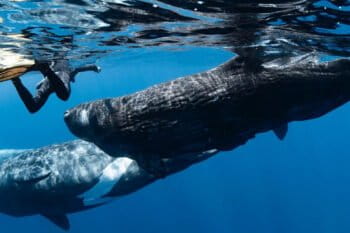
A diver swimming close to a female sperm whale pod.

Unregulated tourism risks disrupting Timor-Leste’s whale migration

Robin Hicks 11 Dec 2025
A woman gathers plants along the banks of the Mekong River while a child plays in the background. Water levels of the mighty Mekong River have dropped drastically due to drought-like conditions and damming upstream. The drop disrupts the region’s water supply, transport routes, and the livelihood of communities in Thailand, Laos, Cambodia and Vietnam. The UN Intergovernmental Panel on Climate Change (IPCC) predicts that more than one billion people will face water shortages due to climate change. Credit: © Greenpeace / Vinai Dithajohn

New mapping reveals hidden mining boom in Laos that threatens the Mekong

Andy Ball, Gerald Flynn, Konlaphat Siri 10 Dec 2025

Subscribe

Stay informed with news and inspiration from nature’s frontline.
Newsletter

We’re a nonprofit

Help us tell impactful stories of biodiversity loss, climate change, and more
Donate

News and Inspiration from Nature's Frontline.

Videos
Women and children return from their farmlands after the day's work in northcentral Nigeria.
Articles
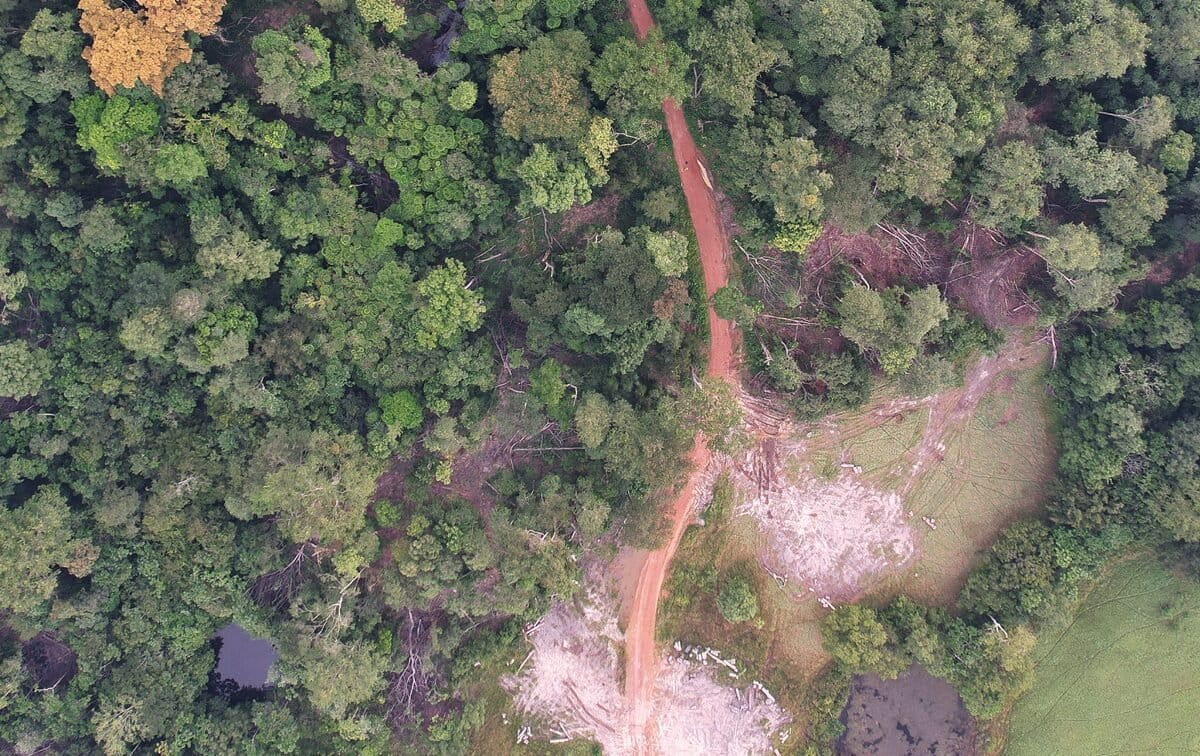
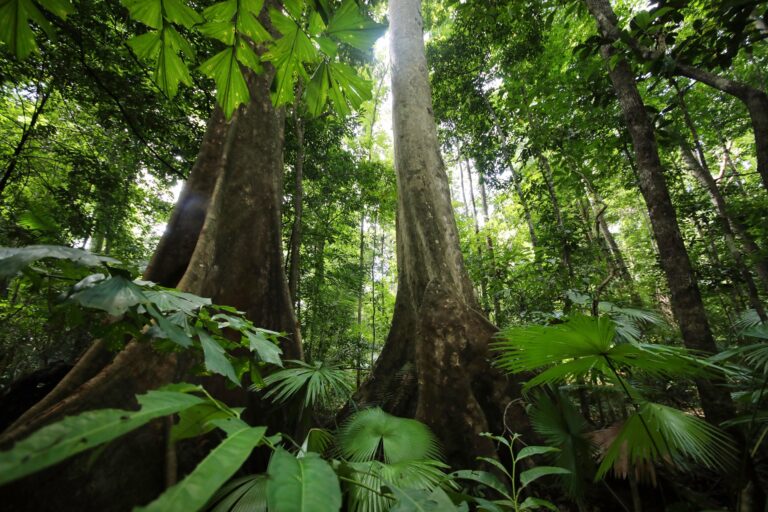
Rainforest in Gabon surrounded by Ivindo River.
Podcasts

Special issues connect the dots between stories

Negotiating Africa's Energy Future

Logging concession near Ndolou, Gabon

Norway’s multibillion-dollar bet on forests: An interview with Minister Eriksen

David Akana 25 Nov 2025
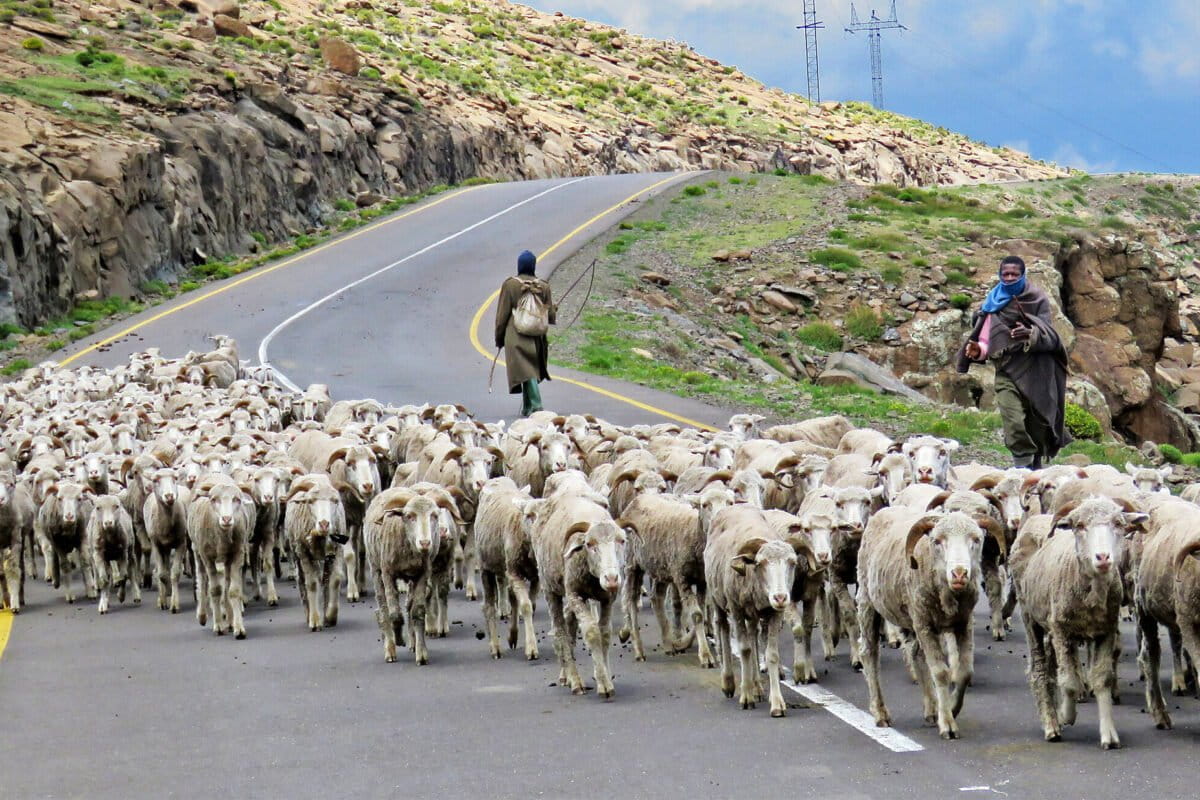
Pastoralists in Lesotho.

Lesotho communities allege greenwashing by project transferring water to South Africa

Malavika Vyawahare 21 Nov 2025
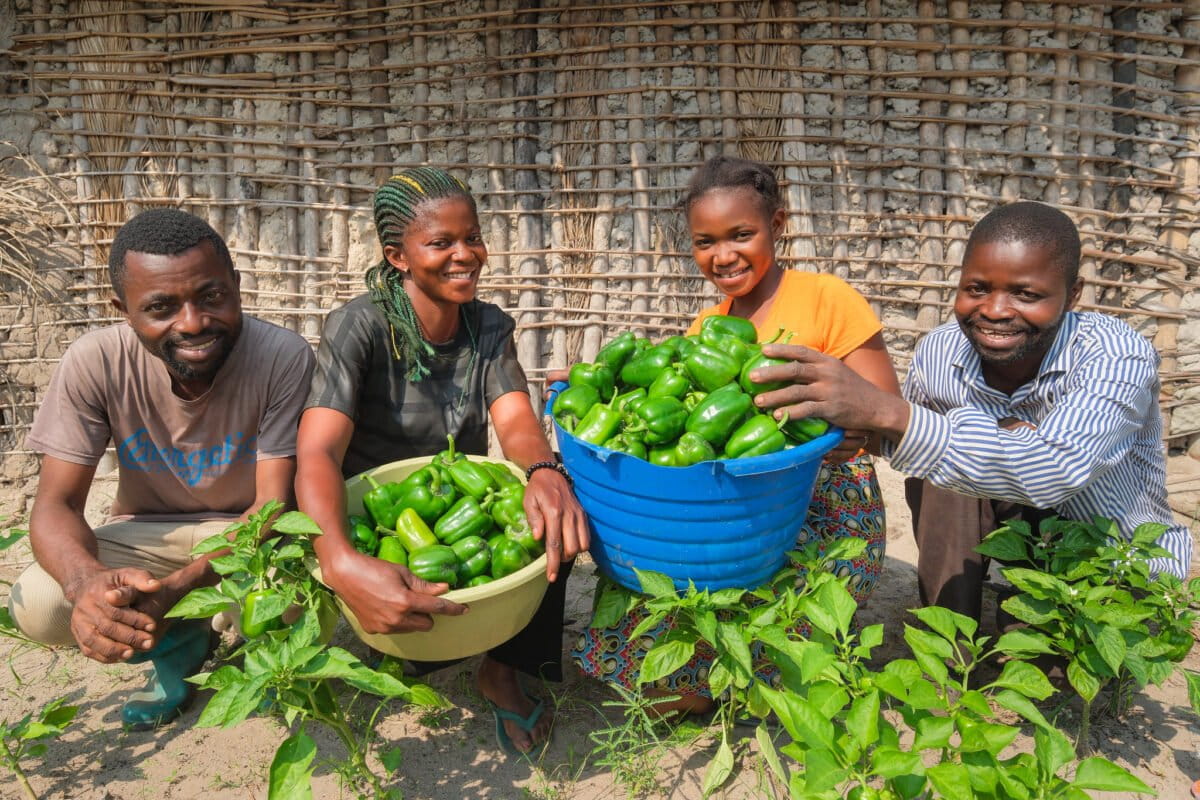
Farmers at Yangambi, Democratic Republic of Congo. Image by Axel Fassio/CIFOR via Flickr (CC BY-NC-ND 2.0)

Fighting for food sovereignty at COP30: Interview with GRAIN’s Ange-David Baïmey

Yannick Kenné 20 Nov 2025
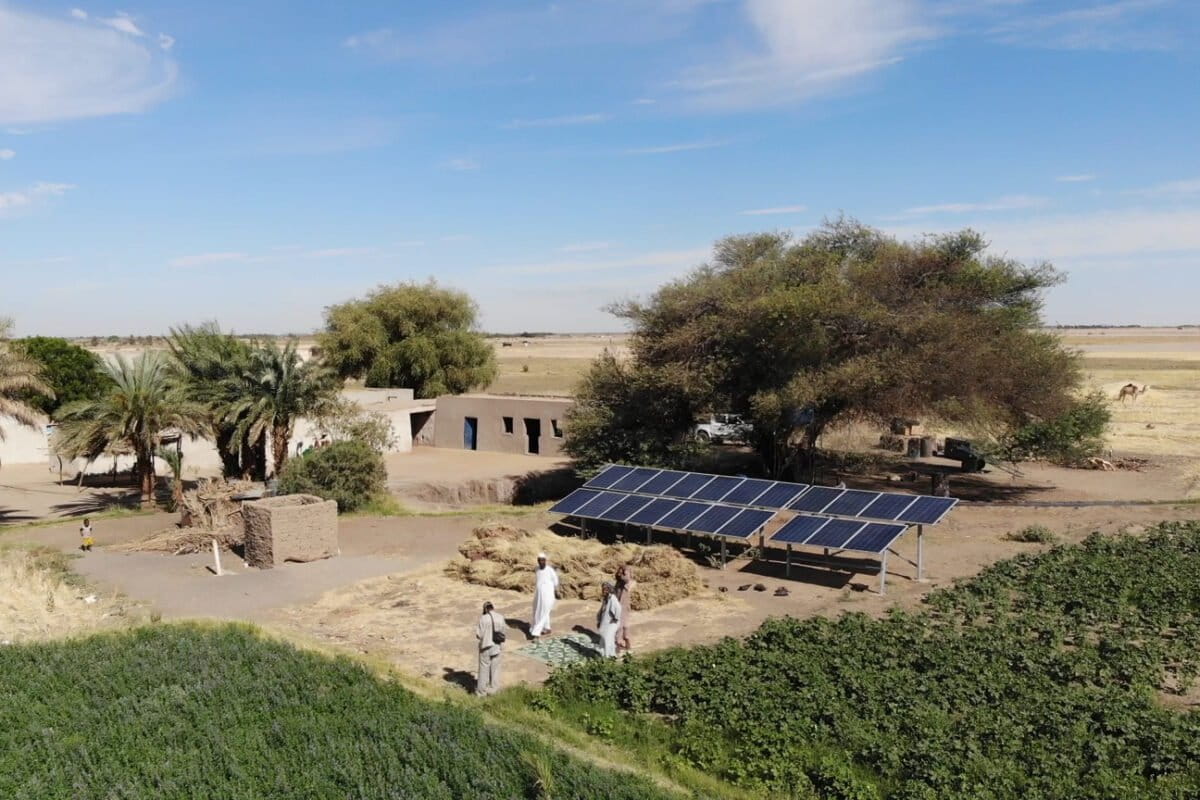
Solar panels in an arid part of Sudan.

‘The perfect ingredients’: WRI Africa deputy director shares vision for the continent’s energy transition

John Cannon 19 Nov 2025

A decade after countries agreed to the Paris climate agreement, Mongabay reports on an idea often invoked when discussing Africa’s path toward a low-carbon future: a just energy transition. Reporters from across the continent explore what “just” and “clean” energy mean for Africans.  These stories show African countries are pursuing their own journeys toward more […]

Negotiating Africa's Energy Future series

More specials

6 stories

Letters to the Future

Natural forests, like this one in Indonesia, contain hundreds of native species that all contribute to the ecosystem services they provide. Protecting standing forests is quicker and cheaper than replanting lost ones. Many forests can regenerate on their own with a little assistance, but where tree planting is needed, it must aim to restore natural diversity and support local communities. Image by Rhett A. Butler/Mongabay.
5 stories

Tech for the Trees

Trawlers docked outside Sihanoukville. Screenshot from ‘Illegal fishing and land grabs push Cambodian coastal communities to the brink’ by Andy Ball / Mongabay.
4 stories

Chaos on Cambodia’s Coast

Free and open access to credible information

Learn more

Listen to Nature with thought-provoking podcasts

Rainforest in Gabon surrounded by Ivindo River.

Governments must prioritize nature protection, former US senator Russ Feingold says

Mike DiGirolamo 9 Dec 2025

Watch unique videos that cut through the noise

South Greenlanders speak out on rare earths interests

Collage: Elise Paietta, postdoctoral research scholar during fieldwork, with tropical forest

How do we stop the next pandemic?

Abhishyant Kidangoor 26 Nov 2025
Collage: A group of security guards preventing people from crossing a checkpoint and Fernanda Wenzel Mongabay reporter

On the frontline of the Amazon land war

Julia Lima, Fernanda Wenzel, Fernando Martinho 13 Nov 2025
Soldiers from the PROLANSATE Foundation on patrol

Why is protecting this Honduran lagoon so dangerous? 

Fritz Pinnow, Sam Lee 22 Oct 2025
Cassandra Garduño harvests kale in her chinampa.

Saving Mexico City’s ancient floating farms

Lucia Torres, Associated Press 8 Oct 2025

We’re a nonprofit

Help us tell impactful stories of biodiversity loss, climate change, and more
Donate

In-depth feature stories reveal context and insight

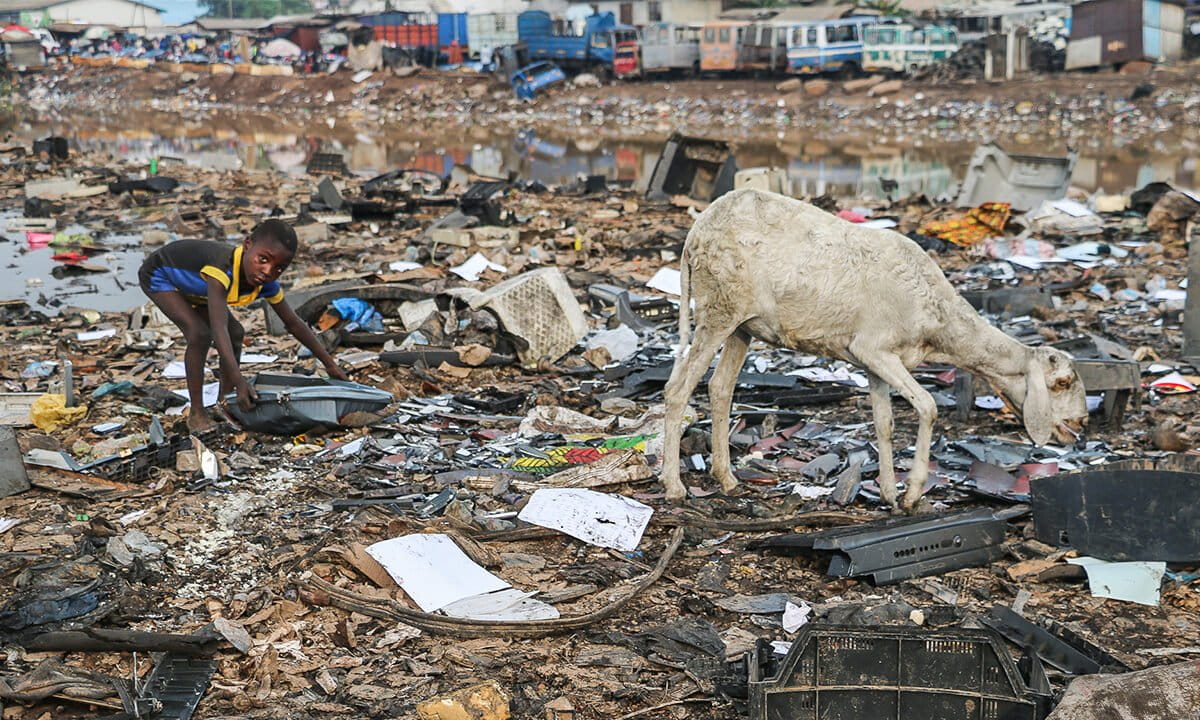
A child at work collecting e-waste in the Agbogbloshie dump in Ghana.
Feature story

Can two Amazons survive? Invisible e-waste is poisoning the world

Gerry McGovern, Sue Branford 3 Dec 2025
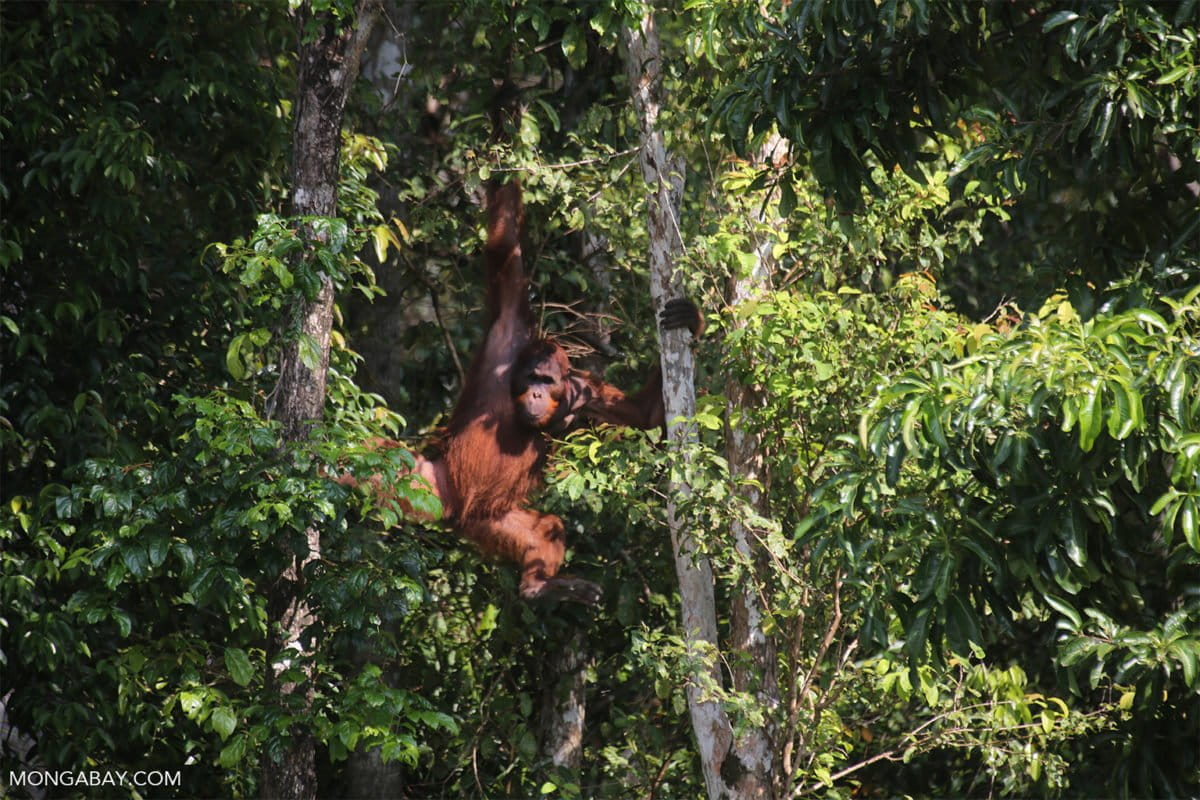
A Bornean orangutan.
Feature story

Indigenous Dayak sound alarm as palm oil firm razes orangutan habitat in Borneo

Hans Nicholas Jong 2 Dec 2025
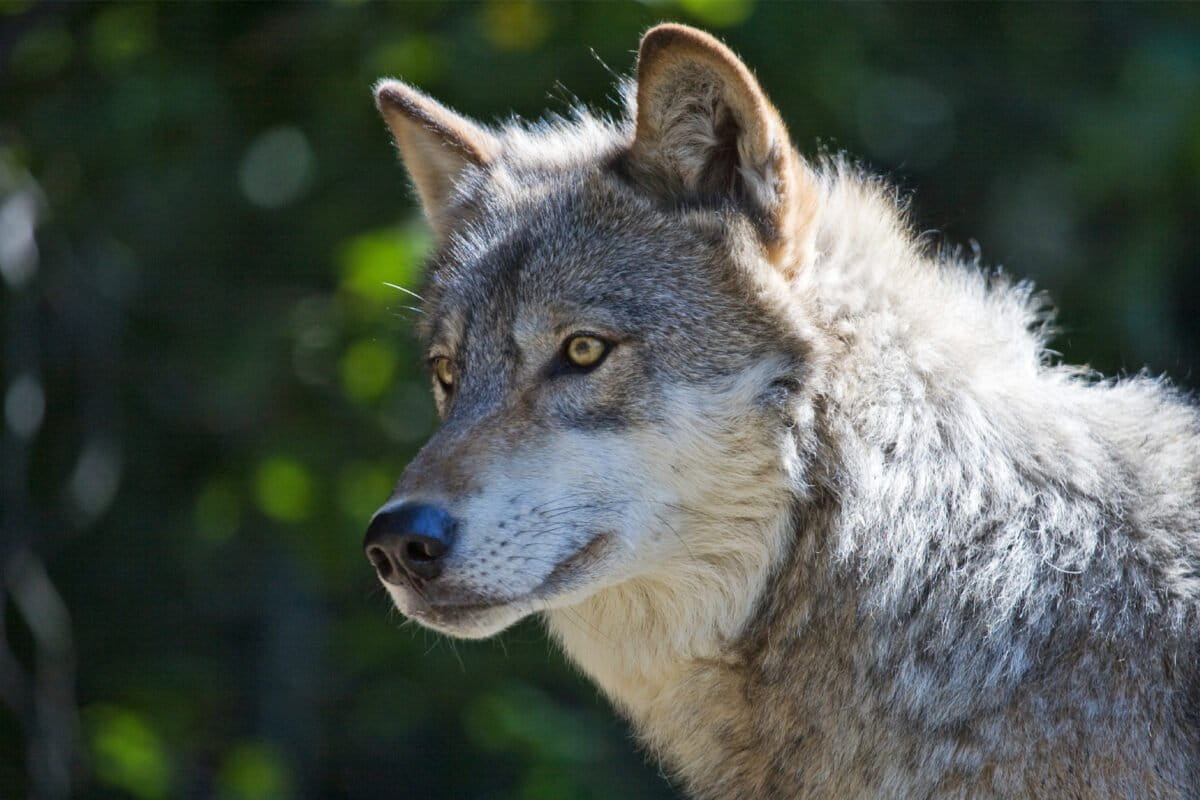
A gray wolf in Minnesota.
Feature story

First state-authorized killings mark escalation in California’s management of wolves

Spoorthy Raman 29 Nov 2025
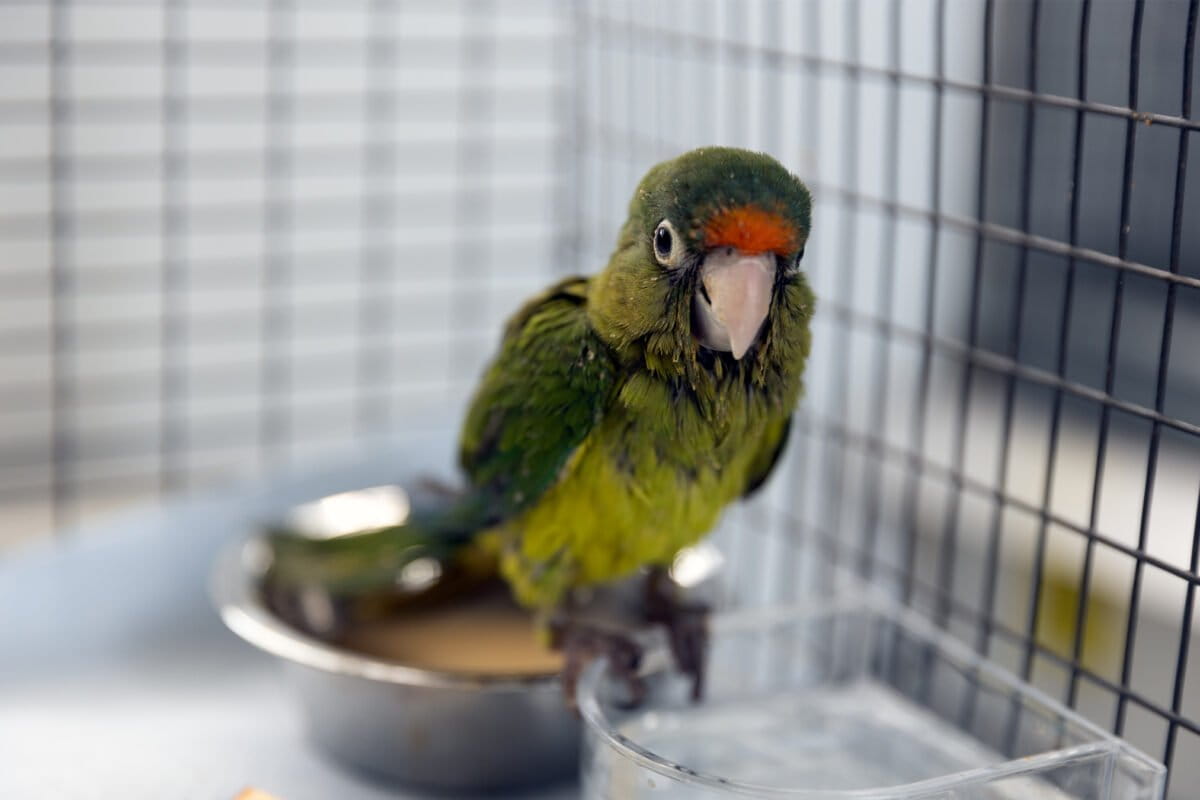
A juvenile orange-fronted parakeet seized by the U.S. Fish and Wildlife Service Office of Law Enforcement at the Otay Mesa Port of Entry in California.
Feature story

It’s ‘whack-a-mole’: Alarming rise in pet trade fuels wildlife trafficking into California

Spoorthy Raman 25 Nov 2025

Quickly stay updated with our news shorts

Birds, bugs and butterflies netted in global seizures by Interpol

Spoorthy Raman 12 Dec 2025

In a single month this year, nearly 30,000 live animals, were seized in a coordinated global crackdown on the illegal trade in wildlife and plants. Known as Operation Thunder and coordinated by Interpol and the World Customs Organization (WCO), it also confiscated tens of thousands of body parts from endangered species, and high-value plants and timber. The operation, conducted every year, aims to identify, disrupt and dismantle the criminal networks behind such environmental crime, an industry valued at least $20 billion annually.

Held from Sept. 15-Oct. 15 this year, the operation involved law enforcement and wildlife authorities from 134 countries. They conducted 4,640 seizures and identified 1,100 suspects. Now in its ninth year, Operation Thunder seized more than 30 metric tons of parts belonging to species listed under CITES, the global wildlife trade agreement.

The operation exposes the “sophistication and scale of the criminal networks” involved in the illegal wildlife trade, Interpol secretary-general Valdecy Urquiza said in a press release. Often, these networks are also involved in drug, human and weapons trafficking. “These syndicates target vulnerable species, undermine the rule of law and endanger communities worldwide,” Urquiza said.

This year’s seizure of 30,000 live animals is an all-time high for the operation and indicates rising demand for exotic pets. Authorities intercepted nearly 10,500 butterflies, spiders and insects — many protected under CITES — along with more than 6,000 birds, some 2,000 turtles and 1,150 reptiles. At CITES’s recent summit in Uzbekistan, some reptiles, sloths, and turtles traded as exotic pets were given greater protection. Separately, the IUCN, the global wildlife conservation authority, passed a motion recognizing the need to address the soaring illegal wildlife trade to meet demand for pets.

The operation also exposed the trade in primates and their body parts. Authorities seized more than 200 live primates, along with some 1,560 primate parts. The vast majority were seized in North America, including a shipment with more than 1,300 primate bones, skulls and other derivatives. In Brazil, authorities dismantled a trafficking network involved in smuggling golden lion tamarins (Leontopithecus rosalia), an endangered monkey.

The operation also revealed a growing illicit trade in bushmeat. Roughly 5.8 metric tons of primate, giraffe, zebra and antelope meat were seized worldwide, with a notable increase in cases from Africa into Europe.

Authorities also confiscated more than 245 metric tons of protected marine wildlife, including 4,000 pieces of shark fins.

Plant seizures also reached a record high, with more than 10 metric tons of live plants and plant derivatives confiscated, along with more than 32,000 cubic meters (1.13 million cubic feet) of illegal timber and 14,000 timber pieces.

Insights from Operation Thunder will help authorities map global criminal networks, anticipate emerging criminal tactics and disrupt illicit supply chains involved in the illegal wildlife trade, Interpol said.

Banner image: Primates seized in Thailand as part of Operation Thunder. Image courtesy of Interpol.


Illegal fishing, other maritime threats cost Western Indian Ocean $1b a year: Report

Anne Nzouankeu 12 Dec 2025

Maritime threats in the Western Indian Ocean cost the region roughly $1.14 billion per year, according to a new report by the United Nations Economic Commission for Africa. The losses amount to 5.7% of the region’s gross marine product, a significant economic loss for activities linked to oceans, seas and coastal zones, collectively referred to as the blue economy, and an essential part of the region’s economic base.

The report, published Dec. 9, identifies five major drivers of the loss, including illegal, unreported and unregulated (IUU) fishing, which accounts for $246.3 million in annual losses from depleted stocks, undeclared revenues and habitat degradation.

A second driver, piracy and armed robbery, is far less common now than in the early 2010s, but still requires protective measures that cost an estimated $164 million in 2021. Illicit trafficking, including of drugs, weapons and wildlife, accounts for another $330 million in annual economic losses and societal costs, the report says.

Maritime migration of people heading to other countries costs roughly $300 million for expenses related to rescue operations, humanitarian interventions and loss of life, while oil spills and chemical pollution, the fifth threat identified in the report, cost another $100 million annually.

The report cites the case of the MV Wakashio, a bulk carrier that ran aground off the coast of Mauritius in 2020 and spilled around 1,000 metric tons of fuel into the ocean. The immediate cleanup cost $50 million and the long-term restoration cost several times that much.

This combination of economic, environmental and security threats puts immense pressure on the region’s “ocean assets,” which have a total value of $333.8 billion, the report notes. Maritime activities including fishing, shipping and associated industries generate at least $20 billion in annual revenue. Those industries are essential for the livelihood and food security of coastal communities; fishing alone employs millions of people, while “for many Eastern African economies, more than half of trade value transits the [Western Indian Ocean’s] routes,” the report notes.

To address these challenges, the report recommends a series of actions: integrating maritime security into all blue economy policies; establishing a sustainable financing mechanism that combines government contributions with revenue generated from marine resources; and enhancing regional maritime surveillance with improved data sharing.

The report also calls for coordinated maritime patrols and stronger regional institutions such as the Regional Maritime Information Fusion Centre (RMIFC), based in Madagascar, and the Regional Coordination Operations Centre (RCOC), in Seychelles.

Finally, the report recommends tightening measures against illegal fishing through strengthened legislation, more transparent vessel registration, and the creation of a permanent regional task force to combat illegal activities. It urges the region to build stronger collective capacity to respond to environmental crises and violations of territorial waters.

Banner image: Reef fish in a marine protected area at Mnemba Island, Zanzibar. Image by Jorge Láscar via Flickr (CC BY-SA 2.0).

The Amazon’s lakes are heating up at ‘alarming’ rate, research finds

Shanna Hanbury 11 Dec 2025

Five out of 10 lakes in the central Amazon had daytime temperatures over 37° Celsius, (98.6° Fahrenheit) during the region’s 2023 extreme heat wave, a recent study found.

One of the most well-known water bodies is Tefé Lake in Amazonas state, northern Brazil. In September and October 2023, 209 pink and grey river dolphins, roughly 15% of the lake’s population, died in Tefé Lake. The mass mortality happened just as the lake soared to a record 41°C (106°F) across the entire 2-meter (6.6-foot) water column.

“You can’t even put a finger in the water. … It is so hot that your natural instinct is to withdraw your hand,” lead author Ayan Fleischmann, a researcher at the Brazil-based Instituto Mamirauá, told Mongabay by phone. “The temperature is beyond the tolerance limit for most Amazonian aquatic animals.”

Dolphins aren’t the only species that suffered with the heat. In one local fish farm, more than 3,000 fish died as temperatures crossed 35°C (95°F), well over the safe limit for the Amazonian tambaqui (Colossoma macropomum) and pirapitinga (Piaractus brachypomus). Other mass fish deaths were recorded across several states of the Brazilian Amazon.

As the drought continued into its second year, an estimated 20-30 metric tons of fish and other animals, including caimans, turtles and stingrays, died in the Aramanaí Channel in Pará, a waterway connected to the Amazon River.

More than 200 dolphins died in the Amazon in 2023 due to extreme heat. Image courtesy of Miguel Monteiro.

Researchers recorded temperatures at in situ monitoring sites, then used satellite data and modeling to understand the causes and calculate long-term patterns. According to their models, high solar radiation, reduced water depth and wind speed and muddied waters are the main culprits behind the abnormally high temperatures in lakes.

Their results also show that lakes in the Amazon are warming at a rate of 0.6 °C, or 1.1 °F, every decade.

“It is very alarming,” Fleischmann told Mongabay. “Because lakes are so sensitive to climate, they offer us a warning about these socioecological tragedies we have seen.”

Most of the fish eaten in the Amazon come from lakes, Fleischmann said. So, a breakdown in those ecosystems has widespread impacts for local communities. “Not being able to fish means you enter a situation of food insecurity, and you lose your main source of income if you are a fisher,” he said.

If lakes dry up enough, transportation is also disrupted; kids can’t go to school and supplies can’t get to some remote communities.  

“In the Amazon, an extreme drought disrupts the entire riverine way of life, because the way of life of these populations depends on lakes and rivers for everything,” Fleischmann added.

Banner image: Smoke from wildfires fills the air over Lake Tefé in the Amazon. Image courtesy of Miguel Monteiro.

Smoke from wildfires fills the air over Lake Tefé in the Amazon. Image courtesy of Miguel Monteiro.

Elephant seals can recognize the voices of their rivals

Bobby Bascomb 11 Dec 2025

Elephant seals spend most of their lives at sea, returning to shore just twice every year to molt and breed. The breeding season typically includes males weighing thousands of kilograms violently clashing with each other to compete for females. New research finds the hefty mammals remember the voices of rivals they’ve met before and retreat if they hear recordings of a more dominant seal.

“An elephant seal call is like a drumbeat and each male’s drumbeat is unique,” Carolyn Casey, a research scientist with the University of California Santa Cruz, U.S., who led the study, told Mongabay in a video call. Casey recently presented her team’s finding at a joint meeting of the Acoustical Society of America and Acoustical Society of Japan. The study will soon be submitted for publication.

Casey has been running a long-term study on elephant seals (Mirounga angustirostris) in California’s Año Nuevo State Park for 16 years. In that time, her team has collected a mountain of data on the seals, and Casey said a pattern began to emerge.

“It seemed as though males would listen to the call of a rival and then decide to attack or retreat based on the information that was contained within that signal,” she said.

In 2015, the team conducted a study that found males can recognize “their rivals within a season … deciding to attack or retreat based on that individual’s dominant status,” Casey said. The next question the researchers had was whether the pinnipeds could remember their rivals’ voices the following breeding season.

So, armed with recordings of seal calls and cataloged information on the dominance status of individuals, the team conducted an experiment: They set up speakers in the breeding area at Año Nuevo State Park, where males return each year. Researchers played recorded calls of rivals and noted the responses of certain seals.

The scientists wanted to be sure the animals were actually responding to memories and not just the tone of a voice or some other variable. So, for the experiment, they chose seven mid-ranking males that had previously known both dominant and subordinate rivals.

The seven seals “responded as we would predict,” Casey said. “They ran away from the [calls of] males that were bigger or that were dominant to them and attacked the speaker if it was [from a] subordinate.”

The researchers also played the same recordings at another breeding site, some 320 kilometers (200 miles) south, where the local males had no previous experience with the recorded individuals. The males there showed very little response to the recordings.

“It’s like me yelling, Kathy, Kathy, Kathy at you and you don’t know who Kathy is, you have no experience with Kathy,” Casey said.

The study shows that elephants seals “have long-term recognition like we do,” she added.

Banner image: Male elephant seals competing for breeding rights at Piedras Blancas Light Station, California. Image by the Bureau of Land Management via Flickr (public domain).

Study warns of major funding gap for 30×30 biodiversity goal

David Akana 11 Dec 2025

A new study launched at the U.N. Environment Assembly in Nairobi warns that international funding to help countries meet the global “30×30” biodiversity target is rising but remains billions of dollars short of what is needed.

The State of International 30×30 Funding report has tracked public and philanthropic support for protected and conserved areas in developing countries since 2014. It finds that annual international funding has grown by about 150% over the past decade, reaching just over $1.1 billion in 2024.

That increase, however, falls far short of the roughly $6 billion per year needed by the end of the decade to meet Target 3 of the Kunming–Montreal Global Biodiversity Framework. That target aims to conserve at least 30% of the world’s land, inland waters and oceans by 2030 in an effort to stem the dual crises of biodiversity loss and climate change. However, at current growth rates, the report estimates a $4 billion annual shortfall by 2030.

The authors say their estimate is conservative. The analysis includes only flows that are clearly linked to protected and conserved areas and relies on patchy donor reporting. Still, they argue, the trend is clear: Recent growth in funding is not enough to match countries’ commitments under the Global Biodiversity Framework.

Regional and thematic gaps also stand out. Africa now receives nearly half of all tracked funding, while small island developing states receive only 4.5%, despite being identified as priorities under the framework. Marine ecosystems receive just 14% of funding, though the ocean covers most of the planet.

The report also highlights the vulnerability of donor concentration. Just five major donors and mechanisms — Germany, the World Bank, the Global Environment Facility, the EU and the United States — provide more than half of all tracked funding. That reliance, the authors warn, leaves 30×30 “vulnerable to political shifts and changing priorities,” including the shuttering of USAID this year.

For ministers from biodiversity-rich nations, the findings are both familiar and urgent. Sierra Leone’s environment minister, Jiwoh Abdulai, told Mongabay Africa that frontline countries are already paying the price for delays.

“I think we just need to keep reminding the world that this is a matter of urgency,” he said. “We feel the impact right now in terms of how it affects our lives, how it affects livelihoods. It’s not something that is abstract to us.”

Abdulai makes the case that wealthier countries need to see biodiversity finance not as charity, but as self-interest. As he put it, without such investments, climate change will accelerate climate-related migration, which isn’t good for anyone.

“This is not altruistic from their point of view. You’re not donating money to save us. This is also about your survival. This is about the survival of your economies,” he said.

Banner image: Aerial view of Australia coastline. Image courtesy of James Donaldson.


Aerial view of Australia coastline. Credit: James Donaldson

Climate change is straining Alaska’s Arctic. A new mining road may push the region past the brink

Associated Press 11 Dec 2025

AMBLER, Alaska (AP) — In Northwest Alaska, a proposed 211-mile mining road has divided an Inupiaq community already devastated by climate change. The Western Arctic Caribou Herd has plummeted 66% in two decades while salmon runs have collapsed from record rainfall and warming waters. The Trump-approved Ambler Access Road would unlock copper deposits and other minerals that could be used for green energies. But the road also threatens the fish and caribou that Indigenous communities depend on. Some, like hunter Tristen Pattee, support the road, and argue mining jobs offer the only way to afford subsistence hunting as costs soar. Others fear it will destroy what little remains of their way of life.

By Annika Hammerschlag, Associated Press  

Banner image: Caribou antlers rest on the banks of the Kobuk River at Onion Portage near, Ambler, Alaska, where caribou traditionally migrated in late summer but had yet to arrive, Tuesday, Sept. 30, 2025. (AP Photo/Annika Hammerschlag)

Share Short Read Full Article

Share this short

If you liked this story, share it with other people.

Facebook Linkedin Threads Whatsapp Reddit Email

Subscribe

Stay informed with news and inspiration from nature’s frontline.
Newsletter

News formats

  • Videos
  • Podcasts
  • Articles
  • Specials
  • Shorts
  • Features
  • The Latest

About

  • About
  • Contact
  • Donate
  • Impacts
  • Newsletters
  • Submissions
  • Terms of Use

External links

  • Wild Madagascar
  • For Kids
  • Mongabay.org
  • Reforestation App
  • Planetary Health Check
  • Conservation Effectiveness
  • Mongabay Data Studio

Social media

  • LinkedIn
  • Instagram
  • Youtube
  • X
  • Facebook
  • Tiktok
  • Reddit
  • BlueSky
  • Mastodon
  • Android App
  • Apple News
  • RSS / XML

© 2025 Copyright Conservation news. Mongabay is a U.S.-based non-profit conservation and environmental science news platform. Our EIN or tax ID is 45-3714703.

you're currently offline