• Features
  • Videos
  • Podcasts
  • Specials
  • Articles
  • Shorts
Donate
  • English
  • Español (Spanish)
  • Français (French)
  • Bahasa Indonesia (Indonesian)
  • Brasil (Portuguese)
  • India (English)
  • हिंदी (Hindi)
  • বাংলা (Bengali)
  • Swahili
  • Videos
  • Podcasts
  • Articles
  • Short News
  • Feature Stories
  • The Latest
  • Explore All
  • About
  • Team
  • Contact
  • Donate
  • Subscribe page
  • Submissions
  • Privacy Policy
  • Terms of Use
  • Advertising
  • Wild Madagascar
  • For Kids
  • Mongabay.org
  • Reforestation App
  • Planetary Health Check
  • Conservation Effectiveness
  • Mongabay Data Studio

Latest

Jean Beasley with the Karen Beasley Sea Turtle Rescue and Rehabilitation Center with a juvenile Kemp's Ridley sea turtle on Sept. 17, 2013 in Surf City, N.C. Photo courtesy of KEN BLEVINS/STARNEWS

Jean Beasley, who turned her young daughter’s dying wish into a mission to save sea turtles, has died

Rhett Ayers Butler 3 Dec 2025

Countries back strong new trade limits for sharks and rays at CITES summit

Victoria Schneider 3 Dec 2025

Rescue teams racing after last week’s flooding in Indonesia, Sri Lanka and Thailand

Associated Press 3 Dec 2025

Forest loss, fires and invasions soar in Nicaraguan wildlife refuge, watchdog warns

Gonzalo Ortuño López 3 Dec 2025

Saving critical winter habitat for monarch butterflies may depend on buy-in from their human neighbors

Claudia Steiner 3 Dec 2025

Unequal access to nature: Few outdoor spaces in Europe and the U.S. accommodate sensory, mental disabilities

Albert Chern 3 Dec 2025
All news

Top stories

A Bornean orangutan.

Indigenous Dayak sound alarm as palm oil firm razes orangutan habitat in Borneo

A gray wolf in Minnesota.

First state-authorized killings mark escalation in California’s management of wolves

Spoorthy Raman 29 Nov 2025
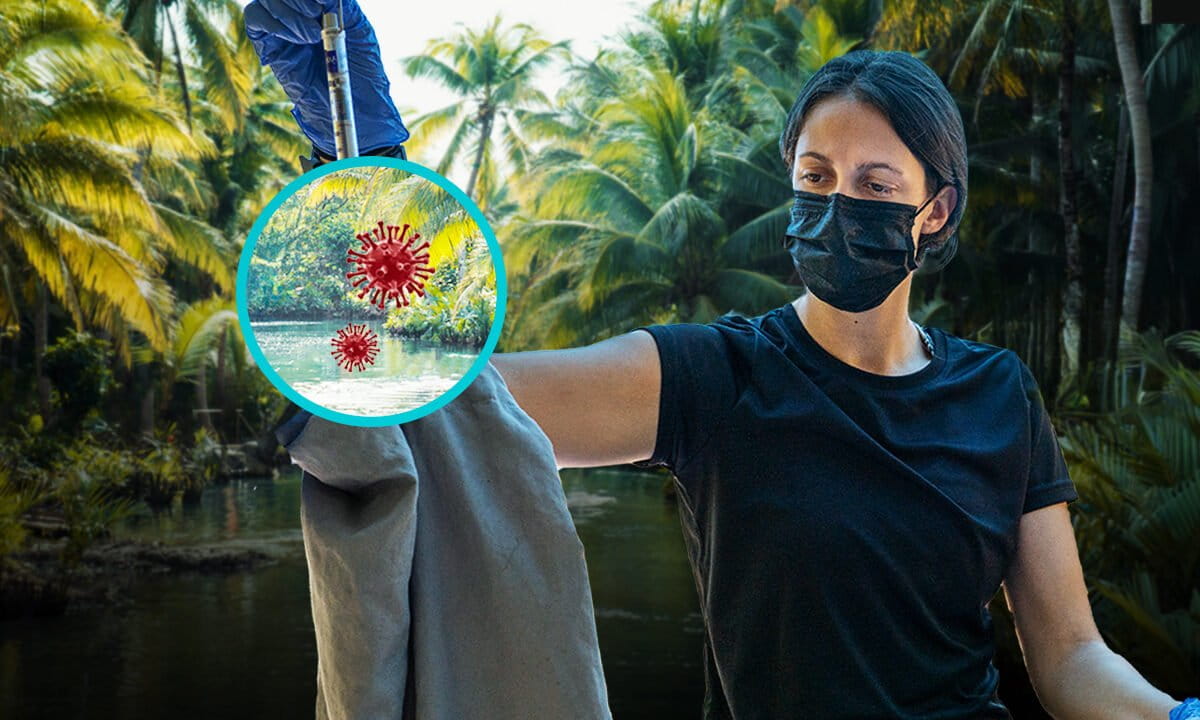
Collage: Elise Paietta, postdoctoral research scholar during fieldwork, with tropical forest

How do we stop the next pandemic?

Abhishyant Kidangoor 26 Nov 2025
A juvenile orange-fronted parakeet seized by the U.S. Fish and Wildlife Service Office of Law Enforcement at the Otay Mesa Port of Entry in California.

It’s ‘whack-a-mole’: Alarming rise in pet trade fuels wildlife trafficking into California

Spoorthy Raman 25 Nov 2025
Satellite imagery from February 2025 shows the transformation of the landscape at Global Green's gold mine, which is believed to be contaminating the O'Ta Bouk River. Image provided by Google Earth, Maxar Technologies.

Toxic runoff from politically linked gold mine poisons Cambodian rivers, communities

Andy Ball, Gerald Flynn, Phoung Vantha 24 Nov 2025

Subscribe

Stay informed with news and inspiration from nature’s frontline.
Newsletter

We’re a nonprofit

Help us tell impactful stories of biodiversity loss, climate change, and more
Donate

News and Inspiration from Nature's Frontline.

Collage: Elise Paietta, postdoctoral research scholar during fieldwork, with tropical forest
Videos
Jean Beasley with the Karen Beasley Sea Turtle Rescue and Rehabilitation Center with a juvenile Kemp's Ridley sea turtle on Sept. 17, 2013 in Surf City, N.C. Photo courtesy of KEN BLEVINS/STARNEWS
Articles
Where cars go to die: an auto graveyard.
Podcasts

Special issues connect the dots between stories

Negotiating Africa's Energy Future

Logging concession near Ndolou, Gabon

Norway’s multibillion-dollar bet on forests: An interview with Minister Eriksen

David Akana 25 Nov 2025
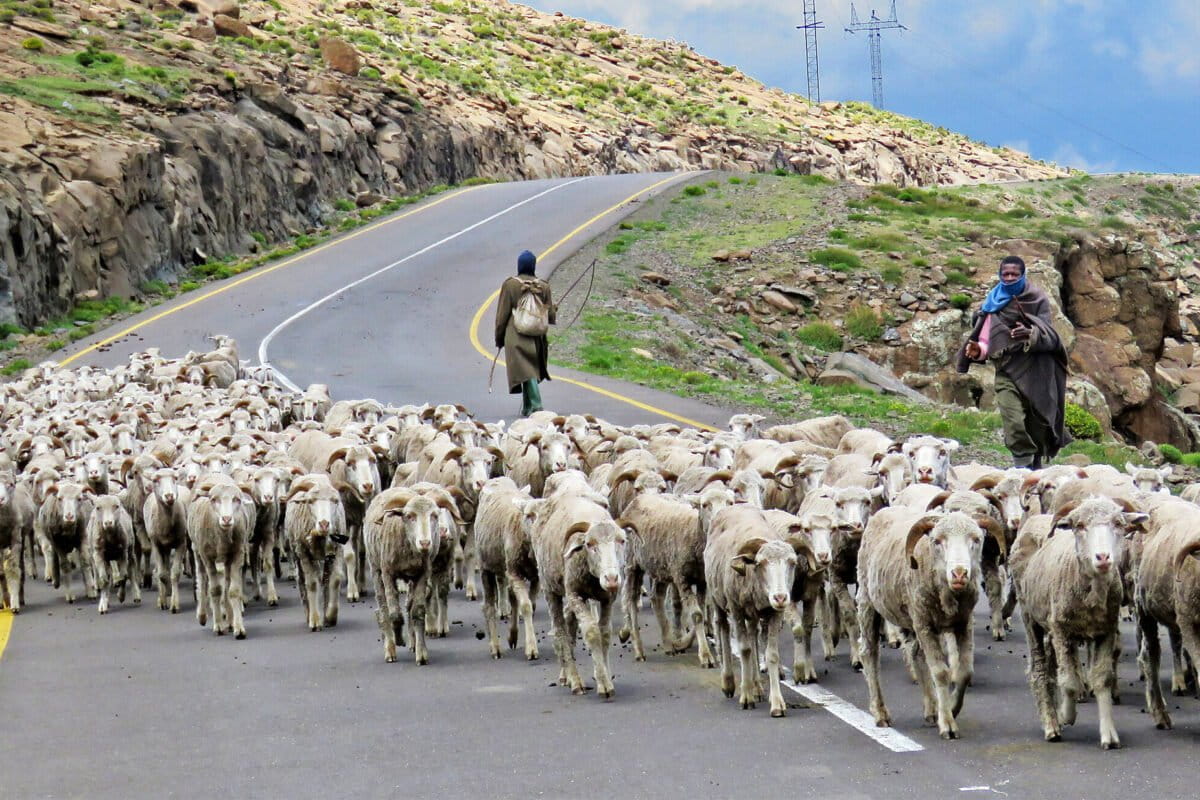
Pastoralists in Lesotho.

Lesotho communities allege greenwashing by project transferring water to South Africa

Malavika Vyawahare 21 Nov 2025
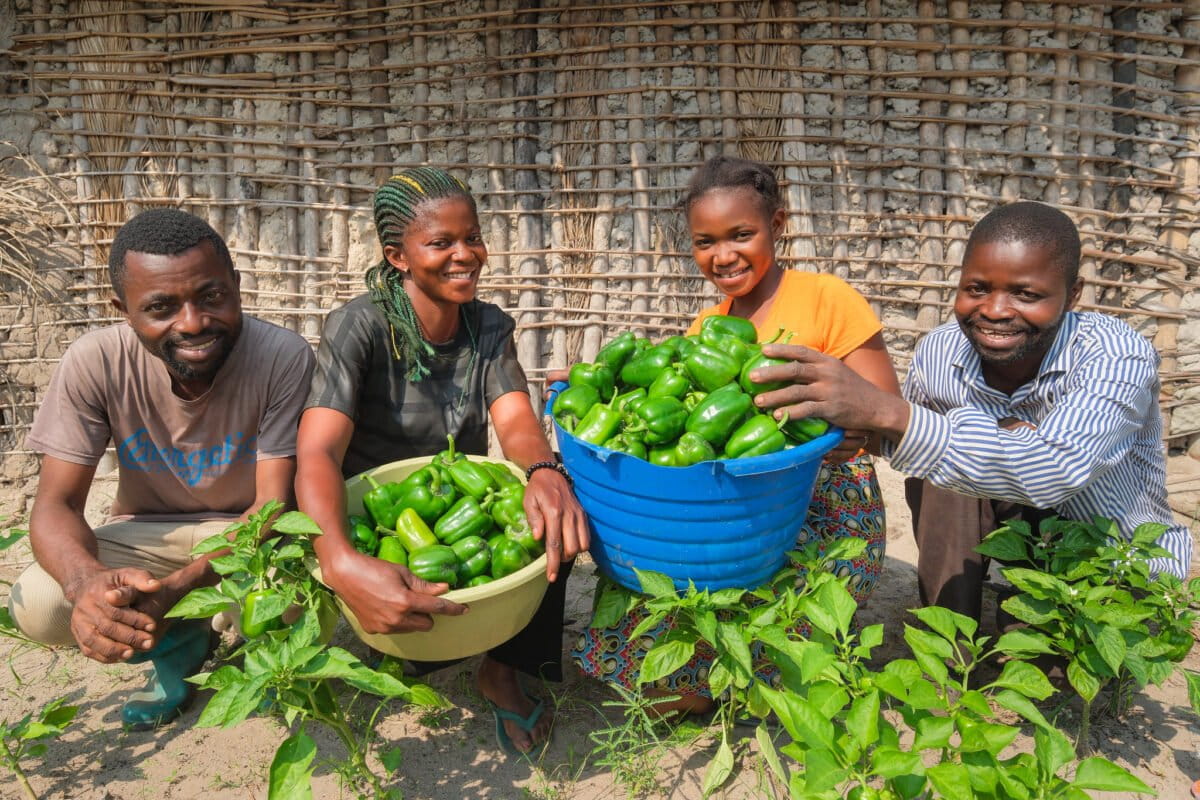
Farmers at Yangambi, Democratic Republic of Congo. Image by Axel Fassio/CIFOR via Flickr (CC BY-NC-ND 2.0)

Fighting for food sovereignty at COP30: Interview with GRAIN’s Ange-David Baïmey

Yannick Kenné 20 Nov 2025
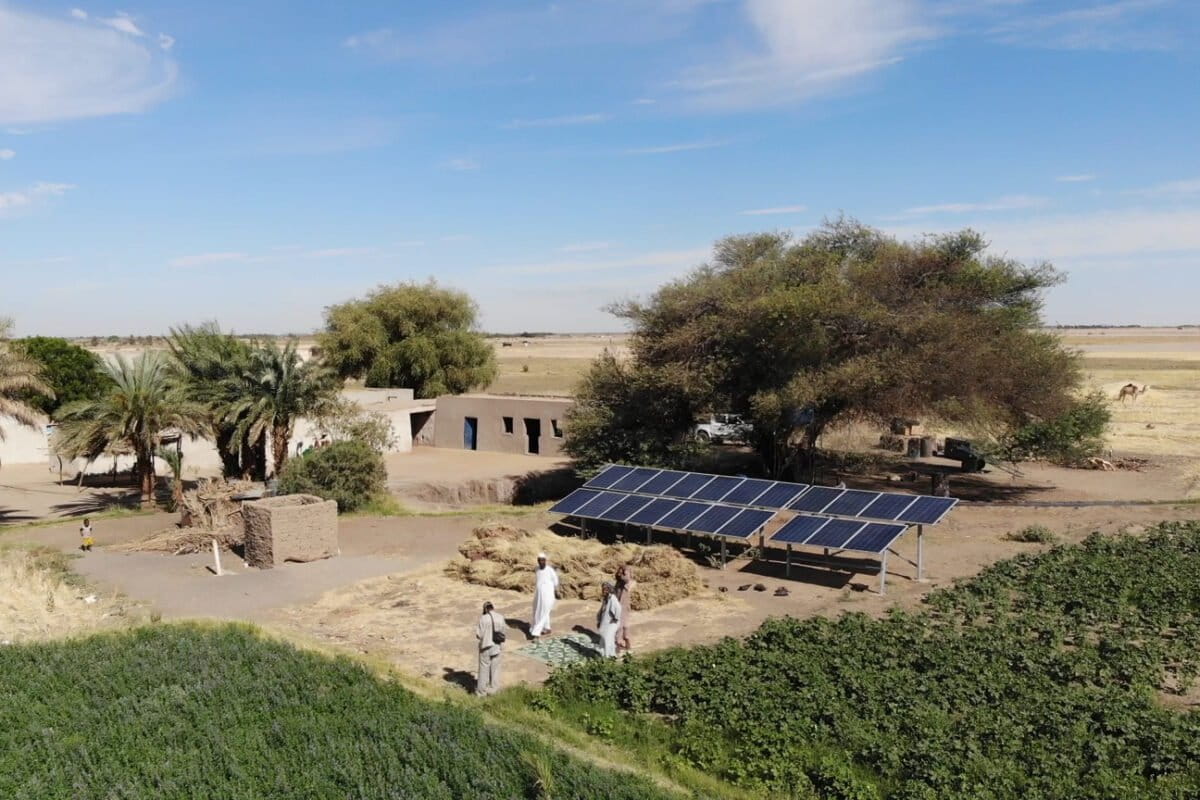
Solar panels in an arid part of Sudan.

‘The perfect ingredients’: WRI Africa deputy director shares vision for the continent’s energy transition

John Cannon 19 Nov 2025

A decade after countries agreed to the Paris climate agreement, Mongabay reports on an idea often invoked when discussing Africa’s path toward a low-carbon future: a just energy transition. Reporters from across the continent explore what “just” and “clean” energy mean for Africans.  These stories show African countries are pursuing their own journeys toward more […]

Negotiating Africa's Energy Future series

More specials

6 stories

Letters to the Future

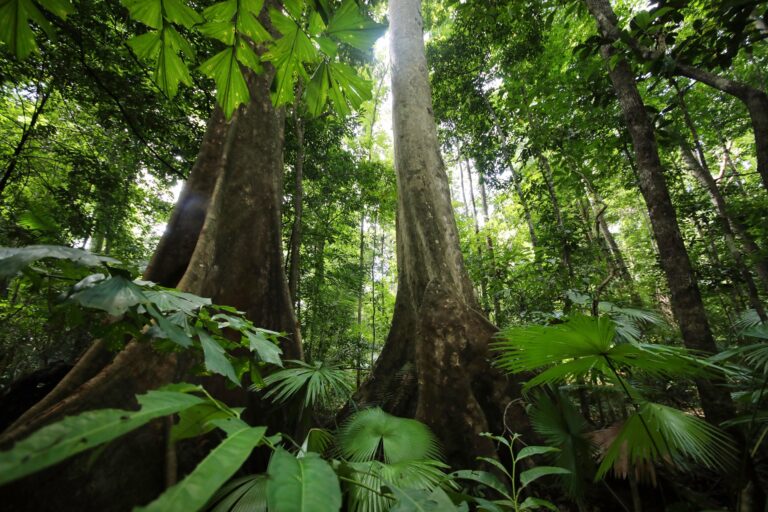
Natural forests, like this one in Indonesia, contain hundreds of native species that all contribute to the ecosystem services they provide. Protecting standing forests is quicker and cheaper than replanting lost ones. Many forests can regenerate on their own with a little assistance, but where tree planting is needed, it must aim to restore natural diversity and support local communities. Image by Rhett A. Butler/Mongabay.
5 stories

Tech for the Trees

Trawlers docked outside Sihanoukville. Screenshot from ‘Illegal fishing and land grabs push Cambodian coastal communities to the brink’ by Andy Ball / Mongabay.
4 stories

Chaos on Cambodia’s Coast

Free and open access to credible information

Learn more

Listen to Nature with thought-provoking podcasts

Where cars go to die: an auto graveyard.

A ‘Life After Cars’ can provide huge human health and environmental benefits

Mike DiGirolamo 2 Dec 2025

Watch unique videos that cut through the noise

Collage: Elise Paietta, postdoctoral research scholar during fieldwork, with tropical forest

How do we stop the next pandemic?

Collage: A group of security guards preventing people from crossing a checkpoint and Fernanda Wenzel Mongabay reporter

On the frontline of the Amazon land war

Julia Lima, Fernanda Wenzel, Fernando Martinho 13 Nov 2025
Soldiers from the PROLANSATE Foundation on patrol

Why is protecting this Honduran lagoon so dangerous? 

Fritz Pinnow, Sam Lee 22 Oct 2025
Cassandra Garduño harvests kale in her chinampa.

Saving Mexico City’s ancient floating farms

Lucia Torres, Associated Press 8 Oct 2025
When art turns into a sustainable treasure

When art turns into a sustainable treasure

Julia Lima, Fellipe Abreu, Sibélia Zanon 1 Oct 2025

We’re a nonprofit

Help us tell impactful stories of biodiversity loss, climate change, and more
Donate

In-depth feature stories reveal context and insight

Feature story

The land deal threatening a vital piece of Bolivia’s Chiquitano dry forest

Maxwell Radwin 20 Nov 2025
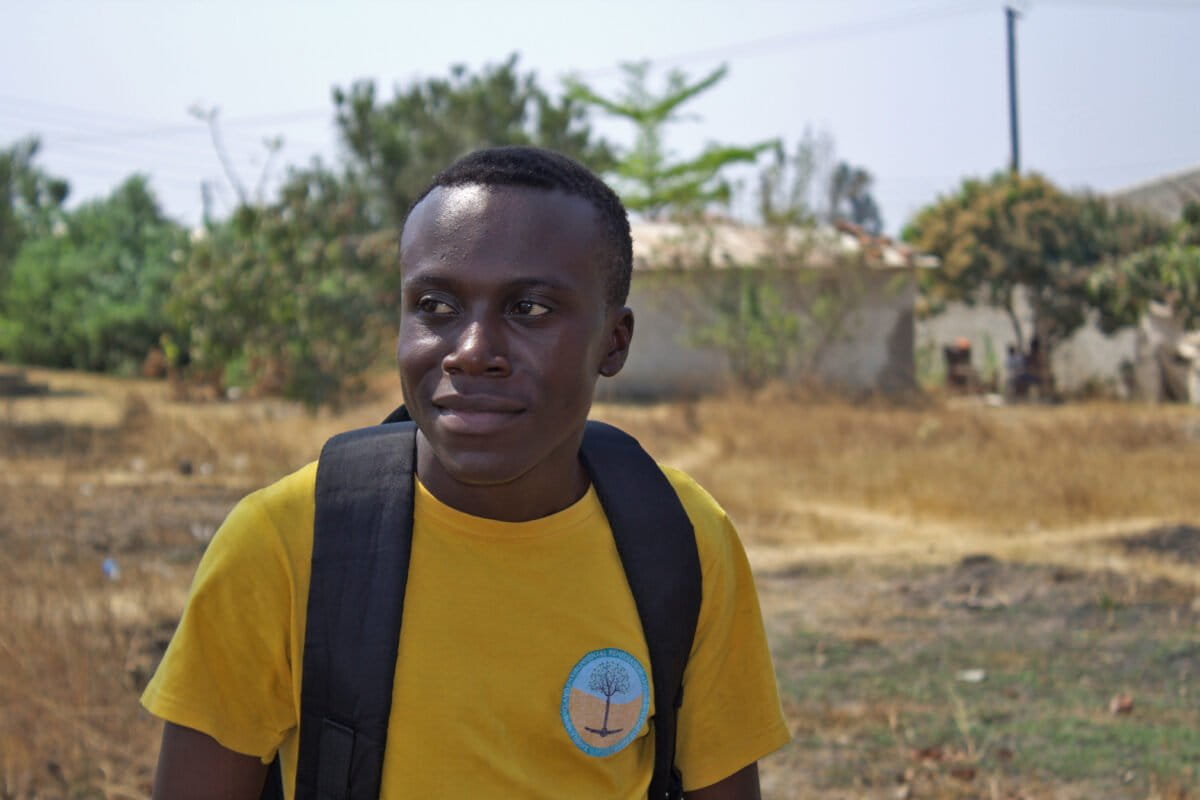
Youth activist Oliver Nyirenda in Kabwe. Image courtesy of Radio Workshop.
Feature story

As Zambia eyes green minerals, Kabwe’s poisoned past looms large

Chisapi Kumbutso 19 Nov 2025
Feature story

Offshore fossil fuel exploration jeopardizes Brazil’s climate leadership, study says

Lucas Berti 18 Nov 2025
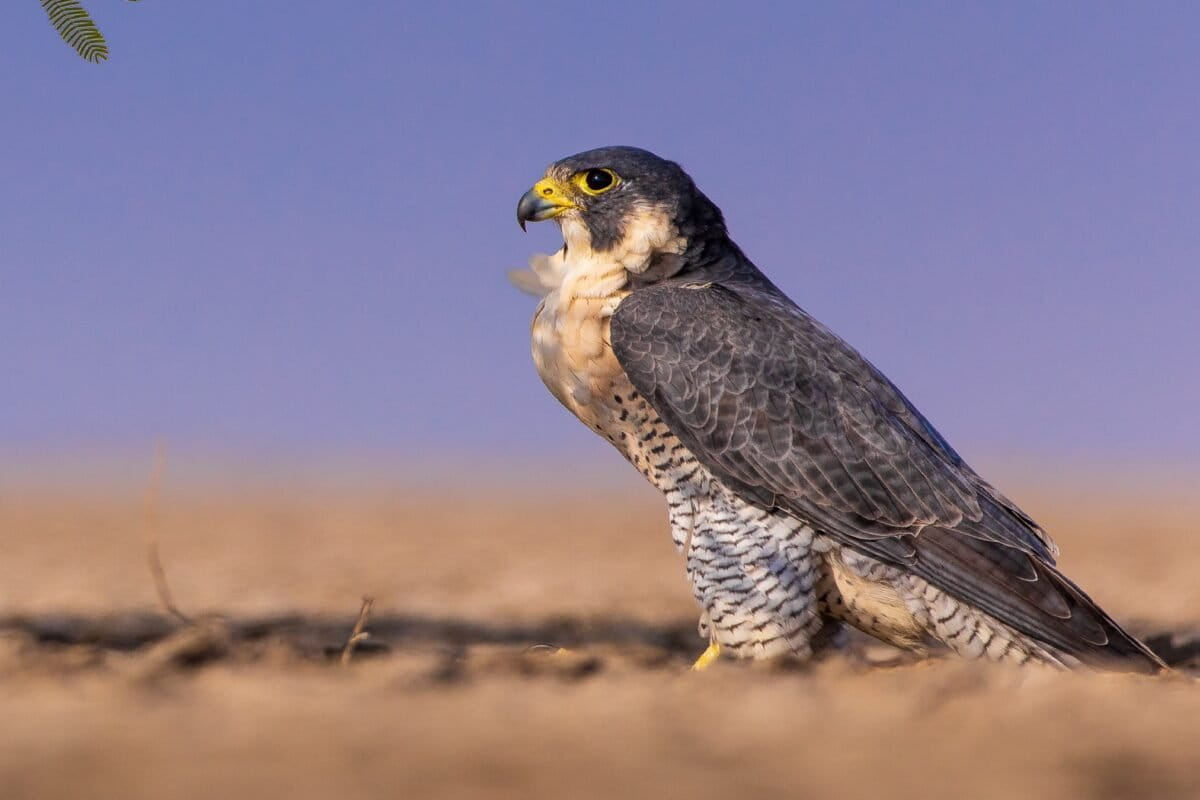
Banner image: Adult male peregrine (F. p. brookei) in Rann of Kutch, Gujarat, India. Peregrine falcons almost disappeared across North America and Europe in the early 1900s because of DDT and other pesticides.
Feature story

Scientists slam Canada-US proposal to lower trade protections for peregrine falcons

Spoorthy Raman 18 Nov 2025

Quickly stay updated with our news shorts

Countries back strong new trade limits for sharks and rays at CITES summit

Victoria Schneider 3 Dec 2025

Delegates at a global summit to update international wildlife trade rules have agreed on sweeping new protections for more than 70 shark and ray species. The move marks a significant step toward effectively tightening the legal trade in some of the world’s most threatened marine life.

The meeting in Samarkand, Uzbekistan, running through this week, brings together representatives of 185 governments (including the European Union) that are parties to CITES, the global wildlife trade convention. Measures they’ve adopted include ending the commercial trade in some species that had previously been subjected to regulated trade, by moving them from CITES Appendix II to Appendix I.

Among the most notable relistings were those for the oceanic whitetip shark (Carcharhinus longimanus), whale shark (Rhincodon typus), and all manta and devil rays (family Mobulidae). These species, targeted globally for their fins, gill plates and liver oil, will now benefit from the most stringent trade restriction under the convention.

Apart from sawfish (family Pristidae), listed in Appendix I since 2007, this marks the first time that CITES has applied full commercial trade prohibitions to widely traded shark and ray species.

“If effectively implemented, these listings will make a meaningful contribution to the conservation of these species, leading to stronger protections and improved fisheries management at a national level,” Rhett Bennett, program manager for the Wildlife Conservation Society’s Western Indian Ocean shark conservation program, told Mongabay in an email. Bennett added that all seven proposals received broad support from parties, reflecting “growing concern for the status of sharks and rays.”

Most sharks and rays reproduce slowly, which makes the impacts of overfishing, habitat loss, pollution and rising sea temperatures all the more dangerous for long-term population health. Many shark and ray populations have been steadily declining over the past 50 years, and more than a third of species are at risk of extinction, according to the IUCN, the global wildlife conservation authority.

“Shark and ray species are suffering drastic population declines,” Barbara Slee, senior program manager at the International Fund for Animal Welfare (IFAW), told Mongabay by email. “Preventing, in the case of Appendix 1, or monitoring and regulating in the case of Appendix 2, the international trade will relieve the commercial pressure on these species.”

Other proposals adopted include establishing zero annual export quotas for wild-caught giant guitarfish (genus Glaucostegus) and wedgefish (genus Rhynchobatus), which are heavily exploited for their fins. Newly adopted Appendix II listings cover gulper sharks (family Centrophoridae), targeted for their liver, whose oil is used in cosmetics; tope sharks (Galeorhinus galeus), smoothhound sharks (genus Mustelus), and nearly 30 additional houndshark species.

All species listed in the CITES appendices are subject to trade controls, including requirements for permits and certificates for export, import and reexport. Before any trade can occur, parties must ensure that products meet sustainability, legality and traceability standards.

Banner image: Oceanic whitetip shark, one of the most threatened shark species. Image courtesy of Rald Sonntag @IFAW.

Rescue teams racing after last week’s flooding in Indonesia, Sri Lanka and Thailand

Associated Press 3 Dec 2025

BATANG TORU, Indonesia (AP) — Rescue teams raced Wednesday to reach communities isolated by last week’s catastrophic floods and landslides in Indonesia, Sri Lanka and Thailand as over 800 people remained missing and economic damage became more clear.

Over 1,400 were killed: at least 770 in Indonesia, 465 in Sri Lanka and 185 in Thailand, with three in Malaysia. Many villages remained buried under mud and debris, with power and telecommunications out.

Indonesia and Thailand, both middle-income economies, have been able to mobilize extensive rescue operations, deploy military assets and channel emergency funds.

Sri Lanka is responding under far more strained conditions. Still recovering from a severe economic crisis, it faces limited resources, foreign exchange shortages and weakened public services.

Prime Minister Harini Amarasuriya met with diplomats last week to urge them to support the government’s relief and reconstruction efforts. Countries such as India, Pakistan and the United Arab Emirates have already launched relief efforts.

Illegal logging in Indonesia may have worsened the disaster

In Indonesia, the worst-hit country, washed-out roads and collapsed bridges have left rescuers struggling to reach some of the hardest-hit areas in North Sumatra, West Sumatra and Aceh provinces, said the National Disaster Management Agency.

There was concern that deforestation may have contributed to the disaster. Residents and emergency workers in Padang, the capital of West Sumatra, said large piles of neatly cut timber were found among the debris.

“From their shape, it was clear these were not just trees torn out naturally by the flood, but timber that had been deliberately cut,” said a member of a clean-up crew, Neviana, who goes by a single name.

Ria Wati, 38, who lives on the outskirts of Padang, agreed.

“The logs carried by the floods weren’t the kind you get from a flash flood,” she said, “If old trees were uprooted, you would see roots and fragile bark. But these were clean, neatly cut pieces of wood … they looked like the result of illegal logging.”

Local authorities have not confirmed the source of the timber. Environmental groups said the scale of damage suggested weakened hillsides and degraded forests played a major role.

Cabinet Secretary Minister Teddy Indra Wijaya said the government was investigating alleged illegal logging operations.

“Beyond extreme weather, environmental degradation has worsened the impact,” Wijaya said.

Thailand’s recovery work progresses

In Thailand, government spokesperson Rachada Dhnadirek announced Wednesday that recovery efforts in the south were progressing well and water and electricity had been restored in nearly all affected areas.

She said the government has disbursed over 1 billion baht ($31.3 million) in compensation to more than 120,000 households affected by the floods.

By Binsar Bakkara and Niniek Karmini, Associated Press 

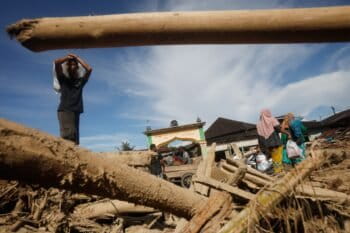
Banner image: Survivors walk past logs swept away by a flash flood in Batang Toru, North Sumatra, Indonesia, Tuesday, Dec. 2, 2025. (AP Photo/Binsar Bakkara)


Extinctions ‘already happening’ in Wales as report lists 3,000 at-risk species

Mongabay.com 3 Dec 2025

Nearly 3,000 species in the country of Wales, in the U.K., are now found in just a handful of locations, according to a recent report. These species include hundreds of plants, fungi and mosses, as well as 25 bird, six mammal, five freshwater fish and one amphibian species.

The report, produced by Natural Resources Wales (NRW), a Welsh government-sponsored body, notes that 114 species were last seen in Wales in the 1950s or later. Since 2000, 11 of these species have gone locally extinct, including the whiteworm lichen (Thamnolia vermicularis), belted beauty moth (Lycia zonaria), and birds like the corn bunting (Emberiza calandra) and European turtle dove (Streptopelia turtur).

“This report makes it clear that we aren’t simply ‘at risk’ of seeing species going extinct in Wales, it’s already happening. As a country, we need to take the threat seriously,” Mary Lewis, head of natural resource management policy at NRW, said in a statement.

NRW found that nearly 3,000 species are currently found in just five or fewer locations; 1,262 species survive in just a single site.

Not all the 3,000 species are necessarily declining. Nearly half may appear spatially restricted because they’re underrecorded, the report notes. However, 77 species are “decliners” — once widespread, they’ve declined drastically recently.

The decliners include birds like the black grouse (Lyrurus tetrix) and yellow wagtail (Motacilla flava), insects like the high brown fritillary butterfly (Fabriciana adippe) and strandline beetle (Eurynebria complanata), and plants like the grass-wrack pondweed (Potamogeton compressus) and fen orchid (Liparis loeselii).

Agriculture and climate change are systemic pressures on Welsh biodiversity, the report finds. But more local threats that drive wildlife population declines include the loss of deadwood in woodland, tree planting in grasslands, changes to peatlands, pollution in ponds and lakes, and changes to coastal and riverine habitats.

However, local conservation actions can turn the tide. For example, in two national nature reserves, clearing scrub is helping to protect the only British population of upright apple-moss (Bartramia aprica) and the last surviving Welsh population of dog screw-moss (Tortula canescens), the report notes.

In fact, the majority of the 3,000 species examined in the report are found across Welsh national nature reserves and other legally protected areas called Sites of Special Scientific Interest (SSSIs). This underscores the importance of managing and restoring these sites, a key goal of the Welsh government-funded Nature Networks Programme, NRW said in its statement.

Conservationist Tyler Hallman from Bangor University in Wales told state broadcaster BBC that such conservation actions could be successful.

“The European turtle dove is extinct in Wales but, over the last few years, their population in Europe has increased greatly so who knows — that one might come back,” Hallman said. “You might see things coming back as conditions improve and the species as a whole do better.”

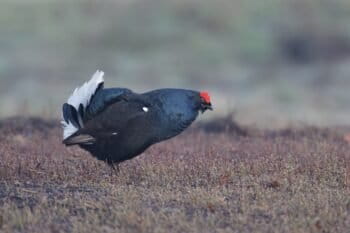
Banner image: A black grouse, currently declining in Wales. Image by Vnp via Wikimedia Commons (CCBY-SA3.0)

A male black grouse, currently declining in Wales. Image by Vnp via Wikimedia Commons (CCBY-SA3.0)

Brazil votes to allow most projects & farms to skip environmental licensing

Shanna Hanbury 2 Dec 2025

Brazil’s lawmakers have voted, by an overwhelming majority, to weaken the nation’s environmental licensing system, overturning key protections that Brazilian President Luiz Inácio Lula da Silva had vetoed earlier this year.

Congress first passed the law, commonly called the “devastation bill” across national media outlets, in July 2025 despite widespread protests. In September, President Lula vetoed dozens of clauses in the bill to avoid the worst environmental setbacks.

In a Nov. 27 joint session on the General Environmental Licensing Law, Congress voted to overturn 56 of the 63 presential vetoes. The Chamber of Deputies voted 268-190 in favor of overriding the vetoes, while the Senate voted 50-18.

One of the impacts of the lawmakers’ vote is that businesses will no longer need to consider impacts on communities that haven’t completed their land titling process. Indigenous and Quilombola — descendants of enslaved people — communities will be heavily impacted.

The decision to overturn the vetoes has “cemented the institutionalization of environmental racism and deepened conflicts in traditional territories,” said Alice Dandara de Assis Correia, an attorney at the Brazilian nonprofit Socioenvironmental Institute (ISA).

“If this law stands, we will face high legal uncertainty and weaker social and environmental protections,” Correia added. According to ISA, 32.6% of all Indigenous territories and 80% of Quilombola communities would be excluded from impact studies, which until now were a prerequisite for environmental licensing.

Another overturned veto allows farms that have illegally deforested or grabbed land to operate and sell their products without an environmental license, according to the Climate Observatory, a Brazilian environmental watchdog organization.

Environmental licensing would also no longer be required for large infrastructure projects, such as paving the BR-319 highway across 885 kilometers (550 miles) of the Amazon, the Climate Observatory added. “In addition to being unconstitutional, [the law] puts the health and safety of Brazilians at risk, allows broad destruction of our ecosystems and violates the country’s climate goals,” the organization wrote in a statement.

In the coming days, Congress will vote on overturning the remaining seven presidential vetoes, including one of the most contentious clauses, which would allow an estimated 90% of medium-impact businesses to “self-license.” If overturned, companies will be able to automatically produce their own environmental licenses at the click of a button by filling out an online form.

Brazil’s Environment Minister Marina Silva has announced that the government is considering challenging the Congressional overrides in court.

“We cannot treat environmental laws like they exist to hinder development. There is no development without a stable climate,” she said during a Nov. 28 interview on state-owned TV. “It is unconstitutional to override Article 225 of the Federal Constitution, which says that all citizens have the right to a healthy environment.”

Banner image: Brazil Environment Minister Marina Silva speaks out against the vote in Congress. Image courtesy of Fábio Rodrigues-Pozzebom/Agência Brasil.

Brazil Environment Minister Marina Silva speaks out against the vote in Congress. Image courtesy of Fábio Rodrigues-Pozzebom/Agência Brasil.

International Jaguar Day: A year of wins for the big cat

Mongabay.com 2 Dec 2025

Every Nov. 29 is International Jaguar Day, created to raise awareness about threats the jaguar (Panthera onca) faces, including habitat loss and poaching.

While the Amazon and Brazil’s Pantanal biomes are strongholds for the jaguar, hosting a high density of the animals, the species has lost most of its historic range, a reality that conservationists are working to reverse.

In places such as Argentina and Guatemala, jaguar numbers were pushed to the brink of extinction. But in some places, jaguars are finally bouncing back.

Here are some highlights from Mongabay’s recent jaguar coverage:

Crochet project helps jaguar numbers double near the Iguazú Falls

In 2009, the jaguar population in Brazil’s Iguaçu National Park crashed to just 11 individuals. Now, more than a decade later, there are at least 105 jaguar individuals roaming the Iguazú region on the Brazil-Argentina border, contributor Sarah Brown reported.

Community support and a shift in public perceptions about jaguars were vital in the conservation turnaround. The Jaguar Crocheteers project, for example, employs more than a dozen women to crochet jaguar-themed items for sale as part of an awareness campaign. For many local women, the project has become a main source of income.

“It’s not often we’re able to connect people from different towns around a shared cause. But all of them are united by the jaguars,” Claudiane Tavares, a coordinator at the Jaguar Crocheteers project, told Mongabay.

Wild jaguar cub born in Argentina’s Gran Chaco after three decades

A 5-month-old jaguar cub was spotted along the Bermejo River in northern Argentina’s Gran Chaco region in August. The sighting marks the first known wild-born cub in the region in three decades.

The conservation nonprofit Rewilding Argentina had released the cub’s mother, Nalá, into the wild one year before, in an effort to reintroduce the species into the ecosystem.

“It was a wonderful day for me,” said Darío Soraire, a guide who first spotted the cub. “I had the incredible luck of seeing Nalá with her cub on the banks of the Bermejo River as I was navigating upstream. I saw them and was struck by their beauty.”

Trust and fences are helping save Panama’s jaguars

In Panama’s Darién province, the land bridge connecting Central and South America’s jaguar populations, 395 jaguars were killed from 1989 to 2023, largely by ranchers. Globally, jaguars are listed as near threatened, but in Panama, they’re considered critically endangered.

A local project installed solar-powered electric fences around pastures to protect herds and reduce conflict, contributor Marlowe Starling reported. As a result, locals say killings have dropped and the mindset around jaguars is shifting.

“We need to learn to coexist with nature, not to try to go against it,” Luis Gutiérrez, one of the ranchers who joined the project, told Mongabay. “If we destroy nature, it will charge us with the consequences.”

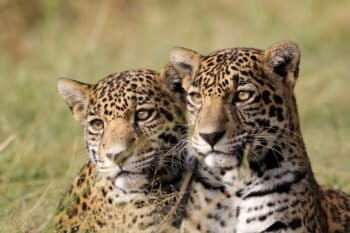
Banner image: Jaguars in Mexico. Image courtesy of Andrea Reyes/Jaguars in the Wild Foundation.

Jaguars in Mexico. Image courtesy of Andrea Reyes/Jaguars in the Wild Foundation.

Critical minerals dropped from final text at COP30

Aimee Gabay 2 Dec 2025

Delegates at last month’s U.N. climate change summit, or COP30, adopted a new mechanism to coordinate action on a just energy transition worldwide toward a low-carbon economy, away from fossil fuels. However, a proposal at the conference in Brazil to include language on critical minerals within the mechanism’s scope was scrapped at the last minute after China and Russia failed to support it.

Critical minerals like lithium, cobalt and nickel are crucial for renewable energy technologies and electric vehicles, but their mining and processing has been linked to negative environmental and social impacts.

An earlier draft text on the just energy transition included a paragraph recognizing “the social and environmental risks associated with scaling up supply chains for clean energy technologies, including risks arising from the extraction and processing of critical minerals.”

This is the first time that critical minerals were included in a text within climate negotiations under the U.N. Framework Convention on Climate Change (UNFCCC). Sources told Mongabay that Australia, the EU, the African Group of Negotiators, the Alliance of Small Island States (AOSIS) and many Latin American countries supported the inclusion. 

“In the second week, however, China made it clear that any inclusion of language about minerals governance was a red line, and thus ensured its exclusion even when many countries and large negotiating blocs had tabled language and argued in favor,” Emily Iona Stewart, head of transition minerals policy and EU relations at the NGO Global Witness, told Mongabay by email. “The text that was tabled in the first week did not make it into the final version of the just transition work program.”

Clement Sefa-Nyarko, a lecturer in security, development and leadership in Africa at King’s College London, told Mongabay by phone that this wasn’t the first time a mention of critical minerals has been severed from a U.N. conference. In 2015, when U.N. members adopted the Sustainable Development Goals (SDGs), a road map to tackle global challenges, critical minerals were excluded from the final text.

“This debate about where to place critical minerals is not a recent one,” Sefa-Nyarko said. “As far back as 2015, when the SDGs were being discussed, there was also controversy. That is repeating itself now at COP.”

Sefa-Nyarko said China or Russia were likely unsupportive of language on critical minerals because of the potential impact on their industries. China, in particular, is a global leader when it comes to processing and refining critical minerals. It processed 70-95% of the world’s lithium, cobalt, phosphate and graphite in 2024.

“That’s why it’s not surprising that China and Russia, which also have quite a good amount of those minerals, are the main ones opposing the inclusion of the language that will streamline mining to make how you mine more environmentally friendly,” Sefa-Nyarko said.

Banner image: The Quilapilún solar energy plant, a joint project by Chile and China in Colina, Chile. Image by AP Photo/Esteban Felix.

The Quilapilún solar energy plant, a joint project by Chile and China in Colina, Chile. Image by AP Photo/Esteban Felix.

Share Short Read Full Article

Share this short

If you liked this story, share it with other people.

Facebook Linkedin Threads Whatsapp Reddit Email

Subscribe

Stay informed with news and inspiration from nature’s frontline.
Newsletter

News formats

  • Videos
  • Podcasts
  • Articles
  • Specials
  • Shorts
  • Features
  • The Latest

About

  • About
  • Contact
  • Donate
  • Impacts
  • Newsletters
  • Submissions
  • Terms of Use

External links

  • Wild Madagascar
  • For Kids
  • Mongabay.org
  • Reforestation App
  • Planetary Health Check
  • Conservation Effectiveness
  • Mongabay Data Studio

Social media

  • LinkedIn
  • Instagram
  • Youtube
  • X
  • Facebook
  • Tiktok
  • Reddit
  • BlueSky
  • Mastodon
  • Android App
  • Apple News
  • RSS / XML

© 2025 Copyright Conservation news. Mongabay is a U.S.-based non-profit conservation and environmental science news platform. Our EIN or tax ID is 45-3714703.

you're currently offline