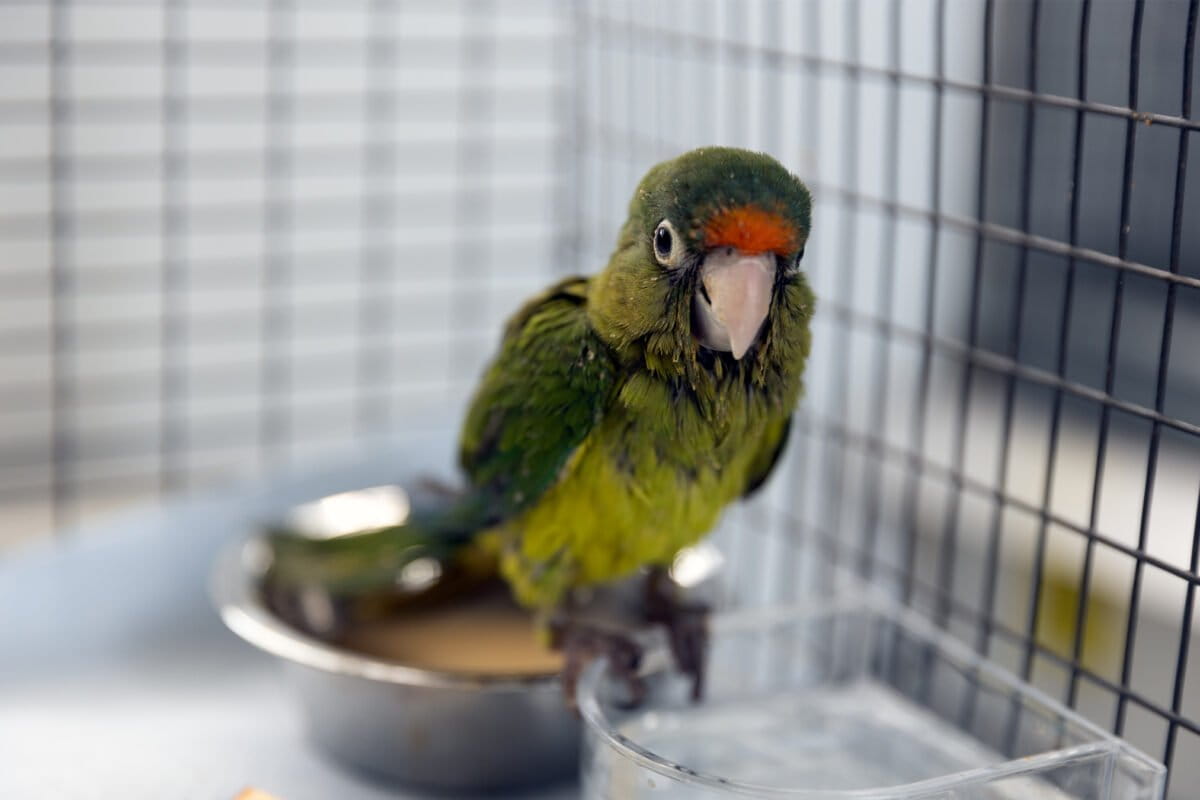
In a single month this year, nearly 30,000 live animals, were seized in a coordinated global crackdown on the illegal trade in wildlife and plants. Known as Operation Thunder and coordinated by Interpol and the World Customs Organization (WCO), it also confiscated tens of thousands of body parts from endangered species, and high-value plants and timber. The operation, conducted every year, aims to identify, disrupt and dismantle the criminal networks behind such environmental crime, an industry valued at least $20 billion annually.
Held from Sept. 15-Oct. 15 this year, the operation involved law enforcement and wildlife authorities from 134 countries. They conducted 4,640 seizures and identified 1,100 suspects. Now in its ninth year, Operation Thunder seized more than 30 metric tons of parts belonging to species listed under CITES, the global wildlife trade agreement.
The operation exposes the “sophistication and scale of the criminal networks” involved in the illegal wildlife trade, Interpol secretary-general Valdecy Urquiza said in a press release. Often, these networks are also involved in drug, human and weapons trafficking. “These syndicates target vulnerable species, undermine the rule of law and endanger communities worldwide,” Urquiza said.
This year’s seizure of 30,000 live animals is an all-time high for the operation and indicates rising demand for exotic pets. Authorities intercepted nearly 10,500 butterflies, spiders and insects — many protected under CITES — along with more than 6,000 birds, some 2,000 turtles and 1,150 reptiles. At CITES’s recent summit in Uzbekistan, some reptiles, sloths, and turtles traded as exotic pets were given greater protection. Separately, the IUCN, the global wildlife conservation authority, passed a motion recognizing the need to address the soaring illegal wildlife trade to meet demand for pets.
The operation also exposed the trade in primates and their body parts. Authorities seized more than 200 live primates, along with some 1,560 primate parts. The vast majority were seized in North America, including a shipment with more than 1,300 primate bones, skulls and other derivatives. In Brazil, authorities dismantled a trafficking network involved in smuggling golden lion tamarins (Leontopithecus rosalia), an endangered monkey.
The operation also revealed a growing illicit trade in bushmeat. Roughly 5.8 metric tons of primate, giraffe, zebra and antelope meat were seized worldwide, with a notable increase in cases from Africa into Europe.
Authorities also confiscated more than 245 metric tons of protected marine wildlife, including 4,000 pieces of shark fins.
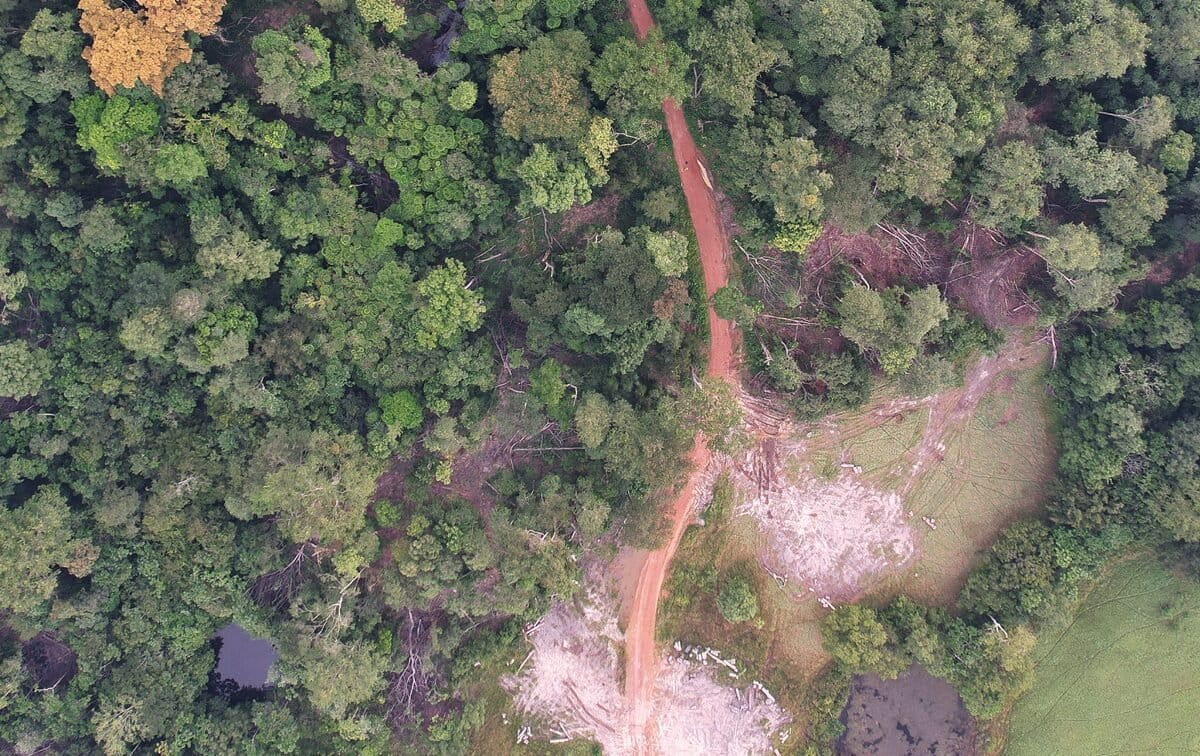
Plant seizures also reached a record high, with more than 10 metric tons of live plants and plant derivatives confiscated, along with more than 32,000 cubic meters (1.13 million cubic feet) of illegal timber and 14,000 timber pieces.
Insights from Operation Thunder will help authorities map global criminal networks, anticipate emerging criminal tactics and disrupt illicit supply chains involved in the illegal wildlife trade, Interpol said.
Banner image: A black-crested gibbon (Nomascus concolor) and two cuscuses seized by Malaysian authorities as part of Operation Thunder. Image courtesy of Interpol.