Founder’s Briefs: An occasional series where Mongabay founder Rhett Ayers Butler shares analysis, perspectives and story summaries.
It began with a buffalo. The animal lay slumped beside a dry waterhole in Kenya’s Tsavo West National Park, its great ribs rising and falling slowly in the dust. No rain had come. No relief was in sight. And no one else, it seemed, was coming. That moment, burned into Patrick Kilonzo Mwalua’s mind, marked the beginning of a mission that would define the rest of his life.
Mwalua was not a scientist. He had no degree in ecology. He was a pea farmer with a secondhand water truck and a conviction that animals should not die of thirst while humans watched. In 2016, as drought scorched Kenya’s lowlands, he began hauling 3,000 gallons (about 11,400 liters) of water a day over rough roads to refill the empty pans where elephants, buffalo, zebras and antelope once drank. The animals came running. So did the world. Videos of the so-called “Water Man of Tsavo” went viral; donations arrived from as far away as Vermont and Utah. But the work never stopped being hard. The truck broke down. The roads washed out. His kidneys failed.
Still, he carried on. Even from a wheelchair, even while tethered to dialysis, Mwalua coordinated deliveries, repaired equipment and answered phone calls from his hospital bed.
“Grace is making me move on,” he wrote near the end.
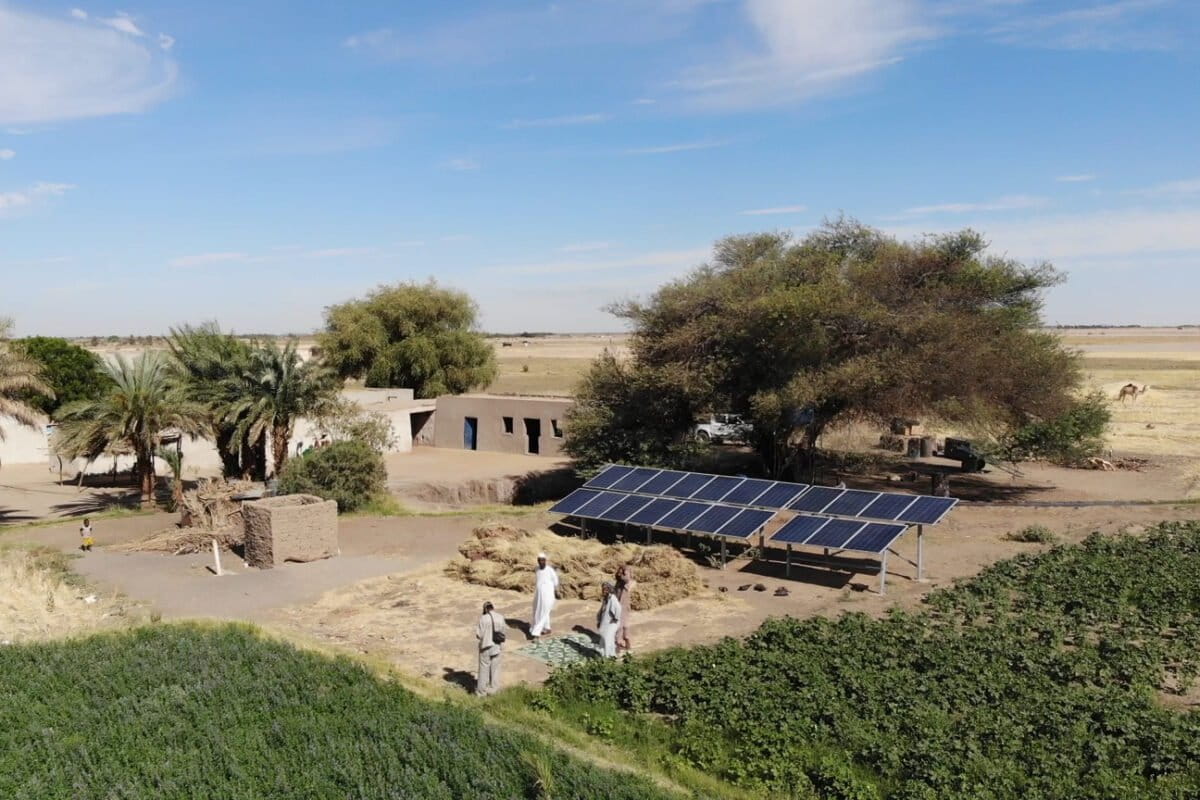
He experimented with solar-powered pumps, built water pans, planted sunflowers to reduce elephant raids on maize fields, and tended beehives to protect both crops and pollinators. He believed that resilience — true resilience — meant finding harmony, not shortcuts.
Though he received a Head of State Commendation and global media attention, official support remained scant. His funeral was organized by family and friends. His widow, Rachel, vowed to continue his work. His trust lives on.
In the end, Mwalua did not stop the drought. He could not save every animal. But he gave his life to the quiet idea that someone should try. That kindness, though exhausting, matters. And that even in a world failing to change fast enough, there is dignity — perhaps even salvation — in meeting suffering with action. A man with a hose in the heat. A water truck in the dust. And the hope, however fragile, that tomorrow would be just wet enough.
Banner image: Patrick Kilonzo Mwalua at work. Image from his social media.
Credits