- A regional study led by citizen scientists reveals the scope and sources of plastic bottle pollution along Latin America’s Pacific coast.
- Central America hosts the most polluted sites, where high population density and limited recycling infrastructure drive plastic buildup.
- Bottles traced to distant continents show how maritime currents spread waste across borders.
- Researchers suggest implementing standardized bottle return systems while highlighting citizen science as a tool for environmental action.
Sandwiched between the frigid swells of the Pacific and the warm pulses of Latin American cities lie stretches of turquoise beaches that attract migrating whales and beachgoers alike. But these shores have also been collecting an unwanted traveler: plastic bottles, one of the most persistent traces of ocean pollution.
Central America, where dense populations and limited waste infrastructure coincide, hosts some of the most contaminated sites in the region, according to new research in the Journal of Cleaner Production.
“It’s the first time a study looking at origin and abundance covers such a vast section of the Latin American Pacific,” said co-author Ostin Garcés-Ordóñez, a marine scientist at the Smithsonian Environmental Research Center in Maryland. “We analyzed bottles from cities, continental beaches, and islands, which allowed us to see contamination patterns we hadn’t observed before.”
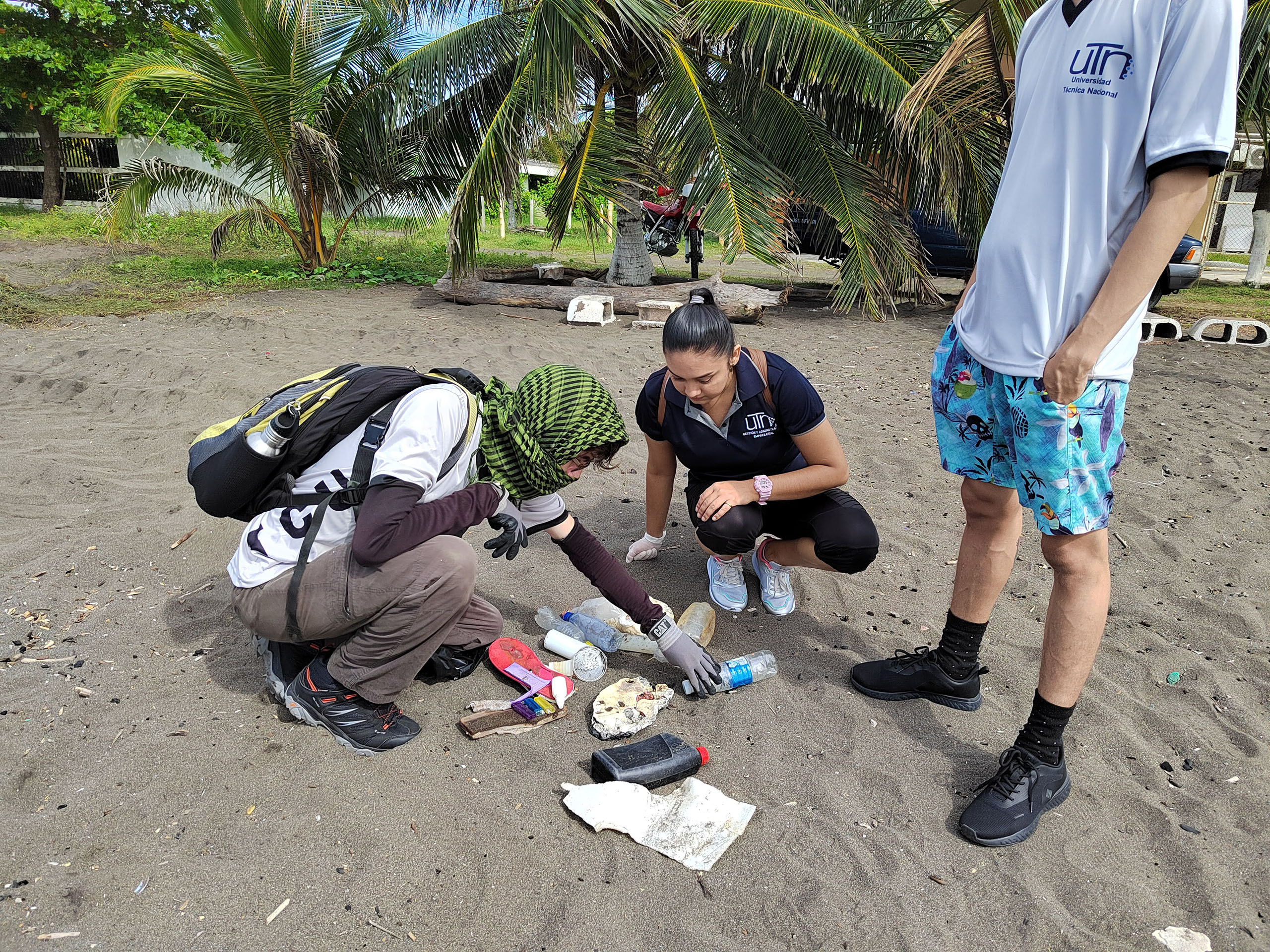
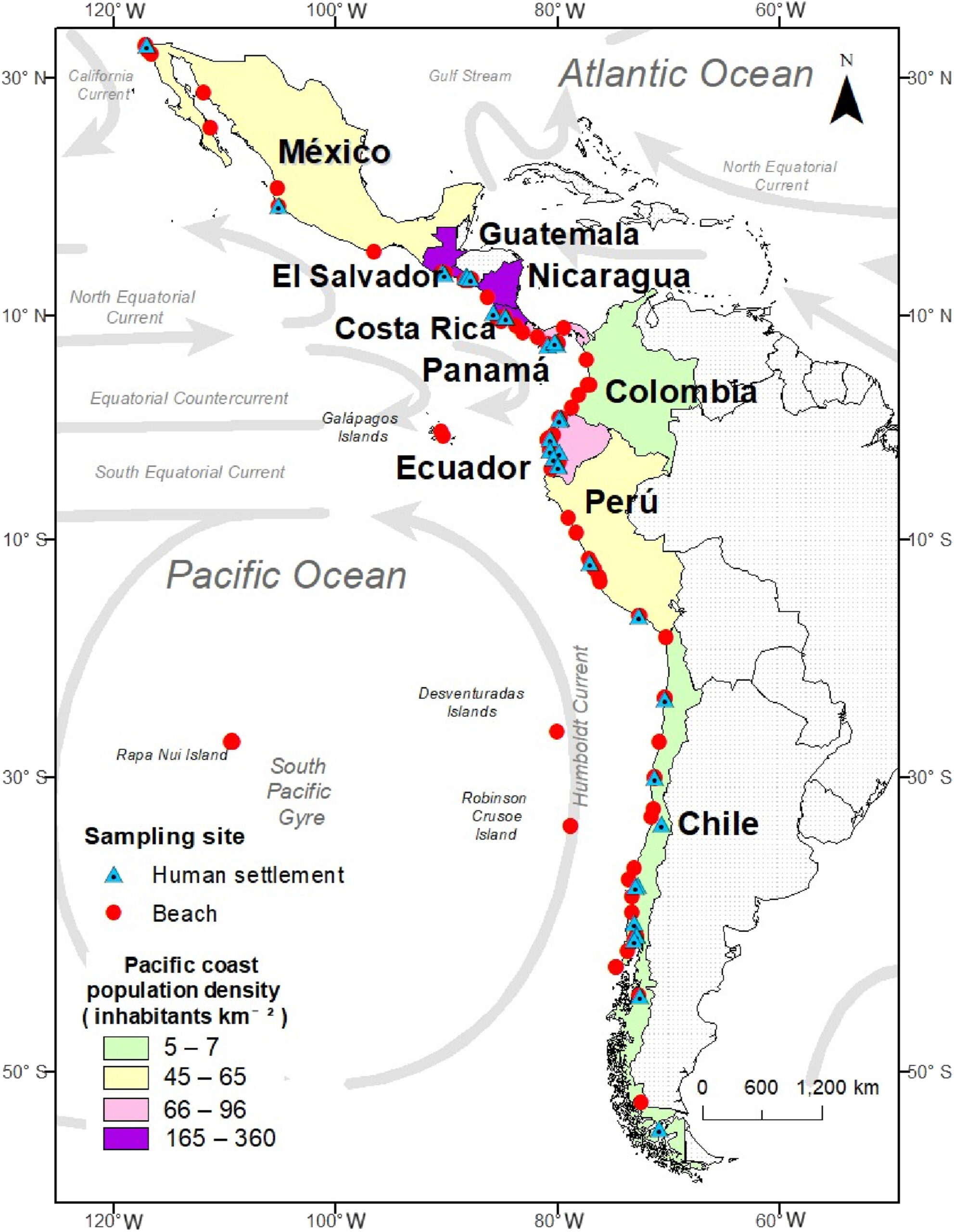
Hundreds of citizen scientists across Mexico, Central America, and South America participated in the research, led by Garcés-Ordóñez and the Chile-based network Cientificos de la Basura (Litter Scientists), tracing where the bottles came from and what their journeys reveal about regional pollution. Working with local researchers and educators, volunteers collected bottles from beaches, rivers, and nearby islands across 10 countries.
In Costa Rica, where only five of the country’s 84 municipalities have trash facilities that separate recyclable from non-recyclable waste, co-author Juan Manuel Muñoz-Araya, marine scientist and aquarium coordinator at Pacific Marine Park in Costa Rica, coordinated dozens of students to collect nearly 5,000 plastic bottles along the coast.
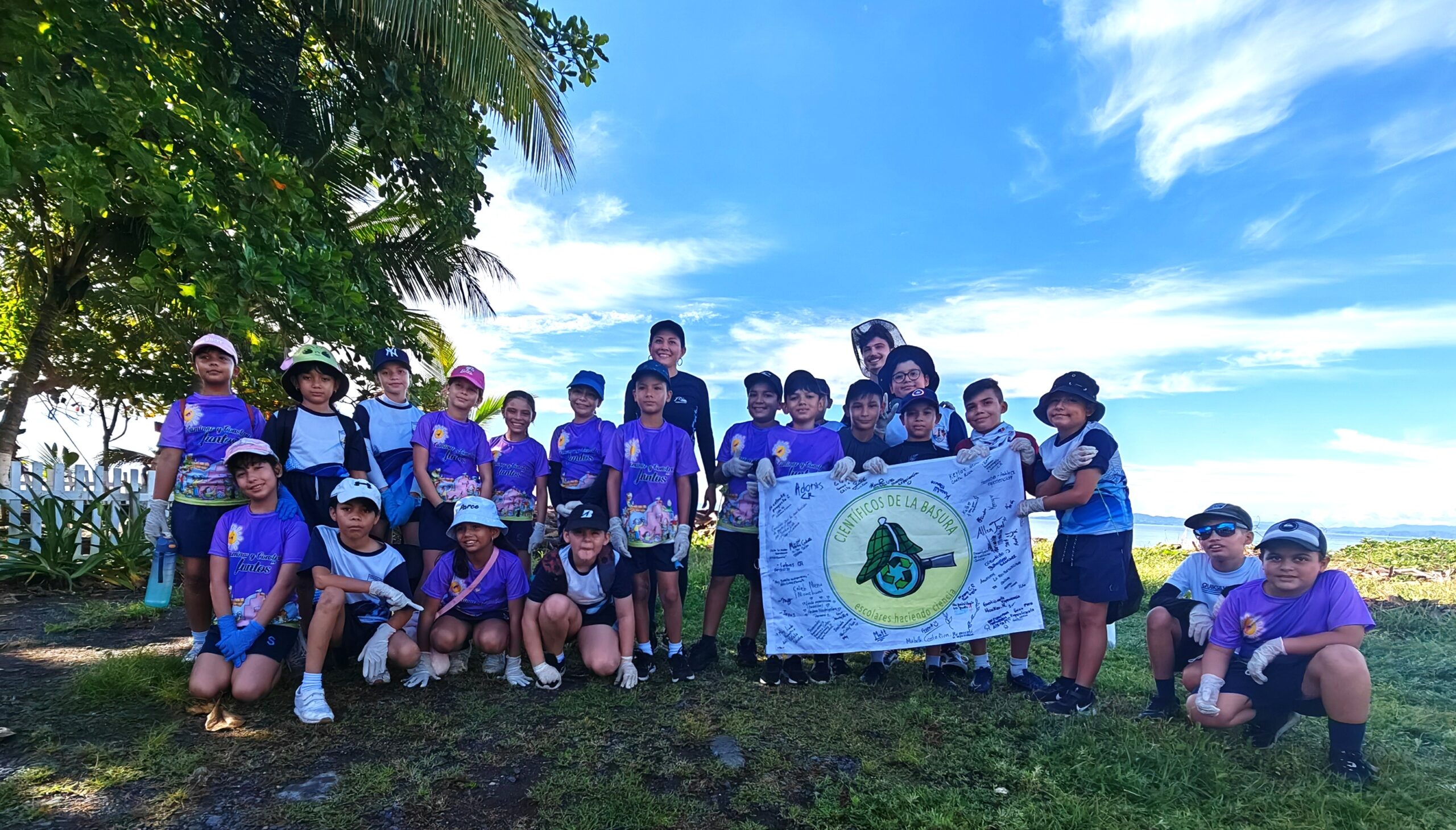
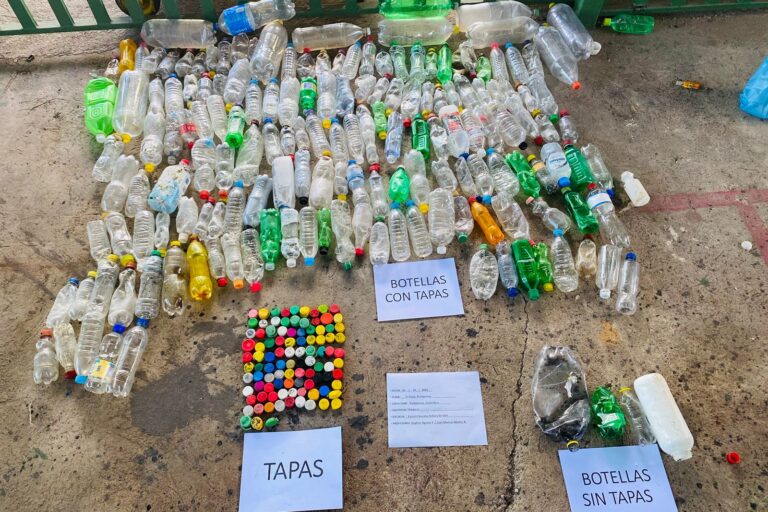
Together, they cataloged thousands of bottles and caps, some with sun-bleached labels, others with no labels at all. Some samples were still shiny and intact, bearing familiar brands of soft drinks and water like Coca-Cola and PepsiCo. “Seeing the international products helped young people understand that they’re part of an international scientific effort,” Muñoz-Araya said. “They are not just cleaning a beach.”
Each item was logged by citizen scientists who recorded its condition and identifying marks such as logos, barcodes, and language. Bottles labeled in Spanish and produced by regional companies were traced to local sources, while those marked with Asian languages suggested international origins.
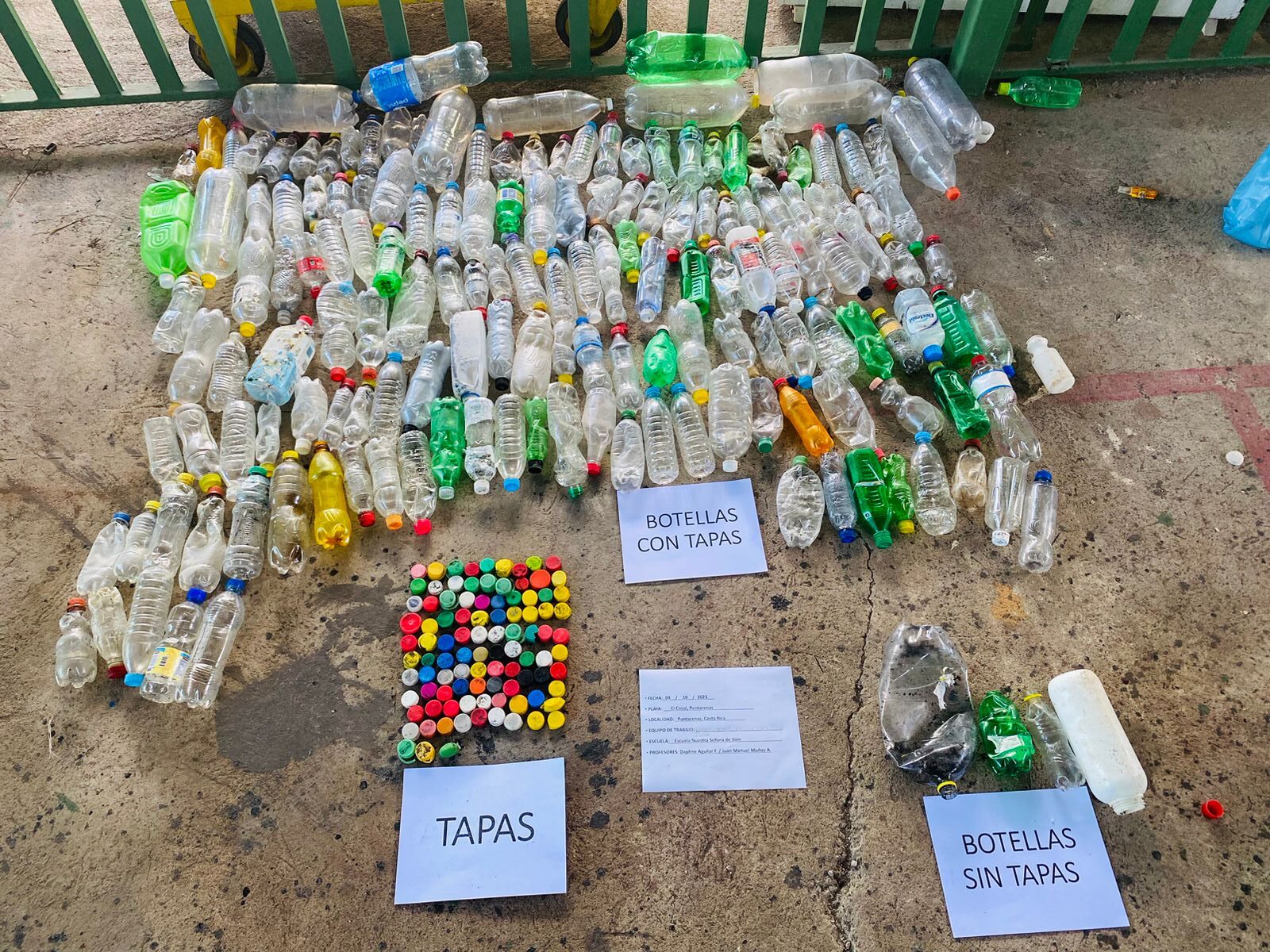
Over half of the plastic bottles that originated in Costa Rica were carried downstream through river systems from urban centers, including San Jose, to rural coastlines. The rest likely crossed entire oceans: Bottles with Chinese or Japanese labels probably drifted thousands of kilometers, carried by Pacific currents that flow through marine trade routes, Garcés-Ordóñez said.
In Panama, roughly 60% of the bottles were foreign, revealing how shipping routes, notably through the Panama Canal, contribute to waste pollution. This pattern resembles what researchers observed on island beaches like Ecuador’s Galápagos Islands, where bottles from Asia, particularly China, frequently appear.
In the study, islands consistently accumulated more foreign bottles than those found on the country’s coast. This may be because islands often sit closer to major shipping routes. They also commonly receive more direct exposure to winds and currents. Positioned in the pathways where major Pacific current converge, some islands act like natural traps, intercepting trash that would otherwise remain dispersed at sea.
The regional findings echo a larger crisis unfolding across the world’s oceans. Globally, more than 11 million metric tons of plastic enter the ocean each year, according to the UN Environment Programme. This amount is expected to triple in the next 20 years.
While these numbers underscore the scale of the problem, the researchers bring the issue onto shore, revealing how plastic pollution is deeply intertwined with local infrastructure on land. Bottled beverage consumption often arises from unreliable access to safe drinking water, Garcés-Ordóñez said. In regions lacking municipal systems, bottled beverages become an essential yet environmentally costly source of hydration.
Major educational barriers prevent Latin American municipalities from operating efficient recycling systems, said Salma Terrazas of Ecolana, a startup in Mexico dedicated to facilitating access to recycling. “A large part of the population does not know what the recycling chain is. They only get to the point where someone takes their trash, but they don’t know where it goes or what is done with it,” she said. “This means that waste is delivered mixed and dirty, which limits the recycling process even more.”
In some Latin American countries, bottle returns already come with financial compensation. Expanding these incentives could strengthen recycling participation and help curb ocean pollution, Garcés-Ordóñez said. “The main recommendation is to implement a standardized system of returnable plastic bottles that can be returned in any country and to any company.”
Citation:
Garcés-Ordóñez, O., Ergas, M., Baeza-Álvarez, J., Honorato-Zimmer, D., López-Xalín, N., Vásquez, N., … & Thiel, M. (2025). Abundance, provenance, and characteristics of plastic beverage bottles in human settlements and on beaches of the Latin American Pacific region: a citizen science study. Journal of Cleaner Production, 521, 146234. https://doi.org/10.1016/j.jclepro.2025.146234
Olivia Maule is a graduate student in the Science Communication M.S. Program at the University of California, Santa Cruz. Other Mongabay stories produced by UCSC Students can be found here.
Credits